An archive of histories/herstories/theirstories affecting and influencing the trans, gender diverse and ثنائي الجنس movements in Africa
This Timeline of our archive of histories/herstories/theirstories of the trans, gender diverse and intersex movements in Africa and in the Diaspora emerged through the grassroots experiences and memories of the contributing African activists and organisations.
It is often updated with new stories and the Timeline is continually growing.
How to navigate the Timeline
Categories are displayed alphabetically at the top of the Timeline and can be used to filter the results to focus on the research theme chosen. For example, ‘All’ will show you all topics, while ‘Intersex’ will display all entries related to intersex movements and moments.
Alternatively, use the search bar in the menu at the top and bottom of screen to find more specific information.
Categories relating to gender, sex characteristics and sexual orientation have flag icons and colour groups to visually distinguish them from one another:
All
النشطاء
الكل
الفن
ملتمسو اللجوء/المهاجرون/اللاجئون
الصوت والفيديو
Ballroom
المجتمع
المؤتمرات
التنكر عبر الملابس
Depathologisation
الشتات
Drag
أفلام
التنوع بين الجنسين
غير المطابقين للجنسين
Gender-Affirming Healthcare
الرعاية الصحية
HIV/AIDS
Homeless people
في الذكرى
ثنائي الجنسين
المقابلات
أل بي كيو
LBTI
LBTQ
التشريعات
مجتمع الميم عين قاف زائد
Media
غير ثنائي
المنظمات
People living with HIV
Persons with Disabilities
المنشورات
العمل في مجال الجنس
الرياضة
الصحة والحقوق الجنسية والإنجابية
TIHA Articles
ترانس
المتحولون جنسيًا وثنائيو الجنسين
المتحولين جنسياً
Transmasculine
Transsexual
Transvestite
شباب
4 February 2022 — Police Accused of Violent Attack of Trans Woman, Benin
4 February 2022 — Police Accused of Violent Attack of Trans Woman, Benin
On 4 February 2022, a Beninese trans woman was assaulted by motorbike taxi drivers and residents in her neighbourhood of Ouidah in Benin. After accusing her and three other trans women of theft, the community members beat, stripped, robbed and photographed her. Rather than helping her, the police that arrived took her to the Pahou Police Station where officers beat her with sticks and machetes, stripped her naked, and took photographs of her. She was detained for three days, forced to remain naked and without food throughout this time.
She filed a complaint with the Ouidah prosecutor’s office and wrote a testimonial to Amnesty International, documenting what had happened to her. Amnesty International’s West Africa Researcher, Fabien Offner said:
“There must be an urgent investigation into this horrendous attack. Not only was Nadia severely beaten by police officers, she was detained for three days, during which time she was forced to remain completely naked. This is transphobia in its most vicious, hateful and deplorable form.”
According to Amnesty International,
“LGBTI people are often victims of violence and threats in Benin. This is despite significant progressive developments in Benin in recent years, such as the decriminalization of same-sex relationships in the country’s penal code in 2018.”
4 February 2022 — Police Accused of Violent Attack of Trans Woman, Benin On 4 February 2022, a Beninese trans woman was assaulted by motorbike taxi drivers and residents in her neighbourhood of Ouidah in Benin. After accusing her and three other trans women of theft, the community members beat, stripped, robbed and photographed her. […]
March 2022 — Founding of Supporting Trans, Intersex, and Gender Non-Conforming People Initiative (STAG), Nigeria
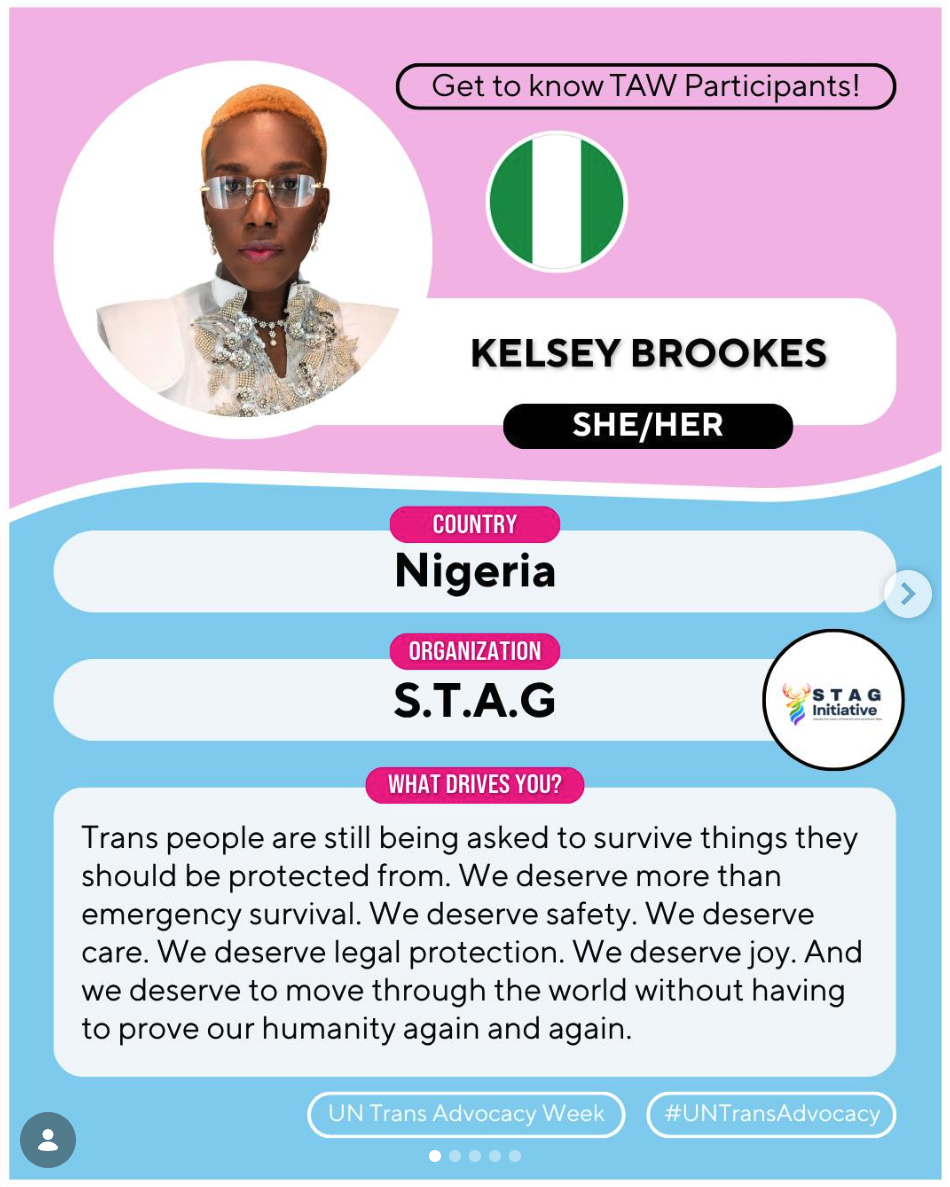
Founded in Nigeria in March 2022, Supporting Trans, Intersex, and Gender Non-Conforming People Initiative (STAG) was initially a peer-support, community organising and safe space network for trans, intersex, gender diverse and gender non-conforming people from around 2018/2019. STAG Initiative works with womxn, trans, intersex, gender-diverse, gender non- conforming people, and other underserved LGBTQI+ community members in Nigeria. The network was begun by Kelsey Brookes, Claudia, and Gloria Henshaw (Juniper), and 16 other trans, intersex, gender diverse and LGBQ+ community members. The organisation’s work particularly centres people who experience multiple layers of exclusion, including trans women, trans men, intersex persons, gender-diverse persons, LGBTQI+ youth, survivors of gender-based violence (GBV), people living with HIV, sex workers, displaced persons, and community members facing homelessness, family rejection, violence, health exclusion, and legal insecurity.
STAG Initiative works at the intersection of advocacy, empowerment, safety, health justice, and human rights for womxn, trans, intersex, and gender non-conforming people in Nigeria. Their main work includes crisis response, safe housing support, gender-based violence response, legal and psychosocial referrals, SRHR and HIV-related advocacy, community documentation, leadership development, movement building, and policy advocacy. They also create safe spaces where community members can access care, information, support, and collective power. STAG was born out of a deep collective frustration with the violence and discrimination faced by the communities mentioned above, and their work is rooted in ensuring that no one is left behind or erased. STAG advocates for justice, provides safe spaces and services, supports GBV survivors, strengthens community-led crisis response, empowers marginalised communities, and challenges the systems that produce violence, exclusion, and discrimination. STAG was registered in 2025.
رؤية
A society where everyone, including trans, intersex, and gender non-conforming people, can thrive and have full access to comprehensive healthcare, education, and empowerment, when they want it and how they want it. A future where no one has to hide who they are, explain their existence, or negotiate their dignity before accessing care, safety, education, or opportunity.
Co-founder, Kelsey Brookes says,
“As a visionary leader, I strive to create inclusive spaces and drive systemic change to ensure that every individual, regardless of gender identity, can thrive and be treated with dignity and respect.”
To create an inclusive society where anyone, regardless of gender identity, can live freely and safely.
Goals/Objectives
Promote the safety, dignity, and human rights of trans, intersex, gender-diverse, gender non- conforming people, and other underserved LGBTQI+ communities in Nigeria.
Provide crisis response, safe housing, psychosocial support, legal referrals, and survivor-centred care for community members facing violence, homelessness, family rejection, or insecurity.
Advance access to inclusive healthcare, SRHR services, HIV prevention, treatment literacy, and gender-affirming information and support.
Strengthen community leadership, especially among trans, intersex, and gender-diverse young people.
Document community experiences, rights violations, movement histories, and evidence for advocacy and policy change.
Build solidarity across generations so that older and younger trans, intersex, and gender-diverse activists can share knowledge, context, experience, strategies, and skills.
Advocate for laws, policies, systems, and services that respect bodily autonomy, inclusion, safety, and justice.
مجالات التركيز
Crisis Response and Safe Housing — STAG supports trans, intersex, gender-diverse, gender non-conforming, and LGBTQI+ community members experiencing violence, homelessness, family rejection, threats, forced displacement, or urgent safety needs. This includes safe housing, emergency relocation support, case management, and referral coordination.
Gender-Based Violence and Legal Protection — STAG provides survivor-centred support for community members affected by gender-based violence, intimate partner violence, blackmail, family violence, public harassment, and rights violations. The organisation also supports referrals to legal, psychosocial, and protection services.
SRHR, HIV, and Health Justice — STAG advocates for access to inclusive healthcare, HIV services, SRHR information, treatment literacy, mental health support, and gender-affirming care information. Their work responds to the exclusion of trans, intersex, and gender-diverse people from mainstream health systems.
Trans and Intersex Movement Building — STAG creates safe spaces for leadership development, peer learning, advocacy training, and community mobilisation. The organisation is particularly interested in strengthening intergenerational learning within the trans and intersex movement, because of the widening gap between older and younger activists. This gap is leading to the loss of knowledge, political context, lived experience, advocacy skills, and movement memory.
Documentation, Research, and Data-Driven Advocacy — STAG documents lived realities, human rights violations, health access barriers, and community histories. The organisation uses evidence to support advocacy, policy engagement, donor engagement, and movement learning.
Climate Justice and Social Protection — STAG integrates gender and climate justice by recognising how crisis, flooding, displacement, poverty, and environmental insecurity affect trans, intersex, gender-diverse, and other marginalised communities.
Economic Empowerment and Education — STAG supports access to skills, education, empowerment opportunities, and leadership pathways for underserved community members.
March 2022 — Founding of Supporting Trans, Intersex, and Gender Non-Conforming People Initiative (STAG), Nigeria Founded in Nigeria in March 2022, Supporting Trans, Intersex, and Gender Non-Conforming People Initiative (STAG) was initially a peer-support, community organising and safe space network for trans, intersex, gender diverse and gender non-conforming people from around 2018/2019. STAG Initiative works […]
7 April 2022 — Publication on the Legal Situations for Trans People, Egypt, Lebanon and Tunisia
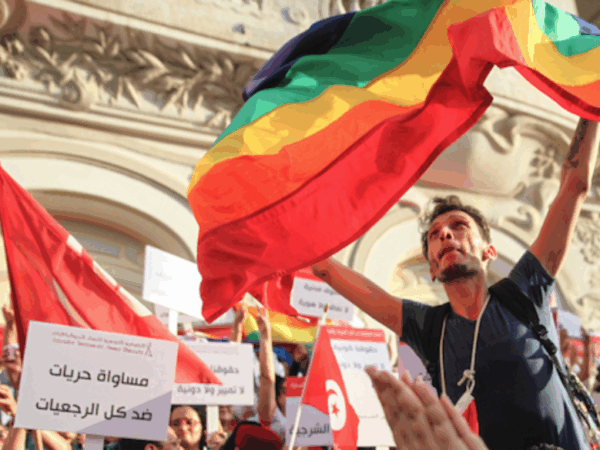
On 7 April 2022, an article by Nora Noralla was published on The Tahrir Institute for Middle East Policy website. In the article, the writer researched existing legal frameworks and case law in Egypt, Lebanon and Tunisia, and interviewed activists, experts and trans people about their experience.
Image from The Tahrir Institute for Middle East Policy article.
Noralla writes:
“Egypt, Lebanon, and Tunisia lack clear avenues for transgender people to obtain legal gender recognition, increasing their vulnerability to abuses by security forces such as arbitrary arrests, and to systemic discrimination in healthcare, housing, and employment. Medical and judicial authorities in these countries arbitrarily restrict access to legal gender recognition based on misinformed perspectives that see transgender identities as pathological.
In the absence of the necessary legal and regulatory frameworks to grant such recognition, judicial authorities in the three countries are tasked with reviewing individual gender recognition applications submitted by transgender people. Laden with obstacles, this process is protracted (it can take from three to ten years), expensive, and inaccessible to most transgender people. Due to the absence of legislative frameworks for granting legal gender recognition, it is up to individual judges in each country to make decisions based on their interpretation of the law. Judicial authorities often require transgender applicants to have completed all surgical and hormonal interventions before reviewing their cases. The judicial forensic medical authorities are often tasked with examining transgender applicants to ensure they meet this requirement. Transgender people face significant obstacles to receiving gender-affirming healthcare in the three countries.
Although none of the three countries criminalize transgender identity, security forces often conflate it with sexual orientation, perceiving transgender women as gay men and transgender men as lesbian women, who are prosecuted under various laws. The discrepancy between transgender people’s official documents and gender expression makes them vulnerable to police abuse, including harassment and arbitrary arrests. Transgender detainees in Egypt and Lebanon are often placed in cells that do not reflect their gender identity, or in solitary confinement for lack of alternatives. Transgender people in such facilities endure ill-treatment that can amount to torture, such as forced anal examinations, a discredited practice to “prove” same-sex activity.”
The article goes on to describe the situations in each country in detail.
7 April 2022 — Publication on the Legal Situations for Trans People, Egypt, Lebanon and Tunisia On 7 April 2022, an article by Nora Noralla was published on The Tahrir Institute for Middle East Policy website. In the article, the writer researched existing legal frameworks and case law in Egypt, Lebanon and Tunisia, and interviewed […]
19 مايو/أيار 2022 - الهجوم على مقر منظمة الأقليات الجنسية الأوغندية واعتقال موظفي المنظمة، أوغندا
Following an attack and malicious destruction of the property of Sexual Minorities Uganda (SMUG)‘s offices in Uganda on 19 May 2022, two staff members (referred to as DSB and HN for safety reasons) from SMUG reported the incident at the Ntinda Police Station in Kampala. Instead of receiving protection, they were accused of assault by the perpetrator of the destruction of SMUG’s offices, Elisha Mukisa, and the two were unjustly arrested and coerced into making incriminating statements. Mukisa is a self-proclaimed “ex-gay” crusader and product of anti-rights, anti-gender and anti-LGBTQ+ groups in Uganda.
The case (Criminal Case Number 2518 of 2022) was finally won 3 years later, on 20 March 2025. One of the accused, DSB, said after the verdict acquitting them and their colleague:
“I’m so relieved and grateful to God almighty that the truth has finally come to light. This acquittal is a testament and a reminder that justice can prevail, even in the face of adversity.”
In a press release, an advocate in the case, Douglas Mawadri, said
“This case dragged on with baseless prosecution, multiple adjournments, and no real trial. Police must end arrests based on suspicion and hearsay. I hope those vindicated find healing from this ordeal.”
Dr Frank Mugisha, Co-Executive Director of SMUG, said the following:
“This case is a clear example of how Uganda’s hostile legal and political environment is weaponized against LGBTQ+ individuals. The fingerprints of anti-rights and anti-LGBTQ+ groups are all over this injustice where victims seeking protection are instead criminalized. Let this victory be a symbol of our resistance, resilience, and hope.”
Dr Frank Mugisha, Co-Executive Director of SMUG
Fridah Mutesi, an advocate from Ubuntu Law and Justice Centre, said
“Litigating against hate and acceptance of SOGIESC issues will take longer, but we will win eventually. After representing our clients in court over thirty times, today the court agreed with our submissions, ruling that our clients had no case to answer, thereby acquitting them from criminal prosecution.”
The press release ended with SMUG saying
“While we acknowledge this legal victory, we remain concerned about the broader climate of persecution and criminalization facing LGBTQ+ individuals and organizations in Uganda. This case serves as a stark reminder that advocating for LGBTQ+ rights in Uganda remains a high-risk endeavor. The continued targeting of our community through misinformation, fabricated charges, arbitrary arrests, and legal harassment is an attempt to silence us.”
19 May 2022 — Attack on Sexual Minorities Uganda (SMUG)’s Headquarters and Arrest of SMUG Staff, Uganda Following an attack and malicious destruction of the property of Sexual Minorities Uganda (SMUG)‘s offices in Uganda on 19 May 2022, two staff members (referred to as DSB and HN for safety reasons) from SMUG reported the incident […]
26 يوليو 2022 — الاعتراف بالأطفال الخناثى وحمايتهم بموجب "قانون الطفل لعام 2022" الكيني، كينيا
Voted into Kenyan law on the 26th of July 2022, section 21 of The Children Act, 2022 legally recognises intersex children, ensuring their right to appropriate documentation and protection. Section 21 of the Act states
“An intersex child shall have the right to be treated with dignity, and to be accorded appropriate medical treatment, special care, education, training and consideration as a special need category in social protection services.”
The Act
ensures intersex children can access necessary services, including healthcare, education, and social security
recognises the existence and rights of intersex children in order to ensure that they are not excluded from legal recognition and protection
mandates measures and steps for correct documentation and registration of intersex people, including their right to amend their sex markers on official documents
promotes social justice, national values and principles of governance to ensure intersex children have the right to equality and inclusion as outlined in the Kenyan Constitution
aims to end historical discrimination and ensure that intersex children are treated the same as other children.
The Act defines the intersex child as
“as one with congenital conditions where biological sex characteristics cannot be exclusively categorized as female or male.”
Kenyan intersex, trans and gender. non-conforming advocacy organisation, Jinsiangu, states in this document, that the Act’s definition of intersex children has
“offered a safe space to ensure that the status of being intersex does not deprive an intersex person of their constitutionally guaranteed rights under the Bill of Rights.”
The Act also states that
“An intersex child shall have the right to be treated with dignity, and to be accorded appropriate medical treatment, special care, education, training and consideration as a special need category in social protection services.”
Jinsiangu writes that
“This Section generates a very huge strides towards the realization, fulfilment, protection and promotion of the standards of living of these vulnerable children. They hitherto suffered from discrimination and denial of access to education and health offending their right to dignity. They can now glow and smile given that their status and dignity has been elevated to that of humanity.”
Jinsiangu also writes that the provisions in the Act
“allow for the long-awaited registration framework for intersex children within the Birth and Deaths Registration Act alongside boys and girls. This simply means that the law accords them recognition and they are now able to enjoy Constitutionally guaranteed rights as any other child and citizen of the republic of Kenya. What a milestone towards the realization of social justice. It is a first in Africa.”
Our interview with Frankie Kibagendi, Kenyan politician and intersex rights activist
In this clip from our interview on the 23rd of May 2025 with Kenyan Frankie Kibagendi, intersex activist and politician, and Director of Intersex Kenya Advocacy and Education (I.K.E.A.), speaks about the Act and the situation for intersex people in Kenya:
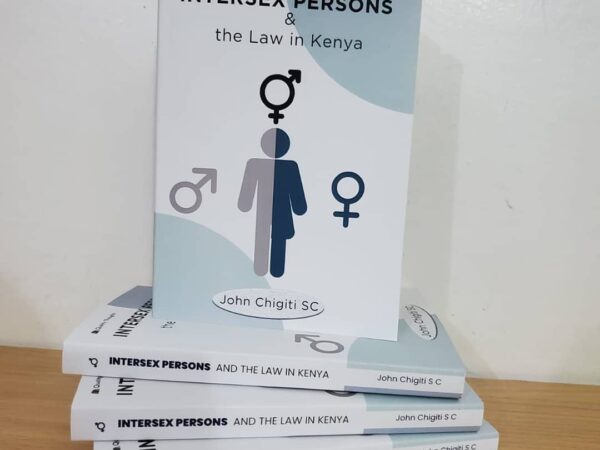
يستمر الأشخاص ثنائيو الجنس في كينيا في مواجهة التمييز المنهجي، والانعدام القانوني، والانتهاكات المستمرة للحقوق الأساسية. بالاعتماد على التحليل الذي قدمه تشيغيتي (2021) في الأشخاص ثنائيو الجنس والقانون في كينيا، يجمع هذا المقال بين الموضوعات الرئيسية للمؤلف في مجالات القانون والطب والأنظمة الاجتماعية والسياسات. يوضح النقاش أنه على الرغم من أن دستور كينيا يكفل المساواة والكرامة وعدم التمييز لجميع الأشخاص، فإن غياب الاعتراف الصريح بالهوية بين الجنسين يمنع هيكلياً التحقيق الكامل للحقوق. هناك حاجة ماسة إلى إصلاحات في التوثيق والرعاية الصحية والوصول إلى المعلومات وقانون الأسرة والتعليم لمواءمة البيئة القانونية والسياسية في كينيا مع مبادئ حقوق الإنسان الدولية.
مقدمة
يظل الأشخاص ثنائيو الجنس المولودون بتنوعات طبيعية في الخصائص الجنسية لا تتناسب مع التعريفات الثنائية النمطية للذكر أو الأنثى مهمشين اجتماعيًا وغير مرئيين إداريًا في كينيا. توضح تشيجيتي أنه بينما يتزايد الوعي بالهوية ثنائية الجنس عالميًا، تظل الأنظمة القانونية والطبية في كينيا غير مجهزة لمعالجة الحقائق المعاشة لهذه الفئة السكانية. تنظم هذه المقالة الموضوعات الأساسية الناشئة من نص تشيجيتي في تحليل موضوعي صارم لتوجيه الدراسات القانونية والدعوة وتصميم السياسات.
أسس مفاهيمية وطبية
الفهم المفاهيمي والطبي لـ الأشخاص ثنائيو الجنس يشكل الأساس الفكري لحجة جون شيجيتي في الأشخاص ثنائيو الجنس والقانون في كينيايبدأ بإعادة النظر في تعريف ثنائيي الجنس، المعروف تاريخياً بالاسم المهين خنثى مع تطور المعرفة الطبية، حلّت هذه المصطلحات محلها لغة قائمة على أسس علمية وحقوق الإنسان.ثنائي الجنس” أو “الأشخاص الذين يعانون من اختلافات في التطور الجنسي (DSD)”. تصف هذه المصطلحات الأفراد الذين يولدون بتباينات في الخصائص الكروموسومية أو الغدد التناسلية أو التشريحية الجنسية التي لا تتناسب مع التعريفات الثنائية النمطية للذكر أو الأنثى.
يحدد تشيجيتي عدة أسس بيولوجية للتنوع بين الجنسين، بما في ذلك الأنماط الكروموسومية (مثل 47XXY؛ ومتلازمة كلاينفيلتر؛ و47XXX؛ وتثلث الصبغي X)، والاختلافات في الغدد التناسلية (وجود أنسجة مبيضية وخصوية على حد سواء)، والانحرافات الهرمونية (مثل متلازمة عدم الحساسية للأندروجين أو تضخم الغدة الكظرية الخلقي). ويقول إن هذه الفروق الطبية تثبت أن الخنثى ليس شذوذًا، بل هو تباين بشري طبيعي يحدث لدى حوالي 1.7% من سكان العالم، وفقًا لمفوضية الأمم المتحدة السامية لحقوق الإنسان (OHCHR).
من منظور طبي حيوي، تؤكد تشيجيتي على أهمية التقييم الجيني والكروموسومي في تحديد حالات ثنائية الجنس. يتضمن ذلك فهم التركيب الجيني (الوراثة)، حيث تحمل الكروموسومات الوحدات الفيزيائية للوراثة المعروفة بالجينات. يوضح الكتاب أن كل خلية بشرية تحتوي عادةً على 23 زوجًا من الكروموسومات، ولكن الاختلافات في هذه الأزواج يمكن أن تنتج تعبيرات مختلفة للصفات الجنسية. على سبيل المثال، قد تؤدي التكوينات غير النمطية للكروموسومات الجنسية (مثل XXY أو XO) إلى تمايز جنسي غير ثنائي.
ويشير شيجيتي أيضًا إلى التعريفات القانونية الدولية لإثراء الوضوح المفاهيمي. يعرف قانون الهوية الجنسانية والتعبير الجنساني والخصائص الجنسانية المالطي "صفات جنسية"باعتبارها تشمل السمات الكروموسومية، والخصوية، والتشريحية بما في ذلك الأعضاء التناسلية، والأعضاء التناسلية، والهياكل الهرمونية، والسمات الثانوية مثل كتلة العضلات، وتوزيع الشعر، والثديين. هذه الصياغة الأوسع تتجاوز المظهر الجسدي البحت وتؤكد على التنوع البيولوجي كجزء من التباين البشري. يعترف مشروع قانون مجلس الشيوخ في كاليفورنيا 225 وقانون تعديل وصف الجنس وحالة الجنس في جنوب أفريقيا بالمثل بأن الأشخاص ثنائيي الجنس يظهرون اختلافات في السمات الجسدية مثل الأعضاء التناسلية، ووظيفة الهرمونات، وأنماط الكروموسومات التي تنحرف عن المعايير النمطية للذكر والأنثى.
والأهم من ذلك، يحذر تشيغيتي من الأحكام السطحية أو القائمة على المظهر. لا تشكل السمات الجسدية مثل الصوت العميق لدى النساء أو السمات الأكثر نعومة لدى الرجال دليلاً على حالة ثنائية الجنس. يجب أن يعتمد التصنيف النهائي على الفحص الطبي للتركيب الكروموسومي والغنادي والهرموني من قبل ممارس طبي مؤهل. يتبنى قانون الأشخاص المحرومين من حريتهم (2014) في كينيا صراحة هذا المعيار الطبي، حيث يعرف الشخص ثنائي الجنس بأنه "شخص تم اعتماده من قبل ممارس طبي مؤهل بأنه يملك أعضاء تناسلية ذكورية وأنثوية". يرتكز هذا التعريف القانوني على الهوية ثنائية الجنس على الأدلة الطبية المؤكدة بدلاً من التصور الاجتماعي.
بهذه الطريقة، يؤسس تشيغيتي إطارًا مفاهيميًا مزدوجًا: طبي وقانوني. الإطار الطبي يعترف بالخنوثة كطيف من التنوع البيولوجي يتطلب الحساسية والدقة العلمية، في حين يطالب الإطار القانوني بالاعتراف بهذه الأفراد وحمايتهم ضمن الأنظمة الدستورية والتشريعية في كينيا. يؤكد على أن القانون والطب يجب أن يلتقيا لضمان الكرامة والاستقلالية والتحديد الدقيق للهوية. المجال الطبي، بالتالي، يحمل ليس فقط وظيفة تشخيصية بل أيضًا واجبًا أخلاقيًا وواجبًا متعلقًا بحقوق الإنسان بالامتناع عن إجراء عمليات "التطبيع" القسرية ودعم اتخاذ القرار المستنير المتجذر في استقلالية الجسد والموافقة.
الوصم، الثقافة والتمييز
الوصمة المحيطة بالأشخاص ثنائيي الجنس في كينيا متجذرة بعمق في المعتقدات الثقافية والروايات الدينية والأعراف الاجتماعية التي تفضل الفهم الثنائي للجنس. في العديد من المجتمعات، لا يُساء فهم الولادة ثنائية الجنس فحسب، بل يُخشى منها أيضًا. تحتوي اللغات المحلية على مصطلحات مهينة مثل أنثى (السواحلية) كيوجو (كيكويو)، و ميليندا (الكيكامبا)، مما يعكس التمييز طويل الأمد ضد الأجسام التي يُنظر إليها على أنها غير نمطية جنسياً. تعزز هذه الأنماط اللغوية التصور بأن السمات ثنائية الجنس غير طبيعية أو مخزية، مما يشجع على السرية والصمت داخل الأسر. يؤدي الخوف من العار العام إلى إخفاء العديد من الآباء للأطفال المصابين، مما يحرمهم من فرص الرعاية الصحية والمشاركة الاجتماعية وتكوين الهوية المبكر. عندما تظهر الاختلافات الجسدية خلال فترة المراهقة بدلاً من الطفولة المبكرة، غالباً ما تتفاقم الوصمة، حيث يتفاعل الأقران والمجتمعات مع الاختلافات الواضحة عن توقعات الجنسين، مما يعرض المراهقين ثنائيي الجنس للسخرية والعزلة والصدمات العاطفية.
ويُفاقم هذا الوصم السرديات الثقافية التي تنظر إلى الأطفال الذين يعانون من الاختلافات الجنسية على أنهم نذير شؤم، أو لعنات، أو تشوهات روحية. وفي الحالات القصوى، قد تلجأ الأسر إلى قتل الرضع، أو التخلي عنهم، أو "تطبيعممارسات في محاولة لمحو التشوه المزعوم. يتم تعزيز هذه الردود بسبب نقص الوعي والإصرار المجتمعي المهيمن على التصنيف الذكوري/الأنثوي. المدارس والمستشفيات، التي تعمل ضمن أنظمة جنسانية جامدة، ترسخ في غير قصد التمييز من خلال إجبار الأطفال على فئات ثنائية. تساهم المؤسسات الإدارية، بما في ذلك سلطات التسجيل، في التمييز غير المباشر من خلال رفض إصدار الوثائق عندما لا يمكن تصنيف الجنس بسهولة، وبالتالي استبعاد الأطفال الخنثى من التعليم والحماية الاجتماعية، وفي وقت لاحق، من العمل. تؤكد تشيغيتي أن هذا الاستبعاد البيروقراطي يشكل تمييزًا هيكليًا لأن السياسات التي تبدو محايدة في نصها تضر بالأشخاص الخنثى في الممارسة العملية.
يُظهر الخطاب القانوني عمق هذا الاستبعاد المنهجي. ففي الطفل أ (تتم مقاضاته عن طريق الأم إ. أ.) ضد النائب العام و 6 آخرينرفضت المحكمة الاعتراف بحالة بين الجنسين كفئة جنسية مميزة، مشيرة إلى أن "الجنس" بموجب الدستور يشير حصراً إلى ذكر وأنثى. وقد عزز هذا الأمر من عدم الاعتراف القانوني بالأشخاص بين الجنسين وأشار إلى تردد القضاء في الابتعاد عن الأطر الثنائية. ورغم أن قانون الأشخاص المحرومين من حريتهم يعترف بالأشخاص بين الجنسين من خلال تعريف طبي، إلا أنه لا يقوض الأنظمة التمييزية الأوسع. ونتيجة لذلك، يظل الأشخاص بين الجنسين عرضة للتمييز المباشر مثل التنمر، وحرمانهم من الخدمات، والإجراءات الطبية القسرية، فضلاً عن التمييز غير المباشر من خلال السياسات المبنية على افتراضات ثنائية. ويؤدي تراكم وصمة العار، والمفاهيم الثقافية الخاطئة، والتهميش القانوني إلى إقصاء متعدد الأبعاد يقوض الحقوق الأساسية في الكرامة والمساواة والهوية والانتماء الاجتماعي.
الجنس، النوع الاجتماعي، والتصنيف القانوني
يعد التمييز بين الجنس والجندر محورياً لفهم التحديات القانونية التي يواجهها الأشخاص بين الجنسين في كينيا. الجنس هو في الأساس بناء بيولوجي يعتمد على الكروموسومات، الغدد التناسلية، الهرمونات، وتشريح الأعضاء التناسلية، بينما يشير الجندر إلى الأدوار الاجتماعية، والهويات، والتوقعات المبنية اجتماعياً والمخصصة للأفراد. على الرغم من هذا الفصل المفاهيمي، تستمر الأنظمة القانونية والإدارية الكينية في التعامل مع الجنس والجندر على أنهما مترادفان، والحفاظ على إطار صارم ثنائي الجنس (ذكر/أنثى) يستبعد هويات الأشخاص بين الجنسين. تؤكد تشيجيتي أن هذا الخلط ينكر التعقيد البيولوجي للأشخاص بين الجنسين ويجبر واقعهم المعاش على فئات لا تعكس فسيولوجياهم، أو هويتهم، أو تجربتهم الاجتماعية. هذه الصلابة الثنائية تمحو وجود الأشخاص بين الجنسين على المستوى المؤسسي، مما يعزز كلاً من عدم الظهور والاستبعاد من الأنظمة القانونية والاجتماعية.
يكمن جوهر هذه التحديات في المتطلب القانوني والإداري بأن يتم تصنيف كل فرد كذكر أو أنثى عند الولادة. تتطلب نماذج تسجيل المواليد، وسجلات المدارس، والملفات الصحية، ووثائق الهوية تصنيفاً صارماً للجنس إلى ثنائي، مما لا يترك مجالاً لطيف الأمراض البينية. ونظراً لأن العديد من السمات البينية ليست واضحة عند الولادة أو يسيء فهمها العاملون في المجال الطبي، فإن تعيين الجنس غالباً ما يكون عشوائياً، استناداً فقط إلى مظهر الأعضاء التناسلية الخارجية بدلاً من التركيب الكروموسومي أو الغدي. وقد تتعارض هذه القرارات المبكرة مع التطور البدني اللاحق للفرد أو هويته الشخصية، مما يخلق تناقضات مدى الحياة بين الوثائق والتجربة المعيشية. ومع نمو الأشخاص ذوي الصفات البينية، فإن هذه التناقضات تعقد الوصول إلى التعليم والرعاية الصحية والتوظيف والسفر، مما يوضح كيف تخلق أنظمة التسجيل الثنائية عدم استقرار قانوني واجتماعي.
عزز النظام القضائي هذا الرأي الثنائي. في الطفل أ (تتم مقاضاته عن طريق الأم إ. أ.) ضد النائب العام و 6 آخرين، قضت المحكمة العليا بأن "الجنس" في الأحكام الدستورية يشير فقط إلى الذكر والأنثى، رافضةً محاولات الدعوة إلى تفسير أوسع يشمل ثنائيي الجنس. وأشارت المحكمة إلى أن توسيع تعريف الجنس يقع خارج نطاق السلطة القضائية ويجب أن تعالجه البرلمان بدلاً من ذلك. بلور هذا القرار استبعاد ثنائيي الجنس ضمن التفسير الدستوري وأشار إلى تردد القضاء في تحدي المعايير الثقافية والتشريعية. ونتيجة لذلك، يظل ثنائيو الجنس دون اعتراف صريح بموجب القانون الكيني، مما يتركهم عرضة للتمييز ويعتمدون على حمايات قانونية مجزأة. وتخلص Chigiti إلى أن تحقيق الاعتراف الهادف يتطلب إصلاحًا تشريعيًا يعترف بالتنوع البيولوجي ويضمن حماية كاملة لثنائيي الجنس ضمن الأطر الدستورية والقانونية لكينيا.
الهوية، الوثائق والشخصية القانونية
تعتبر وثائق الهوية بوابة أساسية للشخصية القانونية في كينيا، ومع ذلك يواجه الأشخاص ثنائيو الجنس استبعاداً روتينياً لأن الأنظمة الحالية تعترف بفئتين جنسيتين فقط: ذكر أو أنثى. تؤكد تشيليتي أن شهادات الميلاد وبطاقات الهوية الوطنية وجوازات السفر ليست مجرد أدوات إدارية، بل هي أدوات تؤكد وجود الفرد القانوني وانتمائه ومواطنته. بدونها، تكون قدرة الشخص على المشاركة في المجتمع مقيدة بشدة. بالنسبة لأطفال ثنائيي الجنس، تظهر التحديات فور الولادة. غالباً ما يضطر الموظفون الطبيون ومسؤولو التسجيل المدني، الذين يعملون ضمن إطار ثنائي، إلى إجبار الآباء على اختيار تسمية جنسية رغم عدم اليقين، مما يؤدي إلى تعيينات تستند فقط إلى المظهر التناسلي الخارجي بدلاً من التقييم الطبي الشامل. هذا التصنيف المبكر، الذي غالباً ما يكون غير دقيق، يفرض هوية قد تتعارض لاحقاً مع التطور الجسدي للفرد أو فهمه لذاته، مما يقوض استقلاليته وسرده الشخصي.
بما أن السجلات القانونية هي الأساس لمعظم الحقوق، فإن الوثائق غير الدقيقة أو المفقودة تؤدي إلى سلسلة من الاستثناءات. يواجه الأفراد ثنائيي الجنس الذين لا يستطيعون الحصول على شهادات ميلاد أو بطاقات هوية وطنية دقيقة حواجز في الحصول على التعليم والرعاية الصحية والتوظيف والسكن وحقوق التصويت. بالنسبة للتسجيل المدرسي، تعد شهادات الميلاد إلزامية؛ قد يُحرم أولئك الذين لا يملكونها من القبول أو يُجبرون على شرح هويتهم باستمرار. في أماكن الرعاية الصحية، تعد بطاقات الهوية ضرورية لتغطية التأمين واستمرارية الرعاية. لذلك، يمكن أن يقوض الافتقار إلى الوثائق الوصول إلى التشخيص والعلاج والدعم النفسي. غالبًا ما يواجه البالغون الذين لديهم سجلات غير متطابقة الشك والإذلال والعداء البيروقراطي عند محاولة تحديث علامات الجنس الخاصة بهم، مما يؤكد الطبيعة المتشابكة للتوثيق والقبول الاجتماعي.
على الرغم من أن قانون كينيا للوصول إلى المعلومات والأحكام القانونية ذات الصلة تسمح بتصحيح السجلات الشخصية، إلا أن العملية لا تزال معقدة ومكلفة وغير مفهومة جيدًا. غالبًا ما يحتاج الأفراد إلى شهادات طبية وإقرارات موثقة وتمثيل قانوني لإجراء التغييرات، مما يجعل التصحيح بعيد المنال لمعظم الأشخاص من مزدوجي الجنس. تمثل هذه الأعباء الإدارية شكلاً من أشكال التمييز غير المباشر: فبينما تنطبق الإجراءات على الجميع، إلا أنها تميز بشكل غير متناسب ضد أولئك الذين تتحدى هوياتهم المعايير الثنائية. يجادل تشيغيتي بأن غياب توجيهات تشريعية واضحة بشأن وثائق مزدوجي الجنس يترك الأفراد يعتمدون على القرارات التقديرية لموظفي الخدمة المدنية والمحاكم، مما يؤدي إلى عدم الاتساق والضعف. ويؤكد أن الاعتراف ليس رمزيًا؛ بل هو شرط أساسي للتمتع بالحقوق والحريات الأساسية. وبالتالي، فإن تحقيق إصلاح هادف يتطلب من كينيا اعتماد أحكام قانونية واضحة تمكّن من وجود علامات جنس / جندر مرنة، وعمليات تصحيح مبسطة، واعتراف غير تمييزي بوضع مزدوجي الجنس لضمان الشخصية القانونية الكاملة.
معضلات الوالدين وحماية الطفل
غالبًا ما يؤدي ميلاد طفل ثنائي الجنس في كينيا إلى إثارة الارتباك والخوف والاضطراب العاطفي داخل الأسرة، ويرجع ذلك إلى حد كبير إلى أن التنوعات ثنائية الجنس غير مفهومة بشكل جيد وتعاني من وصمة عار شديدة. توضح تشيجيتي أن الآباء غالبًا ما يجدون أنفسهم في مساحة اتخاذ القرار دون دعم طبي أو نفسي أو اجتماعي كافٍ. في كثير من الحالات، تتلقى الأسر تفسيرات طبية غير متسقة أو سطحية، مما يتركهم غير متأكدين من الوضع البيولوجي لطفلهم وتطوره المستقبلي. يمكن أن يولد هذا عدم اليقين الشعور بالذنب أو العار أو اللوم الداخلي، لا سيما حيث تؤطر التفسيرات الثقافية أو الدينية السمات ثنائية الجنس على أنها لعنات أو سوء حظ أو انحرافات. غالبًا ما يدفع الرغبة في حماية الطفل من السخرية، إلى جانب الضغط للتوافق مع التوقعات الثنائية، الآباء إلى السرية، مما يؤدي إلى تأخير الرعاية الصحية، وعدم كفاية الارتباط العاطفي، وعزل الطفل عن الحياة المجتمعية.
في سياق الإرشاد غير الكافي هذا، غالباً ما يواجه الآباء ضغطاً شديداً للموافقة على "تطبيع"الجراحات. تُقدَّم هذه الإجراءات عادةً على أنها تدابير تصحيحية تهدف إلى مواءمة جسد الطفل مع المعايير الذكورية أو الأنثوية، حتى عندما لا تكون ضرورية طبيًا. تؤكد تشيجيتي أن هذه القرارات غالبًا ما تُتخذ قبل أن يفهم الآباء تمامًا آثارها طويلة الأجل. بدون الوصول إلى معلومات متوازنة بشأن المخاطر الجسدية، والتأثير النفسي، والمخاوف الأخلاقية، قد توافق العائلات على تدخلات تعرض الاستقلالية الجسدية، والوظيفة الإنجابية المستقبلية، وحق الطفل في تقرير مصيره للخطر. علاوة على ذلك، نظرًا لأن سمات ثنائية الجنس قد تتضمن تغييرات تطورية خلال فترة البلوغ، فإن القرارات الجراحية المتخذة في مرحلة الطفولة المبكرة يمكن أن تسبب ضائقة مدى الحياة عندما يختلف الجنس الجسدي أو النفسي للطفل عن الهوية المعينة. مع نمو الطفل، يصبح إلغاء القرارات الجراحية أو القانونية السابقة أمرًا معقدًا ومكلفًا ومزعزعًا للاستقرار العاطفي."
تؤكد هذه التحديات على الحاجة إلى أطر قوية لحماية الطفل تستند إلى أفضل اهتمامات الطفل، كما اعترف بها بموجب المادة 53 من الدستور وقانون الطفل. يجادل تشيجيتي بأن العار المجتمعي والمعلومات المضللة يمكن أن تؤدي إلى ممارسات ضارة، بما في ذلك التخلي عن الرضع، أو وأد الرضع، أو إخفائهم لفترات طويلة. ولذلك، فإن ضمان رفاهية الطفل يتطلب تدخل الدولة النشط لمنع الإساءة، وتعزيز الاستشارة الأسرية، وتنظيم اتخاذ القرارات الطبية. وتشمل حماية الأطفال ثنائيي الجنس ضمان الوصول إلى الدعم النفسي والاجتماعي، وتأخير العمليات الجراحية غير الضرورية حتى يصل الطفل إلى سن النضج بما يكفي للمشاركة في القرارات، ومنع التمييز في الرعاية الصحية والتعليم وعمليات التوثيق. يجب أن تؤكد آليات الحماية التي تركز على الأطفال على الكرامة والسلامة مع تمكين مقدمي الرعاية بالمعلومات الدقيقة. ويخلص تشيجيتي إلى أن حماية الأطفال ثنائيي الجنس تتطلب التحول من السرية والقسرية نحو الشفافية والموافقة المستنيرة وأنظمة الدعم الشاملة التي تحترم السلامة الجسدية وحقوق الإنسان.
الرعاية الصحية، الاستقلالية الجسدية، والأضرار بعد الجراحة
يرتبط الوصول إلى الرعاية الصحية للأشخاص بين الجنسين ارتباطًا وثيقًا بقضايا الاستقلالية الجسدية والكرامة والموافقة المستنيرة. يلاحظ تشيغيتي أن النظام الطبي في كينيا غالبًا ما يتعامل مع الاختلافات بين الجنسين من منظور مرضي، مع إعطاء الأولوية لـ "تصحيح" الأجساد بدلاً من فهم أو دعم تنوعها الطبيعي. منذ الطفولة، يخضع الأفراد بين الجنسين للفحوصات الطبية التي تصور تشريحهم بشكل متكرر على أنه إشكالي أو غير طبيعي، مما يعزز الوصم ويسن التدخلات التوغلية. في حين أن مقدمي الرعاية الصحية لديهم دور مهم في تشخيص سمات ثنائية الجنس، يؤكد تشيغيتي أن مسؤوليتهم تمتد إلى ما هو أبعد من التقييم السريري إلى الالتزام الأخلاقي باحترام الاستقلالية وتقديم معلومات شفافة وغير قسرية للعائلات. يجب أن تشمل الرعاية الفعالة الدعم النفسي لكل من الطفل ومقدمي الرعاية، وتجنب السرديات القائمة على الخوف التي تدفع العائلات نحو قرارات طبية غير ضرورية.
إن شغل الشاغل الرئيسي في هذا المجال الموضوعي هو الممارسة واسعة النطاق لعمليات "التطبيع" غير الرضائية التي تُجرى على الرضع والأطفال الصغار المصابين بالثنائية الجنسية. تهدف هذه العمليات، التي غالبًا ما تُجرى لضرورة اجتماعية بدلاً من طبية؛ إلى تعديل الأعضاء التناسلية لتشابه الأشكال الذكرية أو الأنثوية النمطية. يؤكد تشيغيتي على أن هذه التدخلات لا رجعة فيها وغالباً ما تؤدي إلى ضعف الوظيفة الجنسية، والألم المزمن، والندوب، وانخفاض الخصوبة، والصدمات النفسية. يكبر العديد من الشباب المصابين بالثنائية الجنسية دون إبلاغهم بالإجراءات التي أجريت عليهم، ويكتشفون لاحقًا أن تشريحهم تم تغييره دون موافقتهم. نظرًا لأن هذه العمليات تُجرى قبل أن يتمكن الطفل من المشاركة في اتخاذ القرار، فإنها تتعارض مع مبادئ حقوق الإنسان الأساسية، بما في ذلك السلامة الجسدية، والموافقة المستنيرة، والتحرر من المعاملة المهينة. يؤدي غياب المتابعة الطبية طويلة الأجل إلى تفاقم المشكلة، تاركًا الأفراد الذين يعانون من مضاعفات مستمرة وقليل من الدعم المؤسسي.
تمتد العواقب طويلة الأمد لهذه العمليات الجراحية إلى ما هو أبعد من الأذى الجسدي. توثق تشيجيتي كيف تدفع التدخلات الطبية المتكررة، وعمليات إعادة البناء الفاشلة، والالتهابات المستمرة الأفراد بشكل متكرر إلى دوامات من الاستشفاء والانعزال الاجتماعي. البعض يتركون بسلس البول ويعتمدون على الحفاضات؛ ويواجه آخرون محاولات جراحية متكررة "لإصلاح" الإجراءات الأولية، مما يؤدي إلى تفاقم الصدمة. الوصمة الاجتماعية المرتبطة بهذه النتائج غالبًا ما تمنع الأفراد من طلب المزيد من الرعاية، مما يدفعهم إلى الصمت والعزلة. الأذى العاطفي بما في ذلك الخزي والاكتئاب وفقدان الهوية منتشر، خاصة عندما يتعارض النمو الجسدي خلال فترة البلوغ مع الجنس المحدد جراحيًا عند الولادة. تسلط هذه التحديات الضوء على الحاجة الملحة لنموذج رعاية صحية يتمحور حول المريض قائم على الحقوق، يحترم فيه العلاج الطبي الاستقلال الجسدي، ويؤجل التدخلات التي لا رجعة فيها حتى يصبح الحصول على الموافقة المستنيرة ممكنًا، ويوفر الدعم النفسي والاجتماعي للأفراد والأسر. تختتم تشيجيتي بأن الإصلاح في قطاع الصحة في كينيا ضروري لمنع المزيد من الأذى: يجب توعية العاملين الصحيين، ويجب تنقيح المبادئ التوجيهية الطبية لحظر العمليات الجراحية غير الضرورية طبيًا، ويجب ضمان وصول الأشخاص بين الجنسين إلى رعاية شاملة غير تمييزية طوال حياتهم.
التعليم والإدماج الاجتماعي
التعليم حق تحويلي يُمكّن الأفراد من اكتساب المهارات، بناء الثقة، والمشاركة بشكل هادف في المجتمع. ومع ذلك، بالنسبة للأطفال ثنائيي الجنس في كينيا، غالبًا ما تعيق الحواجز الهيكلية والاجتماعية والإدارية وصولهم إلى التعليم. يوضح تشيغيتي أن العقبة الأولى تنشأ عادةً عند التسجيل في المدرسة، حيث يُطلب شهادة ميلاد. نظرًا لأن العديد من الأطفال ثنائيي الجنس إما مسجلين بشكل خاطئ أو غير مسجلين على الإطلاق بسبب عدم اليقين بشأن تصنيف الجنس، فقد يُحرمون من القبول أو يتأخرون في بدء المدرسة. حتى عند التسجيل، فإن السجلات المدرسية المصممة حول ثنائية صارمة بين الذكر والأنثى تجبر الأطفال على فئات جنسية قد لا تتوافق مع أجسادهم أو هويتهم. يساهم هذا الخلل الإداري في الارتباك، الضيق العاطفي، والشعور بالغربة، مما يوضح كيف أن الإقصاء مدمج في بنية النظام التعليمي نفسه.
في البيئة المدرسية، يواجه المتعلمون بين الجنسين ضعفاً متزايداً تجاه التنمر والسخرية والتحرش الجسدي أو النفسي من الأقران وأحيانًا حتى من المعلمين. غالبًا ما يؤدي سن البلوغ إلى تضخيم هذا الضعف عندما يتباين النمو الجسدي بشكل واضح عن المعايير الذكورية أو الأنثوية، مما يعرض الأطفال للوصم والأسئلة غير المرغوب فيها. قد تتخذ المدارس، التي تفتقر عادةً إلى توجيهات لدعم الطلاب بين الجنسين، تدابير عقابية أو إقصائية بدلاً من التعاطف والحماية. بشكل خاص، يشكل التقسيم الصارم للمرافق الصحية ومساكن الطلبة حسب الجنس مخاطر جسيمة. قد يُجبر المتعلمون بين الجنسين على استخدام مرافق غير آمنة أو غير مناسبة، أو قد يُحرمون من الإقامة تمامًا في المدارس الداخلية - مما يدفع الكثيرين منهم إلى التسرب من التعليم مبكرًا. يفاقم ضعف الوعي المؤسسي هذه الأضرار، حيث نادرًا ما يتم تدريب المعلمين على إدراك حقائق المتعلمين بين الجنسين أو الاستجابة بحساسية لاحتياجات الطلاب.
يساهم الصدمة المتكررة للتمييز في ارتفاع معدلات التسرب بين المتعلمين من ذوي الخصائص الجنسية المتنوعة ويزيد من احتمالية التهميش الاجتماعي طويل الأمد. تؤكد شيجيتي أن الإقصاء من التعليم يغلق مسارات الحراك الاجتماعي والفرص الاقتصادية والوعي القانوني، مما يعيد إنتاج حلقات الضعف. وبالتالي، فإن الإدماج الاجتماعي داخل النظام التعليمي ليس مجرد مسألة وصول مادي، بل هو مشاركة هادفة في بيئة آمنة ومؤكدة. لتحقيق ذلك، يجب على المدارس اعتماد تدابير إدماج شاملة: توعية المعلمين والموظفين، وحماية الطلاب من خلال سياسات قوية لمكافحة التنمر، وضمان الوصول إلى مرافق محايدة جنسياً. يجب أن تعكس المناهج الدراسية التنوع البشري، وتشجع على الفهم وتفكيك الصور النمطية منذ سن مبكرة. يجب أن تقترن هذه التدابير بحملات توعية على مستوى البلاد وإصلاحات سياسية تؤكد على كرامة كل متعلم. تجادل شيجيتي بأن وضع حقوق المتعلمين من ذوي الخصائص الجنسية المتنوعة في صميم السياسة التعليمية أمر أساسي لضمان أن يصبح الوعد الدستوري بالعدالة في كينيا واقعًا ملموسًا، مما يعزز مجتمعًا يمكن فيه لجميع الأطفال، بغض النظر عن خصائصهم الجنسية، التعلم والنمو والازدهار.
الوصول إلى المعلومات
يُعد الوصول إلى المعلومات حقًا أساسيًا يمكّن الأفراد من فهم أنفسهم، واتخاذ قرارات مستنيرة، وطلب الحماية بموجب القانون. بالنسبة للأشخاص المتحدي الجنس في كينيا، فإن هذا الحق بالغ الأهمية بشكل خاص لأن الكثير من المعلومات المتعلقة بحالتهم البيولوجية، وتاريخهم الطبي، والتدخلات المبكرة في حياتهم غالبًا ما يتم حجبها أو إخفاؤها أو جعلها غير متاحة. تؤكد تشيغيتي أن المادة 35 من الدستور تضمن لكل مواطن الحق في الوصول إلى المعلومات التي تحتفظ بها الدولة وغيرها حيثما كان ذلك ضروريًا لممارسة أو حماية الحقوق. يشمل ذلك السجلات الطبية التي توثق التشخيص، أو الإجراءات الجراحية، أو العلاجات الهرمونية، أو القرارات المتخذة بالنيابة عن الطفل. وبدون الوصول إلى هذه المعلومات، قد يُحرم الأشخاص المتحدي الجنس من القدرة على فهم هوياتهم، أو الانخراط في خيارات صحية مستنيرة، أو الطعن في الانتهاكات التي ارتكبت ضدهم في سنواتهم الأولى. وبالتالي، يصبح الوصول إلى المعلومات بوابة للاستقلال الجسدي، والوضوح القانوني، والتأكيد النفسي.
على الرغم من وجود ضمانات قانونية، لا سيما قانون الوصول إلى المعلومات (2016)، إلا أن الأشخاص ثنائيي الجنس يواجهون غالبًا حواجز عند محاولة استرداد سجلاتهم الشخصية المهمة. قد ترفض المؤسسات الصحية، أو الأوصياء، أو السلطات المدنية الكشف عن المعلومات بسبب الجهل، أو وصمة العار، أو المعتقدات الأبوية بأن هذه المعلومات حساسة للغاية أو ضارة. في كثير من الحالات، لا يكتشف الأفراد ثنائيي الجنس إلا في سن المراهقة أو البلوغ أنهم خضعوا لعمليات جراحية في الأعضاء التناسلية في مرحلة الطفولة أو تعرضوا لعلاجات هرمونية دون موافقتهم. يمكن لهذا الاكتشاف المتأخر أن يسبب ضائقة عاطفية عميقة وشعورًا بالخيانة. تتفاقم هذه الحواجز بسبب التحديات الإدارية، بما في ذلك السجلات الرقمية السيئة، واتخاذ القرارات التقديرية من قبل المسؤولين، وعدم الوعي بالحقوق القانونية. حتى عندما يحاول الأفراد تصحيح التفاصيل غير الدقيقة مثل علامات الجنس على وثائق الهوية، فإن الإجراءات مرهقة ومكلفة وغير معلن عنها بشكل جيد، مما يعيق قدرتهم على تأمين الوثائق الدقيقة وممارسة المواطنة الكاملة.
يجادل شيجيتي بأن ضمان الوصول الهادف إلى المعلومات يتطلب أكثر من مجرد الاعتراف التشريعي؛ بل يتطلب دعمًا مؤسسيًا استباقيًا. يجب على المستشفيات ومكاتب تسجيل الأحوال المدنية وضع بروتوكولات تضمن إصدار السجلات الطبية والقانونية في الوقت المناسب، مع أحكام خاصة للأشخاص بين الجنسين. يجب تدريب وكالات الدولة ومقدمي الخدمات على فهم الالتزامات القانونية المتعلقة بالكشف عنها والالتزام بها، في حين يجب تطبيق عقوبات عدم الامتثال باستمرار. كما أن حملات التوعية العامة ضرورية لضمان أن الأشخاص بين الجنسين وأسرهم يفهمون حقوقهم ويعرفون كيفية المطالبة بها. في نهاية المطاف، يرى شيجيتي أن الوصول إلى المعلومات لا ينفصل عن الكرامة: عندما يتم تمكين الأشخاص بين الجنسين بالمعرفة حول أجسادهم وتاريخهم، يمكنهم الدفاع عن حقوقهم، وتصحيح السرديات الضارة، وبناء هويات ترتكز على الاستقلالية بدلاً من الصمت أو الإكراه.
الحياة الأسرية، الزواج، والتبني
الحياة الأسرية حق اجتماعي ودستوري أساسي في كينيا، ومع ذلك، غالبًا ما يكافح الأشخاص بين الجنسين للاستمتاع بتعبيرهم الكامل عنه بسبب الوصم والغموض القانوني والمقاومة الثقافية. تؤكد تشيجيتي أن الأسرة معترف بها بموجب الدستور كوحدة طبيعية وأساسية للمجتمع، وتستحق الحماية والدعم. ومع ذلك، في غياب الاعتراف القانوني الصريح بالهوية بين الجنسين، يواجه العديد من البالغين بين الجنسين عدم اليقين بشأن قدرتهم على الزواج أو الدخول في شراكات معترف بها قانونًا. نظرًا لأن النظام القانوني في كينيا مبني على فهم ثنائي للجنس، فإن الحالة الاجتماعية مرتبطة ارتباطًا وثيقًا بالتصنيف القانوني للفرد كذكر أو أنثى. عندما لا يتوافق الجنس الموثق للشخص بين الجنسين مع هويته المعيشية أو تطوره البدني، فقد يُحرم من حرية الزواج لمجرد أن شخصيته القانونية ليست محددة بوضوح. يخلق هذا مشهدًا قد يتم فيه استبعاد الأفراد بين الجنسين من واحدة من أكثر المؤسسات الاجتماعية عالمية - تكوين الأسرة.
إلى جانب الزواج، يلاحظ شيجيتي أن الأشخاص ثنائيي الجنس يواجهون تحيزًا متجذرًا داخل أسرهم الأصلية. يُرفض بعضهم عند الولادة، أو يُتخلى عنهم، أو يتعرضون لممارسات ضارة تهدف إلى محو اختلافاتهم الجسدية. ينمو آخرون في الخفاء، معزولين من قبل آباء يخشون رد فعل المجتمع. تقوّض مثل هذه التجارب النمو العاطفي ويمكن أن تؤدي إلى صدمات نفسية تستمر حتى مرحلة البلوغ. غالبًا ما تُقوّض الحماية القانونية للأطفال مثل الحق في الاسم والجنسية والرعاية الوالدية عندما يُنظر إلى هوية ثنائيي الجنس كمصدر للخجل. وبالتالي، يجب أن تعزز مبادرات حماية الطفل مبدأ أن لكل طفل، بغض النظر عن خصائصه الجنسية، الحق في رعاية أسرية داعمة. ويشمل ذلك التدخلات لمنع الهجر، وضمان الوصول إلى الدعم النفسي والاجتماعي، وحظر التمييز داخل المنزل. بالنسبة للآباء، تعد المعلومات المتاحة وخدمات الاستشارة أدوات أساسية لدعم القبول واتخاذ القرارات المستنيرة.
تقدم الكفالة مجموعة من التحديات المتوازية. تشرح تشيغيتي أنه على الرغم من أن قانون الكفالة في كينيا مصمم ليعطي الأولوية لمصالح الطفل الفضلى، إلا أن الأطفال المتصلين جنسيًا قد يكونون في وضع غير مؤاتٍ بسبب المواقف التمييزية بين الوالدين المحتملين ومسؤولي الكفالة. قد يؤدي التحيز المتجذر في الخوف أو سوء الفهم أو المعتقدات الثقافية إلى تجاهل الأطفال المتصلين جنسيًا في قرارات التبني. ومع ذلك، يمكن أن تكون الكفالة مسارًا حاسمًا لحياة أسرية مستقرة للأطفال المتصلين جنسيًا الذين تخلى عنهم آباؤهم البيولوجيون أو رفضهم. وبالمثل، قد يواجه البالغون المتصلون جنسيًا الذين يسعون إلى التبني تحيزًا، نظرًا لأن هويتهم الجنسية أو وثائقهم قد لا تتوافق مع التوقعات الثنائية. لمعالجة هذه الفجوات، تدعو تشيغيتي إلى نهج للكفالة يركز على الكرامة وعدم التمييز. يتطلب ذلك توعية موظفي الكفالة، ووضع مبادئ توجيهية واضحة لمكافحة التمييز، وتأكيد أن البالغين المتصلين جنسيًا يحق لهم أيضًا العمل كآباء بالتبني. في نهاية المطاف، تعتمد الحماية الهادفة لحقوق الأسرة للأشخاص المتصلين جنسيًا على تفكيك الوصمة الثقافية وإصلاح الهياكل القانونية حتى لا تعيق الأشكال البيولوجية المختلفة الحق الإنساني الأساسي في الحياة الأسرية.
التوظيف، الفرص الاقتصادية، والمشاركة العامة
يعد التوظيف والمشاركة الاقتصادية من العناصر الأساسية للكرامة الإنسانية والاكتفاء الذاتي، ومع ذلك يواجه الأشخاص بين الجنسين في كينيا حواجز عميقة في الوصول إلى هذه الفرص. يلاحظ شيجيتي أن جذور هذا الاستبعاد ذات شقين: التمييز المنهجي وتحديات التوثيق. نظرًا لأن وثائق الهوية في كينيا ثنائية تمامًا، فإن العديد من الأشخاص بين الجنسين يفتقرون إلى تحديد دقيق للهوية أو يمتلكون سجلات تتعارض مع هويتهم المعيشية. نتيجة لذلك، يكافحون لتلبية متطلبات طلبات العمل، أو التسجيل المهني، أو ريادة الأعمال. حتى في الحالات التي تتوفر فيها الوثائق، قد يستجيب أرباب العمل بالاشتباه أو العداء عندما تبدو علامات الجنس أو الحضور الجسدي غير متسقين. غالبًا ما تدفع هذه الحواجز الإدارية والاجتماعية الأشخاص بين الجنسين إلى العمل غير الرسمي أو غير المستقر، مما يحد من استقرار الدخل ويعزز دورات الفقر.
بالإضافة إلى الوثائق، فإن التمييز في مكان العمل، سواء كان صريحاً أو خفياً، يقوض تكافؤ فرص العمل. قد يتم استبعاد الأشخاص ثنائيي الجنس من التعيين، أو حرمانهم من الترقيات، أو يتعرضون للسخرية والمضايقة من قبل الزملاء. في بعض الحالات، أنهى أصحاب العمل العقود عند اكتشاف وضع الفرد ثنائي الجنس، مما يوضح مدى تأثير الوصم الاجتماعي على البيئات المهنية. نظراً لأن الخصائص الجسدية قد تصبح أكثر وضوحاً خلال فترة المراهقة أو البلوغ، فقد يواجه الأفراد ثنائيو الجنس تدقيقاً متزايداً في مراحل لاحقة من تطورهم المهني. إن غياب الحماية القانونية الصريحة ضد التمييز على أساس الخصائص الجنسية يجعلهم عرضة للخطر، حيث غالباً ما تشير قوانين مكافحة التمييز إلى فئتي الذكور والإناث فقط. تعني هذه الفجوة التشريعية أن الموظفين ثنائيي الجنس لديهم سبل محدودة للإنصاف عندما تنتهك حقوقهم، مما يعزز عدم المساواة الهيكلية في سوق العمل.
يحد الإقصاء الاقتصادي أيضًا من المشاركة في الحياة العامة. فبدون عمل مستقر، يعجز العديد من الأشخاص بين الجنسين عن الحصول على ائتمان، أو تأمين سكن، أو المساهمة في أنظمة الضمان الاجتماعي. أما الذين يفتقرون إلى وثائق الهوية الوطنية فيتم استبعادهم بشكل أكبر من التصويت، والوصول إلى الخدمات العامة، والمشاركة في برامج الحكومة. غالبًا ما تعتمد عمليات التعيين العامة مثل الاختيار لمناصب القيادة المجتمعية، أو مجالس الحكومة، أو الأدوار الإدارية على أنظمة صارمة للتحقق من الهوية تضع المتقدمين بين الجنسين في وضع غير مؤاتٍ. حتى في الأماكن المدنية التي لا تتطلب المشاركة فيها وثائق، فإن الوصمة الاجتماعية غالبًا ما تثني الأشخاص بين الجنسين عن المشاركة، خوفًا من الكشف عن هويتهم أو التمييز ضدهم. تجادل تشيغيتي بأن المشاركة العامة الهادفة تتطلب تغييرًا هيكليًا وسلوكيًا. يجب أن يعترف الإصلاح التشريعي صراحة بالأشخاص بين الجنسين ويحظر التمييز على أساس الخصائص الجنسية، بينما يجب على مؤسسات القطاع العام دمج ممارسات شاملة. بالإضافة إلى ذلك، هناك حاجة إلى حملات توعية اجتماعية واسعة النطاق لتنمية بيئات تتسم بالاحترام والدعم. من خلال تأكيد حقوق الأشخاص بين الجنسين في العمل، والتصويت، والمساهمة في الحياة العامة، يمكن لكينيا اتخاذ خطوة هامة نحو المساواة الجوهرية والمواطنة الكاملة لجميع مواطنيها.
خاتمة: نحو إطار حقوقي شمولي
يوضح تحليل تشيغيتي أن حماية الأشخاص بين الجنسين في كينيا تتطلب أكثر بكثير من تعديلات قانونية منفصلة؛ فهي تتطلب إطارًا شاملاً للحقوق متجذرًا في الكرامة والاستقلالية والمساواة الموضوعية. طوال دورة الحياة من الولادة إلى البلوغ، يواجه الأفراد بين الجنسين قوى هيكلية وثقافية تحجب هوياتهم، وتمنع الاعتراف بهم، وتقيد الوصول إلى الخدمات الأساسية. التأثير التراكمي هو شكل من أشكال الانعدام الظاهري للنظام الذي يقوض كل أبعاد المواطنة. في حين أن الدستور الكيني يوفر أساسًا قويًا من خلال ضمان المساواة وعدم التمييز وأمن الشخص، إلا أن هذه الضمانات الواسعة لم تُترجم إلى حماية فعالة للأشخاص بين الجنسين، ويرجع ذلك أساسًا إلى أن الأنظمة القانونية والإدارية تواصل فرض الثنائية بين الذكر والأنثى (ذكر/أنثى). لذلك، فإن تحقيق الوعود الدستورية يتطلب إصلاحات تعترف بواقع أجساد وهويات الأشخاص بين الجنسين في القانون والطب وعبر المؤسسات الاجتماعية.
يجب أن يبدأ إطار شامل للحقوق بالاعتراف القانوني. يُعد الإدراج الصريح لـ "الخصائص الجنسية" ضمن أحكام عدم التمييز، وتبسيط إجراءات تصحيح وثائق الهوية، وتنظيم التدخلات الجراحية خطوات أساسية. ولا يقل عن ذلك أهمية مبدأ الاستقلالية الجسدية، الذي يتطلب إنهاء العمليات الجراحية غير الضرورية طبياً والتي تتم دون موافقة مستنيرة. يجب على قطاع الرعاية الصحية اعتماد نهج قائم على الحقوق يدمج الدعم النفسي والاجتماعي، واتخاذ القرارات المستنيرة، والتدريب على الحساسية للمهنيين الطبيين. في مجال التعليم، يشمل الإدماج الشامل ليس فقط الوصول بل السلامة، مما يضمن أن المتعلمين ثنائيي الجنس يمكنهم الدراسة دون خوف من التنمر أو الإقصاء أو الحواجز الإدارية. يجب أن تعكس الأنظمة الاجتماعية، بما في ذلك قانون الأسرة، وحماية الطفل، وخدمات التبني، أيضاً تنوع الخصائص الجنسية البشرية، وتوفر ضمانات واضحة ضد التخلي والتمييز.
أخيرًا، يتطلب الإصلاح الهادف تحويل المواقف الاجتماعية. تعد الحملات التثقيفية العامة والتدريب المهني والحوار المجتمعي أمراً حاسماً في تفكيك الوصمة وبناء الفهم. يجب دعم شبكات المناصرة ومنظمات المجتمع المدني لتضخيم أصوات الأشخاص ثنائيي الجنس، وضمان استنارة التغييرات السياسية بالتجارب المعيشية. يختتم تشيغيتي بأن مقياس التزام كينيا بحقوق الإنسان سينعكس في استعدادها لحماية الفئات الأكثر تهميشاً من قبل الأطر التقليدية. من خلال تبني نهج حقوقي شامل، يدمج الإصلاح القانوني والأخلاقيات الطبية والاندماج الاجتماعي والتثقيف العام، يمكن لكينيا أن تحول الاعتراف بالأشخاص ثنائيي الجنس من حدود مثيرة للجدل للهوية إلى وعد دستوري مُحقَّق. يؤكد مثل هذا الإطار في نهاية المطاف على أن التنوع البشري ليس انحرافاً يجب تصحيحه، بل هو واقع يجب احترامه وحمايته والاحتفال به.
تمت كتابة هذه المراجعة بواسطة مساهم المحتوى الخاص بنا من ذوي الشخصية الثنائية الجنس، ديلفين باريغي
26 July 2022 — Recognition and Protection of Intersex Children Under the Kenyan ‘Children Act of 2022’, Kenya Voted into Kenyan law on the 26th of July 2022, section 21 of The Children Act, 2022 legally recognises intersex children, ensuring their right to appropriate documentation and protection. Section 21 of the Act states “An intersex […]
3 أغسطس 2022 - تم حظر منظمة الأقليات الجنسية في أوغندا (SMUG) من العمل من قبل الحكومة، أوغندا
Following the unlawful arrest of two of Sexual Minorities Uganda (SMUG)‘s staff members on 19 May 2022, SMUG was banned from operating as an organisation by Uganda’s National Bureau for Non-Governmental Organizations on 3 August 2022. The Bureau argued that its ban followed SMUG’s failure to register as an NGO, but, according to SMUG’s Co-Executive Director, Dr Frank Mugisha, the Uganda Registration Services Bureau (URSB) had refused to approve SMUG’s name as it was “undesirable and un-registrable” as a group advocating for LGBTQIA+ people. The banning of SMUG only weeks after the unlawful arrest of its staff points to further government harrassment of LGBTQIA+ rights groups in Uganda, a country with severely restrictive laws such as the Anti-Homosexuality Act. Dr Frank Mugisha called this ban
“a clear witch hunt rooted in systematic homophobia, fuelled by anti-gay and anti-gender movements.”
3 August 2022 — Sexual Minorities Uganda (SMUG) Banned from Operating by Government, Uganda Following the unlawful arrest of two of Sexual Minorities Uganda (SMUG)‘s staff members on 19 May 2022, SMUG was banned from operating as an organisation by Uganda’s National Bureau for Non-Governmental Organizations on 3 August 2022. The Bureau argued that its […]
23 أكتوبر 2022 – إطلاق تقرير «دراسة عن حالة حقوق الإنسان للأشخاص بين الجنسين في أفريقيا»، غامبيا
On 23 October 2022, the Centre for Human Rights, in collaboration with the Support Initiative for People with Atypical Sex Development (SIPD) and the Intersex Community of Zimbabwe (ICoZ), launched the ‘Study on the Human Rights Situation of Intersex Persons in Africa’ Report at the 73rd Ordinary Session of the African Commission on Human and Peoples’ Rights in Banjul, The Gambia. The Report acknowledges the lived realities of intersex persons and leverages their voices through interviews and personal testimonies. The methodology is qualitative and relies heavily on
“the strength of the stories to show evidence of human rights violations against intersex persons in Africa”.
A total of 25 intersex individuals, parents, and stakeholders from six African countries (South Africa, Botswana, Zimbabwe, Kenya, Uganda, and Ghana) were interviewed. The Report highlights that
“all names of the interviewees were noted down. However, some requested to remain anonymous… due to fear of victimization”.
Below follows more information about the launch, which is then followed by a review of the Report by our intersex content contributor.
The Launch of the Report
The launch was attended by representatives from non-governmental organisations (NGOs) and national human rights institutions (NHRIs), and was moderated by Dr Tresor Makunya of the Centre for Human Rights. Speaking at the launch, the Honourable Commissioner Remy Lumbu from the Ivory Coast, Chairperson of the African Commission on Human and Peoples’ Rights welcomed the intersex study
“as coming at a critical time when there is urgent need to address the human rights violations against intersex persons on the African continent. He bemoaned the lack of awareness, misunderstandings and misconceptions around intersex bodies which often lead to many of the violations against intersex persons. He welcomed the presentation of a draft resolution on intersex persons as part of the study which, if adopted by the African Commission, will be one of the first steps in protecting the rights of intersex persons at a regional level”.
Professor Frans Viljoen, the Director of the Centre for Human Rights, said:
“We urge the Commission to take note of the study results, and consider adopting normative guidance (for example, in the form of a resolution) to assist states to correct the misunderstanding on intersex persons among the general public, and to provide legal protection to address the plight of of intersex Africans through a human rights-based approach.”
Speakers included Tapiwa Mamhare (SOGIESC Officer at the Centre for Human Rights, University of Pretoria), Delphine Barigye (Support Initiative for People with Atypical Sex Development — SIPD) who spoke about the human rights situation faced by intersex persons in Kenya and Uganda, and Ronnie Zuze (Intersex Community of Zimbabwe — ICoZ) who spoke about the situation in Zimbabwe. The Report was contributed to by the African Intersex Movement (AIM), جوليوس كاجوا from SIPD, James Karanja (a Kenyan lawyer), Mphatso Sakala (Intersex Society of Zambia — ISSZ), Ryan Wangui (Kenyan intersex activist), and the Rainbow Identity Association (RIA) in Botswana.
Review of the Report
by Delphine Barigye, our intersex content contributor
Chapter 1: Introduction
The initial chapter introduces the term “intersex” as an umbrella category encompassing diverse natural variations in sex characteristics. The authors are keen to separate intersex from LGBTQ identities, emphasising that “there is no necessary correlation between being intersex and having a particular sexual orientation or gender identity” (p.5).
Under this chapter, it is noted that the persistence of misconceptions is often rooted in religious and cultural beliefs that frame intersex individuals as cursed or abnormal. One critical observation is that intersex traits are not always visible at birth but may emerge at puberty or later, which complicates awareness and diagnosis. The authors document that over 40 intersex variations exist, including “external genitals that cannot be easily classified as male or female” and “inconsistencies between the external genitals and the internal reproductive organs”.
Statistics are difficult to obtain, though Kenya made a landmark move in 2019 by counting 1,524 intersex people in its national census. However, the Report cautions: “statistics should not be a limiting factor for intersex persons to enjoy the rights and freedoms provided for under the African Charter”.
Furthermore, the pathologisation of intersex bodies is critiqued. The use of the term “disorders of sex development” is contested. According to the Report, “genital ‘normalizing’ surgeries often lead to irreversible medical procedures that can cause life- long psychological suffering, depression, permanent infertility, pain, incontinence and loss of sexual pleasure”.
Chapter 2: Case studies
The second chapter is the emotional heart of the report, presenting deeply personal accounts of intersex persons. The most egregious violation identified in the Report is non-consensual genital “normalizing” surgery on minors. These procedures, often cosmetic, are presented as urgent by medical professionals but are rarely medically necessary.
Non-consensual surgeries on minors
Ronika Zuze, a 42-year-old intersex individual from Zimbabwe, recounted how they were operated on without consent:
“I felt like a medical experiment because lots of people would come to see me… I still have chronic pain up to now. Given a choice, I would have never gone through the surgery. I have become homeless at some point, battled alcohol addiction, suicidal thoughts and depression” (p.10).
Such surgeries are likened to female genital mutilation (FGM) and are violations of the African Charter’s protections on physical integrity and dignity. The Report recommends a moratorium on all cosmetic genital surgeries until the intersex person is old enough to give informed consent.
Legal identity
Legal identity is another major challenge. Most intersex individuals face problems registering at birth or correcting their gender markers later in life. James Karanja, an intersex activist, described a traumatic encounter at a bank:
“They started beating me up… I had to be searched and that meant removing my clothes. It was dehumanizing” (p.14).
Another participant, Ryan, described being unable to access financial aid because
“My school certificates were written [with] my former name, while my ID was changed” (p.15).
Social stigma
Social stigma is rampant, with several stories documenting abandonment, school bullying, and infanticide. One Ugandan participant shared:
“An elderly man accused me… said I was the reason why my area was facing a drought and I was supposed to be stoned to death.”
Mental health
The chapter closes by highlighting mental health impacts. Depression, anxiety, and trauma are recurring themes. The Report documents how societal rejection begins within the family and extends into schools, workplaces, and correctional facilities.
Chapter 3: Legal protections
Chapter three outlines legal protections afforded under the African Charter on Human and Peoples’ Rights. Articles 2, 3, 5, and 16 provide a framework for non-discrimination, protection from torture, and access to health. Yet, few African states have applied these rights explicitly to intersex persons.
On the global stage, substantial progress is noted:
The European Parliament adopted a resolution condemning genital surgeries.
Malta passed the GIGESC Act banning cosmetic surgery on intersex minors.
Australia included intersex status in its anti-discrimination laws.
“The IACHR urged states to urgently prohibit surgeries and medically unnecessary procedures on intersex children” (p.21).
The UN Special Rapporteur on Torture condemned involuntary surgeries as a form of cruel and degrading treatment. The United Nations Human Rights Office of the High Commissioner (OHCHR) urged states to prohibit medically unnecessary procedures and respect bodily autonomy.
Within Africa, South Africa and Kenya stand out. South Africa allows changes to sex markers on birth certificates under the Alteration of Sex Description and Sex Status Act. Kenya has integrated intersex recognition into judicial, legislative and policy spheres most notably in the Baby A(2013)and RM(2007)cases, which led to the intersex taskforce and reforms (p.24).
Chapter 4: Advocacy
Chapter four entails advocacy for intersex rights is still emerging in Africa. Previously, intersex issues were subsumed under LGBTQ advocacy, but intersex organisations are beginning to organise independently.
The African Commission on Human and Peoples’ Rights has hosted side-events, thanks to efforts by the Centre for Human Rights, SIPD-Uganda, and others. However, Commissioner Mute warned:
“You have to do a lot of work in clarifying and explaining what intersex is all about. There is a lot of conflation… from the acronym LGBT” (p.27).
Chapter five outlines the urgent need for norm-setting by the African Commission. The authors argue that the lack of domestic laws in African states stems from the absence of regional frameworks. They recommend the following actions:
Adopt a specific resolution to address the rights of intersex persons.
Develop principles and guidelines to elaborate on legal obligations.
Draft model legislation for member states to adopt.
The Report emphasizes that although Resolution 275 addresses violence against sexual minorities, it fails to account for violations unique to intersex persons, such as forced surgeries and infanticide:
“A resolution will provide precision… and will be an important advocacy tool to raise awareness and engage governments to make legal reform on issues relating to intersex persons” (p.30).
Chapter 6: Conclusion
In chapter six, the Report concludes that while international human rights law provides a strong foundation, African states must take proactive steps and key recommendations includes banning cosmetic genital surgeries on minors, allowing legal sex and name changes through administrative procedures, providing psychosocial and legal support, empowering intersex-led organisations with funding and visibility, raising public awareness to counter stigma and ignorance.
It can thus be summed up that the study positions itself as both a policy tool and a moral call to action. The voices of intersex Africans raw, painful, and resolute demand nothing less than structural change and legal recognition.
23 October 2022 — ‘Study on the Human Rights Situation of Intersex Persons in Africa’ Report Launched, The Gambia On 23 October 2022, the Centre for Human Rights, in collaboration with the Support Initiative for People with Atypical Sex Development (SIPD) and the Intersex Community of Zimbabwe (ICoZ), launched the ‘Study on the Human Rights […]
نوفمبر 2022 - تأسيس مبادرة الأبطال الإيجابيون للصحة والتمكين (PCHEI)، نيجيريا
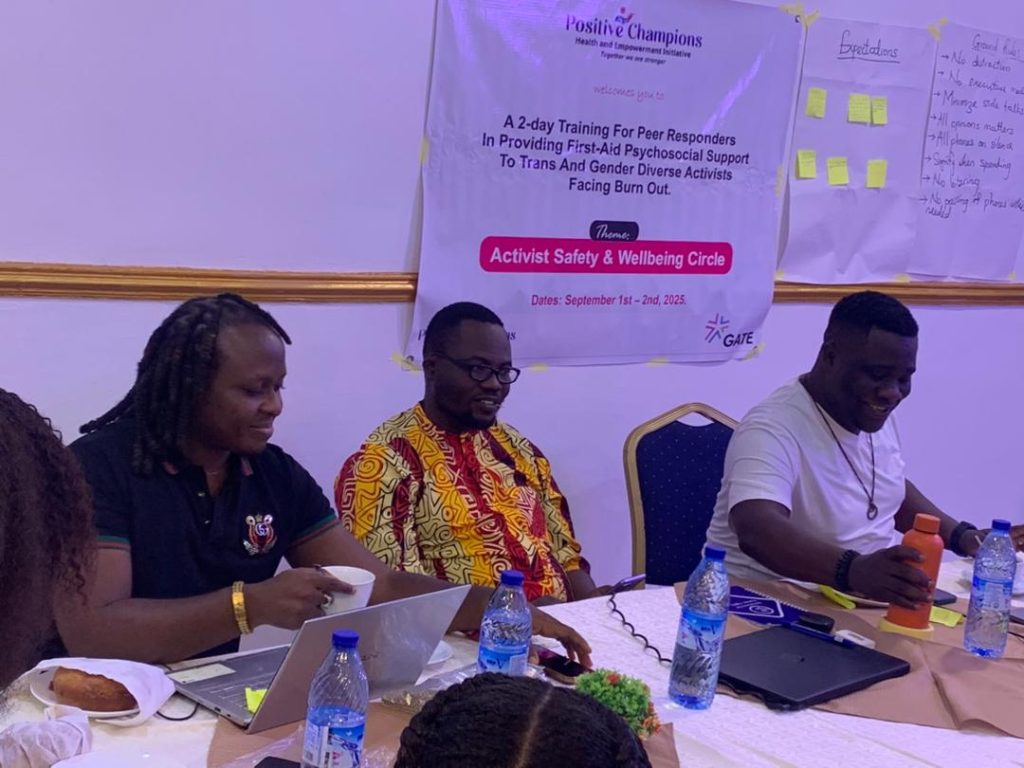
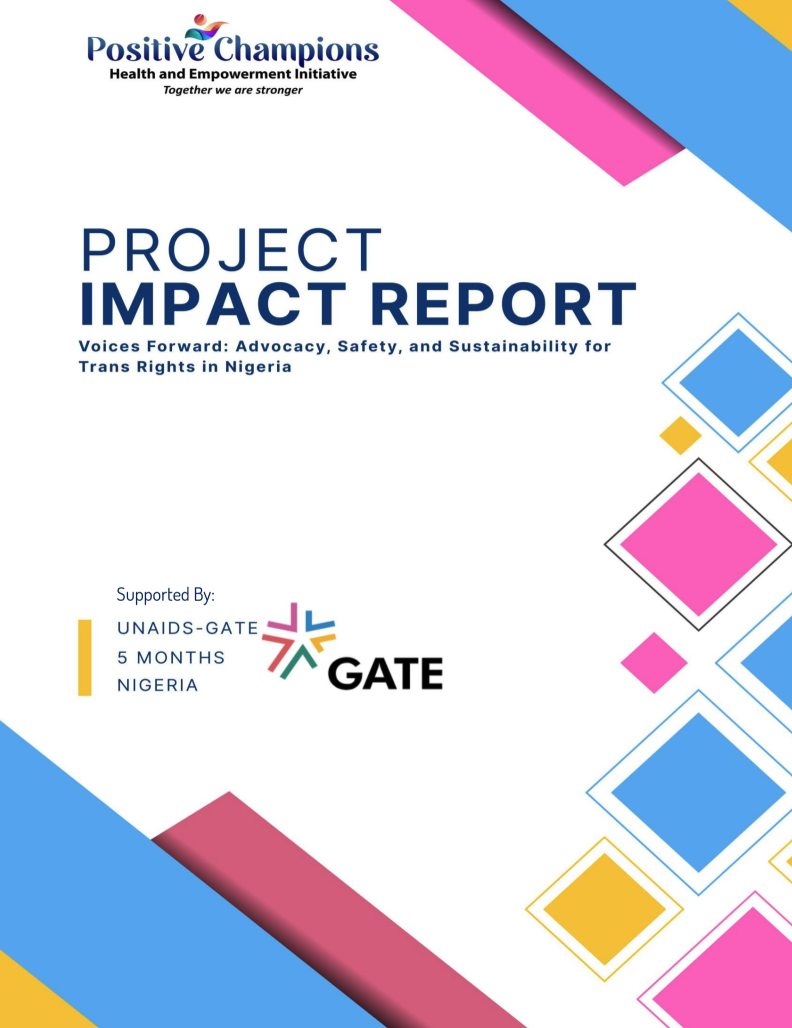
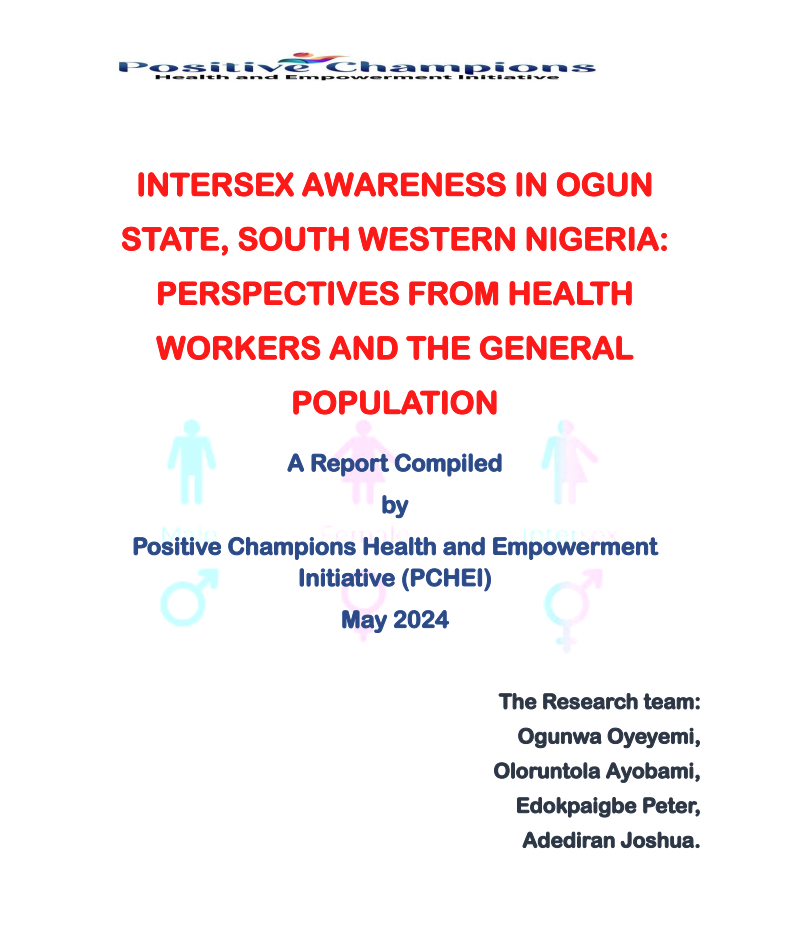
Founded in Nigeria in November 2022 by Yemi Ogunwa, Positive Champions Health and Empowerment Initiative (PCHEI) works with trans, intersex and gender diverse persons in the fields of capacity building, mental health services, human rights intervention and advocacy, healthcare access and community research. PCHEI is dedicated to advancing health equity and environmental sustainability across Nigeria. Their programmes are designed to empower individuals, transform communities, and inspire positive action toward a healthier, cleaner, and more resilient future. The organisation was registered on 30 May 2024.
رؤية
To have a society where indigent, vulnerable and marginalised persons, thrive in a positive and inclusive environment, with their health, rights, and well-being respected and protected.
مهمة
To champion collaboration with relevant stakeholders to ensure the wellbeing of indigent, vulnerable and marginalised persons through advocacy, capacity building, empowerment, mental, sexual and reproductive health service delivery and to create a positive environment for them to thrive.
الأهداف
To advocate for the social and mental health rights and protection of indigent, vulnerable and marginalised persons.
To contribute to the HIV/AIDS response and community mobilization efforts, focusing on outreach programmes and support services.
To contribute to advocacy in executing laws and policies that protects rights of indigent, vulnerable and marginalised persons.
To collaborate with like-minded organizations to address sexual and mental health needs, empower young community members through skills acquisition programs, conduct and publish research to inform advocacy initiatives for indigent, vulnerable and marginalised persons
Strategic Goals
To empower indigent, vulnerable and marginalized persons, through education, skill development, mentorship, and leadership training.
To influence legislative changes and policy reforms that promote the rights and well-being of indigent, vulnerable and marginalised persons.
To promote the well-being and positive mental health of indigent, vulnerable and marginalised persons.
Actively promoting the inclusion and participation of indigent, vulnerable and marginalised persons in community and societal spaces, program design, and decision-making processes.
To conduct research and gather data on the unique challenges and needs of indigent, vulnerable and marginalised persons, and use this information to inform advocacy efforts and policy changes.
To foster collaborative relationships with stakeholders, partners, and communities to strengthen the impact and reach of the organisation.
Focus/Thematic Areas
Comprehensive healthcare: PCHEI collaborates with healthcare providers to ensure that indigent, vulnerable and marginalised persons have access to quality and gender-affirming healthcare services. The organisation also conducts health awareness campaigns and provide resources to help our communities make informed decisions about their health.
Mental health and psychosocial support: The organisation offers counselling and support groups and provides sensitisation around the recognition and destigmatisation of mental health issues within the communities they serve.
Advocacy and human rights: PCHEI engages in targeted advocacy campaigns, lobbying efforts, and policy analysis to challenge discriminatory practices, social and climate injustice, and promote inclusive policies. The organisation aims to influence legislative changes that enhance the rights and well-being of our communities. PCHEI conducts public awareness campaigns and training programs to combat stigmatisation and prejudice, as well as strives to foster a society that respects and embraces diversity.
Community research: The organisation conducts esearch to gather data on the unique challenges and needs of gender and sexual minorities and women. This research informs PCHEI’s advocacy efforts and helps them shape policies that benefit the communities they serve. They also publish research findings and share the knowledge they’ve gathered.
Human rights and gender-based violence intervention: PCHEI focuses on sensitisation and provides paralegal services.
Sexual and reproductive health: PCHEI provides safe and inclusive services and sexual health workshops.
Capacity building and empowerment: PCHEI offers a range of educational programmes, workshops and vocational training. They also connect individuals with mentors and networks to facilitate personal and professional growth.
November 2022 — Positive Champions Health and Empowerment Initiative (PCHEI) Founded, Nigeria Founded in Nigeria in November 2022 by Yemi Ogunwa, Positive Champions Health and Empowerment Initiative (PCHEI) works with trans, intersex and gender diverse persons in the fields of capacity building, mental health services, human rights intervention and advocacy, healthcare access and community research. […]
21 ديسمبر 2022 - الحكم على امرأة متحولة جنسياً بالسجن بتهمة المثلية الجنسية المزعومة، تونس
On 21 December 2022, a Tunisian trans woman and gay man were convicted of homosexuality under Article 230 of the Tunisian Penal Code and were sentenced to serve prison time of 1 year and 3 years, respectively.
Amnesty International’s Deputy Director for Middle East and North Africa, Amna Guellali said,
“It is appalling and unacceptable that Tunisia’s judiciary continues to interfere in people’s private lives by authorizing police to conduct arbitrary home raids permitting the prosecution of individuals on allegations related to their sexual orientation and identity. The Nabeul Appeal court should take this opportunity to repair the damage done by past violations, overturning the sentence and acquitting them would be a step in the right direction.
Article 230 which criminalizes same-sex activity is deeply homophobic and must be urgently removed from Tunisia’s Penal Code. The government should order an immediate halt of arrests and prosecutions in relation to this provision.”
This sentence was appealed on 20 February 2023 at the Nabeul Appeal Court in Tunisia. اقرأ المزيد.
Context
In Tunisia, same-sex sexual activity is prohibited under the Penal Code 1913, which criminalises acts of ‘sodomy’. The sentence for someone convicted of same-sex sexual activity is a maximum of three years’ imprisonment. (Source: Human Dignity Trust). Between September 2024 and 31 January 2025, 81 LGBTQIA+ people, mainly gay men and trans women, were arrested and unjustly prosecuted. (Source: Amnesty International).
21 December 2022 — Trans Woman Receives Prison Sentence for Alleged Homosexuality, Tunisia On 21 December 2022, a Tunisian trans woman and gay man were convicted of homosexuality under Article 230 of the Tunisian Penal Code and were sentenced to serve prison time of 1 year and 3 years, respectively. Amnesty International’s Deputy Director for […]
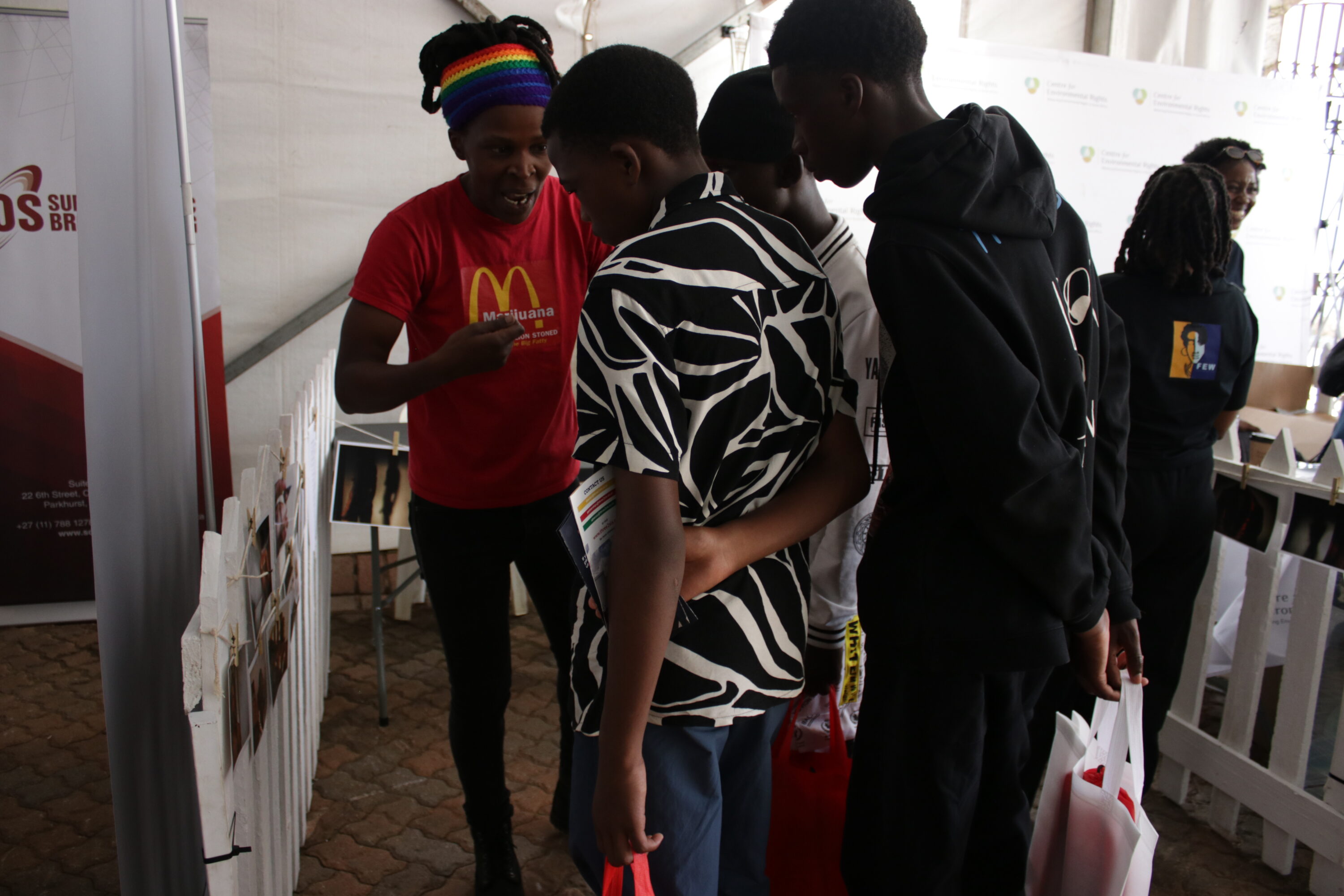
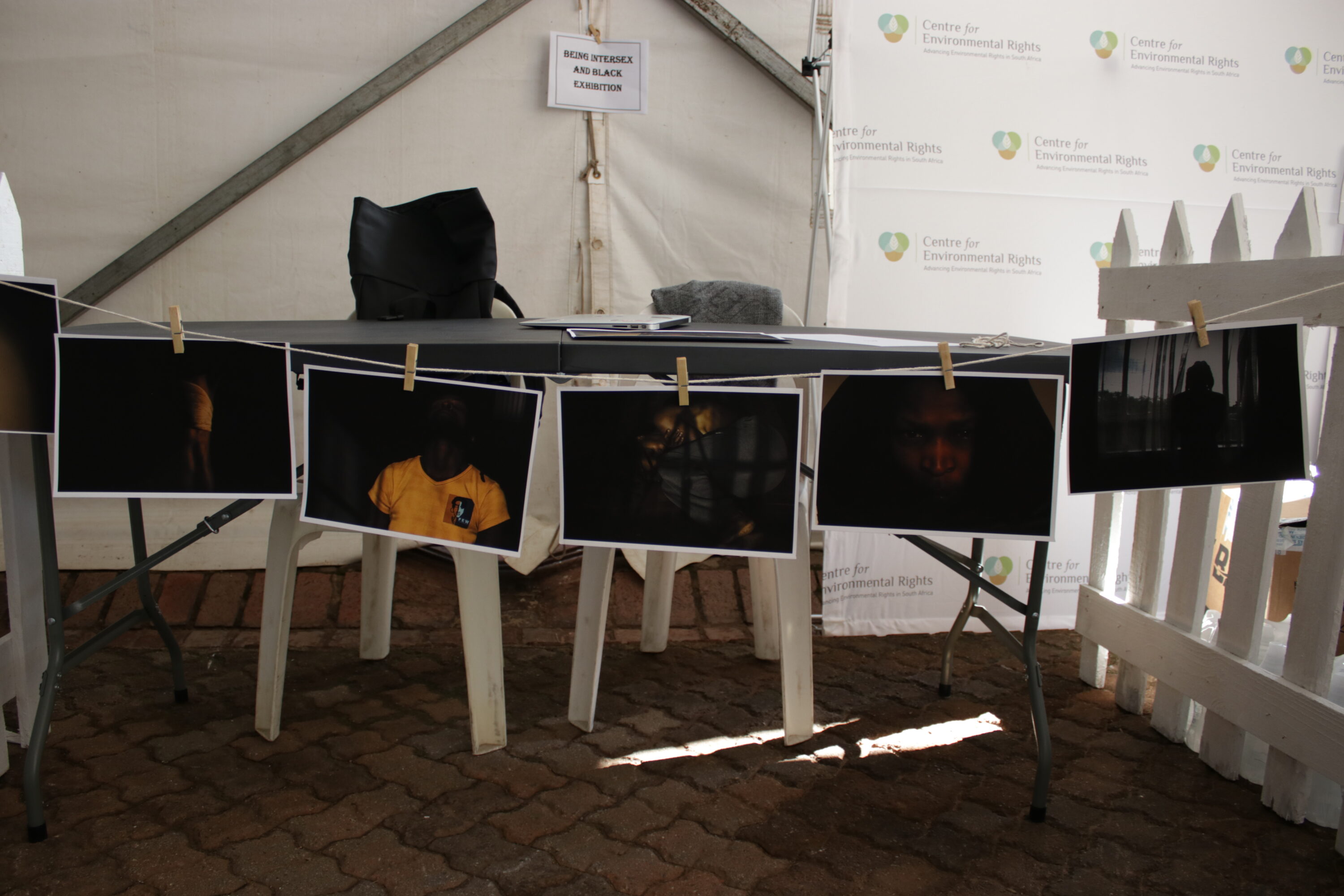
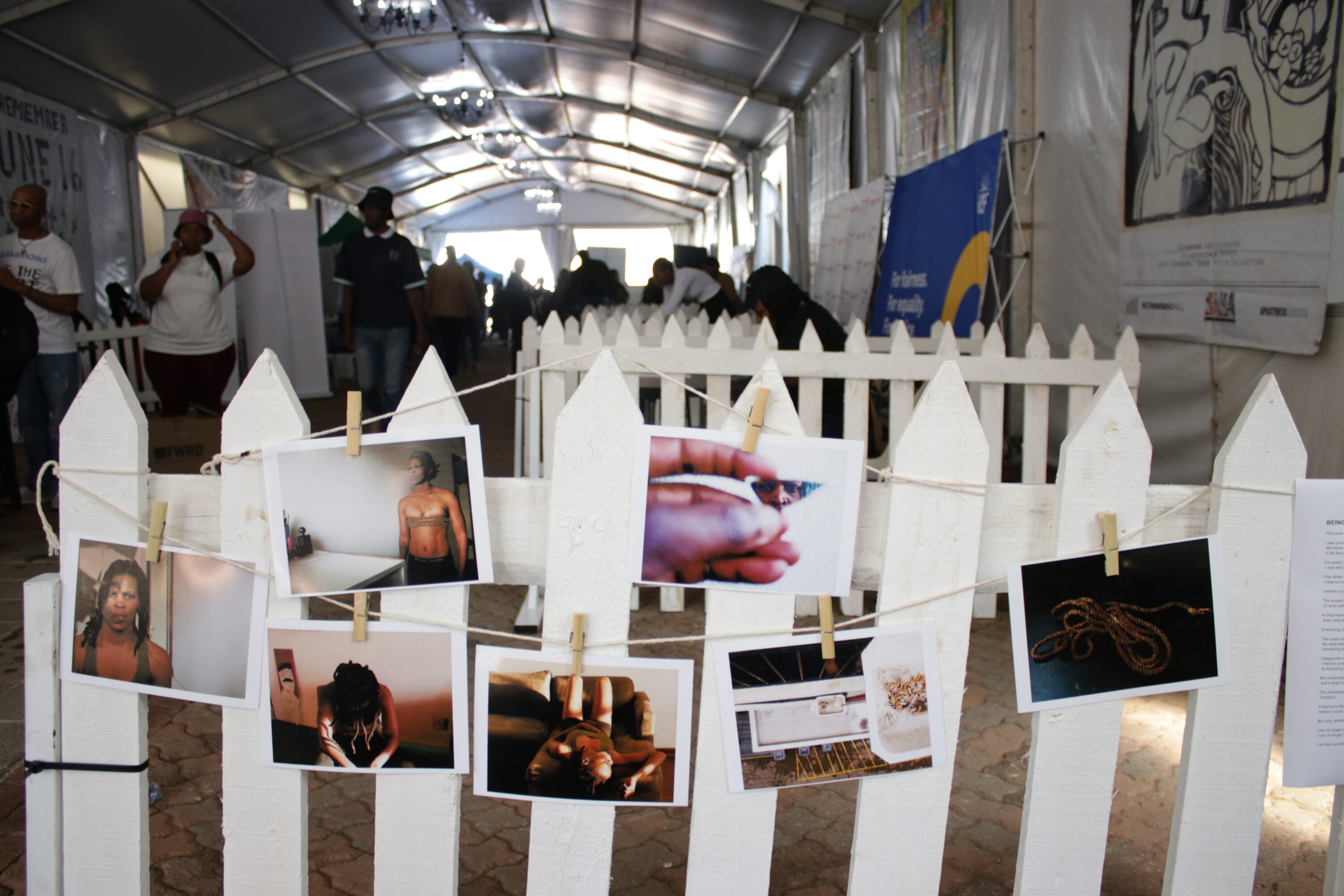
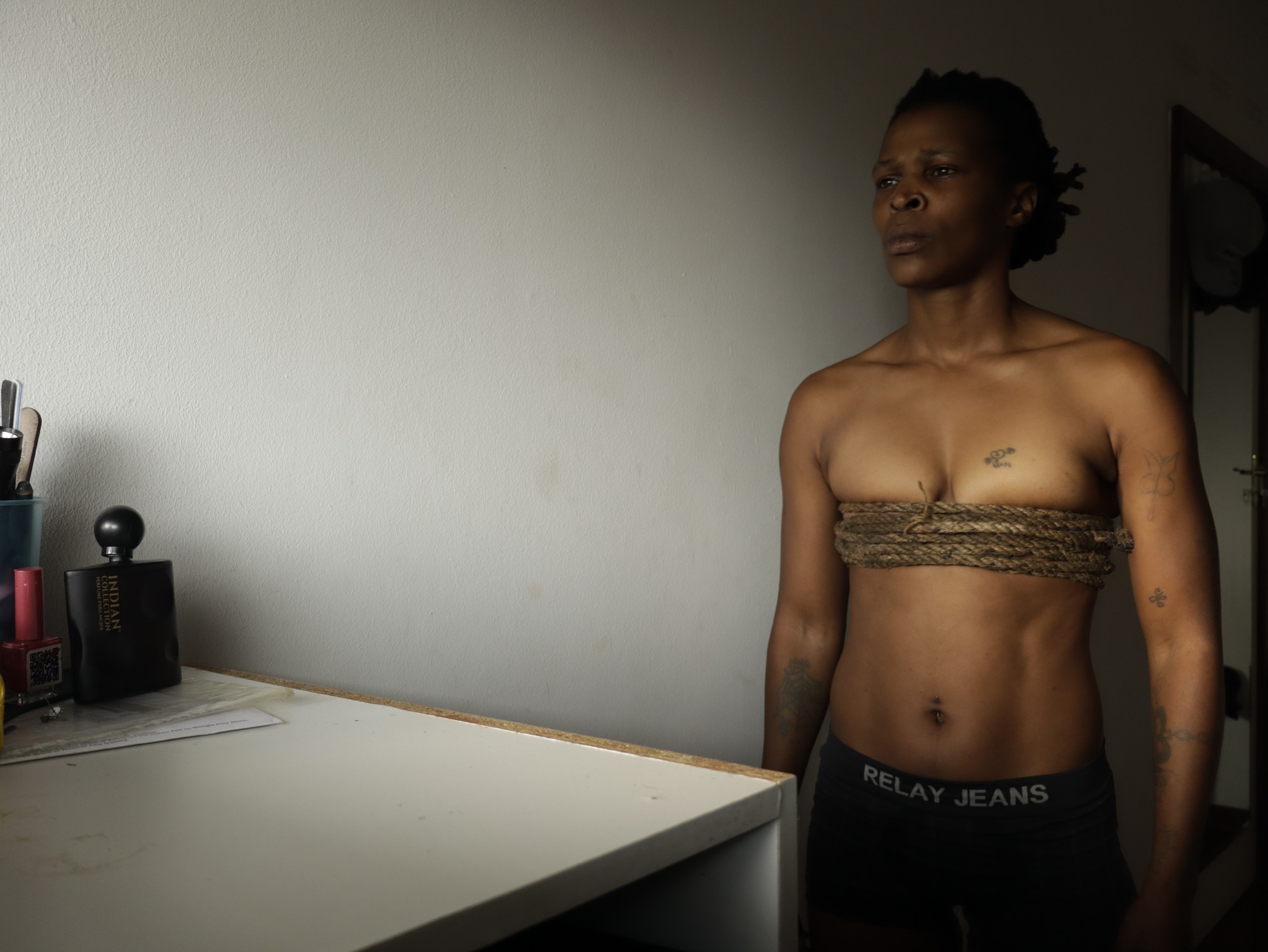
Founded in South Africa in 2023 by Ayanda (Yaya) Mqakayi, Yaya M Voices works primarily with intersex people, LGBTQIA+ communities, young people, artists, activists, and communities impacted by silence, stigma, and bodily discrimination. The organisation’s work also speaks to families, especially mothers of intersex children, through education, storytelling, and visibility. Yaya M Voices focuses on documenting and archiving intersex lives, histories, and lived experiences through photography, film, storytelling, interviews, creative activism, and community engagement. Their work challenges medical erasure, social stigma, and invisibility while preserving intersex existence through visual and historical documentation.
رؤية
A world where intersex people are fully recognised, respected, protected, and visible as part of natural human diversity, and where future generations grow up with access to truthful representation, history, dignity, and bodily autonomy.
مهمة
To create and preserve intersex-led archives, stories, and visual histories through creative documentation and advocacy. The organisation aims to reclaim narrative ownership by ensuring that intersex people speak for themselves and are represented through their own lived realities.
Goals/Objectives
To document and preserve intersex histories and lived experiences.
To create visual and educational resources about intersex existence.
To challenge stigma, discrimination, and non-consensual medical interventions on intersex bodies.
To support visibility, healing, and self-representation within intersex communities.
To build archives that future generations, researchers, families, and intersex people can access.
To contribute toward social and legal change regarding bodily autonomy and intersex rights.
Projects
Current projects include:
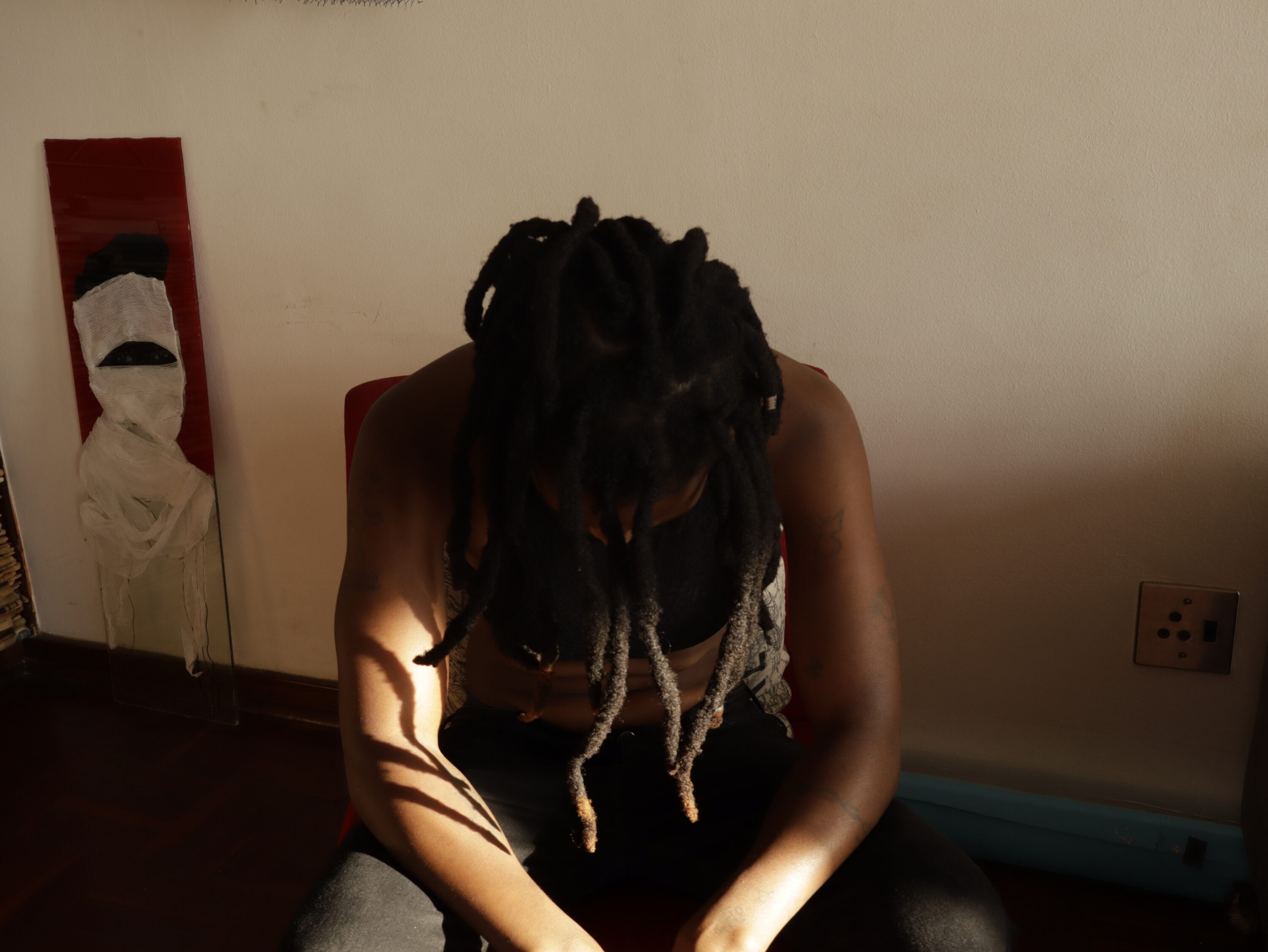
Being Intersex — a photographic body of work documenting intersex identity, embodiment, memory, scars, healing, and lived realities.
Ride for Intersex Justice — an awareness and advocacy cycling campaign focused on ending non-consensual surgeries on intersex infants and children.
Unseen Lives — a visual storytelling and documentary project focusing on hidden intersex experiences and social invisibility.
Archival Documentation — collecting oral histories, photographs, interviews, and visual records related to intersex existence and African intersex narratives.
Community Education and Visibility Work — creating conversations around bodily autonomy, identity, and intersex human rights through social media, exhibitions, public speaking, and collaborations.
2023 — Yaya M Voices Founded, South Africa Founded in South Africa in 2023 by Ayanda (Yaya) Mqakayi, Yaya M Voices works primarily with intersex people, LGBTQIA+ communities, young people, artists, activists, and communities impacted by silence, stigma, and bodily discrimination. The organisation’s work also speaks to families, especially mothers of intersex children, through education, […]
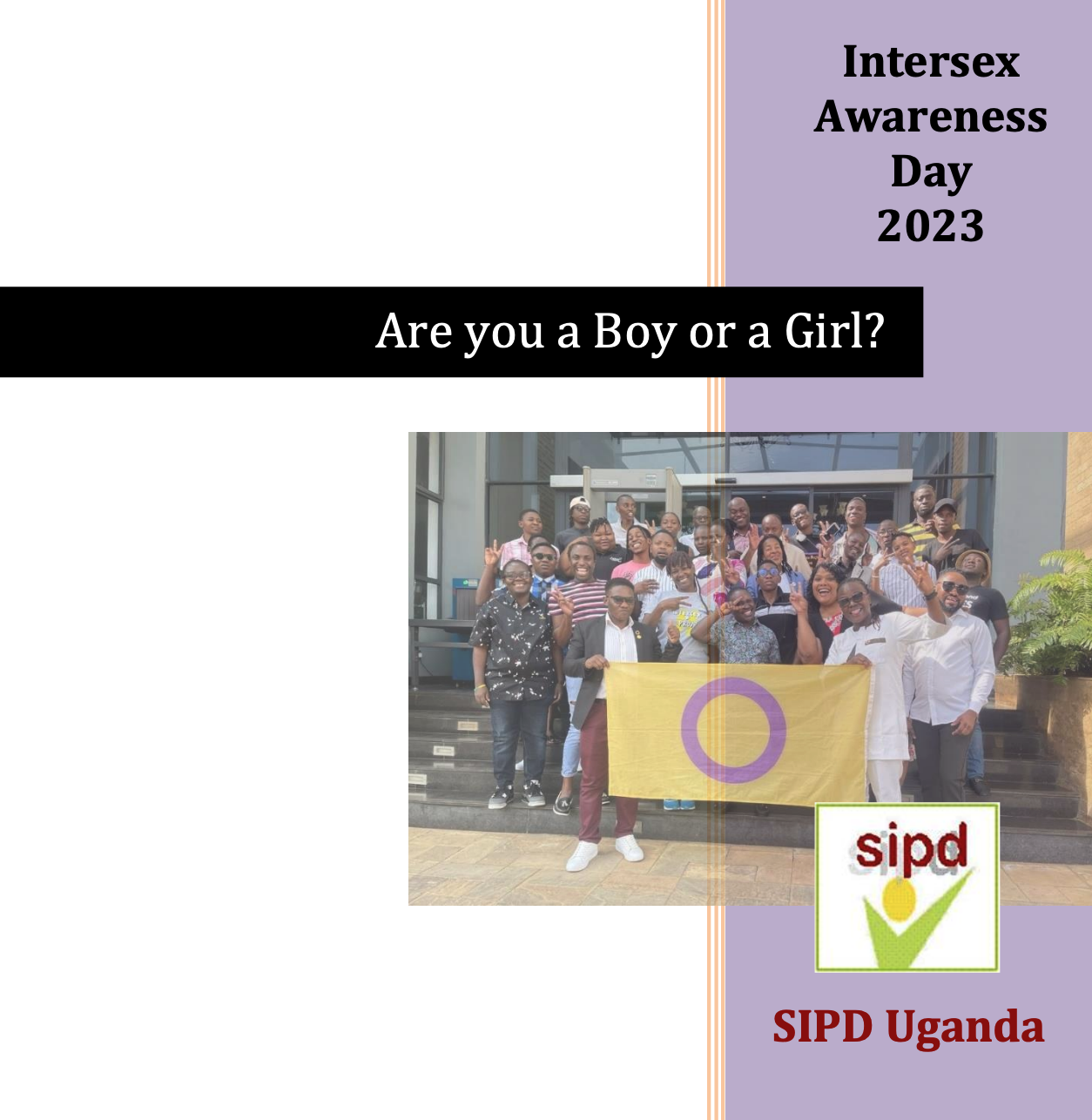
2023 — نشر كتيب "هل أنت فتى أم فتاة؟ النشأة كشخص أفريقي ثنائي الجنس" ، أوغندا
“Are you a Boy or a Girl? Growing up as an African Intersex Person” is a powerful booklet published by Support Initiative for People with Atypical Sex Development (SIPD) Uganda to commemorate Intersex Awareness Day 2023. It brings together the lived experiences of eight intersex individuals from across Africa, offering a deeply human perspective on identity, resilience and belonging. The booklet demonstrates how the neatly drawn boxes of male or female on documents are presumptuous and extremely limit the diversity of sex characteristics in humanity. It explains that intersex people are born with natural variations in their sex characteristics which may not fit the typical definitions of male or female bodies.
Through these intensely personal stories, the book highlights the realities of intersex people in Africa. Their experiences range from childhood confusion to secrecy, stigma, discrimination and harmful medical practices. Many of the stories show that understanding of who you are as an intersex person usually comes late, often after years of uncertainty. Family can be both a safe space and source of trauma. School (especially boarding school) is a major site of stigma and exposure through the bullying and lack of privacy. The tellers go on to describe difficult experiences with in their communities where misunderstanding often leads to isolation or abuse. (Cultural interpretations profoundly shape experiences).
Despite these challenges, the central message of the booklet is strength and hope. The individuals featured show remarkable resilience as they learn to accept themselves, support others and advocate for their rights. Their journeys emphasise the importance of self-love, informed decision making and the need for society to become more inclusive and informed.
Ultimately, “Are you a Boy or a Girl?” goes beyond sharing personal stories, it is a call to action. It urges readers to listen, learn and respect intersex people while promoting a broader understanding of human diversity. The booklet reminds us that everyone deserves the right exist without apology.
From the introduction to the booklet:
“An Intersex person is someone born with a reproductive or sexual anatomy that doesn’t fit the typical definitions of female or female including hormonal patterns, and/or chromosome patterns. It reflects a combination of differences in the development of a person’s internal or/and external sexual and reproductive organs. In some cases, an intersex person’s genitalia will be neither clearly male nor female. Some conditions may only become apparent when a child reaches puberty. According to the UN 0.05% and 1.7% of the population is born with intersex traits.
In recent years, awareness of intersex people and recognition of the specific human rights abuses that they face has grown thanks to the work of intersex human rights defenders, all over the world. Human Rights abuses commonly faced by Intersex people include infanticides, forced and coerced medical interventions, harmful practices, such as unsupervised cultural genital mutilations and spiritual exorcisms rampant in many parts of Africa, and other forms of stigmatization due to their physical traits.
This book documents the lived experiences of 8 amazing intersex individuals from different African countries including Uganda, Kenya, Tanzania, Malawi, Zambia and Nigeria who share their stories with the hope that their experiences will be largely disseminated and therefore deepen Africa’s understanding of intersex lives.
The book is designed in such a way that participants talk about their experiences in school, society, work, and health service centers. Stories were transcribed to compose stories that were as close to the story tellers’ own words as possible. These stories represent a wide range of experiences which we believe are representative of other intersex lived realities in Africa.
In commemoration of intersex awareness day 2023, SIPD is excited to document and share the following powerful intersex lived experiences across Africa to celebrate courage and hope and to create more awareness and visibility.”
2023 — Publication of “Are You a Boy or a Girl? Growing Up as an African Intersex Person” Booklet, Uganda “Are you a Boy or a Girl? Growing up as an African Intersex Person” is a powerful booklet published by Support Initiative for People with Atypical Sex Development (SIPD) Uganda to commemorate Intersex Awareness Day […]
Founded in Kenya in 2023 by Sheila Joy, Julie Troca, Brenda and other queer activists, Alliance Trans Shield works with vulnerable trans, non-binary, gender non-conforming, gender diverse and queer individuals, with a particular focus on asylum seekers and refugees. The organisation’s work extends to intersex people and LGBTQIA+ communities with projects specifically addressing trans and intersex needs, centering those most at risk of marginalisation, displacement, and violence. Alliance Trans Shield’s main work is survivor‑led advocacy, digital empowerment, and psychosocial support. They provide safe spaces, amplify voices through storytelling, and build solidarity networks for trans and queer refugees and asylum seekers. They also engage in regional movement‑building, resisting digital violence, and advancing sexual and reproductive health rights. The organisation has not been able to register yet due to transphobic government policies.
رؤية
A continent where trans, non‑binary, gender diverse, and intersex people live with dignity, visibility, and justice free from violence and discrimination, and empowered to shape narratives that drive transformative change.
مهمة
To harness digital power and survivor leadership in advocating for and empowering trans, non‑binary, gender diverse, and queer refugees and asylum seekers. Through campaigns, storytelling, and community driven initiatives, the organisation transforms digital spaces into platforms of protection, solidarity, and liberation.
Goals/Objectives
Provide safe housing, psychosocial support, and livelihood opportunities for queer and trans refugees.
Build solidarity networks across Africa and the Diaspora.
Resist digital violence and promote safer online participation.
Strengthen movement building by connecting organisations and activists regionally and internationally.
Advance sexual and reproductive health rights for trans and gender diverse communities.
مجالات التركيز
Digital advocacy and empowerment: Using online platforms to amplify survivor voices and resist digital violence.
Protection and safe housing: Supporting displaced trans and queer refugees with shelter and psychosocial care.
Movement building and solidarity: Strengthening networks across East Africa and the Diaspora.
Sexual and reproductive health advocacy: Promoting access to inclusive health services for trans and gender diverse communities.
Storytelling and documentation: Preserving histories and lived experiences through blogs, workshops, and collaborative archives.
Intersectional advocacy: Addressing overlapping issues of displacement, disability, gender, and sexuality in our projects.
2023 — Alliance Trans Shield Founded, Kenya Founded in Kenya in 2023 by Sheila Joy, Julie Troca, Brenda and other queer activists, Alliance Trans Shield works with vulnerable trans, non-binary, gender non-conforming, gender diverse and queer individuals, with a particular focus on asylum seekers and refugees. The organisation’s work extends to intersex people and LGBTQIA+ […]
2023 — "كوني بين الجنسين في زامبيا: مراجعة قانونية وسياسية" نُشر، زامبيا
In 2023, the United Nations Development Program (UNDP) and the Intersex Society of Zambia published a review titled ‘Being Intersex in Zambia: A Legal and Policy Review’. This Review explored the legal and policy environment in Zambia as it affects intersex people with a focus on their rights and well-being.
In the Executive Summary of the Review, the situation for intersex people in Zambia is summarised as follows:
“Intersex persons are legally ‘invisible’ in Zambia, and there is limited and insufficient research and data on the impact of laws and policies on their rights and well-being. This research found that intersex persons in Zambia face stigma, discrimination, exclusion and institutional violence, and they struggle to realize their rights, including sexual and reproductive health and rights (SRHR), and to participate in society on an equal basis.
In Zambia, the Constitution and various national laws provide for equality, non-discrimination and enjoyment of rights such as education, employment and health care without discrimination. While these rights apply equally to intersex persons, the legal protections appear to be inadequate to protect them from specific rights violations. For instance, while many laws and policies protect all people from discrimination on the basis of sex, they fail to specifically recognize and protect intersex persons as a vulnerable population or to take into account the sexual and reproductive rights and legal status of intersex persons who fall outside the binary model (of male and female), and they contain no explicit references to gender identity, gender expression or sex characteristics.
Rights violations include stigma, discrimination, violence and unfair treatment within various sectors of society, including health care, employment and education; forced and coerced medical treatment, including unnecessary gender ‘normalizing’ surgery on intersex infants without fully informed and autonomous consent; inadequate access to medical records and breaches of medical confidentiality; inadequate access to health information and services to meet their needs; and difficulties in accessing or changing identity documentation (national citizenship sex description and their passports) to reflect their sex or gender status, among other things. In addition, intersex persons struggle to access justice for rights violations.”
Legally, socially and politically, what does it mean to be intersex in Zambia? This Review takes you on a revealing journey through the country’s laws, policies and lived realities to uncover where protections exist, fall short and what can be done better. It also included a review of international, regional and Zambia’s human rights documents, guidance and protocols that impact not just on the rights of intersex persons but also relate to responses from public and private health facilities.
The Review isn’t just about identifying gaps, it’s about imagining better. It offers evidence based, home grown recommendations on how Zambia can create safer, more inclusive environments in schools, hospitals and communities.
In the Foreword to the Review by the UNDP, it states that this Review
“is the product of a highly consultative and rigorous review and provides a comprehensive overview of the policy and legal issues affecting the intersex community in Zambia. The report offers short- and medium-term recommendations and strategies to strengthen protections for the intersex community. It highlights the lack of protections for intersex infants against forced or coercive surgeries, the complex process of legal gender recognition, and the challenges of accessing health and education services.”
In the Intersex Society of Zambia’s Foreword to the Review, they acknowledge the progress made by the Review, but write
“Although we acknowledge the progress made, there is still much work to be done to fully ensure our rights. In Zambia, those who are intersex are subjected to marginalization, societal judgment and mistreatment, as well as violations of their human rights across all aspects of life. For many, receiving legal recognition for their sex or gender remains a major obstacle.
We continue to call for the government to take concrete measures to uphold the rights of intersex persons and provide protection from abuse. This entails putting in place appropriate inclusive legal and policy frameworks aimed at protecting intersex persons from discrimination on the grounds of sex characteristics, including in access to health care, education, employment, sports and in obtaining official identity documents. The government needs to lead in raising awareness of the rights of intersex people; combating the root causes of these violations, such as harmful stereotypes, stigma and pathologizing of intersex persons; providing training to health professionals and public officials, including legislators, the judiciary and policymakers; and ensuring that adult intersex persons decide whether they wish to modify the appearance of their own bodies, and children are allowed to make an informed decision for themselves at the appropriate age. Access to medical services that respond to their specific health needs based on non-discrimination, informed consent, and respect for their fundamental rights, is a must.
We are making an urgent appeal to the Government of Zambia to prohibit all unnecessary cosmetic medical surgeries and hormonal procedures on intersex children unless there is a major threat to the life of the intersex minor as evidenced with other intersex variations. It is imperative that we uphold the autonomy of intersex adults and children and their right to health, to physical and mental integrity, to live free from violence and harmful practices, and to be free from torture and ill-treatment. Intersex children and their parents should be provided with support and counselling, including by peers.
It is our sincere hope that the Government of Zambia will follow the example of the Government of Kenya, which is considered a benchmark in incorporating intersex individuals into the country’s national statistics census and civic registration systems as full-fledged citizens, particularly in the Registration of Births and Deaths. This includes the adoption and domestication of Resolution 552 and the commitment to implement crucial recommendations outlined in this report.”
2023 — ‘Being Intersex in Zambia: A Legal and Policy Review’ Published, Zambia In 2023, the United Nations Development Program (UNDP) and the Intersex Society of Zambia published a review titled ‘Being Intersex in Zambia: A Legal and Policy Review’. This Review explored the legal and policy environment in Zambia as it affects intersex people […]
30 يناير 2023 — مراجعة كتاب: "تصور بين الجنسين الأفريقي"، بقلم أماندا لوك سوار
“Envisioning African Intersex: Challenging Colonial and Racist Legacies in South African Medicine” by Amanda Lock Swarr (Associate Professor, Gender, Women & Sexuality Studies, University of Washington) was published 30 January 2023 and is a groundbreaking work that challenges entrenched scientific and social norms about intersex individuals, particularly within the context of South Africa. Swarr meticulously deconstructs the historical and contemporary narratives surrounding intersex bodies, highlighting how these narratives are steeped in colonialism, racism, and gender binaries. The book is divided into several chapters, each focusing on different aspects of intersex representation and activism, with a strong emphasis on the voices and experiences of intersex individuals themselves.
The book and any of its chapters are available as a free download
Critical Analysis of Scientific Definitions of ‘Intersex’
The book opens with a critical examination of how scientific definitions of intersex have historically pathologised and categorised intersex bodies. Swarr points out that intersex has been subjected to an extensive range of taxonomic and medical definitions, often used to enforce binary gender norms. She emphasises the problematic nature of these definitions, which date back to the early 1800s and became widely adopted by medical professionals in the 1950s. Swarr quotes Iain Morland, who argues that scholarly and popular considerations of intersex often start with statistics, giving a false impression that the “truth” of bodies can be separated from discourse. Instead, Morland suggests exploring “how and why knowledge about intersex is produced”.
Swarr introduces the concept of “citational chains,” which she defines as references that build on each other to create truth claims despite the fundamentally flawed foundations of the original works cited. These chains perpetuate erroneous observations by colonial explorers and scientists, linking “hermaphroditism” and intersex with blackness and spreading these ideas across academia, popular culture, journalism, and social media
Colonial Roots of Intersex Representations
The second chapter delves into the colonial roots of intersex representations, focusing on how colonial explorers and scientists constructed narratives around the “Hottentot apron” and other racialised body features. Swarr argues that Africa was positioned at the bottom of the hierarchy in the citational chain of explorers’ and scientists’ imaginations. She illustrates how British physicians like George Blacker and William Lawrence played a significant role in erasing the history and memory of European hermaphroditism, thus valorising European bodies and reinforcing racial hierarchies.
Swarr’s analysis highlights the importance of understanding the historical context in which these scientific narratives were formed and how they continue to impact contemporary perceptions of intersex individuals. By exposing the colonial underpinnings of these narratives, she challenges readers to reconsider the legitimacy and motivations behind them.
Sally Gross
The third chapter focuses on Sally Gross, a prominent South African intersex activist and founder of the first intersex rights organisation in Africa, whose life and work epitomised the struggle against medical violence and social exclusion. Gross’s activism was deeply rooted in her anti-apartheid efforts, and she consistently linked the fight against apartheid with the struggle for intersex rights. Swarr provides a detailed account of Gross’s efforts to challenge the theories of scientists like John Money and H. J. Grace, as well as her critique of the medical protocols that pathologized intersex bodies.
Gross’s activism was characterised by her insistence on the acceptance of the body as it is, without the need for conformity to binary gender norms. In her unpublished work, she reflects on her life and the challenges she faced:
“When it became increasingly clear that what I am challenges the dichotomy, it is almost as if I was seen as threatening the very order of creation. I was no longer seen as a legitimate inhabitant of a shared social and moral world”.
The book also delves into the racial categorisations used by Grace and others, which were deeply entrenched in apartheid logic. Grace’s detailed taxonomy of intersex conditions and his simplistic definition of race reflect the scientific racism of his time. He described South Africa as having “four well-defined population groups: Caucasoids, Negroids, Asiatics, and a mixed race of all three, the Coloureds”. This categorisation was used to justify the racial hierarchies and segregation policies of apartheid.
Swarr challenges these outdated notions, arguing for a more nuanced understanding of intersex variations that transcends racial and colonial boundaries. Her work underscores the need to decolonise medical protocols and embrace a more inclusive and intersectional approach to intersex studies.
Caster Semenya
The final chapter examines the case of Caster Semenya, a South African runner who has been subjected to intense scrutiny and invasive gender verification testing. Semenya’s treatment by sporting authorities and the media highlights the ongoing intersection of racism, colonialism, and gender policing. Swarr argues that Semenya’s experiences are emblematic of the broader issues faced by intersex and gender-nonconforming individuals, particularly in the Global South.
Swarr discusses how Semenya and her supporters have used social media campaigns, such as #HandsOffCaster, to challenge the racist and exclusionary practices of institutions like the International Association of Athletics Federations (IAAF). These campaigns have played a crucial role in raising awareness about the injustices faced by Semenya and other athletes subjected to gender testing.
Semenya’s case underscores the need for decolonising gender testing and embracing a more inclusive understanding of gender diversity. Her resilience in the face of institutional racism and sexism serves as a powerful example of the broader fight for intersex rights and recognition.
Conclusion
“Envisioning African Intersex” is a powerful and thought-provoking work that sheds light on the complex and often painful realities faced by intersex individuals. Amanda Lock Swarr’s meticulous research and insightful analysis provide a comprehensive understanding of the ways in which colonialism, racism, and gender binaries have shaped and continue to shape the lives of intersex people. By centring the voices and experiences of intersex activists like Sally Gross and Caster Semenya, Swarr not only exposes the historical injustices but also celebrates the resilience and agency of those who refuse to be defined by oppressive norms.
This book is an essential for anyone interested in intersex rights, gender studies, African studies, or the history of medicine. It challenges one to question one’s assumptions about gender and sex and to recognise the profound impact of colonial legacies on contemporary understandings of the body. Through its rigorous scholarship and compelling narratives, “Envisioning African Intersex” offers a vision of a more inclusive and just world, where all bodies are accepted and valued as they are.
Swarr negotiated with DUKE university that this book be available FREE of charge online. Chapters or the entire book can be downloaded. The income generated from books that are purchased are donated to Intersex South Africa (ISSA), the organisation founded by Sally Gross.
Video Interview with Amanda Lock Swarr About the Book
As part of the Knowing Africa Seminar Series, Amanda Lock Swarr discusses the book in the video below with Ann Cvetkovich (Professor, Feminist Institute of Social Transformation, Carleton University), Zethu Matebani (sociologist, activist, writer, documentary film maker, Professor and South Africa Research Chair in Sexualities, Genders and Queer Studies at the University of Fort Hare), and Jabu Pereira (Founder of IRANTI).
This review was written by our content contributor, Delphine Barigye
30 January 2023 — Book Review: “Envisioning African Intersex”, by Amanda Lock Swarr “Envisioning African Intersex: Challenging Colonial and Racist Legacies in South African Medicine” by Amanda Lock Swarr (Associate Professor, Gender, Women & Sexuality Studies, University of Washington) was published 30 January 2023 and is a groundbreaking work that challenges entrenched scientific and social […]
The Act prescribes life imprisonment for sex between two people of the same biological sex and the death penalty for “aggravated homosexuality”. The latter offence includes “serial offenders”, same-sex rape, sex in a position of authority or procured by intimidation, sex with persons older than seventy-five, sex with the disabled and mentally ill, and homosexual acts committed by a person with a previous conviction of homosexuality. Further, under its provisions, the promotion (including normalisation) of homosexuality is punishable by imprisonment for up to 20 years and fines. اقرأ المزيد.
Tranz Network Uganda‘s Williams Apako speaks about the impact on trans people of this Act and the work that he has done:
26 May 2023 — Anti-Homosexuality Act, 2023 Signed into Law, Uganda Following the overturning of the Anti-Homosexuality Act of 2014, the Anti-Homosexuality Act, 2023 was signed into law on 26 May 2023. The Act prescribes life imprisonment for sex between two people of the same biological sex and the death penalty for “aggravated homosexuality”. The latter offence includes “serial […]
12 يونيو 2023 - تأسيس منظمة كاجيادو الشمالية للتمكين والتوعية بالرعاية الاجتماعية (KNESWO)، كينيا
Founded on 12 June 2023 by Kyazze Arnold and Nyombi Enoch, Kajiado North for Empowerment and Social Welfare Outreach (KNESWO) works with queer refugees, gender diverse migrant sex workers, and trans sex workers. Since its establishment, KNESWO has been at the forefront of advocating for the rights of marginalised queer refugee sex workers in Kenya. The organisation has provided critical support through legal aid, mental health services, and community empowerment programmes. Through its advocacy efforts, KNESWO has increased awareness about the discrimination and violence faced by its members and has successfully mobilised resources to create safer spaces for queer and trans sex workers.
رؤية
A world where marginalised queer refugees, gender-diverse migrant sex workers, and trans sex workers are respected, empowered, and free from stigma. We celebrate diversity as the strength of our community, ensuring equal access to opportunities, rights, and safety for all.
مهمة
To empower and unite marginalised queer refugees, gender-diverse migrant sex workers, and trans sex workers by fostering safety, advocacy, and leadership. KNESWO builds an inclusive community that celebrates diversity in culture, gender, and background, ensuring access to resources, rights, and support.
Goals
Provide mental health and psychosocial support, including counselling and group therapy.
Advocate for policy reforms and challenge stigma affecting queer refugee and migrant sex workers.
Offer legal and protection empowerment for members facing discrimination or legal challenges.
Facilitate health interventions through access to SRHR education and preventive healthcare.
Conduct research and documentation to inform advocacy and policy change.
Build a strong movement for marginalised communities, focusing on leadership and resilience.
12 June 2023 — Founding of Kajiado North for Empowerment and Social Welfare Outreach (KNESWO), Kenya Founded on 12 June 2023 by Kyazze Arnold and Nyombi Enoch, Kajiado North for Empowerment and Social Welfare Outreach (KNESWO) works with queer refugees, gender diverse migrant sex workers, and trans sex workers. Since its establishment, KNESWO has been […]
7 سبتمبر 2023 — تأسيس مبادرة حقوق صحة الشباب وتمكين التعليم (IYHREE)، نيجيريا
Founded on 7 September 2023, Initiative for Youth Health Rights and Education Empowerment (IYHREE) is an unregistered organisation with the goal to improve the quality of life of LGBTQI, specifically trans, intersex and gender non-conforming, youth in northern Nigeria by providing them with the tools they need to make informed decisions about their health and wellbeing, and by advocating for their human rights. The organisation was founded by Mx Cookie, Juju Bee and Kira Earl La Posh. Kira is the current Executive Director.
رؤية
To create an inclusive and supportive environment where young LGBTQI, specifically trans, intersex and gender non-conforming individuals can freely express themselves, access education and healthcare services, and thrive without discrimination or harassment.
مهمة
To educate and empower LGBTQI, specifically trans, intersex and gender non-conforming youth in northern Nigeria by promoting health rights and education and specifically advocating for their equal rights in the society.
Projects
One of IYHREE’s projects is the in-person focus group and survey launched in partnership with ReportOUT. The focus group discussion took place in Northern Nigeria (Kaduna State), with the aim of gathering feedback and insights from these marginalised communities about their access to healthcare services. This collaboration focuses on addressing the healthcare needs of trans, intersex, and nonbinary individuals in Nigeria, with a goal of advocating for better access to quality care for these marginalised communities. Through this partnership, both organisations are working towards promoting inclusivity and equality in healthcare services for all individuals. The focus group discussion provided a platform for members of the trans, intersex, and nonbinary communities to share their stories, voice their concerns, and discuss potential solutions to improve access to healthcare services.
The online survey conducted was designed to collect information on the experiences and challenges faced by trans, intersex, and nonbinary individuals when seeking healthcare services. It covers a range of topics, including discrimination, lack of access to gender-affirming care, and barriers to receiving quality healthcare services.
The data collected from the survey and focus group discussion will be analysed and used to inform advocacy efforts aimed at addressing the systemic barriers that prevent trans, intersex, and nonbinary individuals from accessing quality healthcare services in Northern Nigeria. This information will also be used to develop recommendations for policymakers, healthcare providers, and other stakeholders to improve healthcare access and outcomes for these communities.
According to Kira, IYHREE’s Executive Director,
“The partnership between IYHREE and ReportOUT represents a significant step towards advancing the rights and well-being of the trans, intersex, and nonbinary communities in Northern Nigeria. By listening to their voices and experiences, we can work towards creating a more inclusive and equitable healthcare system that meets the needs of all individuals, regardless of their gender identity.”
7 September 2023 — Founding of Initiative for Youth Health Rights and Education Empowerment (IYHREE), Nigeria Founded on 7 September 2023, Initiative for Youth Health Rights and Education Empowerment (IYHREE) is an unregistered organisation with the goal to improve the quality of life of LGBTQI, specifically trans, intersex and gender non-conforming, youth in northern Nigeria […]
2024 — Création du programme Vatana Spectrum, Madagascar / Vatana Spectrum Programme Created, Madagascar
Créée en 2024 à Madagascar par le Malgache AL Andrianjafy, activiste queer et neurodivergent Malagasy, Vatana Spectrum travaille principalement avec les personnes intersexes malgaches, en particulier les plus marginalisées, ainsi qu’avec leurs familles, les professionnel·les de santé, les journalistes, les éducateur·ices et les communautés locales. Vatana Spectrum agit pour la reconnaissance, le respect et la dignité des personnes intersexes à Madagascar. Nous construisons une communauté, produisons des données locales, facilitons l’accès à des soins adaptés, offrons un soutien psychologique, et menons des actions de plaidoyer pour une transformation durable. Vatana Spectrum est un programme sous l’égide de Queer Place, cofondé par AL Andrianjafy.
Created in 2024 in Madagascar by Malagasy AL Andrianjafy, a queer and neurodivergent activist, Vatana Spectrum works primarily with Malagasy intersex people, particularly the most marginalised, as well as their families, healthcare professionals, journalists, educators, and local communities.Vatana Spectrum works for the recognition, respect, and dignity of intersex people in Madagascar. They build community, produce local data, facilitate access to appropriate care, offer psychological support, and lead advocacy efforts for sustainable transformation.Vatana Spectrum is a programme under the umbrella of Queer Place, which was co-founded by AL Andrianjafy.
La Vision / رؤية
Un Madagascar où les personnes intersexes sont respectées, soutenues et soignées dignement, avec des droits pleinement reconnus.
A Madagascar where intersex people are respected, supported and treated with dignity, with fully recognised rights.
مهمة
Transformer la vie des personnes intersexes à Madagascar grâce à un accompagnement humain, une meilleure information, des soins respectueux, un plaidoyer solide et une communauté forte et solidaire.
To transform the lives of intersex people in Madagascar through human support, better information, respectful care, strong advocacy and a strong and supportive community.
Objectifs / الأهداف
Créer un réseau de solidarité intersexe.
Collecter et produire des données sur les réalités intersexes malgaches.
Favoriser des soins médicaux adaptés, respectueux et autodéterminés.
Offrir un accompagnement psychologique aux intersexes et à leurs proches.
Sensibiliser les professionnel·les, les institutions et l’opinion publique.
Obtenir des réformes concrètes pour la protection des droits intersexes.
Create an intersex solidarity network.
Collect and produce data on intersex realities in Madagascar.
Promote appropriate, respectful, and self-determined medical care.
Provide psychological support to intersex people and their loved ones.
Raise awareness among professionals, institutions, and the public.
Obtain concrete reforms to protect intersex rights.
2024 — Création du programme Vatana Spectrum, Madagascar / Vatana Spectrum Programme Created, Madagascar Créée en 2024 à Madagascar par le Malgache AL Andrianjafy, activiste queer et neurodivergent Malagasy, Vatana Spectrum travaille principalement avec les personnes intersexes malgaches, en particulier les plus marginalisées, ainsi qu’avec leurs familles, les professionnel·les de santé, les journalistes, les éducateur·ices […]
27 فبراير 2024 — تقدم منظمة تاريخ المتحولين جنسيًا وذوي الجنسين في أفريقيا عرضًا تقديميًا حول حركات المتحولين جنسيًا وذوي الجنسين في أفريقيا لجمعية أخصائيي صحة المتحولين جنسيًا في جنوب أفريقيا (PATHSA)، جنوب أفريقيا
27 فبراير 2024 — تقدم منظمة تاريخ المتحولين جنسيًا وذوي الجنسين في أفريقيا عرضًا تقديميًا حول حركات المتحولين جنسيًا وذوي الجنسين في أفريقيا لجمعية أخصائيي صحة المتحولين جنسيًا في جنوب أفريقيا (PATHSA)، جنوب أفريقيا
On 27 February 2024, Trans & Intersex History Africa (TIHA)’s co-founder, ليزل ثيرون, delivered a presentation to the Professional Association for Transgender Health South Africa (PATHSA) on the topic of the African history of trans and intersex movements. Liesl used the opportunity to highlight the work we do at TIHA in creating a first of its kind archive of trans and intersex movements in Africa and the African Diaspora. Watch the presentation on YouTube:
27 February 2024 — Trans & Intersex History Africa Delivers Presentation on Trans & Intersex African Movements to the Professional Association for Transgender Health South Africa (PATHSA), South Africa On 27 February 2024, Trans & Intersex History Africa (TIHA)’s co-founder, Liesl Theron, delivered a presentation to the Professional Association for Transgender Health South Africa (PATHSA) […]
Mars 2024 — Inclusion Togo Créé / March 2024 — Inclusion Togo Founded, Togo
Fondée en mars 2024 par Crespille Pige, Crépine Tossou, Joyce D’Almeida and Sephora Zouzou, Inclusion Togo s’adresse aux hommes transgenres, aux femmes transgenres, aux personnes queer et intersexuées. La principale mission de l’organisation est d’assurer le bien-être des personnes trans, queer et intersexes dans un environnement sûr.
Founded in March 2024 by Crespille Pige, Crépine Tossou, Joyce D’Almeida and Sephora Zouzou, Inclusion Togo caters to trans men and trans women, queer and intersex people. The main work of the organisation is to ensure the well-being of trans, queer and intersex people in a safe environment.
الرؤية / رؤية
Un Togo inclusif et équitable ou toutes les personnes transgenres, queer et intersexe en particulier les plus vulnérables (travailleuses de sexe, personnes vivant avec le VIH, sans abri) vivent dans la dignité, jouissent de leurs droits fondamentaux et participant pleinement au développement social, économique et culturel.
An inclusive and equitable Togo where all transgender, queer and intersex people, especially the most vulnerable (sex workers, people living with HIV, the homeless), live in dignity, enjoy their fundamental rights and participate fully in social, economic and cultural development.
مهمة
Œuvrer pour l’inclusion, la protection et l’autonomisation des personnes transgenres, queer et intersexe vulnérables au Togo, à travers des actions communautaires et des plaidoyers.
To work towards the inclusion, protection and empowerment of vulnerable transgender, queer and intersex people in Togo, through community actions and advocacy.
أهداف / الأهداف
Renforcer la prévention, la prise en charge du VIH chez les personnes trans, queer et intersexe, en promouvant l’autonomisation financière chez les plus vulnérables.
Strengthening HIV prevention and care for trans, queer, and intersex people, while promoting financial empowerment among the most vulnerable.
مجالات العمل / Areas of work
Renforcement des de la prévention et prise en charge chez les personnes trans, queer et intersexe dans un contexte ou la prévalence du VIH chez les personnes transgenres est de 35%.
Renforcement de l’autonomisation financière des personnes trans, queer et intersexe.
Renforcement de l’estime de soi des personnes trans, queer et intersexe.
Strengthening prevention and care for trans, queer, and intersex people in a context where the HIV prevalence among transgender people is 35%.
Strengthening the financial empowerment of trans, queer, and intersex people.
Strengthening the self-esteem of trans, queer, and intersex people.
Mars 2024 — Inclusion Togo Créé / March 2024 — Inclusion Togo Founded, Togo Fondée en mars 2024 par Crespille Pige, Crépine Tossou, Joyce D’Almeida and Sephora Zouzou, Inclusion Togo s’adresse aux hommes transgenres, aux femmes transgenres, aux personnes queer et intersexuées. La principale mission de l’organisation est d’assurer le bien-être des personnes trans, queer […]
4 February 2022March 20227 April 202219 May 202226 July 20223 August 202223 October 2022November 202221 December 2022202320232023202330 January 202326 May 202312 June 20237 September 2023202427 February 2024March 2024
You can include information about your African Organisation/Group
There are many African organisations and individuals who over the years have contributed in invaluable ways to the story of the trans, gender diverse and intersex movements who are not yet included on our Timeline.
نريد الاعتراف بجميع المساهمات التي يمكن التحقق منها وإدراجها.
The Timeline is about your stories and voices. You can find out more about how to contribute by visiting our Contact Us page هنا.