An archive of histories/herstories/theirstories affecting and influencing the trans, gender diverse and ثنائي الجنس movements in Africa
This Timeline of our archive of histories/herstories/theirstories of the trans, gender diverse and intersex movements in Africa and in the Diaspora emerged through the grassroots experiences and memories of the contributing African activists and organisations.
It is often updated with new stories and the Timeline is continually growing.
How to navigate the Timeline
Categories are displayed alphabetically at the top of the Timeline and can be used to filter the results to focus on the research theme chosen. For example, ‘All’ will show you all topics, while ‘Intersex’ will display all entries related to intersex movements and moments.
Alternatively, use the search bar in the menu at the top and bottom of screen to find more specific information.
Categories relating to gender, sex characteristics and sexual orientation have flag icons and colour groups to visually distinguish them from one another:
All
النشطاء
الكل
الفن
ملتمسو اللجوء/المهاجرون/اللاجئون
الصوت والفيديو
Ballroom
المجتمع
المؤتمرات
التنكر عبر الملابس
Depathologisation
الشتات
Drag
أفلام
التنوع بين الجنسين
غير المطابقين للجنسين
Gender-Affirming Healthcare
الرعاية الصحية
HIV/AIDS
Homeless people
في الذكرى
ثنائي الجنسين
المقابلات
أل بي كيو
LBTI
LBTQ
التشريعات
مجتمع الميم عين قاف زائد
Media
غير ثنائي
المنظمات
People living with HIV
Persons with Disabilities
المنشورات
العمل في مجال الجنس
الرياضة
الصحة والحقوق الجنسية والإنجابية
TIHA Articles
ترانس
المتحولون جنسيًا وثنائيو الجنسين
المتحولين جنسياً
Transmasculine
Transsexual
Transvestite
شباب
December 2008 — First Trans- and Intersex-Specific Workshop Held in Africa: Eastern and Southern African Trans/Gender Identity Institute, South Africa
December 2008 — First Trans- and Intersex-Specific Workshop Held in Africa: Eastern and Southern African Trans/Gender Identity Institute, South Africa
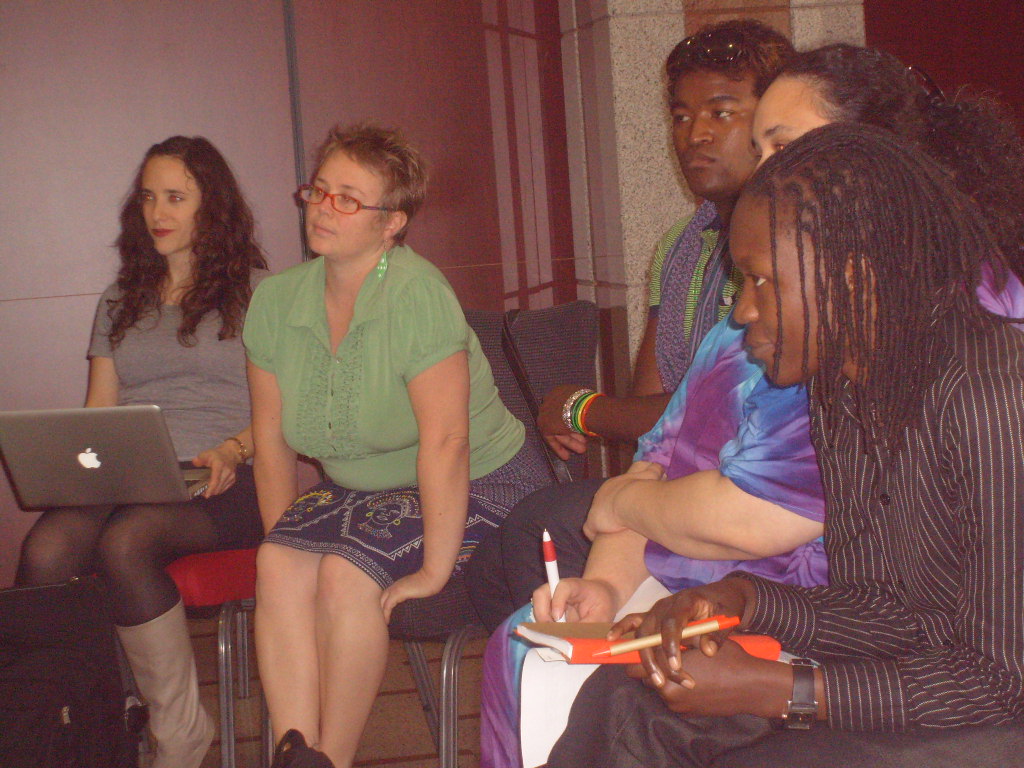
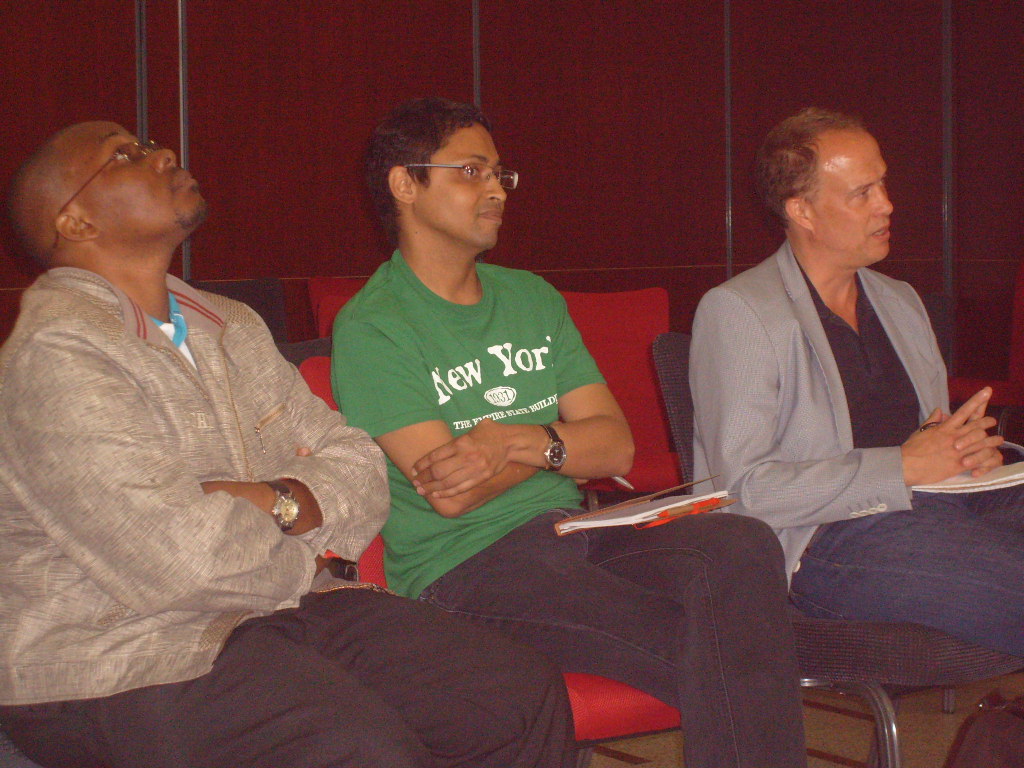
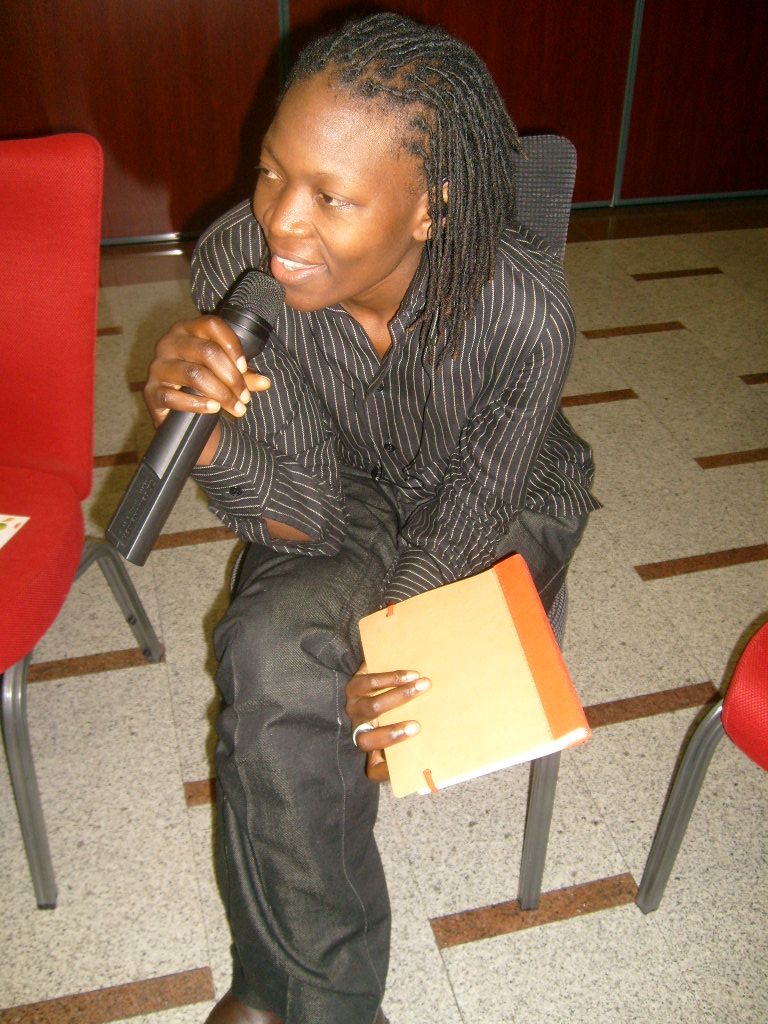
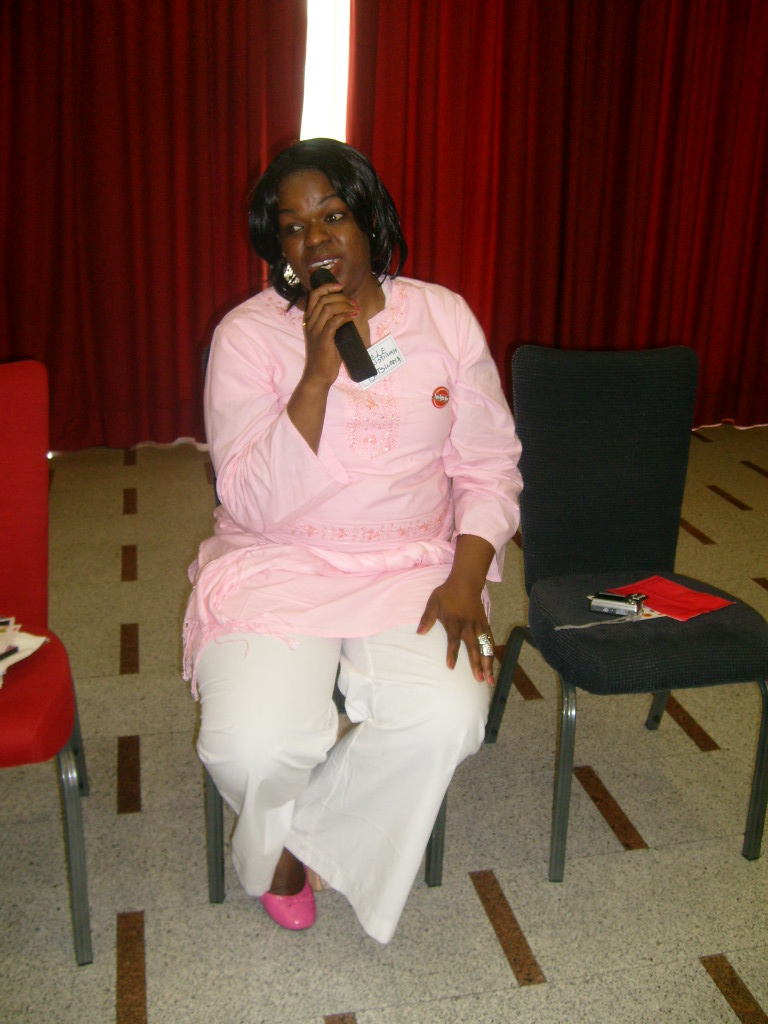
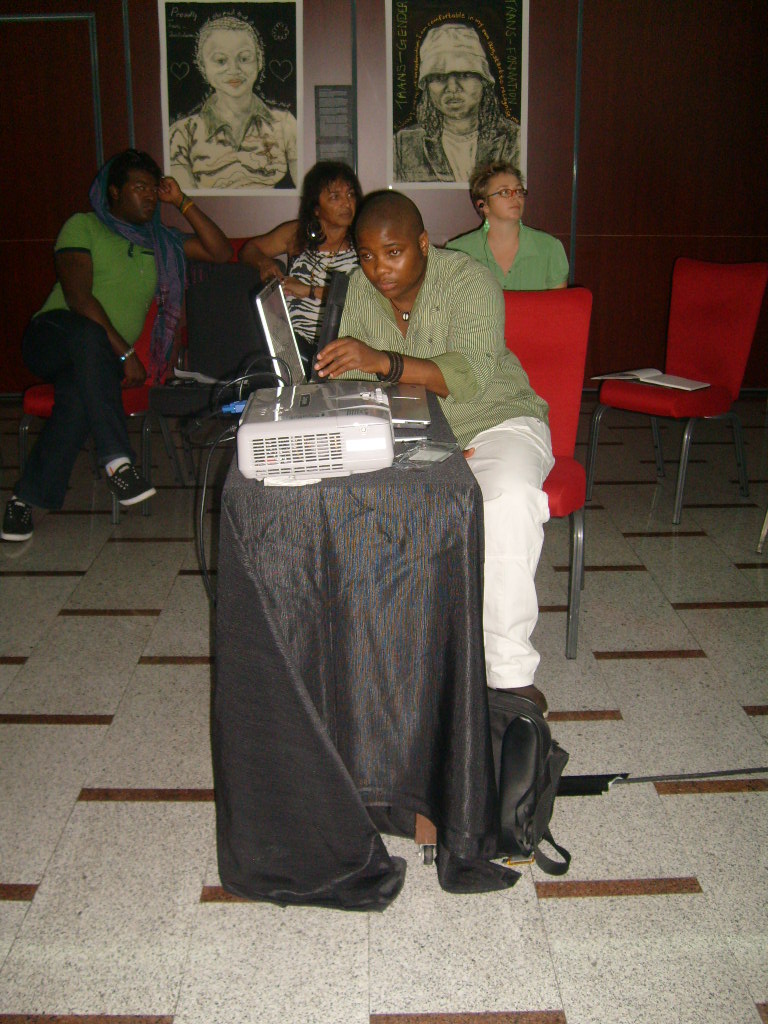
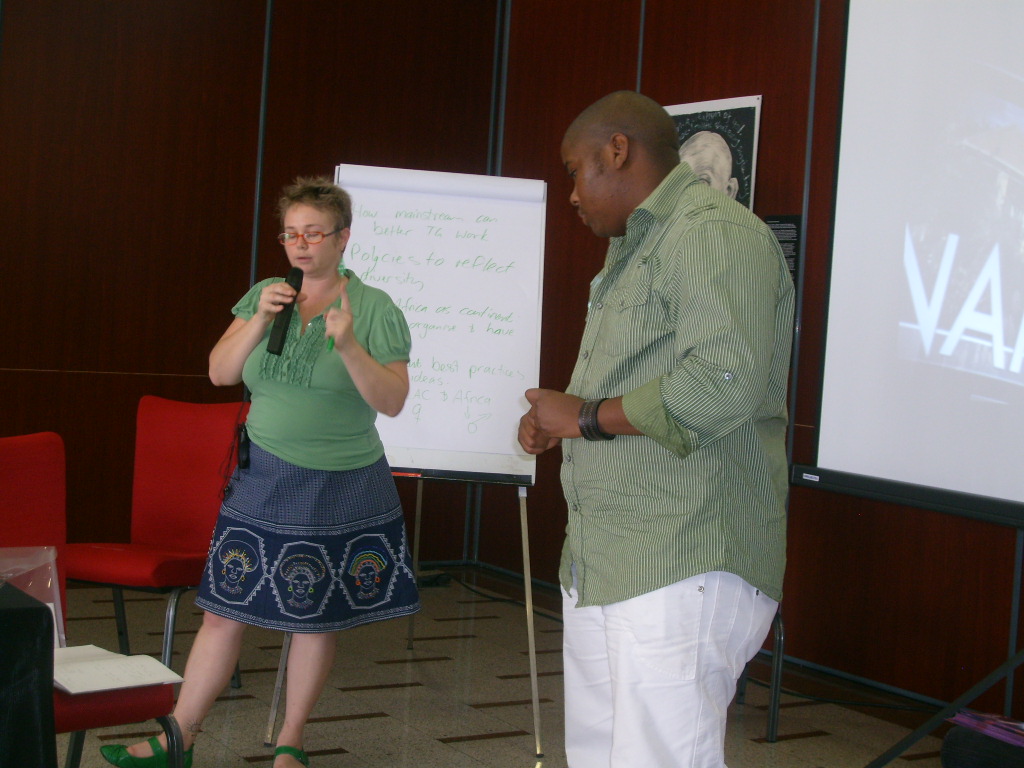
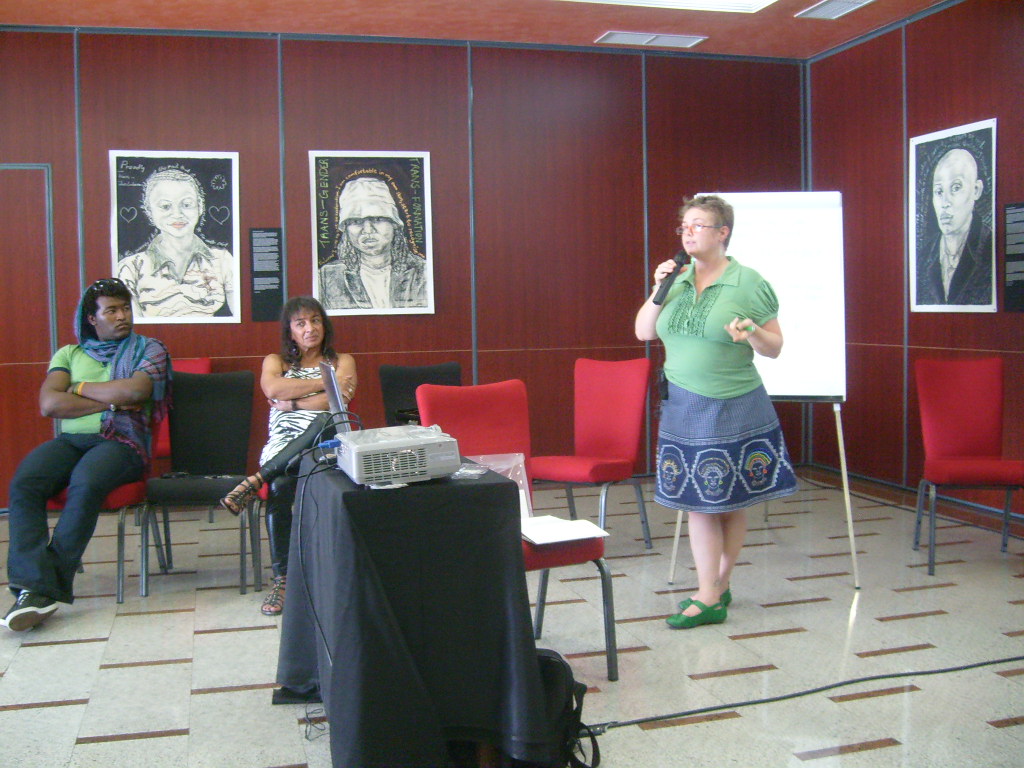
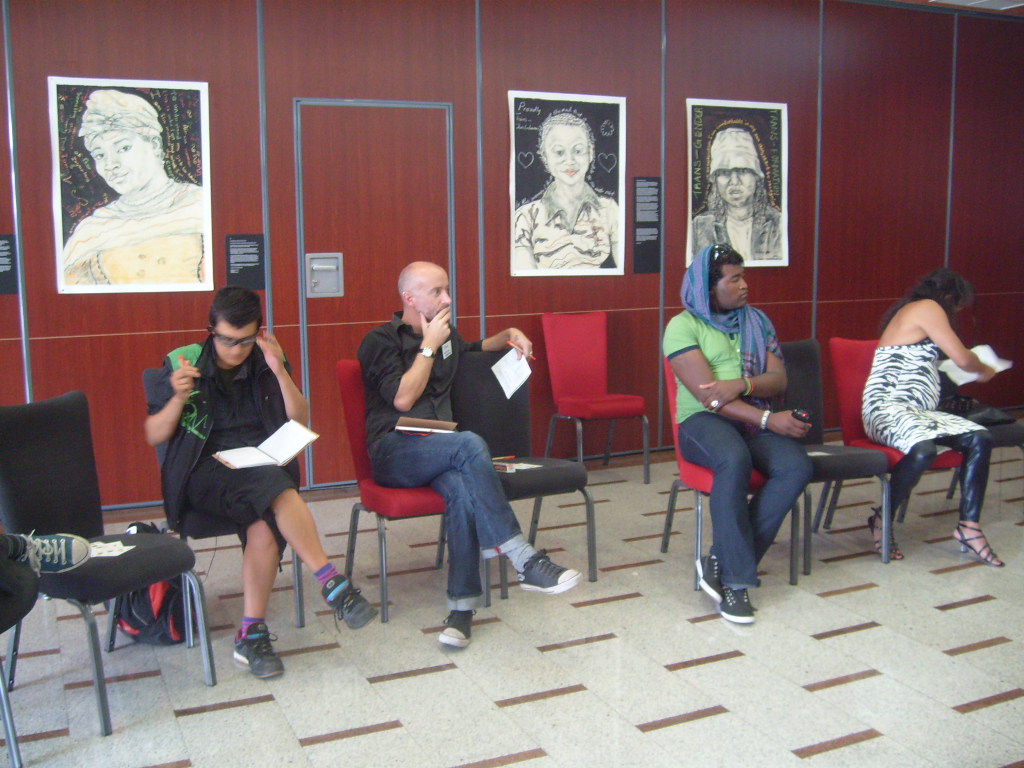
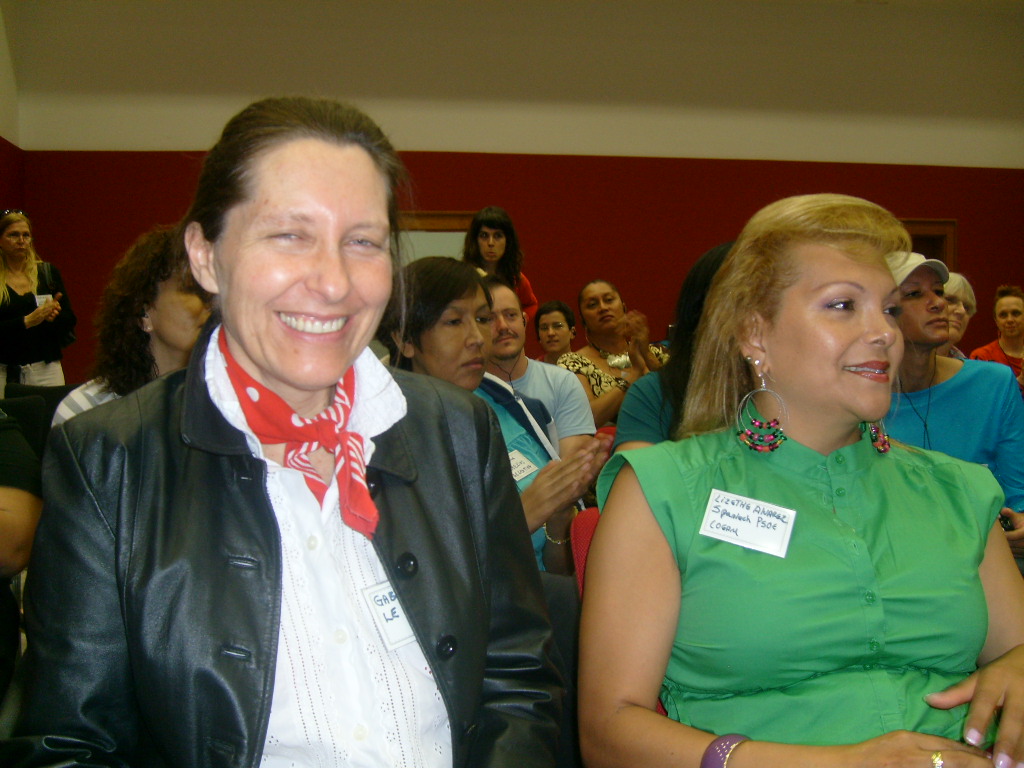
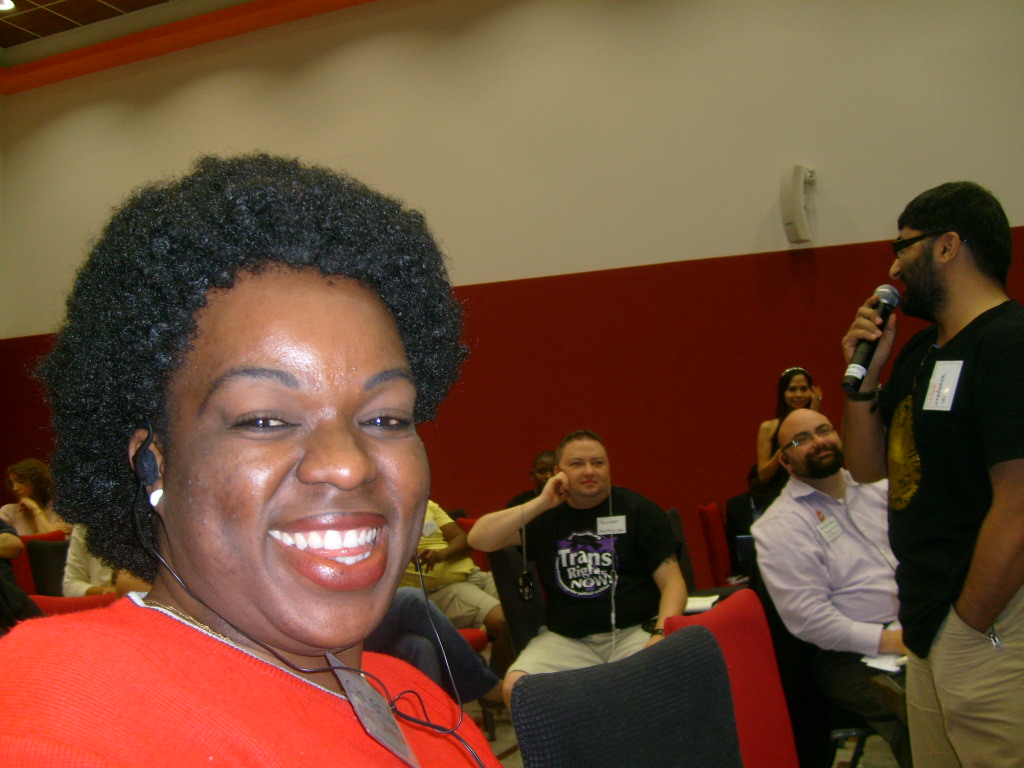
In December 2008, the International Gay and Lesbian Human Rights Commission (IGLHRC), today known as OutRight International، و ديناميكس الجنسانية (GDX) hosted the historical Eastern and Southern African Trans/Gender Identity Institute in South Africa. It was the first ever trans- and intersex-specific workshop regional meeting to be held on the African continent. 16 Trans and intersex activists from 9 African countries attended the meeting in Cape Town, South Africa. For many activists, it was the first time they met other trans and intersex people.
December 2008 — First Trans- and Intersex-Specific Workshop Held in Africa: Eastern and Southern African Trans/Gender Identity Institute, South Africa In December 2008, the International Gay and Lesbian Human Rights Commission (IGLHRC), today known as OutRight International, and Gender DynamiX (GDX) hosted the historical Eastern and Southern African Trans/Gender Identity Institute in South Africa. It […]
December 2008 — Proudly African & Transgender Art Collaboration Emerged, South Africa
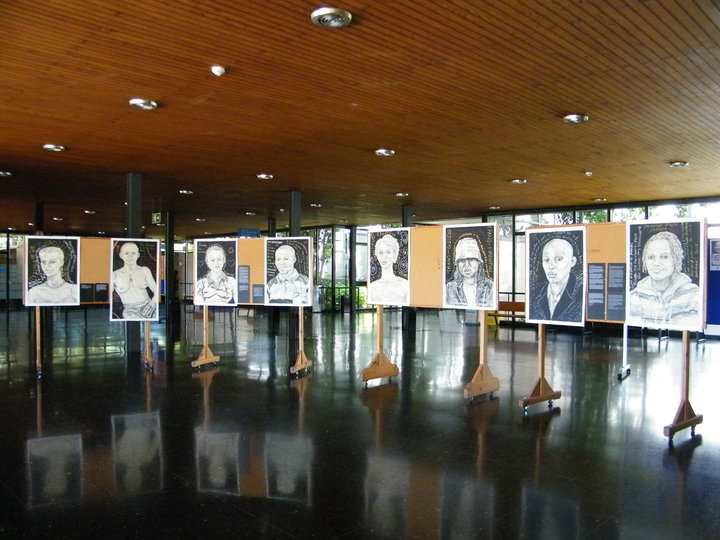
During the Eastern and Southern African Trans/Gender Identity Institute workshop hosted in Cape Town in December 2008, Gabrielle Le Roux collaborated with فيكتور موكاسا and the other individual activists by drawing portraits of ten sub-Saharan African trans and intersex activists. Each person wrote a personal activism message on their own portrait. This activism-art work, titled Proudly African & Transgender, later travelled the world to raise awareness.
December 2008 — Proudly African & Transgender Art Collaboration Emerged, South Africa During the Eastern and Southern African Trans/Gender Identity Institute workshop hosted in Cape Town in December 2008, Gabrielle Le Roux collaborated with Victor Mukasa and the other individual activists by drawing portraits of ten sub-Saharan African trans and intersex activists. Each person wrote a […]
In 2009 the first Miss Woubi beauty pageant was held in Abidjan, Côte d’Ivoire / Ivory Coast. The event takes its name from an Ivorian slang word (‘Woubi’) meaning ‘effeminate’ — the more feminine partner in a relationship, or as Ivorians put it, the one who “plays the role of the woman”. In 2016, 13 contestants competed in bathing suits and evening wear.
In Ivory Coast, same-sex relations are not illegal, unlike in most African countries, making it the “most permissive place for sexual minorities in the [west African] region” (quoted from The Guardian article linked in the first paragraph).
“But while same-sex sexual acts have never been criminalised here, there are also no specific legal protections for lesbian, gay, bisexual and transgender Ivorians, making them vulnerable to hostile security forces and, occasionally, angry mobs. As a result, more extravagant assertions of woubi identity are often discouraged by discreet, gender-conforming gay men, who pride themselves on projecting masculinity and moving through the straight world undetected. The Miss Woubi pageant is an attempt to break down this barrier and bring factions of Abidjan’s gay world together, if only for an evening, say the organisers.” (The Guardian)
The pageant has been criticised by some of Ivory Coast’s gender-variant population:
“The pageant is also not without controversy. Some Ivorian sexual minorities have criticised Miss Woubi for being insufficiently inclusive, especially when it comes to travestis, meaning people who were born anatomically male but identify and live as women on a full- or part-time basis. (Very few Ivorians identify as ‘transgender’, though there is a sizeable travesti population.) Latiyah, a travesti who sat in the audience Saturday night, said the event seemed designed to honour woubis who dress up as women very rarely, rather than travestis who make female gender presentation part of their daily lives. She attributed this to the fact that gay men in Abidjan are better organised than travestis, with greater support from outside donors. ‘There are a lot of travestis, but we don’t know each other,” Latiyah said. “We need our own association to bring us together.’
The Miss Woubi pageant was closed in 2012 due to the unwanted publicity to the Ivorian government.
Read more about the travesti and other gender-variant identities in Ivory Coast هنا.
Photo of travestis at the Miss Woubi pageant in Abidjan, Ivory Coast in 2016 from The Guardian.Photo from The Guardian.
In 2009 the first Miss Woubi beauty pageant was held in Abidjan, Côte d’Ivoire / Ivory Coast. The event takes its name from an Ivorian slang word (‘Woubi’) meaning ‘effeminate’ — the more feminine partner in a relationship, or as Ivorians put it, the one who “plays the role of the woman”. In 2016, 13 […]
17 May 2009 — The Death and Humiliation of Aunty Victoria, Tanzania
Auntie Victoria was reportedly the first openly identified trans woman in Tanzania. She received gender-affirming surgery in Europe many years ago (surgery dates undocumented). When she returned to Tanzania, her home country, she owned a tavern, and generated her own income. She was constantly ridiculed about being trans and became depressed as a result. She attempted suicide on 17 May 2009*, and died later in Muhimbili National Hospital due to the attempt.
The ridicule she experienced did not stop after her death, as the information about her gender identity and suicide came to light when mobile phone pictures of her unconscious, naked body went viral.** Due to the sensation and scandal caused by the viral images, no one from her family wanted to identify her body at the hospital’s morgue. Another reason the family did not come to identify her was that the hospital allowed public viewings of her body. The hospital claimed this further humiliation of Auntie Victoria was because they needed to identify her. The International Gay and Lesbian Human Rights Commission (IGLHRC), today known as OutRight International and ديناميكس الجنسانية (GDX)supported activists in Tanzania who tried to intervene and advocate and eventually succeeded in convincing the hospital to stop the public viewing.
The last and final dishonour to Auntie Victoria was that, due to the customs of her religion, her family insisted on burying her in her ‘original form’ and removed her breasts and surgically-affirmed genitalia.
The IGLHRC and GDX again expressed their support of the local LGBTIQ+ activists in taking the case further, whether the local activists felt that raising awareness or taking the case to court would be a better strategy. The local activists decided not to take the matter further at the time as the visible and out LGBTIQ+ community was young and had just started coming out publicly. The activists were of the opinion at that time that the amount of media visibility and attention on the LGBTIQ+ community would put the community at risk. There had been no previous outreach to the activists by media or political figures, no LGBTIQ+ sensitisation or awareness, and without a well-planned strategy, they felt that the backlash might risk the lives of all LGBTIQ+ Tanzanians.
As a result of this concern, the only intervention that seemed possible at the time was for the IGLHRC to make an appeal to the United Republic of Tanzania to include this incident in the government’s fourth periodic report to the United Nations Human Rights Committee (UNHRC) in July 2009 in Geneva, Switzerland. The Tanzanian government complied with this appeal and included the case of Auntie Victoria in their report to the UNHRC. The IGLHRC publicly congratulated the government of Tanzania on its report.
* Ironically, the 17th of May is International Day Against Homophobia, Biphobia, Interphobia and Transphobia (IDAHOBIT). Auntie Victoria’s suicide on this day is a tragic indicator of the necessity for days like IDAHOBIT.
** To date, it is unconfirmed who was responsible for taking these photos.
The International Day Against Homophobia, Biphobia, Interphobia and Transphobia (IDAHOBIT)
The International Day Against Homophobia, Biphobia, Interphobia and Transphobia (IDAHOBIT) is celebrated every year on 17 May. It is a global campaign aimed at raising awareness about the ongoing discrimination, violence, and marginalisation faced by lesbian, gay, bisexual, trans, and intersex people, and all of those with diverse sexual orientations, gender identities or expressions, and sex characteristics. The campaign seeks to celebrate diversity and advocate for the rights of LGBTQIA+ people.
The theme for 2023, “Together always: united in diversity,” was decided through a large consultation with LGBTQIA+ organisations from around the world.
Chilean artist Sofía Miranda Van den Bosch created six illustrations that incorporated feedback from organisations and activists from across the world who have joined the IDAHOBIT working group.
17 May 2009 — The Death and Humiliation of Aunty Victoria, Tanzania Auntie Victoria was reportedly the first openly identified trans woman in Tanzania. She received gender-affirming surgery in Europe many years ago (surgery dates undocumented). When she returned to Tanzania, her home country, she owned a tavern, and generated her own income. She was […]
July 2009 — Launch of Eastern and Southern African Trans and Intersex Regional Exchange Programme
In July 2009, South Africa’s ديناميكس الجنسانية (GDX)and Uganda’s Support Initiative for People with atypical Sex Development (SIPD) formed a partnership to host an Eastern and Southern African Trans and Intersex Regional Exchange Programme, which would commence in May 2010. The Programme would bring together 16 activists from Botswana, Burundi, Namibia, Kenya, South Africa, Uganda, Zambia, and Zimbabwe for this learning exchange.
It was agreed that the group of 16 activists would meet twice a year and that the host countries would rotate in order to give participants a greater idea of different country contexts.
July 2009 — Launch of Eastern and Southern African Trans and Intersex Regional Exchange Programme In July 2009, South Africa’s Gender DynamiX (GDX) and Uganda’s Support Initiative for People with atypical Sex Development (SIPD) formed a partnership to host an Eastern and Southern African Trans and Intersex Regional Exchange Programme, which would commence in May […]
At the end of February of that same year, OIA argued in court against the initial decision to ban the film was based on discrimination, because the Board’s definition of child pornography should then by the same measure not allow films such as Lolita, American Beauty, Death in Venice، و Romeo and Juliet to be screened in South Africa.
The claim was supported by the Freedom of Expression Institute, and the application was further supported by the well-known intersex activist, Sally Gross.After the lawsuit, XXY was added to the line-up of films to be screened at the 16th Annual Film Festival in September 2009.
The Out in Africa (OIA) Gay and Lesbian Film Festival won its case against the South African Film and Publications Board to unban the film XXY in August 2009. At the end of February of that same year, OIA argued in court against the initial decision to ban the film was based on discrimination, because […]
August 2009 — Caster Semenya: Gold Medals, Gender Verification Tests, and Her Journey Since Then, South Africa
Gold Medals and Gender Verification Tests
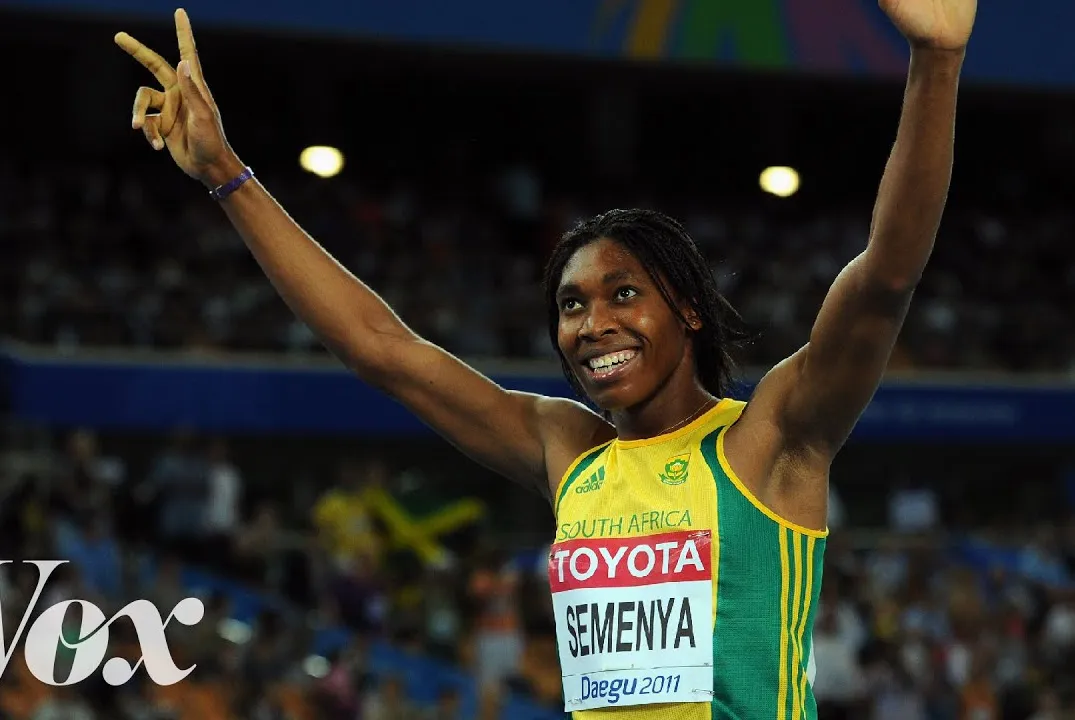
In August 2009, the 18-year-old South African track athlete Caster Semenya became world famous as she won the 800m World Championships in Berlin, Germany and simultaneously came under public scrutiny over her eligibility to compete in women’s sports.
She improved on her 800m and 1500m records achieved at the 2008 World Junior Championships. The International Amateur Athletic Federation and International Association of Athletics Federations (IAAF), now known as World Athletics, asserted that it felt compelled to carry out investigations on Semenya’s performance and sex after she improved her record by 25 seconds in the 1500m track event, and by 7 seconds in the 800m track race. They claimed that “this sort of dramatic breakthrough usually aroused the suspicion of drug use.”
Semenya was suspended from all competitions pending the results of the drug and gender verification tests. The outcome of the tests showed that the athlete had elevated levels of testosterone and as a result, the IAAF changed their policies to prevent female athletes with with differences of sexual development (DSD) from being allowed to compete unless they use testosterone-inhibiting medication.
Photo: David J. Phillip/Associated Press
The incident in Berlin in caused a public outcry in South Africa with controversy surrounding the athlete, her achievements and the sex verification process she was required to endure.
Later in the same month activists spoke out when Intersex South Africa (ISSA)’s Sally Gross, U.S. academic Amanda Lock Swarr, and ديناميكس الجنسانية (GDX)’s Liesl Theron co-authored a critical think piece that was published in the Fall edition of the Feminist Studies Journal. The piece, “South African Intersex Activism: Caster Semenya’s Impact and Import”,looks at the public responses from ISSA and GDX to the public debate that erupted around Caster Semenya
In the years since her win in Berlin and the outcome of the IAAF gender verification test, Caster Semenya has remained locked in a cycle of court cases and appeals and yet she has cemented herself as one of the best 800m athletes in history and achieved various accolades, sometimes while being sick as a result of side effects produced by taking the testosterone-inhibiting medication. The most notable being two gold Olympic medals, three World Championships and two Commonwealth Games gold medals.
Caster Semenya Releases Her Book, ‘The Race to be Myself’
Caster focused on her training and remained largely silent in the media until June 2023 when she publicly announced 31 October 2023 would be the date she would finally tell her own story when she planned to release her memoirs:
“I am happy to announce that my memoir, THE RACE TO BE MYSELF will be published this year on the 31st of October. It will be a simultaneous release in the US, UK and SA. It is my hope that by finally telling my truth, I will inspire others to be bold, unafraid and most importantly to love and accept themselves as they are. This is my offering from me to you. Stay winning, love Mokgadi.”
Caster Semenya announces the release date of her memoir ‘The Race To Be Myself‘
Our Review of ‘The Race To Be Myself‘ by Amanda Lock Swarr
Amanda Lock Swarr has collaborated with LGBTQI+ activists in South Africa since 1997. As a professor in the Department of Gender, Women and Sexuality Studies at the University of Washington, USA, her work is concerned with queer, trans, and intersex studies, medical inequities, and feminist politics in South Africa and the U.S. Amanda Lock Swarr is a regular contributor to the Trans Intersex History Africa website.
In 2009, the world was introduced to Caster Semenya as she won the 800m World Championships in Berlin, Germany and simultaneously came under public scrutiny over her eligibility to compete in women’s sport. Since this time, her body has been the subject of debate about the borders of gender — a discourse with global importance. But these were objectifying discussions حول Semenya and not a dialogue with her. Now, Semenya’s long-awaited memoir finally centres her own voice, confronting her objectification and correcting years of speculations. The Race to Be Myself is her own story, told on her terms.
Semenya starts this memoir with her childhood in Limpopo, sharing details about her early passion and talent for sport. She leads the reader from the origins of her career to her many public successes — including winning Olympic gold medals and spearheading groundbreaking court cases. In this memoir we also learn about the emotions, strategies, and conversations that took place outside of the public eye. Semenya exposes her struggles and the sources of her strength, especially her relationship with her wife, Violet, and her family. In so doing, she reveals the pain of the ordeal she has endured and the strength and pride she has embodied.
Semenya’s self-confidence has been integral to her success and propelled her difficult decision to stand up to regulators from the International Amateur Athletics Federation (IAAF) — now known as World Athletics. The support she has received from South Africans has also been essential. As she puts it,
“I accept and love myself just the way I am. I always have and I always will. God made me. I am fortunate to have a family who never tried to change me, and a country that wrapped its arms around me and fought for my right to run.”
Soon after the formal end to apartheid, Nelson Mandela famously stated that sport has the power to change the world, to unite, and to inspire. She recalls these historical reflections and recounts that when her public interrogation began, Mandela told her that she had made him and South Africa proud, asserting, “You are strong, Caster. I believe in you. You must believe in yourself.” Semenya took this advice to heart as she became a national icon and proudly represented South Africa as its flag bearer at the 2018 Olympics.
But this memoir is not a sentimental glossing of national history. Semenya describes complicated feelings when she returned home to South Africa to a hero’s welcome in 2009. Meeting famous politicians was inspirational but, she remembers, her enjoyment of the moment was undermined by a nagging feeling that she was not fully there.
“I knew this was a celebration but nothing seemed right to me,” she writes. “I’d won gold, but the celebration seemed to be about something other than my actual win.”
In this memoir, Semenya explores this moment and many others, sharing the alienation she felt when the furore that surrounded her was about what she represented to others.
Racist and colonial histories have always been at the forefront of Semenya’s thinking and her role as a representative of South Africa on the global stage. Throughout her career she has been compared to beloved ancestor Saartjie Baartman, a comparison she embraces. Semenya reflects on their similar objectification, recalling that Baartman was “a fellow South African brought to Europe where she was put on display in circus-like exhibits for a paying audience in the 1800s”, and whose genitals were cut from her body and displayed. Racist pathologisation of physical differences motivated the interrogations they both endured, and, as Semenya puts it,
“I am aware that Black women’s bodies in general have been objectified and treated as spectacles.”
She also points out that suspicion of her body didn’t emerge from uniform sex testing but from an arbitrary policy of investigating anonymous reports of suspicions from anyone, including envious coaches or athletes. For Semenya, this suspicion led to a battery of invasive psychological, gynaecological, and endocrinal tests and so-called treatments that were medically unnecessary and harmful.
One of the most important interventions of this memoir is the way that it definitively ends false speculations that have surrounded Semenya for years. She provides important clarification about the timing of her interrogations and what information was shared with and kept from her. Semenya candidly expresses how she felt about the invasive exams she endured. She also reveals the extent of the experimental treatments she withstood in order to compete under constantly tightening regulations. Semenya rejected IAAF/World Athletics’ efforts to coerce her into unnecessary surgery but took experimental doses of hormones for years. These drugs made her constantly ill with side effects including fatigue, night sweats, extreme hunger and thirst, bloating, panic, and nausea.
Then, in 2015, Indian sprinter Dutte Chand won a landmark case in which the Court of Arbitration in Sport found lack of evidence that testosterone increases female athletic performance. This ruling meant that the policies requiring Semenya to take hormones for four long years were suddenly lifted, and she felt a huge sense of relief. This was the end of Semenya’s experimental treatment. She had been a guinea pig for IAAF/World Athletics’ drug trials and writes,
“as far as I know or as far as the IAAF will allow us to know, I am the first and one of the only athletes who has ever taken the drug to compete. Whatever research they have is coming from my body and the way I took the pills from 2009 to 2015.”
No one can predict the long-term effects of these drugs, as they are not medically advisable. Tthey are known to weaken bones, make people more prone to injury, and cause blood clots, among other effects. Her concerns about the effects of taking unnecessary drugs at experimental levels remain: “I think of the price sometimes, even though I don’t like to dwell on negative things. For years, I took drugs I didn’t need to take. I don’t know what the long-term effects will be on my health.”
Another speculation that Semenya confronts in this memoir is that she cheated or intentionally threw races. If she was able to win more races, she would have received financial bonuses and endorsements and secured a bigger legacy. She candidly reflects on how unreasonable such claims have been, stating,
“Let me be clear. I cannot run any faster than I have. If I could, why wouldn’t I go out there and break the world record when I knew the IAAF was going to find a way to ban me?”
Semenya also points out that while suspicion was allegedly predicated on her success, her race times were always well within the times expected in the women’s category. She reflects,
“No matter what they say, I push my body to the limit and beyond on every run and training session. I’m just better than a lot of the women I was running against. And that was the problem for the IAAF and whatever notions of femaleness they have.”
She is also explicit that she has never taken illicit substances, unlike many of her competitors. Her assertions refute years of false accusations of her cheating. As Semenya clarifies, IAAF/World Athletics officials “were the ones who had cheated me. They had cheated me out of my young adulthood; They had almost cheated me out of my own sanity, my mental and physical well-being.”
Throughout The Race to Be Myself, Semenya clearly asserts her womanhood. As she explains, “Playing sports and having muscles and a deep voice make me less feminine, yes. I’m a different kind of woman, I know. But I’m still a woman.” Semenya also rejects labels that have been imposed on her and does not identify as intersex or as lesbian. She explains,
“Even though I understand that those in the medical community call me an ‘intersex’ person because of the way my internal organs are structured, I do not call myself ‘intersex.’ That identity doesn’t fit me, it doesn’t fit my soul. Even calling myself a ‘lesbian’ doesn’t fit my soul. I think of myself as a woman who loves another woman. I have always resisted categorizations.”
She contends that efforts to define her as having a disorder or difference of sex development (DSD) or Androgen Insensitivity Syndrome (AIS) are pathologising. For her, attempts to exclude her from womanhood are a personal affront. She writes, “Imagine you are told one day that because of some medical this or that, you are actually not a woman. Think about it. In the eyes of the entire world, you are now something other than what you know yourself to be. And the entire world will not stop talking about you. Ever.”
When Semenya was first put under scrutiny, Sally Gross, ليزل ثيرون, and I (Amanda Swarr) wrote together about what her experiences would mean for intersex folks, and this history is relevant here. An article we wrote for the journal Feminist Studies in Fall 2009 addressed the invisibility and hypervisibility that faced intersex folks in South Africa at the time. In this piece — “South African Intersex Activism: Caster Semenya’s Impact and Import” — we explored how debates surrounding Semenya affected intersex, gender variant and gender non-conforming people. We focused especially on Intersex South Africa, the organisation Gross founded in 2000, andGender DynamiX(GDX), founded by Theron in 2005. Like Semenya, Gross was diagnosed as intersex and experienced discrimination and violence throughout her life. Gross similarly reflected on her erasure and denial as a person, writing, “It’s somewhat disconcerting to be told that one does not exist!”
In our 2009 writings, Gross explained how the furore surrounding Semenya offered her the opportunity to publicise important legislative gains protecting intersex rights in a newspaper article she wrote, titled “Intersex and the Law.” Legal shifts protecting intersex South Africans brought about by Gross and other activists were not widely known before Gross’s publication.
In our joint article, Theron also wrote about two important media statements released by Gender DynamiX in relation to Semenya’s experiences. The first connected the treatment of Semenya to gender-based violence targeting those who transgress gender norms, citing the 2008 rape and murder of South African lesbian footballer, Eudy Simelane, as a point of comparison. The second statement articulated that being intersex is not as rare as public discourse suggests and asserted Semenya’s rights to privacy and to her self-identification as a woman. Taken together, political educational initiatives by Intersex South Africa and Gender DynamiX demonstrated the impact of Semenya’s experience, and they increased visibility and sensitivity for intersex South Africans.
Semenya’s refusal to withdraw from elite sport had a strong impact on broader conversations about what it means to be a woman. While her experience became part of public discourse, she was far from the first athlete to experience the brutality of gender restrictions. Indeed, such restrictions have affected countless athletes over the past century, especially those from the Global South. It was also widely acknowledged that the IAAF/World Athletics campaign to create restrictions banning Semenya was personal, and since 2009 a series of regulations have been created specifically to exclude her from sport. She describes the impact of tightening restrictions and that, “I had become the face of this thing […] they wanted to shut me down.” But Semenya stood up to sporting regulators:
“I’m sure the IAAF thought I would be one of the ones who just went away. They were wrong. It is not in my nature to give up […] I don’t like bullies.”
Semenya refused to be silenced, and this memoir asserts her agency and cements the importance of her voice on her own terms. She recounts that in the early years of the controversy, she was strategically quiet: “I was just a young village girl, but I was the master of my own destiny in some ways. I control the narrative, and I did so by not speaking. I had to be smart.” Now, as Semenya advocates for human rights, she speaks openly and confidently about her relationship with her wife, Violet, her two children, and her career successes and aspirations to protect other athletes from the injustices she has faced.
All athletes race against time, not only in individual competitions but as their bodies age. As she explains, “Time is the most important thing in an athlete’s life. You can say we live by the clock.” Athletes are only competitive for a short period of their lives, and Semenya traces time throughout The Race to Be Myself, discussing the clock hanging over her career, what it meant to live on borrowed time, and how she knew she could never outrun time. In September 2020, the Swiss Supreme Court ruled against her in a decision that effectively ended her quest to compete again, a blow that she described as mentally and physically destroying. But, she writes that she had no choice but to make peace with it and also felt a sense of relief: “It was finally over. The clock hanging over my career had stopped ticking.”
Her legal struggles continue today but with a focus less on her own role in competitive sport and more on her peers and those who will come after her. In 2023, Semenya won an important discrimination case in the European Court of Human Rights, and she is currently awaiting an appeal to this same body that she hopes will pave the way for other athletes to compete as she should have been allowed to do. She concludes her memoir by reflecting poignantly on her life trajectory and on the future:
“I didn’t have a choice about how I was born or how I was raised, I didn’t have a choice but to be a woman. So, I am a different kind of woman […]” The science of gender isn’t set in stone. The more we study, the more we learn. I believe it’s wrong to force women like me into surgery or medication to compete.”
Semenya’s legacy has already been cemented and her voice will continue to resound as she demands respect and change.
Khaya Dlanga Interviews Caster Semenya During Her Book Launch
On 23 November 2023, best-selling author Khaya Dlanga interviewed Caster Semenya during a launch of ‘The Race To Be Myself’ at Exclusive Books at the V&A Waterfront in Cape Town. Trans and Intersex History Africa (TIHA)’s Liesl Theron attended the event and shared two videos showing parts of their conversation.
In the interview, Khaya mentions how Caster starts the book in a way that he sees as the ‘most gangster thing’ when she introduces herself with the words: “I am Mokgadi Caster Semenya. I am one of the greatest track and field athletes to ever run the 800-m distance.” Khaya goes on to say: “If that is not the most gangster thing, I don’t know what is. Because what I love about it, is that you’ve earned the right to say that about yourself.”
Caster Semenya in discussion with Khaya Dlanga at the book launch at the Exclusive Books at the V & A Waterfront in Cape Town.
In the first video, Khaya mentioned reading in the book of Caster’s lack of a sense of fear growing up and how Caster would deal with bullies by making them aware of her presence. Caster explained:
‘If you can hit, my philosophy is to hit back as good as you can. Even if you lose, at least you stood up for yourself. Because there are certain things in life,, like a battle I’m not gonna win. But for me, I want you to feel my presence. If you hit me, I hit harder.So it is the same what I used to do on the track. What I’ve done was to make sure that I leave a mark. Because I knew I was being questioned. They say ‘you look like a boy’ then I will say ‘Ok, You say I look like a boy? I will be that boy for you’. To the people who do hate speech, who try to diminish you, try to take you down, you need to make them feel your presence.”
Watch the video where Caster talks about doing your best and being an activist:
In the video Semenya says she deals with hate speech the same way she deals with athletics — how she fights back and makes her presence felt.
She says:
“Now it’s about me advocating for what is right. These young kids that are coming now, I pave the way and make sure that I fight for what is right.”
In the second video, Caster reminisces about growing up loved and accepted by her family for who she is, and how growing up with the acceptance of her family helped shaped her own self-acceptance from a young age. Khaya asked about a part in the book where Caster’s father bought her a pretty dress and tried to get her to wear it. But Caster quickly asked him to try the dress on first, and said she would only consider it if he would. In doing so she highlighted the striking physical resemblance she has to her father.
In August 2009, the world was introduced to South African track athlete Caster Semenya as she won the 800m World Championships in Berlin, Germany and simultaneously came under public scrutiny over her eligibility to compete in women’s sport.
She improved on her 800m and 1500m records achieved at the 2008 World Junior Championships. The International Amateur Athletic Federation and International Association of Athletics Federations (IAAF), now known as World Athletics, asserted that it felt compelled to carry out investigations on Semenya’s performance and sex after she improved her record by 25 seconds in the 1500m track event, and by 7 seconds in the 800m track race. They claimed that "this sort of dramatic breakthrough usually aroused the suspicion of drug use."
In August 2009, Intersex South Africa (ISSA)’s Sally Gross, U.S. academic Amanda Lock Swarr, and Gender DynamiX (GDX)’s Liesl Theron co-authored a critical think piece that was published in the Fall edition of the Feminist Studies Journal. The piece, “South African Intersex Activism: Caster Semenya’s Impact and Import”, looks at the public responses from ISSA […]
On 14 October 2009 the Anti-Homosexuality Bill was introduced to parliament in Uganda, sparking international outrage and condemnation. The Bill sought to further criminalise homosexuality in the country, imposing life imprisonment for those found guilty of engaging in homosexual acts, as well as imposing harsh penalties for those who failed to report known homosexuals to the authorities.
The Bill, which was initially proposed by MP David Bahati, was widely criticised for its violation of human rights, and for the damage it could cause to the LGBTIQ community in Uganda. Many saw it as a direct attack on the fundamental rights of LGBTIQ individuals, who already face significant discrimination and persecution in the country.
The existing law, Section 140 of the Ugandan penal code, penalised “carnal knowledge of any person against the order of nature” with imprisonment of up to 14 years. The draft bill tabled in 2009 included provisions that would either incur the death penalty or imprisonment for life for anyone convicted of “the offense of homosexuality”. The proposed Bill was to not only prosecute LGBTIQ+ people but also to also them and LGBTIQ+ organisations by preventing workshops, awareness raising sessions, meetings, sensitisation sessions, and even the production of informative material was to become illegal.
The introduction of the Bill was met with protests both within Uganda and across the world. Activists and human rights organisations condemned the bill, calling for its immediate withdrawal and highlighting the danger it posed to LGBTIQ people in the country. The Bill was also criticised by foreign governments, including the United States, who threatened to withdraw aid to Uganda if it passed.
Despite this international pressure, the Bill continued to gain support in Uganda, with many Ugandans supporting the bill as a way to protect the country’s moral values and culture. Some politicians and religious leaders in Uganda saw homosexuality as a threat to traditional family values, and believed that the bill was necessary to combat what they saw as a growing Western influence.
On 14 October 2009 the Anti-Homosexuality Bill was introduced to parliament in Uganda, sparking international outrage and condemnation. The Bill sought to further criminalise homosexuality in the country, imposing life imprisonment for those found guilty of engaging in homosexual acts, as well as imposing harsh penalties for those who failed to report known homosexuals to […]
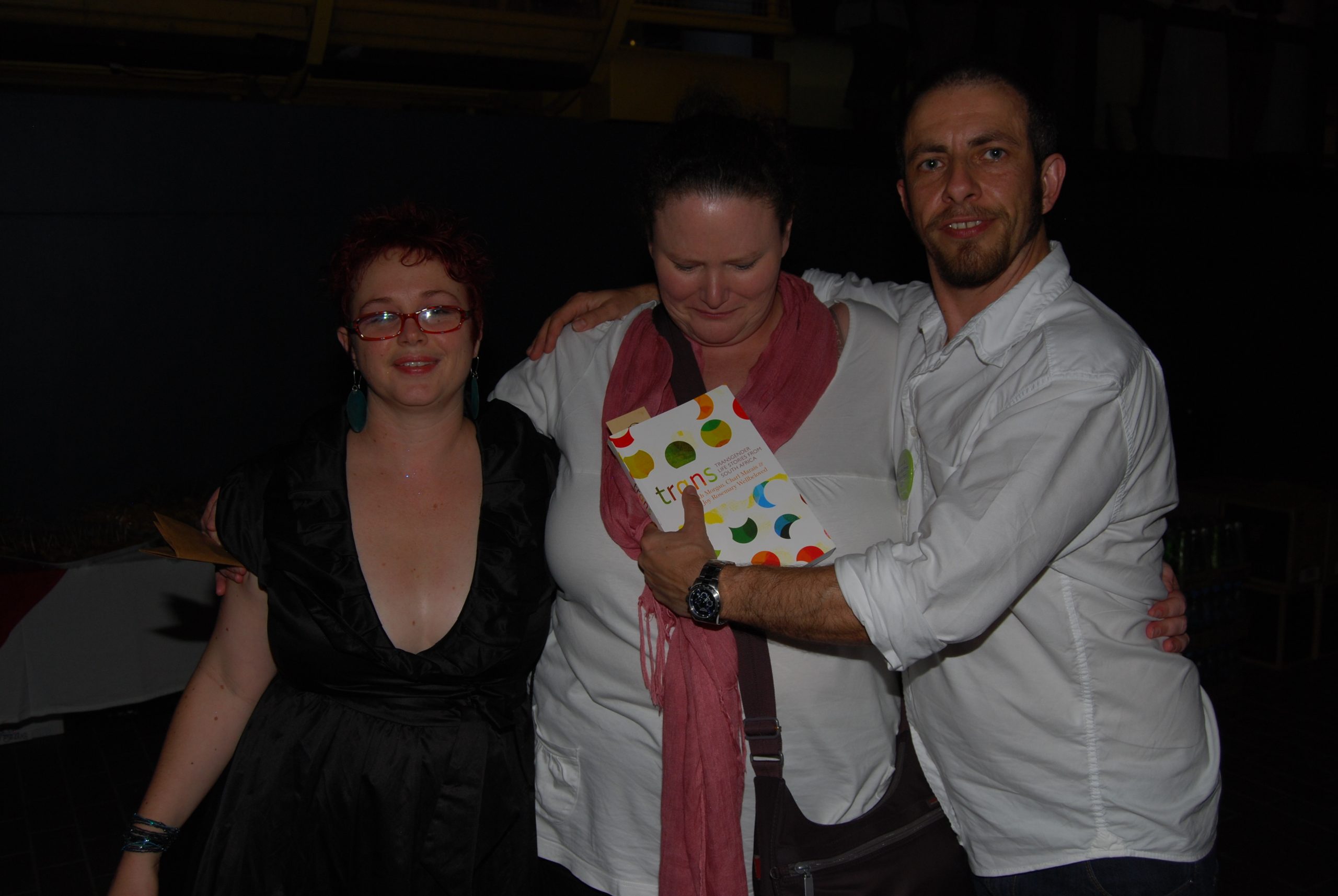
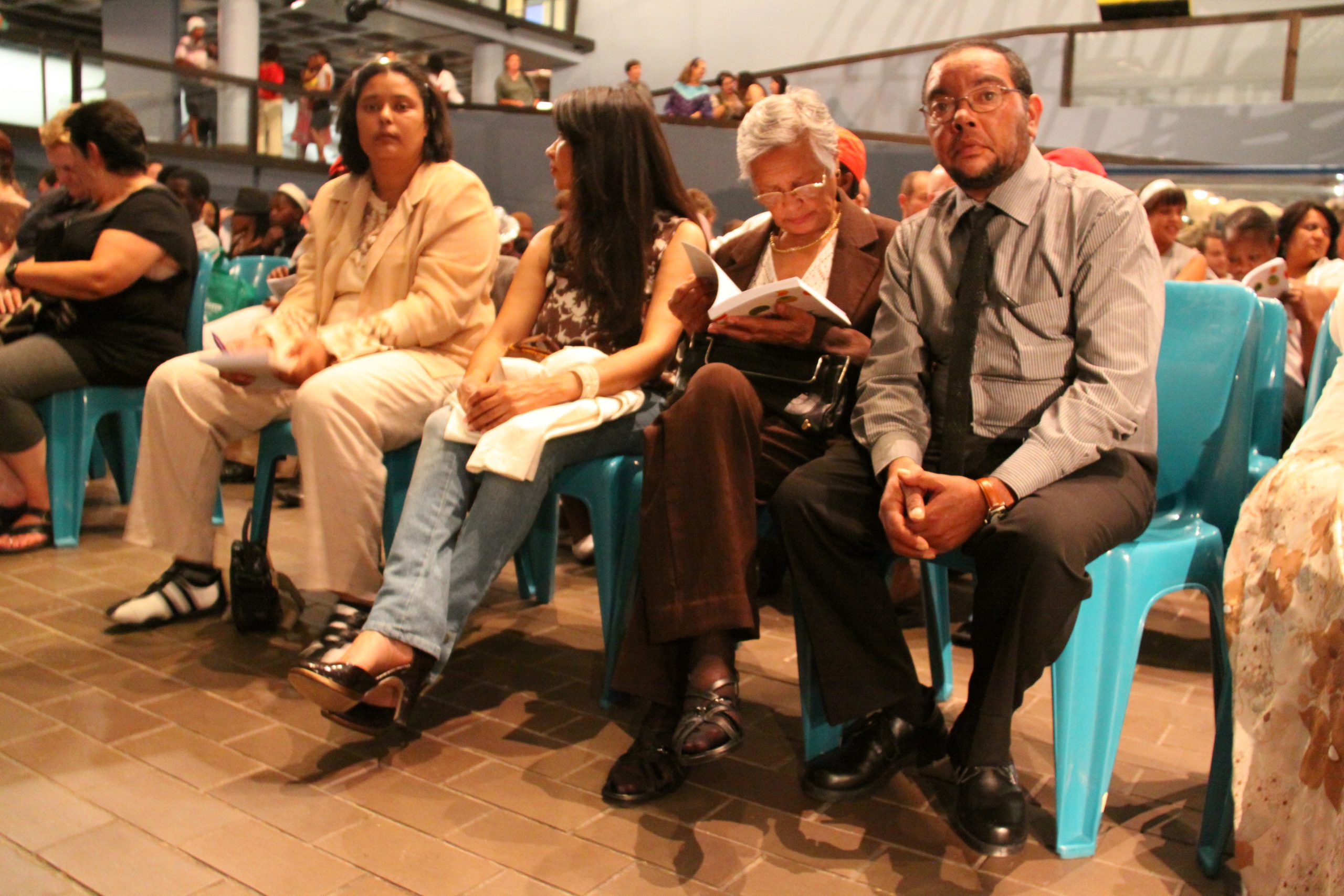
The specific date was selected as it is the International Transgender Day of Remembrance (TDoR). The book launch took place in Cape Town, at the Whale Well, Iziko Museum in Cape Town, and included a performance by the famous drag queen artist, Odidiva. Around 140 people attended the launch. The number of attendees and the number of book sales exceeded the publisher’s expectations. Later in that same year, the book was launched in Johannesburg.
In April 2010, the book had a second print-run, and upon requesting the publishers for a third print-run, they indicated that it was not possible and a Kindle version became available on Amazon instead.
Photos from the book launch. Credit: Zanele Muholi
20 November 2009 — Launch of “Trans: Transgender Life Stories from South Africa”, South Africa On 20 November 2009, The Gay and Lesbian Archives (GALA) andGender DynamiX (GDX) launched the book, Trans: Transgender Life Stories from South Africa, in Cape Town, South Africa. It was first book of its kind on the continent. The specific […]
Auntie Tiwonge and Steven Monjeza celebrated their relationship at Auntie’s place of work in December 2009. Various mainstream media in Malawi published announcements of the “first gay marriage” in Malawi, which was wrongly reported, as Auntie Tiwonge was a trans feminine woman*, and the couple saw themselves as a cisgender heterosexual couple. This media attention alerted the authorities and Auntie and Steven were arrested on charges of gross indecency. ديناميكس الجنسانية (GDX) developed a media drive that highlighted to various local and international media that this was not a “gay wedding”, as Auntie identified as a woman*. The International Gay and Lesbian Human Rights Commission (IGLHRC), now known as OutRight International, the Open Society Initiative for Southern Africa (OSISA), Amnesty International, and many other organisations, both in Africa and internationally, advocated on the couple’s behalf and wrote letters to the Malawian government to drop the charges*. The charges were not dropped, however, and Auntie and Steven were arrested and eventually sentenced to 14 years of hard labour in 2010. They were pardoned in that same year.
* This article acknowledges Auntie as a [trans feminine] woman, even though at the time the language did not exist.
The video below shows a demonstration in Cape Town, in front of the Department of Home Affairs, appealing to the South African Government to accept them as refugees, for their own safety. Video credit: Robert Hamblin.
Auntie Tiwonge and Steven Monjeza celebrated their relationship at Auntie’s place of work in December 2009. Various mainstream media in Malawi published announcements of the “first gay marriage” in Malawi, which was wrongly reported, as Auntie Tiwonge was a trans feminine woman*, and the couple saw themselves as a cisgender heterosexual couple. This media attention […]
On 10 December 2009, Ugandan activist, فيكتور موكاسا, co-founder of Sexual Minorities Uganda (SMUG) and program associate for the International Gay and Lesbian Human Rights Commission (IGLRHC) spoke at a landmark meeting of the United Nations General Assembly panel.
The panel focused on ending human rights violations based on sexual orientation and gender identity and featured speakers from Honduras, India, the Philippines, Zambia and Uganda. The audience comprised of 200 people from over 50 nations. The meeting was part of the 61st anniversary of the adoption of the Universal Declaration of Human Rights.
Mukasa’s address focused on the Ugandan Anti-Homosexuality Law, stating that “Lack of security, arbitrary arrests and detentions, violence, and killings of LGBT people have become the order of the day in Africa. Nothing can change as long as LGBT people live in fear for their safety when they claim their basic human rights.”
On 10 December 2009, Ugandan activist, Victor Mukasa, co-founder of Sexual Minorities Uganda (SMUG) and program associate for the International Gay and Lesbian Human Rights Commission (IGLRHC) spoke at a landmark meeting of the United Nations General Assembly panel. The panel focused on ending human rights violations based on sexual orientation and gender identity and […]
18 April 2010 — African Lesbian, Gay, Bisexual, Transgender and Intersex (LGBTI) Manifesto, Kenya
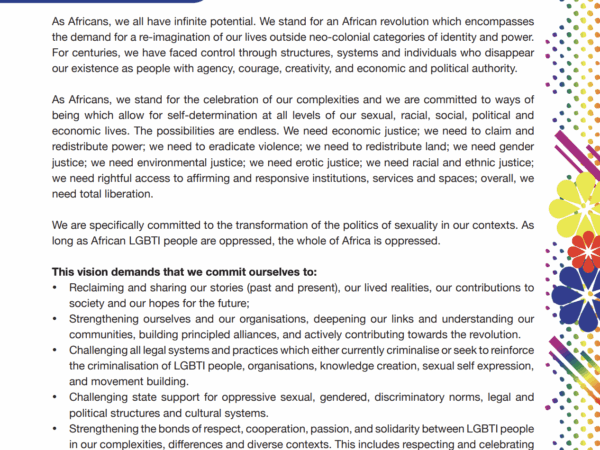
On April 18, 2010, a small group of activists from across Africa held a roundtable discussion in Nairobi, Kenya, during which they drafted the African Lesbian, Gay, Bisexual, Transgender and Intersex (LGBTI) Manifesto, which is also known as the Queer African Manifesto.
“a short but foundational document, the manifesto was produced at a moment that witnessed the ongoing challenges of neocolonialism, imperialism, state violence, and economic duress across the continent—alongside the receding rights of African lesbian, gay, bisexual, transgender and intersex (LGBTI) communities. At the time the manifesto was written, homosexuality was criminalized in more than thirty African nations and draconian anti-gay legislation had been passed in Uganda and Nigeria. The manifesto provided a radical challenge to conservative ideas about African identity, challenging the claimthat LGBTI identity is “un-African” and reducible to European influence or colonial inheritance. Moreover, in its evocation of questions of justice, self-determination, and personal liberty, the manifesto recast received ideas concerning African liberation: it claimed the LGBTI struggle as an indelible and urgent part of the history of Pan-Africanism and the ongoing movements for Black sovereignty. As we have recently seen the project of pan-Africanism floundering in the backward and hateful morass of homophobia and transphobia, we would do well to return to the African LGBTI Manifesto/Declaration’s liberatory provocations.”
18 April 2010 — African Lesbian, Gay, Bisexual, Transgender and Intersex (LGBTI) Manifesto, Kenya On April 18, 2010, a small group of activists from across Africa held a roundtable discussion in Nairobi, Kenya, during which they drafted the African Lesbian, Gay, Bisexual, Transgender and Intersex (LGBTI) Manifesto, which is also known as the Queer African Manifesto. According […]
سيستاز هود is the first sex worker support group in South Africa, founded in 2010 by 5 trans women sex workers who were part of the Sex Worker Education and Advocacy Taskforce (SWEAT)based in Cape Town. Led by trans women sex workers, Sistaazhood focuses its support and advocacy specifically on trans women sex workers. It is a peer-led organisation and currently consists of 37 trans women sex workers from Cape Town. As a community they support one another focusing on health — both physical and mental.
Furthermore SistaazHood is an activist organisation advocating for the decriminalisation of sex work and the human and health rights of trans sex workers. Sistaazhood works in close collaboration with other non-governmental organisations such as Triangle Project, SWEAT and Gender DynamiX.
SistaazHood was founded after an initial meeting between Cym van Dyk, Netta Marcus, and Gulum Petersen, with the support of Robert Hamblin and He-Jin Kim from Gender DynamiX (GDX). Cym had the vision to establish a home or safe space for the trans women sex workers, most of whom were homeless and lived in Cape Town’s city centre on the streets, under bridges, and near the wall of the Cape Castle. Netta was known as the symbolic mother of the group of 37 trans sex workers. Soon after the initial meeting, Leigh Davids, Cherry Lily and Pricilla Ferguson joined and SistaazHood was formed.
During their first year, discussions evolved to establish what the aims and goals of the group would be. In answering the question, “What are the next steps?”, the group started engaging with critical questions with a feminist lens, unpacking oppression and patriarchy in relation to their context. Collectively, they produced their short SistaazHood introduction video, filmed and edited by Robert, with the “sistaaz” narrating. When the video was ready, they shared the video during a large SWEAT organisational-wide community dialogue.
For the first time, the cis women and cis men sex workers, and the majority of the SWEAT staff, realised in a profound way the different layers and struggles that trans women sex workers deal with on top of the challenges that sex workers already experience. Robert and He-Jin continued their support during the group’s growth. Leigh travelled internationally and nationally, extensively furthering the advocacy, both for trans sex workers and as part of the South African national campaign to decriminalise sex work.
Leigh has been quoted in many public speeches, nationally and internationally, in speaking about how homeless trans women sex workers are the population most likely to contract HIV+, how, on average, these women do not live past the age of 40, and that international studies show that trans women have an average life expectancy of about 30 or 32 years. Leigh once said, “We have no studies in South Africa but since 2011 we have photographed 30 black trans women sex workers for this project. Five of us have died not reaching the age of 40”. Two of the founders, Cym and Netta passed away in 2020، و Leigh herself passed away two weeks before her 40th birthday, on 27 February 2019.
SistaazHood continues with its advocacy.
Watch this video about the founding of Sistaazhood:
SistaazHood is the first sex worker support group in South Africa, founded in 2010 by 5 trans women sex workers who were part of the Sex Worker Education and Advocacy Taskforce (SWEAT) based in Cape Town. Led by trans women sex workers, Sistaazhood focuses its support and advocacy specifically on trans women sex workers. It […]
In May 2010, Auntie Tiwonge and Steven Monjeza were sentenced to 14 years of hard labour after being arrested on charges of gross indecency for publicly celebrating their relationship the previous year. However, Malawian President Mutharika reversed this decision after a meeting with UN Secretary-General, Ban Ki-Moon, and gave the couple a full pardon. Homosexuality remains a criminal offence in Malawi.
In May 2010, Auntie Tiwonge and Steven Monjeza were sentenced to 14 years of hard labour after being arrested on charges of gross indecency for publicly celebrating their relationship the previous year. However, Malawian President Mutharika reversed this decision after a meeting with UN Secretary-General, Ban Ki-Moon, and gave the couple a full pardon. Homosexuality […]
2010 — Trans Intersex Androgynous Movement of Namibia (TIAMON) Founded, Namibia
The Trans Activist Movement of Namibia (TAMON) was founded in 2010, operating as a trans desk at the LGBT organisation, Out-Right Namibia (ORN). In 2015, the organisation renamed itself TIAMON, the حركة العابرين والمتحولين جنسياً ثنائيي الجنس في ناميبيا. TIAMON is a community-based organisation and aims to empower trans, intersex, gender diverse and androgynous people.
رؤية
To have an empowered trans-diverse community that exists in an inclusive society.
Watch our interview with TIAMON co-chair, Madame Jholerina Timbo, from 14 March 2025
In this clip from the above interview, Madame Jholerina discusses the beginnings of trans-specific advocacy in Namibia, including the founding of TAMON, now TIAMON.
Watch our interview with Deyonce Naris, TIAMON’S National Coordinator, 29 May 2026
2010 — Trans Intersex Androgynous Movement of Namibia (TIAMON) Founded, Namibia The Trans Activist Movement of Namibia (TAMON) was founded in 2010, operating as a trans desk at the LGBT organisation, Out-Right Namibia (ORN). In 2015, the organisation renamed itself TIAMON, the Trans Intersex Androgynous Movement of Namibia. TIAMON is a community-based organisation and aims […]
May 2010 — Eastern and Southern African Trans and Intersex Regional Exchange Programme: Year 1, Part 1
Thefirst part of the Eastern and Southern African Trans and Intersex Regional Exchange Programme, hosted by ديناميكس الجنسانية (GDX) and Uganda’s Support Initiative for People with Atypical Sex Development (SIPD), was launched in Namibia in May 2010. It was with great excitement that the 16 activists met, and there was a very energetic buzz in the room, as participants had great expectations of the Programme.
Invited by the University of Namibia in Windhoek, the activists were to make a presentation to the students of Professor Immaculate Mogotsi at the Multidisciplinary Research Centre as part of the Programme. The Programme also included a site visit to the organisation, Sister Namibia.
During this inaugural exchange, the group worked on the first draft of the HIV & Transgender Identity Position Paper, which would be published as the “MSM/WSW & Trans Position Paper” in 2010, and focusing on the inclusion and autonomy of research framed in an MSM/WSW (men having sex with men/women having sex with women) context.
The second part of this Programme would be held in September 2010.
May 2010 — Eastern and Southern African Trans and Intersex Regional Exchange Programme: Year 1, Part 1 Thefirst part of the Eastern and Southern African Trans and Intersex Regional Exchange Programme, hosted by Gender DynamiX (GDX) and Uganda’s Support Initiative for People with Atypical Sex Development (SIPD), was launched in Namibia in May 2010. It […]
June 2010 — First Inter-Continental Trans and Intersex Advocacy Meeting
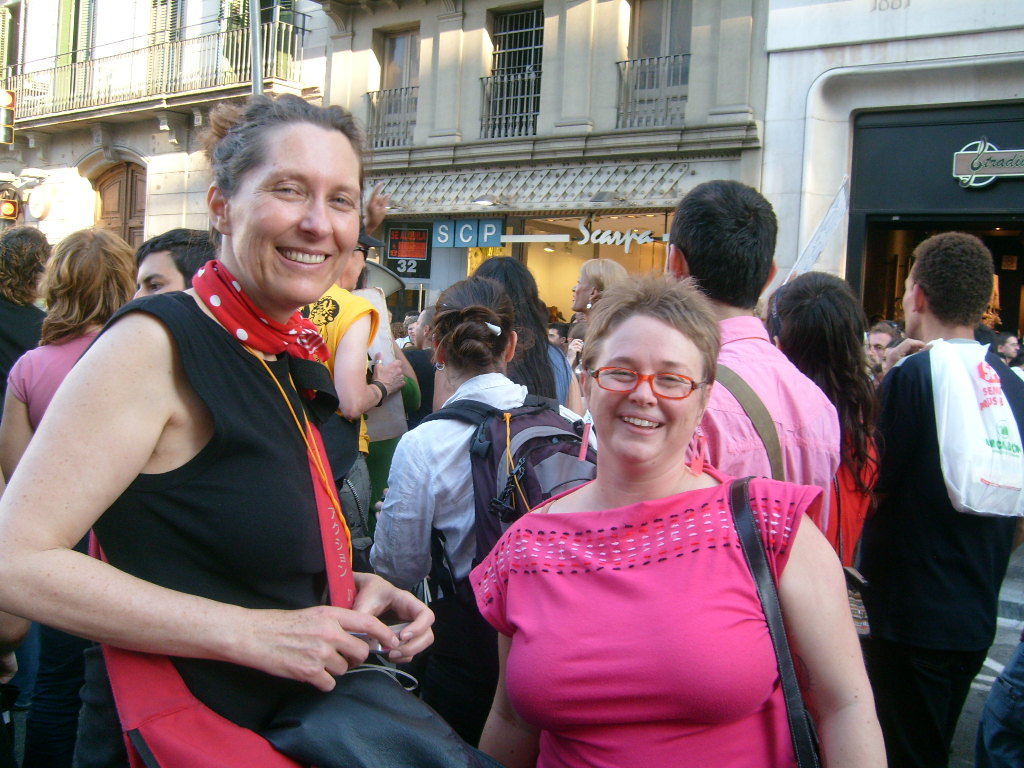
Global Action for Trans Equality (GATE) organised the first of its kind, international trans and intersex advocacy meeting in Barcelona, Spain, with participants from all regions and all continents in June 2010. The meeting consisted of 2 parts. June 1–3 was the Trans* Action = Trans* Rights pre-conference, followed by the International Congress on Gender Identity and Human Rights from June 4 to 6.
This platform created the ideal space for Gabrielle Le Roux and the participants of the “Proudly African and Transgender” project to create art, where Gabrielle drew some of the trans and intersex activists from Africa in a live setting. It is also profound to note that this was the first time the participants of the Project could experience their drawings in a public setting and as part of an exhibition, as it was safer to hold such an exhibition in a neutral space and not on African soil.
Jholerina Angel-Khoetage Timbo from Namibia speaking about her portrait she collaborated on with Gabrielle Le Roux.Some of Gabrielle Le Roux’s “Proudly African and Transgender” portraits.
June 2010 — First Inter-Continental Trans and Intersex Advocacy Meeting Global Action for Trans Equality (GATE) organised the first of its kind, international trans and intersex advocacy meeting in Barcelona, Spain, with participants from all regions and all continents in June 2010. The meeting consisted of 2 parts. June 1–3 was the Trans* Action = […]
Transgender and Intersex Africa (TIA) was founded in 2010 by African transgender individuals to focus on transgender and intersex issues in previously disadvantaged communities in South Africa, such as townships and rural areas, and is formally registered with the Department of Social Development as a Non-Profit Organisation. TIA recognises the multitude of challenges that black transgender and intersex people have in accessing medical assistance in South Africa, largely due to their reliance on the public health care system, and the scarcity of government institutions that are equipped to handle such issues, or their reluctance to do so. TIA aims to hold these institutions accountable, and ensure that they provide health care services to all individuals, without discrimination, and uphold the rights of citizens as enshrined in the constitution. The organisation also endeavours to work with organisations with similar goals in order to make a more significant impact in terms of trans and intersex issues in the country and on continent as a whole.
TIA officially ‘opened its doors’ in Pretoria and became formally known in 2011. Its founder, Tebogo Nkoana, worked at Gender DynamiX(GDX) until TIA was founded in 2010. TIA began working in the northern areas of South Africa, focusing on rural areas and townships.
رؤية
To break the silence and stop the ignorance surrounding the existence of the black transgender and intersex community in South Africa in African communities and bring knowledge of applicable terminologies and a better understanding of trans and intersex identities, while respecting, increasing, and acknowledging indigenous African knowledge of transgender and intersex identity, in order to reduce discrimination and intolerance of transgender, gender non-conforming and intersex individuals in black communities.
مهمة
Transgender and Intersex Africa strives to support transgender and intersex individuals through providing safe spaces for them. The organisation strives to raise awareness through education and training to the transgender and intersex community, their families and general society, keeping in mind the languages and cultural contexts of the black communities which we serve.
Transgender and Intersex Africa (TIA) was founded in 2010 by African transgender individuals to focus on transgender and intersex issues in previously disadvantaged communities in South Africa, such as townships and rural areas, and is formally registered with the Department of Social Development as a Non-Profit Organisation. TIA recognises the multitude of challenges that black […]
Transgender Education & Advocacy (TEA) successfully filed change of name applications on behalf of 3 trans women in 2010. Their names were changed in their passports, but the Kenyan state failed to carry these changes through to their national identity cards.
Transgender Education & Advocacy (TEA) successfully filed change of name applications on behalf of 3 trans women in 2010. Their names were changed in their passports, but the Kenyan state failed to carry these changes through to their national identity cards.
December 2008December 2008200917 May 2009July 2009August 2009August 2009August 200914 October 200920 November 2009December 200910 December 200918 April 20102010May 20102010May 2010June 20102010June 2010
You can include information about your African Organisation/Group
There are many African organisations and individuals who over the years have contributed in invaluable ways to the story of the trans, gender diverse and intersex movements who are not yet included on our Timeline.
نريد الاعتراف بجميع المساهمات التي يمكن التحقق منها وإدراجها.
The Timeline is about your stories and voices. You can find out more about how to contribute by visiting our Contact Us page هنا.