An archive of histories/herstories/theirstories affecting and influencing the trans, gender diverse and ثنائي الجنس movements in Africa
This Timeline of our archive of histories/herstories/theirstories of the trans, gender diverse and intersex movements in Africa and in the Diaspora emerged through the grassroots experiences and memories of the contributing African activists and organisations.
It is often updated with new stories and the Timeline is continually growing.
How to navigate the Timeline
Categories are displayed alphabetically at the top of the Timeline and can be used to filter the results to focus on the research theme chosen. For example, ‘All’ will show you all topics, while ‘Intersex’ will display all entries related to intersex movements and moments.
Alternatively, use the search bar in the menu at the top and bottom of screen to find more specific information.
Categories relating to gender, sex characteristics and sexual orientation have flag icons and colour groups to visually distinguish them from one another:
All
النشطاء
الكل
الفن
ملتمسو اللجوء/المهاجرون/اللاجئون
الصوت والفيديو
Ballroom
المجتمع
المؤتمرات
التنكر عبر الملابس
Depathologisation
الشتات
Drag
أفلام
التنوع بين الجنسين
غير المطابقين للجنسين
Gender-Affirming Healthcare
الرعاية الصحية
HIV/AIDS
Homeless people
في الذكرى
ثنائي الجنسين
المقابلات
أل بي كيو
LBTI
LBTQ
التشريعات
مجتمع الميم عين قاف زائد
Media
غير ثنائي
المنظمات
People living with HIV
Persons with Disabilities
المنشورات
العمل في مجال الجنس
الرياضة
الصحة والحقوق الجنسية والإنجابية
TIHA Articles
ترانس
المتحولون جنسيًا وثنائيو الجنسين
المتحولين جنسياً
Transmasculine
Transsexual
Transvestite
شباب
31 March 2019 — Fundação do Movimento Eu Sou Trans Angola (M.E.S.T.A.) / Founding of I Am Trans Movement Angola
31 March 2019 — Fundação do Movimento Eu Sou Trans Angola (M.E.S.T.A.) / Founding of I Am Trans Movement Angola
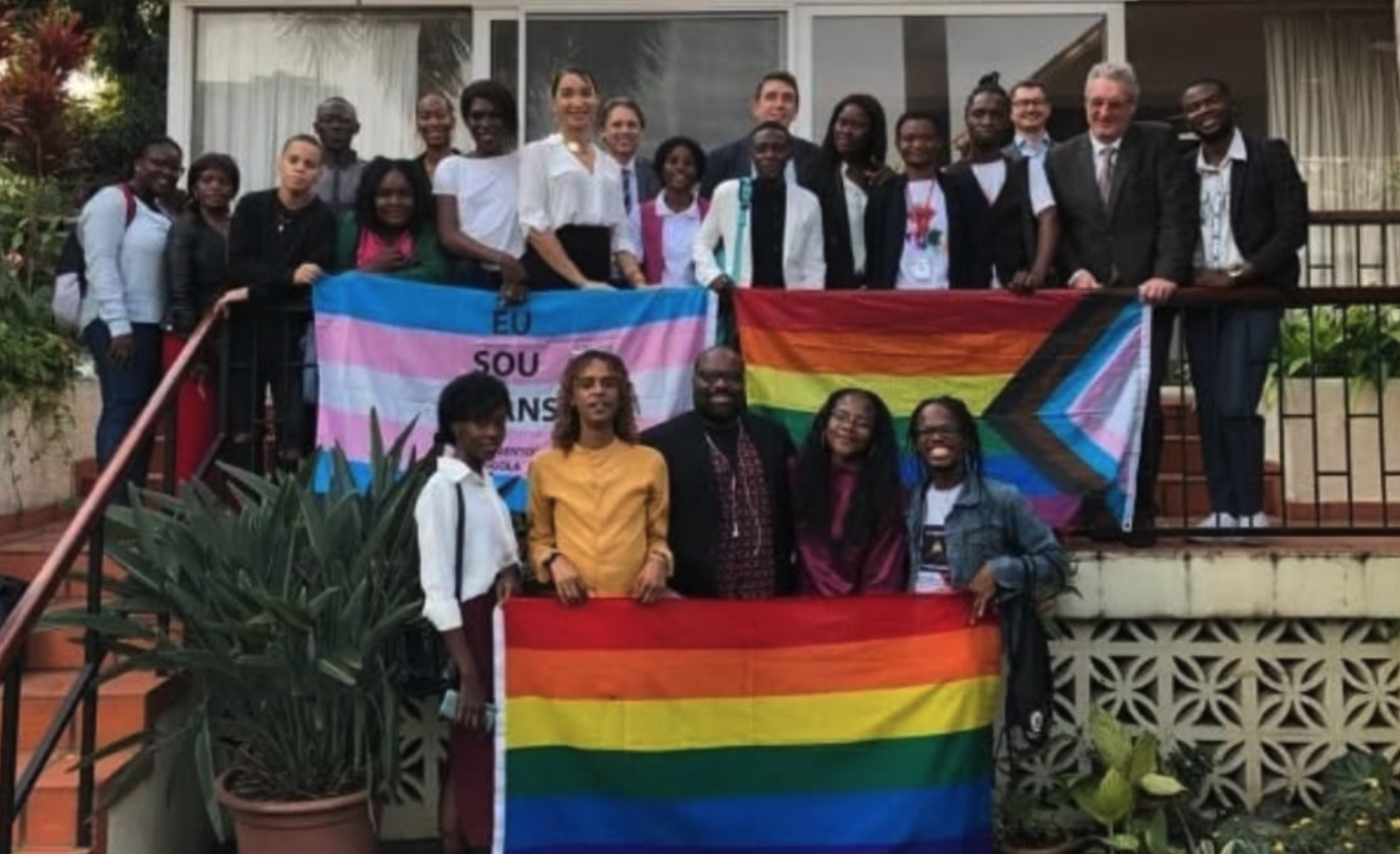
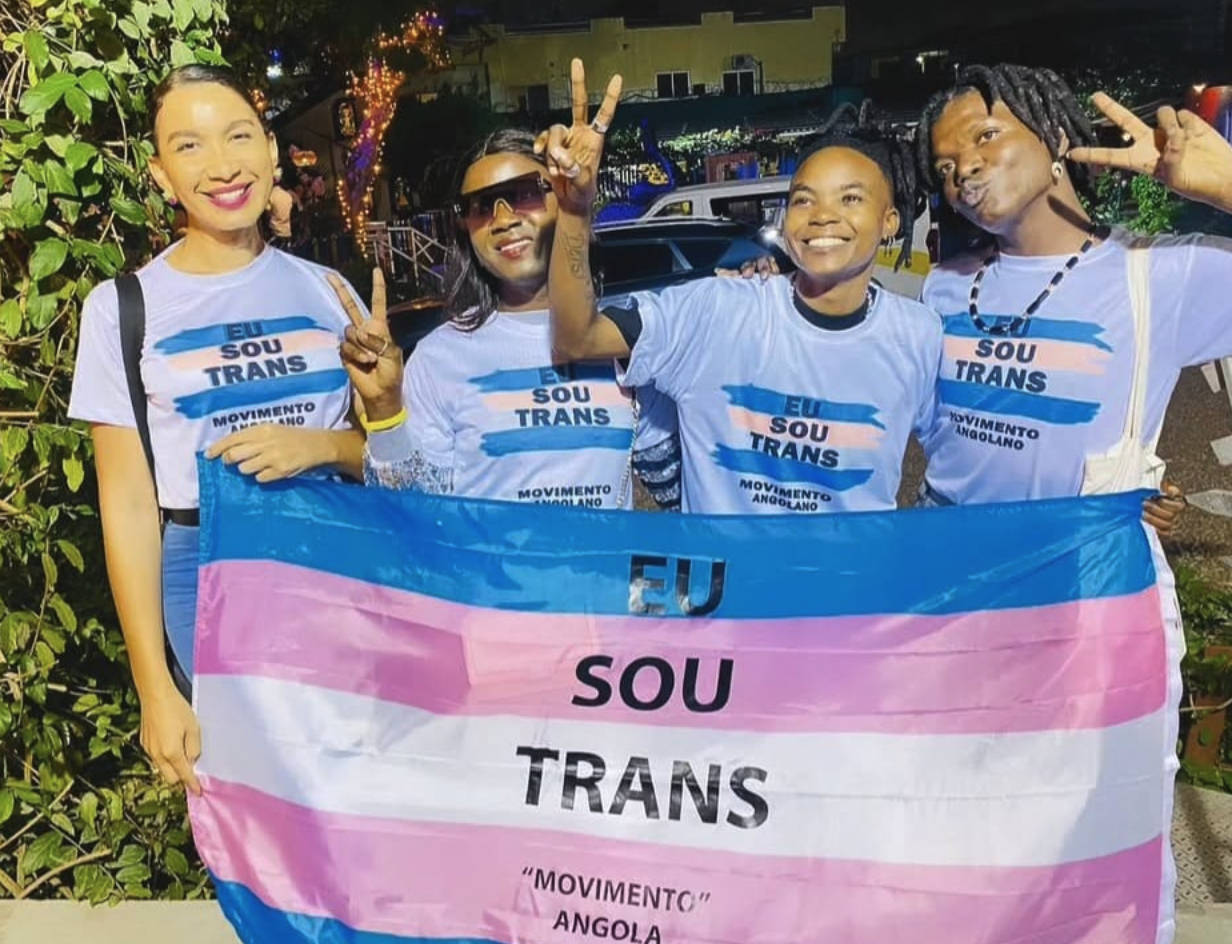
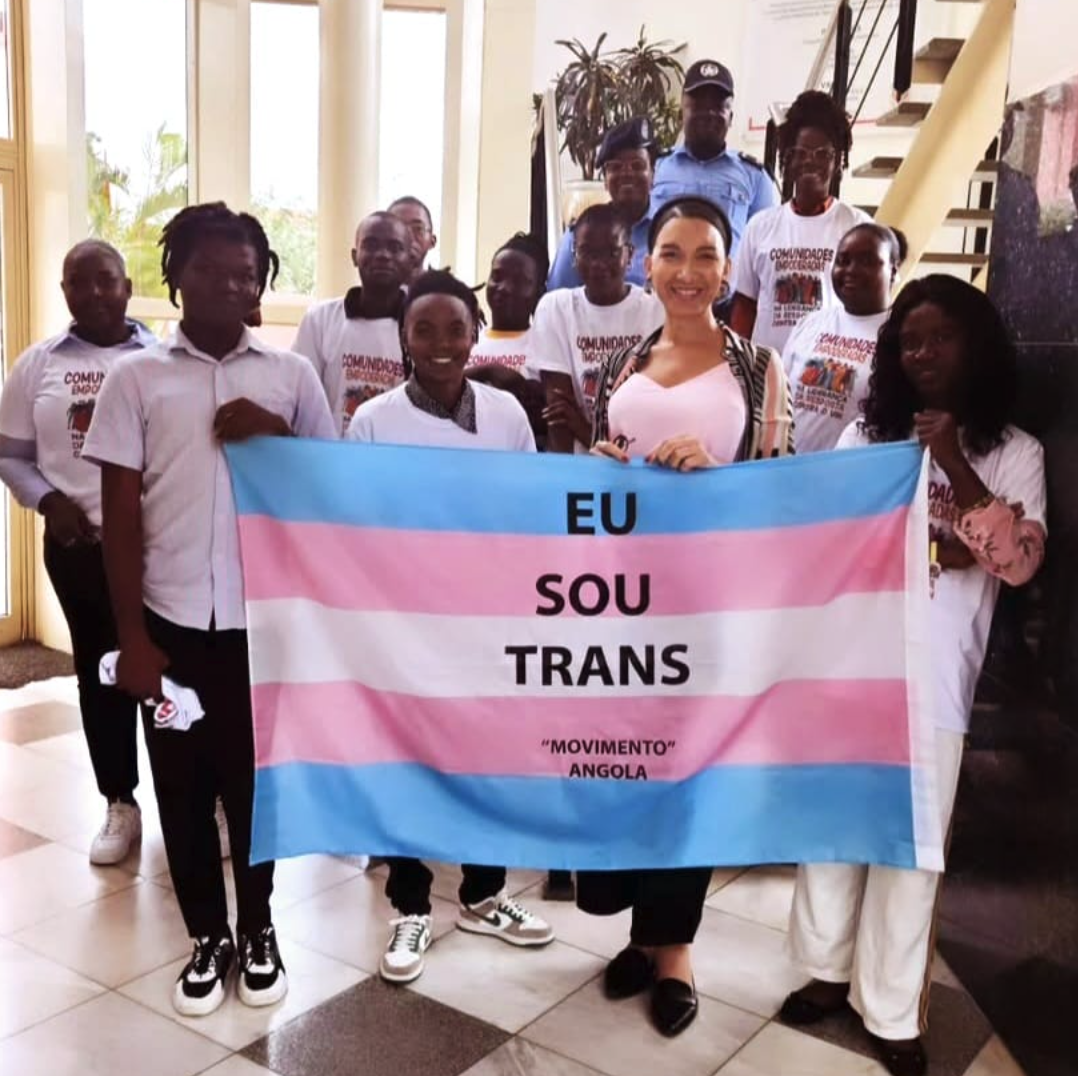
Fundado em 31 de março de 2019 por Imanni Da Silva, o Movimento Eu Sou Trans Angola (M.E.S.T.A.) é uma organização de direitos humanos dedicada às pessoas trans angolanas.
Founded on the 31st of March 2019 by Imanni Da Silva, Movimento Eu Sou Trans Angola (M.E.S.T.A.), translated as I Am Trans Movement Angola, is a human rights organisation dedicated to Angolan trans people.
M.E.S.T.A.
chama a atenção da sociedade para os desafios enfrentados pela comunidade trans devido à discriminação e à violência que sofrem.
destaca a importância dos direitos da comunidade trans na sociedade (acesso a serviços de saúde, educação, segurança e proteção, e emprego).
informa e educa a comunidade trans sobre seus direitos, saúde e questões de segurança.
empodera e apoia vítimas de violência pela forma como expressam sua identidade de gênero.
conscientiza e informa profissionais das áreas de saúde, segurança pública, educação e comunicação social.
A organização ainda não está registrada.
M.E.S.T.A.
draws society’s attention to the challenges faced by the trans community due to the discrimination and violence they suffer.
highlights the importance of the rights of the trans community in society (access to health services, education, security and protection, and employment).
informs and educates the trans community about their rights, health and safety issues.
empowers and supports victims of violence for the way they express their gender identity.
raises awareness, trans and informs professionals in the fields of health, policing, education, and social communication.
The organisation is not yet registered.
A visão / رؤية
Uma Angola onde a comunidade trans tenha maior acesso aos seus direitos e onde a sociedade angolana seja mais tolerante com as pessoas trans.
An Angola where the trans community will have greater access to its rights and that society in Angola will be more tolerant of trans people.
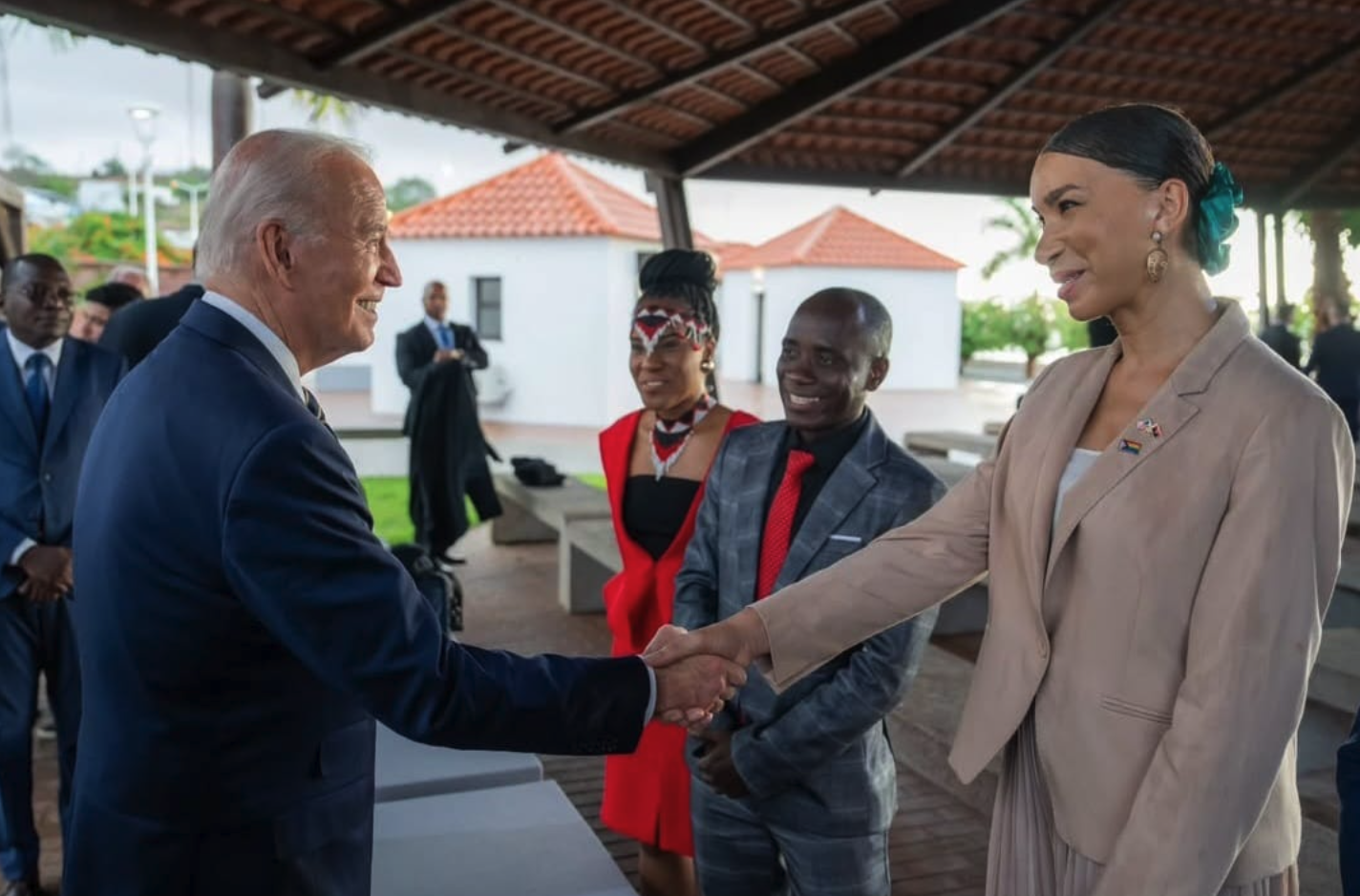
Imanni Da Silva, fundadora e diretora-geral da MESTA, em encontro com o então presidente dos EUA, Joe Biden. Founder and General Director of MESTA, Imanni Da Silva, meeting then US President, Joe Biden
A missão / مهمة
Educar e reeducar a sociedade, bem como a comunidade LGBT, em particular as pessoas trans, sobre seus direitos e a importância de terem voz e acesso à educação, justiça e emprego.
To educate and reeducate society as well as the LGBT community, in particular trans people, regarding their rights and of the importance of them having a voice and access to education, justice and employment.
Objetivos / الأهداف
Interagir com instituições locais e estrangeiras, bem como com partes do governo, a fim de trabalhar em parceria e contribuir para futuras mudanças políticas relativas à inclusão de pessoas trans.
To engage with local and foreign institutions as well as part of government in order to work in partnership and contribute for future political changes regarding the inclusion of trans people.
Áreas de foco / مجالات التركيز
A M.E.S.T.A. realizou campanhas de conscientização em que pessoas trans são as protagonistas, representando as mensagens e os temas de cada campanha de forma concreta. Essas campanhas destacam a existência, a visibilidade, o respeito e o direito à liberdade das pessoas trans:
Eu sou trans
Eu sou visível
Eu tenho direito à vida
Eles também prestaram apoio jurídico em casos de discriminação contra pessoas trans, particularmente mulheres trans e profissionais do sexo, que são vítimas de detenções arbitrárias, e intervieram em sua libertação.
A M.E.S.T.A. também participou de palestras e oficinas sobre estigma e discriminação, bem como sobre empoderamento, em parceria com outras organizações como a A.I.A., a Associação Irís, a revista Queer People e instituições como o PNUD, o INLS (Instituto Nacional de Luta contra a AIDS) e a Secretaria Provincial de Saúde.
M.E.S.T.A has carried out awareness campaigns in which trans people are the protagonists, representing the messages and themes of each campaign in a real way. These campaigns highlight the existence, visibility, respect and right to freedom of trans people:
I Am Trans
I Am Visible
I Have the Right to Life
They have also held provided legal support in cases of discrimination against trans people, particularly trans women and sex workers, who are victims of arbitrary detentions, and intervention in their release.
M.E.S.T.A. has also participated in lectures and workshops on stigma and discrimination, as well as empowerment, in partnership with other organisations such as A.I.A, Associação Irís, Queer People magazine and institutions such as UNDP, INLS (National Institute of fight against AIDS), and the Provincial Health Office.
31 March 2019 — Fundação do Movimento Eu Sou Trans Angola (M.E.S.T.A.) / Founding of I Am Trans Movement Angola Fundado em 31 de março de 2019 por Imanni Da Silva, o Movimento Eu Sou Trans Angola (M.E.S.T.A.) é uma organização de direitos humanos dedicada às pessoas trans angolanas. Founded on the 31st of March 2019 […]
April 2019 — Création de Groupe d’action Féministe Maroc (GAFM) (Feminist Action Group) Maroc / Groupe d’action Féministe Maroc (GAFM) (Feminist Action Group) Founded, Morocco
April 2019 — Création de Groupe d’action Féministe Maroc (GAFM) (Feminist Action Group) Maroc / Groupe d’action Féministe Maroc (GAFM) (Feminist Action Group) Founded, Morocco
Le Groupe d’action féministe marocain (GAFM) a été fondé en avril 2019 par Izgar Belrhali. Le GAFM œuvre pour l’élimination des violences liées à l’expression de genre par une approche intersectionnelle et féministe d’autodéfense. Le GAFM vise à promouvoir l’autodéfense féministe comme moyen d’émancipation en partageant des informations, en établissant des contacts, en menant des actions et en échangeant des expériences au Maroc.
Le groupe n’a pas pu s’enregistrer officiellement car l’existence d’organisations LGBTQIA+ est illégale au Maroc.
Groupe d’action féministe Moroc (GAFM), or Feminist Action Group, was founded in April 2019 by Izgar Belrhali. GAFM works to eliminate gender expression-based violence through an intersectional and feminist self-defence method. GAFM aims to promote feminist self-defence as a means of emancipation through sharing information, establishing contact, creating actions and exchanging experiences in Morocco.
The group has been unable to formally register as it is illegal for LGBTQIA+ organisations to exist in Morocco.
الرؤية / رؤية
GAFM aspire à un Maroc où les jeunes femmes et les communautés marginalisées disposent des outils, des connaissances et de la confiance nécessaires pour mener une vie autonome et épanouie. En favorisant la résilience, l’autonomie et la solidarité, GAFM vise à remettre en question et à transformer les barrières systémiques qui perpétuent les inégalités et les discriminations.
GAFM envisions a Morocco where young women and marginalised communities have the tools, knowledge, and confidence to lead independent, empowered lives. By fostering resilience, self-reliance, and solidarity, GAFM aims to challenge and transform the systemic barriers that perpetuate inequality and discrimination.
مهمة
GAFM se consacre à la promotion et au renforcement des capacités internes des jeunes femmes, des personnes trans et queer au Maroc grâce à des méthodes d’autodéfense féministes et intersectionnelles. Sa mission est d’autonomiser ces groupes par l’éducation, le plaidoyer et la création d’espaces sûrs pour leur développement personnel et collectif.
GAFM is dedicated to promoting and strengthening the internal capacities of young women, trans, and queer communities in Morocco through feminist and intersectional self-defence methods. Their mission is to empower these groups through education, advocacy, and the creation of safe spaces for personal and collective growth.
أهداف / Goals
Autonomisation : Autonomiser les jeunes femmes et les communautés marginalisées du Maroc en leur fournissant les outils, les connaissances et les compétences nécessaires pour mener une vie indépendante et épanouissante.
Éducation et plaidoyer : Sensibiliser le public et défendre les droits des femmes et des personnes LGBTQIA+, en promouvant la connaissance et la compréhension des enjeux liés au genre et à l’orientation sexuelle.
Sécurité et soutien : Créer des espaces sûrs où chacun peut partager son expérience, recevoir du soutien et élaborer des stratégies pour sa sécurité personnelle et collective.
Engagement communautaire : Encourager les initiatives communautaires porteuses de changement durable, en mettant l’accent sur l’amélioration des conditions socio-économiques et de la santé mentale des groupes marginalisés.
Empowerment: To empower young women and marginalised communities in Morocco by providing them with the tools, knowledge, and skills needed to lead independent and fulfilling lives.
Education and advocacy: To educate the public and advocate for the rights of women and LGBTQIA+ individuals, promoting awareness and understanding of issues related to gender and sexual orientation.
Safety and support: To create safe spaces where individuals can share experiences, receive support, and develop strategies for personal and community safety.
Community engagement: To foster community-led initiatives that drive sustainable change, focusing on improving socio-economic and mental health outcomes for marginalised groups.
April 2019 — Création de Groupe d’action Féministe Maroc (GAFM) (Feminist Action Group) Maroc / Groupe d’action Féministe Maroc (GAFM) (Feminist Action Group) Founded, Morocco Le Groupe d’action féministe marocain (GAFM) a été fondé en avril 2019 par Izgar Belrhali. Le GAFM œuvre pour l’élimination des violences liées à l’expression de genre par une approche […]
19 April 2019 — Founding of Entrepreneur Empowerment and Advocacy (EEA-Health), Kenya
Founded on 19 April 2019, Entrepreneur Empowerment and Advocacy (EEA-Health) seeks to empower the trans, intersex and gender non-conforming (TIGNC) refugee communities of Kenya. It provides crucial support to asylum seekers fleeing Uganda’s oppressive anti-LGBTQ+ laws. EEA-Health aims to create a safe and empowering environment for those who have faced persecution, helping them navigate the numerous challenges they encounter upon arriving in Kenya. The organisation is registered, but not as an LGBTIQ+ organisation due to safety issues. EEA-HEALTH is a member of the Grassroots Justice Network.
رؤية
To empower trans, intersex and gender non-conforming (TIGNC) refugees and asylum seekers by championing their rights through legal, social, and economic initiatives. To create a safe and inclusive environment where every individual, regardless of gender identity or sexual orientation, can thrive and reach their full potential.
مهمة
To advocate for equal rights and create sustainable welfare for TIGNC refugees and asylum seekers in Kenya. To empower TIGNC individuals through legal reforms, policy advocacy, and economic empowerment initiatives to help them achieve better livelihoods and live with dignity and respect.
Thematic Focus Areas
Advocating for ITGNC rights
EEA-Health is dedicated to promoting the rights of TIGNC refugees and asylum seekers. Through legal advocacy, they fight for law and policy reforms that recognise and protect the rights of sexual minorities. The organisation collaborates with queer-friendly lawyers to offer pro-bono legal services and consultations, ensuring that TIGNC individuals have access to justice and legal protection.
Legal protection for refugees and asylum seekers
The organisation provides comprehensive legal and paralegal services to TIGNC refugees and asylum seekers, addressing issues such as asylum claims, discrimination, and human rights violations. Support includes offering security and safety training, raising awareness against homophobia and transphobia, and supporting victims of abuse through consultation and legal intervention.
Gender-based violence (GBV) and Intimate Partner Violence (IPV) awareness
EEA-Health actively advocates against GBV and IPV within the local and TIGNC communities. They conduct campaigns and provide education to raise awareness about these issues, offering support and resources to victims. Their programmes aim to create safer environments and promote respectful and non-violent relationships.
Sexual and Reproductive Health Rights awareness
In collaboration with Amplify Change and the Trans Refugee Empowerment Network Africa (TRENA), the organisation runs awareness programmes on sexual and reproductive health rights. This 18-month initiative (2024—2025) focuses on educating TIGNC individuals about their health rights, providing essential health services, and ensuring access to reproductive healthcare.
Psychosocial support for people who use drugs
EEA-Health offers psychosocial support for TIGNC individuals who use drugs, including trans sex workers, those on hormone therapy, and individuals living with HIV/AIDS. Supported by UHAI-EASHRI in 2022-2023, this programme provides counseling, health services, and support networks to help improve the overall wellbeing of these individuals.
Climate change advocacy
Recognising the impact of climate change on LGBT+ refugee rights, EEA-Health advocates for climate justice and its implications on vulnerable communities. They engage in campaigns and educational programmes to highlight how climate change disproportionately affects LGBT+ refugees, aiming to develop adaptive strategies and resilience within these communities.
Community support and inclusion
EEA-Health believes in creating a welcoming and supportive environment for all. They offer a range of services and programs that empower TIGNC refugees and asylum seekers to achieve their full potential. The organisation’s shelter provides a safe space for up to 10 refugees, while their advocacy and support services ensure that every individual feels valued and respected. By addressing these thematic areas and leveraging their strengths, EEA-Health continues to champion for the rights of TIGNC individuals, advocating for a just and inclusive society where everyone can live with dignity and respect.
مجالات العمل
Provide safe housing and emergency support: To offer secure shelter for ITGNC asylum seekers fleeing persecution and ensure access to essential services for displaced individuals.
Enhance economic empowerment and sustainability: Developing livelihood programs through vocational training to catalyse financial independence through skills development and entrepreneurship.
Strengthen legal and documentation support: To ensure asylum seekers obtain legal protection and documentation through legal aid and advocacy for those facing discrimination or violence.
Promote health and well-being: To improve access to sexual and reproductive health services, including HIV/AIDS care and mental health support through campaigns and referral systems.
Advance advocacy and protection for ITGNC refugees: Raising awareness on LGBTQ+ refugee rights and Gender-Based Violence through advocacy and policy engagement to enhance movement building.
اتصل
موقع ويب +254757615931 / +254792747788 Email: refugees@empowermentadvocacy.org فيسبوك
19 April 2019 — Founding of Entrepreneur Empowerment and Advocacy (EEA-Health), Kenya Founded on 19 April 2019, Entrepreneur Empowerment and Advocacy (EEA-Health) seeks to empower the trans, intersex and gender non-conforming (TIGNC) refugee communities of Kenya. It provides crucial support to asylum seekers fleeing Uganda’s oppressive anti-LGBTQ+ laws. EEA-Health aims to create a safe and […]
June 2019 — Fondation de Kitumaini ASBL, République Démocratique du Congo / Founding of Kitumaini ASBL, Democratic Republic of Congo
Fondée le 28 juin 2019 par Patrick Maliani, Kitumaini ASBL œuvre principalement auprès des personnes transgenres et de genres divers en République démocratique du Congo, œuvrant pour une société plus inclusive, où les personnes transgenres sont reconnues. C’est une organisation transféministe qui travaille avec les communautés trans et non binaires, les jeunes et les adultes trans, les survivantes de violences basées sur le genre (VBG), les militants des droits humains, les travailleurs sociaux et de santé, ainsi que les institutions et acteurs engagés en faveur de l’égalité et des droits humains. L’organisation les droits à la santé sexuelle et reproductive (DSSR) sans discrimination
Founded on 28 June 2019 by Patrick Maliani, Kitumaini ASBL primarily serves trans and gender diverse people in the Democratic Republic of Congo, working towards a more inclusive society where trans people are recognised. It is a transfeminist organisation that works with trans and non-binary communities, trans youth and adults, survivors of gender-based violence (GBV), human rights activists, health and social workers, and institutions and stakeholders committed to equality and human rights. The organisation also defends reproductive health and rights (SRHR) for trans, gender diverse and non-binary communities free from discrimination.
La Vision / رؤية
Nous aspirons à la reconnaissance légale de l’identité de genre et à l’amélioration des conditions de vie des personnes transgenres pour une véritable inclusion en République Démocratique du Congo.
Kitumaini strives for legal recognition of gender identity and improved living conditions for trans people for true inclusion in the Democratic Republic of Congo.
مهمة
L’Association a pour mission de promouvoir les droits humains à travers une approche basée sur le respect de la diversité et de l’inclusion, en mettant un accent particulier sur les personnes transgenres afin de renforcer leur leadership dans les différents secteurs de la vie.
The Association’s mission is to promote human rights through an approach based on respect for diversity and inclusion, with a particular focus on trans people in order to strengthen their leadership in different sectors of life.
أهداف / Goals
Elle poursuit notamment les objectifs suivants :
Accompagner et soutenir les personnes transgenres , en particulier celles n’ayant pas retenu d’une éducation scolaire de base, à travers des programmes d’apprentissage en alphabétisation, art culinaire, pâtisserie, coiffure, couture et autres initiatives visant à les outiller pour une meilleure insertion socio-économique.
Sensibiliser les personnes transgenres aux droits à la santé sexuelle et reproductive , en leur fournissant des informations pertinentes sur leur sexualité afin de garantir un accès équitable aux soins et aux services adaptés.
Renforcer les compétences entrepreneuriales des personnes transgenres , en mettant en place des stratégies d’autonomisation économique à travers l’épargne, le crédit et le développement d’activités génératrices de revenus pour lutter contre la pauvreté.
Mobiliser les associations de la société civile, les entreprises et les organisations partageant les mêmes valeurs , afin de favoriser la mise en œuvre de projets communs en faveur des droits et du bien-être des personnes transgenres.
Lutter contre la transphobie, la stigmatisation, la discrimination et toutes formes de violences basées sur l’orientationbasé sur l’orientation sexuelle, l’identité et l’expression de genre.
Plaider auprès des décideurs politiques pour une approche inclusive , afin d’intégrer les réalités et les besoins des personnes transgenres dans les différents programmes de développement du pays.
Encourager la participation des personnes transgenres aux manifestations et forums internationaux , afin de promouvoir l’inclusion, la diversité, l’égalité des genres et les droits humains à l’échelle mondiale.
Soutenir et consolider un mouvement féministe transgenre , en assurant un suivi et une évaluation continue des nouveaux défis auxquels sont confrontées les personnes marginalisées, tout en développant des stratégies adaptées pour y faire face.
Objectives include:
Supporting and assisting trans people, particularly those who have not received a basic education, through learning programs in literacy, culinary arts, baking, hairdressing, sewing, and other initiatives aimed at equipping them for better socioeconomic integration.
Raising awareness among trans people about sexual and reproductive health rights by providing them with relevant information about their sexuality in order to ensure equitable access to appropriate care and services.
Strengthening the entrepreneurial skills of trans people by implementing economic empowerment strategies through savings, credit and the development of income-generating activities to combat poverty.
Mobilising civil society associations, businesses and organisations sharing the same values, in order to promote the implementation of joint projects in favour of the rights and well-being of trans people.
Fighting against transphobia, stigma, discrimination and all forms of violence based on sexual orientation, gender identity and expression.
Advocating with policy makers for an inclusive approach, in order to integrate the realities and needs of trans people into the country’s various development programmes.
Encouraging the participation of trans people in international events and forums, in order to promote inclusion, diversity, gender equality and human rights globally.
Supporting and consolidating a transfeminist movement, ensuring continuous monitoring and evaluation of the new challenges faced by marginalized people, while developing appropriate strategies to address them.
مجالات التدخل مجالات التركيز
Droits humains et plaidoyer
Sensibilisation et lutte contre les discriminations et violences basées sur l’identité et l’expression de genre
Plaidoyer pour la reconnaissance légale de l’identité de genre et l’inclusion des personnes transgenres dans les politiques publiques
Accompagnement juridique des personnes trans victimes de violations de leurs droits
Santé et bien-être
Accès aux soins de santé adaptés et lutte contre les discriminations médicales
Promotion des droits à la santé sexuelle et reproductive (DSSR) sans discrimination
Soutien psychologique et social aux personnes transgenres confrontées à la marginalisation
Autonomisation économique et inclusion sociale
Renforcement des compétences des personnes trans par la formation professionnelle (coiffure, couture, art culinaire, etc.)
Développement de projets d’entrepreneuriat social et d’activités génératrices de revenus
Accès aux opportunités économiques et financières pour réduire la précarité et l’exclusion
Éducation et renforcement des capacités
Alphabétisation et éducation de base pour les personnes trans n’ayant pas eu accès à l’école
Formation sur les droits, le leadership et la participation citoyenne des personnes transgenres
Création d’espaces d’échange et de partage d’expériences pour le renforcement du mouvement trans féministe
Sécurité et protection des personnes transgenres
Soutien aux personnes transgenres victimes de violences et d’exclusion sociale
Hébergement temporaire pour les personnes en situation de grande vulnérabilité
Sécurisation numérique et protection contre les cyberviolences ciblant la communauté trans
Ces axes d’intervention permettent à Kitumaini ASBL de répondre aux besoins spécifiques des personnes transgenres en République Démocratique du Congo et de contribuer à une société plus inclusive et égalitaire.
Human Rights and Advocacy
Raising awareness and combating discrimination and violence based on gender identity and expression
Advocating for the legal recognition of gender identity and the inclusion of transgender people in public policies
Legal support for trans people whose rights are violated
Access to appropriate healthcare and the fight against medical discrimination
Promotion of sexual and reproductive health and rights (SRHR) without discrimination
Psychological and social support for trans people facing marginalisation
Economic empowerment and social inclusion
Strengthening the skills of trans people through vocational training (hairdressing, sewing, culinary arts, etc.)
Development of social entrepreneurship projects and income-generating activities
Access to economic and financial opportunities to reduce poverty and exclusion
Education and capacity building
Literacy and basic education for trans people who have not had access to school
Training on the rights, leadership, and civic participation of trans people
Creation of spaces for exchange and sharing experiences to strengthen the transfeminist movement
Safety and protection of trans people
Support for trans people who are victims of violence and social exclusion
Temporary housing for people in situations of extreme vulnerability
Digital security and protection against cyberviolence targeting the trans community
These areas of intervention enable Kitumaini ASBL to meet the specific needs of trans people in the Democratic Republic of Congo and contribute to a more inclusive and egalitarian society.
* Malheureusement, le site web et les réseaux sociaux de Kitumaini ne sont plus fonctionnels en raison d’un manque de financement. Au nom de Kitumaini, nous invitons tous les bailleurs de fonds susceptibles de soutenir son action à les contacter aux adresses e-mail ci-dessus.
* Unfortunately Kitumaini’s website and social media pages are no longer functional due to a lack of funding. On behalf of Kitumaini we call on any funders able to aid their work to contact them on the email addresses above.
June 2019 — Fondation de Kitumaini ASBL, République Démocratique du Congo / Founding of Kitumaini ASBL, Democratic Republic of Congo Fondée le 28 juin 2019 par Patrick Maliani, Kitumaini ASBL œuvre principalement auprès des personnes transgenres et de genres divers en République démocratique du Congo, œuvrant pour une société plus inclusive, où les personnes transgenres […]
23 سبتمبر 2019 - انتصار المحكمة لامرأة متحولة جنسياً مسجونة، جنوب أفريقيا
After filing the case in 2016, Jade September won her court case at the Equality Court in the Western Cape, South Africa, on 23 September 2019. Ms September alleged that she had suffered numerous discriminatory actions by staff at the men’s facility at the Helderstroom Prison in Caledon, Cape Town, South Africa. In her court application, Ms September said that she was forced to cut her hair and that
“the heads of Helderstroom and the Malmesbury correctional facilities had failed to allow her to express her gender identity by not allowing her to wear female underwear, jewellery or make-up.”
“from now on, all prisons in South Africa must respect, protect, and promote the rights of transgender inmates. They cannot deny any trans person the right to express their gender identity, and they cannot force trans and gender non-binary inmates to behave or present in a way that conflicts with their identity. The judgment makes it clear that a person’s gender identity is part of their rights to equality, human dignity, and freedom of expression. If you deny a person the right to express their gender identity, you are violating those rights [and that her client, Ms September] is especially happy that this judgment is not only a win for her, but for many others like her stuck in a binary prison system, and trans people generally in South Africa whose existence and rights are ignored.”
The following press release was issued by the Legal Resources Centre, Gender DynamiX, Lawyers for Human Rights, the Triangle Project and Iranti:
“On Monday 23 September 2019, the Equality Court in the Western Cape handed down its judgment in the matter of September vs Subramoney N.O and Others. Ms. September is a transgender woman currently serving a prison sentence inside a male correctional facility. While incarcerated, prison officials denied her the right to express her gender through her hairstyle, dress, and use of small amounts of make-up. She has also been subject to verbal abuse and harassment from prison officials, and at one stage placed in segregated confinement after trying to express her gender.
Ms September sought relief from the Court for the violation of her fundamental constitutional rights to equality and human dignity, including an order that the respondents permit her to express her gender, and that her gender identity be respected and protected while incarcerated. Ms. September was represented by Lawyers for Human Rights, and her matter was heard on 26 and 27 November 2018. Gender Dynamix, represented by the Legal Resources Centre, were admitted as friends of the court.
We welcome and celebrate the judgment delivered by the Equality Court, which we believe is central to the promotion of the rights of transgender and gender diverse persons in South Africa. These classes of persons remain marginalised and ignored by the law and its application.
In a fundamental judgment, the Court held that refusal to allow a transgender person to express their gender identity is unfair discrimination that violates both the right to equality and section 8 of the Promotion of Equality and Prevention of Unfair Discrimination Act. The Court therefore ordered prison officials to allow Ms. September and others similarly placed to wear female underwear, keep her hair long and wear make-up, as well as address her as a woman and use female pronouns when referring to her. The Department of Correctional Services was also ordered to introduce transgender sensitivity training for current and new employees.
Critically, the Court reiterated that the incarceration of a person does not in any way excuse the State from fulfilling the obligation to respect, protect, promote and fulfil the rights of the applicants and others similarly placed. The Court emphasised the importance of the right to equality and how it links with the ability to express one’s gender identity. Further, the Court also correctly noted that Ms. September’s case was not just about equality, but also included the rights to dignity, freedom of expression and dignified detention, among others. The court explained that the respect for dignity requires the recognition of and respect for the unique identity and expression of each individual. The right to dignity therefore includes the right to express one’s gender identity.
The Court highlighted the linkages of the right to equality and the right to freedom of expression. The Court found that Ms. September had been denied her personal freedom to develop and express her gender identity which violated her right to freedom of expression. The court stressed that the infringement of freedom of expression is particularly severe when it is connected to other rights.
Importantly, the Court recognised the applicability of the Yogyakarta Principles and Yogyakarta Principles Plus 10 to the South African human rights context, citing “the obligation on the State to ‘repeal any law that prohibits or criminalises the expression of gender identity, including through dress, speech or mannerisms, or that denies to individuals the opportunity to change their bodies as a means of expressing their gender identity‘” (Principle 6). The Court also emphasised the right to treatment with humanity while in detention (Principle 9), which says that the State must “ensure that placement in detention avoids further marginalising persons on the basis of sexual orientation or gender identity or subjecting them to risk of violence, ill-treatment or physical, mental or sexual abuse.”
We welcome this groundbreaking judgement as it is an important development of the South African jurisprudence on the rights to gender identity and gender expression, and a significant step towards greater protection and realisation of the human rights of transgender and gender diverse people in South Africa. We urge all government departments to take note of this judgement and ensure that their laws, policies and practices comply with human rights standards on gender recognition for transgender and gender diverse persons.”
23 September 2019 — Court Victory for Incarcerated Trans Woman, South Africa After filing the case in 2016, Jade September won her court case at the Equality Court in the Western Cape, South Africa, on 23 September 2019. Ms September alleged that she had suffered numerous discriminatory actions by staff at the men’s facility at […]
October 2019 — Founding of Intersexions.org, Lesotho, South Africa and Swaziland
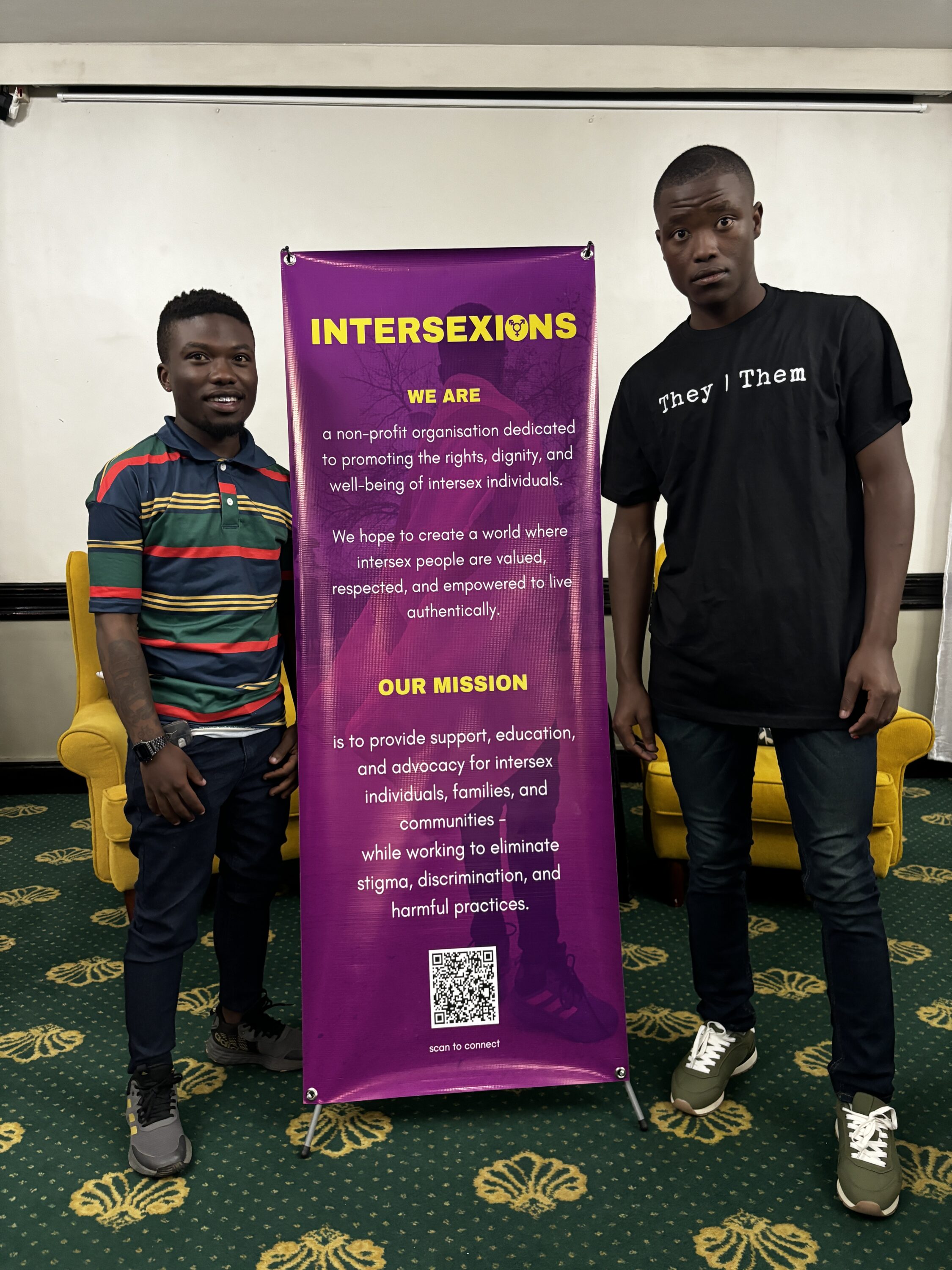
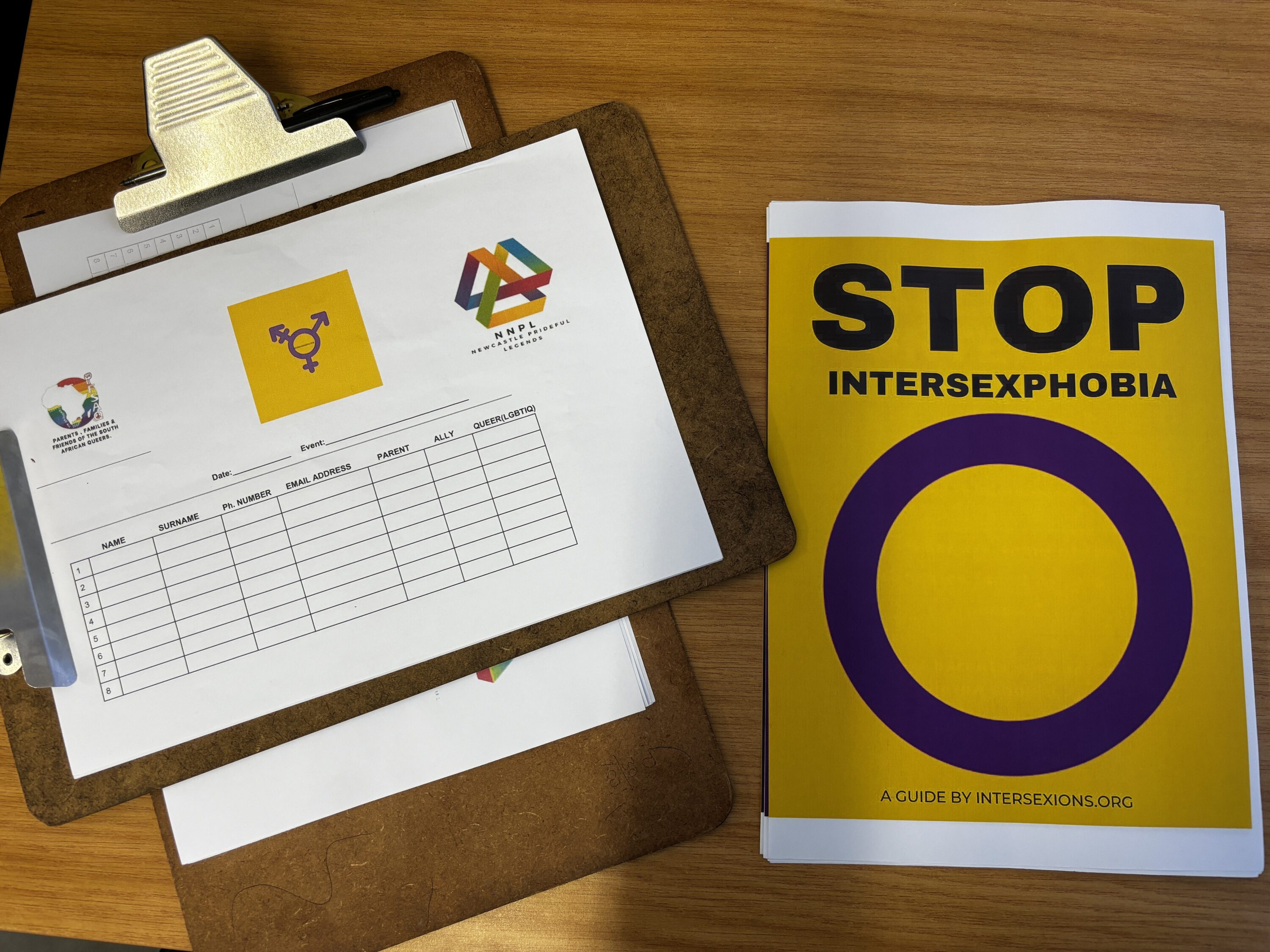
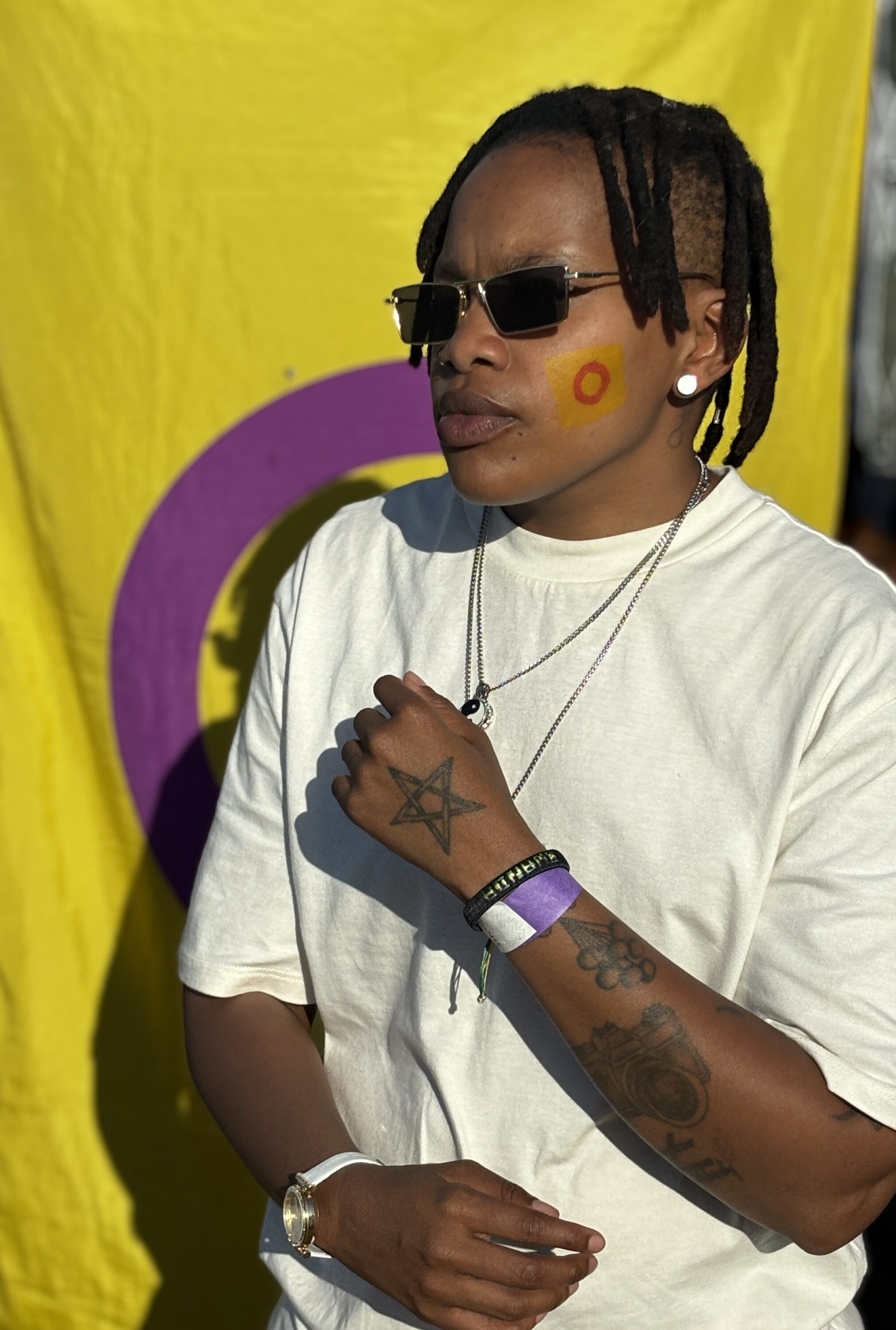
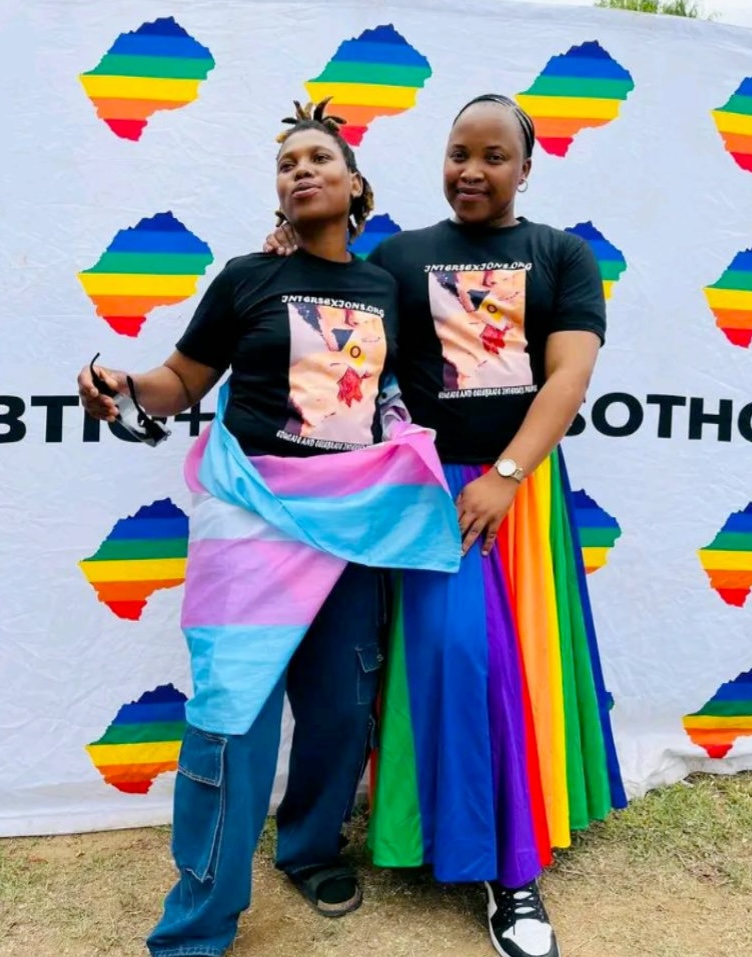
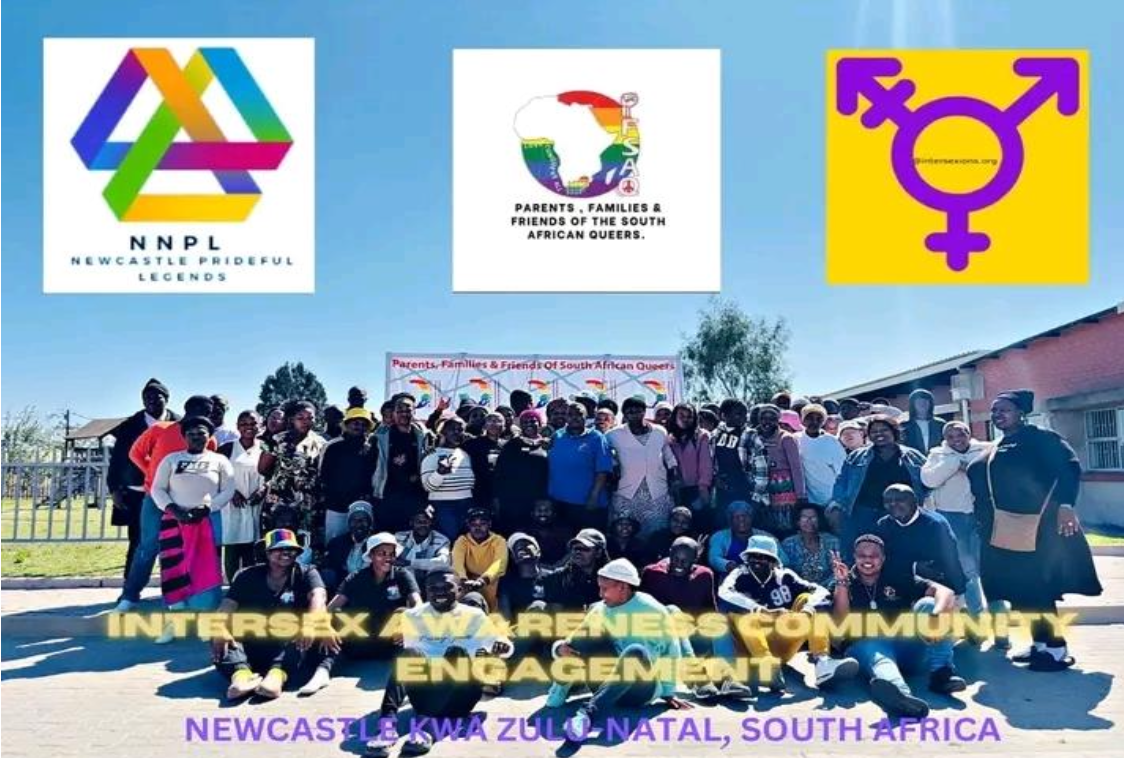
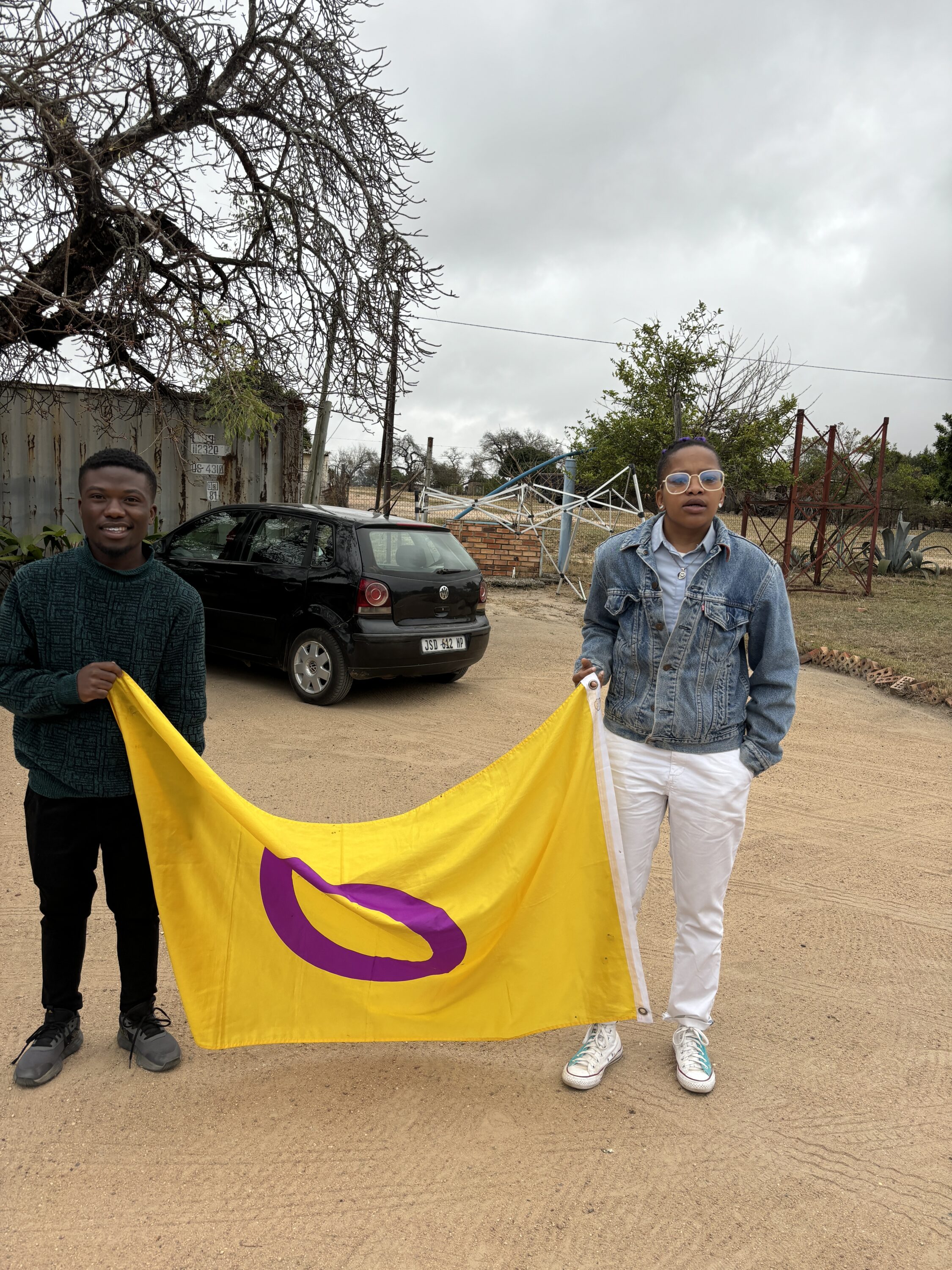
Founded in October 2019 by Lungile Peaceworth Maquba, Intersexions.org is an intersex rights organisation based in Lesotho, South Africa and Swaziland (eSwatini). The focus of their work is advocacy, support and education aimed at intersex individuals, parents of intersex people, and their allies. While their work is centred in these countries, they envision their work reaching global communities of intersex people and their allies. The organisation was registered in 2019.
رؤية
To create a world where intersex people live freely, without fear of discrimination, stigma, or harm, and with dignity and respect.
مهمة
To provide support, education and advocacy for intersex individuals, families and communities – while working to eliminate stigma discrimination, and harmful practices.
October 2019 — Founding of Intersexions.org, Lesotho, South Africa and Swaziland Founded in October 2019 by Lungile Peaceworth Maquba, Intersexions.org is an intersex rights organisation based in Lesotho, South Africa and Swaziland (eSwatini). The focus of their work is advocacy, support and education aimed at intersex individuals, parents of intersex people, and their allies. While […]
Established 25 November 2019, Intersex Nigeria (Center for Healthcare Development and Youth Empowerment) was founded by Obioma Chukwuike in response to the critical need for dedicated support, advocacy and visibility for intersex persons in Nigeria. According to Obioma,
“The organisation was born out of a recognition of the systemic challenges and societal stigmas faced by the intersex community.
We promote and advocate for the sexual reproductive health, self-determination, bodily autonomy and overall human rights of intersex people in Nigeria.
Through community building, advocacy, evidence-based research, empowerment, educational and informational resources on intersex-related issues to the public, partners, stakeholders and our community.
Intersex Nigeria is a body by and for people with intersex variations. We promote the human rights, self-determination and bodily autonomy of intersex people in Nigeria. We build community, evidence, capacity, education and information resources. Our goals are to help create a society where our bodies are not stigmatized and discriminated against, and where our rights as a people are recognized and respected.”
رؤية
A society where intersex persons, from birth, have rights to bodily integrity and autonomy and are free from stigma and discrimination.
مهمة
To create an enabling society that promotes the visibility, inclusion, bodily autonomy, sexual and reproductive health including mental well-being and human rights of intersex persons in Nigeria, through community organising, research, advocacy, and public engagements using a feminist lens.
الأهداف
Advocacy: Lead advocacy efforts and strategies to influence and sustain policies and laws that protect and promote intersex rights.
Information and education: Utilise digital platforms and printed materials to distribute developed accessible educational resources on intersex issues, to broaden public awareness and understanding of intersex rights and needs.
Strategic partnerships: Form strategic partnerships with organizations that align with our mission, through movement building, resource mobilisation, and collaborations to support key human rights initiatives.
Empowerment and support: Establish and maintain a comprehensive support network for intersex persons and their families, through online and in-person forums and activities.
Stakeholder engagement: Increase recognition and support for intersex rights by securing commitments from key stakeholders across healthcare, legal, policy, human rights and other sectors, ensuring their active participation in initiatives for intersex individuals.
Founder and Executive Director of Intersex Nigeria – Obioma Chukwuike
Strategic Priorities
Sexual Reproductive Health and Rights: Intersex Nigeria develops and implements comprehensive sexuality education programs that provide accurate information about sexual and reproductive health, including topics such as contraception, HIV and STI prevention, consent, gender equality, and reproductive rights.
Capacity strengthening and building: The organisation outlines a comprehensive road map for systems strengthening aimed at organisational development, introducing trends of best practices and technology to equip both intersex persons and staff with essential life competency skills.
Human rights and advocacy: Intersex Nigeria conducts thorough research to understand the human rights issues affecting the communities they serve, and documents human rights violations, collect data, and gather testimonies from affected individuals to build evidence for advocacy campaigns.
Movement building and partnership: The organisation collaborates and networks with other rights-based groups and networks to build a resilient intersex movement, enhancing the visibility of intersex persons over time.
Peer and family support: The organisation’s peer and family support focuses on the goals of creating support groups within the NGO where individuals facing similar challenges or experiences can come together to share their stories, provide mutual encouragement, and offer practical advice.
مجالات العمل
Raising awareness: Educating the public, policymakers, healthcare professionals, and communities about intersex variations and the harmful effects of genital manipulation surgeries. Raising awareness about the rights of intersex people and the importance of bodily autonomy and self-determination.
Training for healthcare professionals: Providing training and education for healthcare professionals on intersex variations, human rights principles, and best practices for supporting intersex patients and families. Advocate for culturally competent and affirming healthcare services for intersex individuals.
Advocacy for legal protections: Advocate for legal protections against non-consensual medical interventions on intersex individuals, including genital surgeries. Work to ensure that laws and policies uphold the rights of intersex people to make informed decisions about their bodies and healthcare.
Medical ethics and guidelines: Advocate for the development and implementation of medical ethics guidelines that prohibit non-consensual genital surgeries on intersex infants and children. Promote patient-centered care and informed decision-making in healthcare settings.
25 November 2019 — Founding of Intersex Nigeria Established 25 November 2019, Intersex Nigeria (Center for Healthcare Development and Youth Empowerment) was founded by Obioma Chukwuike in response to the critical need for dedicated support, advocacy and visibility for intersex persons in Nigeria. According to Obioma, “The organisation was born out of a recognition of […]
20 December 2019 — Initiative of Trans With a Mission-Uganda (ITWAM) Founded, Uganda
The Initiative of Trans with a Mission-Uganda (ITWAM) was founded by Gafidyn Rae Wesonga and a few other members of the trans community on 20 December 2019 (names withheld for safety reasons). They’re a rural, indigenous, non-hierarchical, transfeminist, youth-led community-based organisation.
رؤية
ITWAM envisions a society free from stigmatisation and discrimination of trans and gender-diverse persons; where all trans members are valued and gender diversity is celebrated with self-awareness, intersectionality and evolution of the needs of a diverse and resilient trans community.
مهمة
ITWAM’S mission is to strengthen all rights of rural trans and gender-diverse persons including those with disabilities and living with HIV, by representing their diverse needs within human rights strategies in Uganda to meet their needs in the local community.
الأهداف
Their main objectives are promoting rural trans and gender-diverse members’ sexual reproductive health rights, human rights, and mental health well-being with bodily integrity and autonomy, and self-determination with esteem. They advocate for access to quality healthcare, socio-economic empowerment and transformation through upskilling and capacity building of rural trans members and policy change advocacy (in other words trans-ifying policies and legal frameworks) to protect trans persons and all their human rights entitlements.
Gafidyn Rae Wesonga, the co-founder and team leader of ITWAM
Rural trans and gender-diverse individuals of Eastern Uganda participating in an ITWAM-organised training and workshop in April 2023
Gafidyn representing rural trans individuals at the National Trans Forum
مجالات التركيز
ITWAM’s primary focus areas include:
Policy Change Advocacy: They develop strategies to put trans people at the forefront of benefits, and engage in dialogues with stakeholders, state actors, and government institutions to address trans-related issues. They collaborate with partners like the Human Rights Awareness and Promotion Forum (HRAPF), Tranz Network Uganda (TNU), among others.
Media Activism: ITWAM mobilises rural trans individuals to participate in various trans-inclusive activities. They express views and concerns about their rights, call out human rights violations, create visibility for trans and gender-diverse persons in rural areas, and engage in discussions on social media platforms such as Facebook, Twitter, and Instagram.
Advocacy for Sexual Reproductive Health Rights: They create awareness about sexually transmitted diseases, sensitise rural trans persons on prevention and treatment, and engage with government health projects without discrimination. They have partnered with organisations like The AIDS Support Organization (TASO), Uganda Network of Young Persons Living with HIV (UNYPLHIV), and Mbale Network of Young Persons Living with HIV.
ITWAM works towards advancing equity, equality, and the quality of life for trans and gender-diverse persons, including those with disabilities, HIV, and trans sex workers in Eastern Uganda and Uganda as a whole. The organisation adopts a non-hierarchical leadership approach that encourages functional diversity, making the team flexible and adaptable to changing conditions. They focus on various trans and gender-diverse related issues, such as structural and institutionalised violence, discrimination in employment, access to essential social services, hate crimes, direct violence, federal research surveys, affordable and quality healthcare access, and collecting data on rural trans and gender-diverse people in the region for national organising and programming.
ITWAM is a local civil society member organisation of Tranz Network Uganda (TNU) and an Associate Member of the CIVICUS Alliance, a global alliance of civil society organisations and activists dedicated to strengthening citizen action and civil society worldwide. Additionally, ITWAM is the first transgender women-led and TGNC-focused organisation to join the Uganda Women’s Network (UWONET), a network predominantly occupied by cisgender heterosexual women. They also have a representative on the Board of Directors of TNU as the Director in charge of the Rural Trans movement in Uganda and are a member of the East Africa Trans Health and Advocacy Network (EATHAN) under TNU.
20 December 2019 — Initiative of Trans With a Mission-Uganda (ITWAM) Founded, Uganda The Initiative of Trans with a Mission-Uganda (ITWAM) was founded by Gafidyn Rae Wesonga and a few other members of the trans community on 20 December 2019 (names withheld for safety reasons). They’re a rural, indigenous, non-hierarchical, transfeminist, youth-led community-based organisation. Vision […]
2020 — Founding of Cairo 52 Legal Research Institute, Egypt/MENA Region
Founded in 2020, Cairo 52 Legal Research Institute primarily targets transgender and gender-diverse individuals, alongside the broader LGBTQ+ community and sex workers in the MENA (Middle East and North Africa) region. Their efforts are particularly focused on those experiencing intersectional discrimination based on gender identity, sexual orientation, and choices related to bodily autonomy. Since the group’s establishment, they have implemented targeted projects for the community, including the “Trans Clinic,” which provides medical support, and a strategic litigation initiative for “Legal Gender Recognition.” The organisation’s operational base is in Egypt/MENA region, and its registration base is in Estonia. It was registered on 26 June 2023 in Estonia due to security concerns in Egypt.
The organisation operates at the intersection of legal defense, research, and advocacy. Its main pillars include:
Legal Aid & Strategic Litigation: Offering pro bono legal defense for individuals arrested under “Vice Laws” and litigating for Legal Gender Recognition (LGR).
Research & Documentation: Producing evidence-based reports on digital entrapment, healthcare access, and legal violence.
Grassroots Services: Administering the “Trans Clinic” to enhance access to gender-affirming healthcare.
Advocacy: Engaging with United Nations mechanisms (UPR/individual communications) to contest state violence in the MENA region.
رؤية
To cultivate a society that possesses a comprehensive understanding of its fundamental human rights, including those related to sexuality and bodily autonomy.
مهمة
To effectively communicate legal information in a clear and accessible manner, promote the principles of human rights and bodily autonomy, provide legal assistance to marginalised individuals, and create a platform for amplifying the voices of those who have been silenced.
Goals/Objectives
Empower key populations to advocate for their rights through evidence-based research and legal knowledge.
Provide direct legal protection to victims of state prosecution and digital entrapment.
Advance bodily autonomy by ensuring access to safe healthcare and legal recognition for transgender individuals.
Challenge systemic injustice through strategic litigation and international advocacy (UN mechanisms).
Trans Health & Rights: The “Trans Clinic” initiative and “Legal Gender Recognition” litigation.
Digital Rights: Researching and combating “Digital Entrapment” and the surveillance of LGBTQ+ individuals.
Legal Defense: Defense against “Vice Laws” and strategic litigation in Egypt and Tunisia.
Knowledge Production: Conducting regional research on transgender experiences and HIV criminalization.
2020 — Founding of Cairo 52 Legal Research Institute, Egypt/MENA Region Founded in 2020, Cairo 52 Legal Research Institute primarily targets transgender and gender-diverse individuals, alongside the broader LGBTQ+ community and sex workers in the MENA (Middle East and North Africa) region. Their efforts are particularly focused on those experiencing intersectional discrimination based on gender […]
2020 - تأسيس مجموعة "إنتر-ديزير" (GIDE)، جمهورية الكونغو الديمقراطية / تأسيس مجموعة إنتر-ديزير (GIDE)، جمهورية الكونغو الديمقراطية
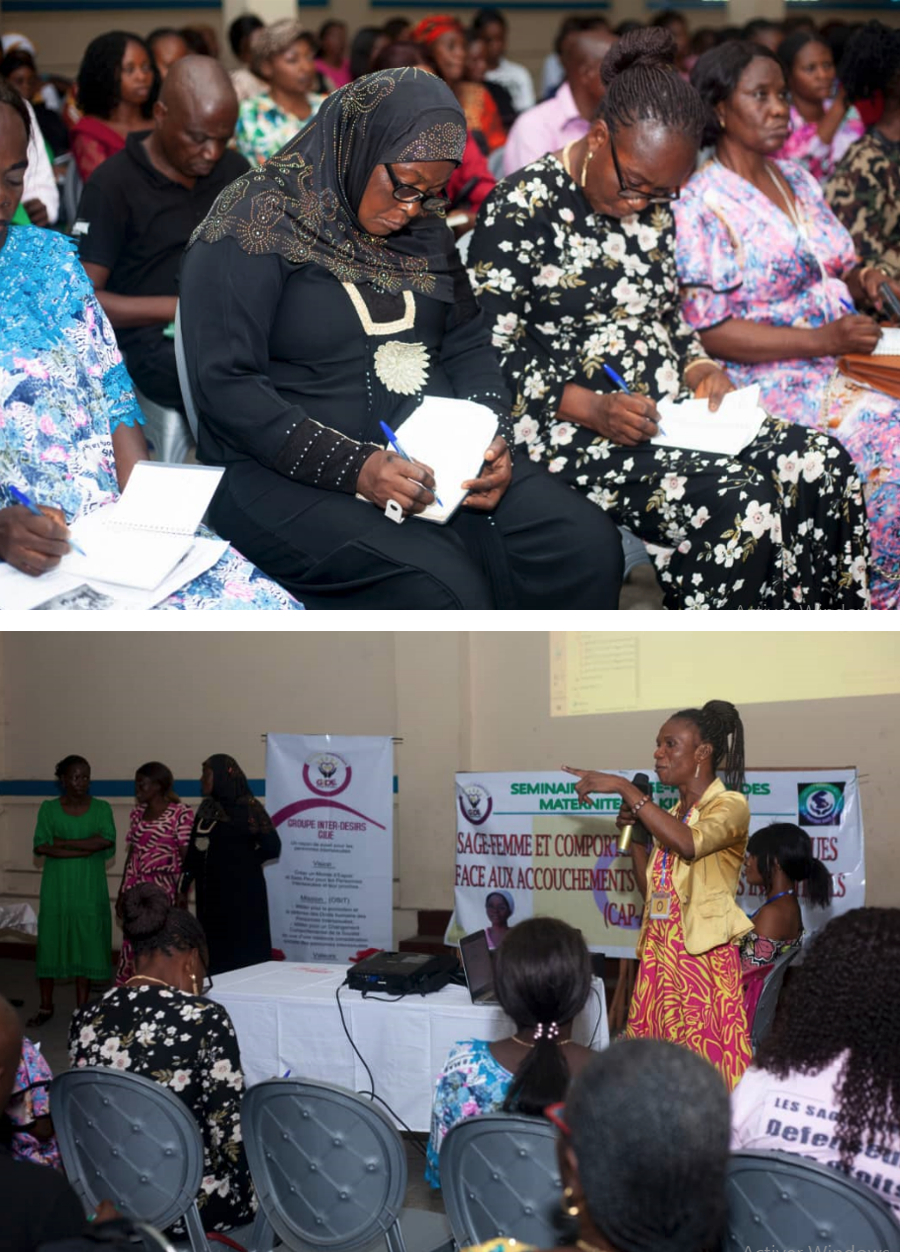
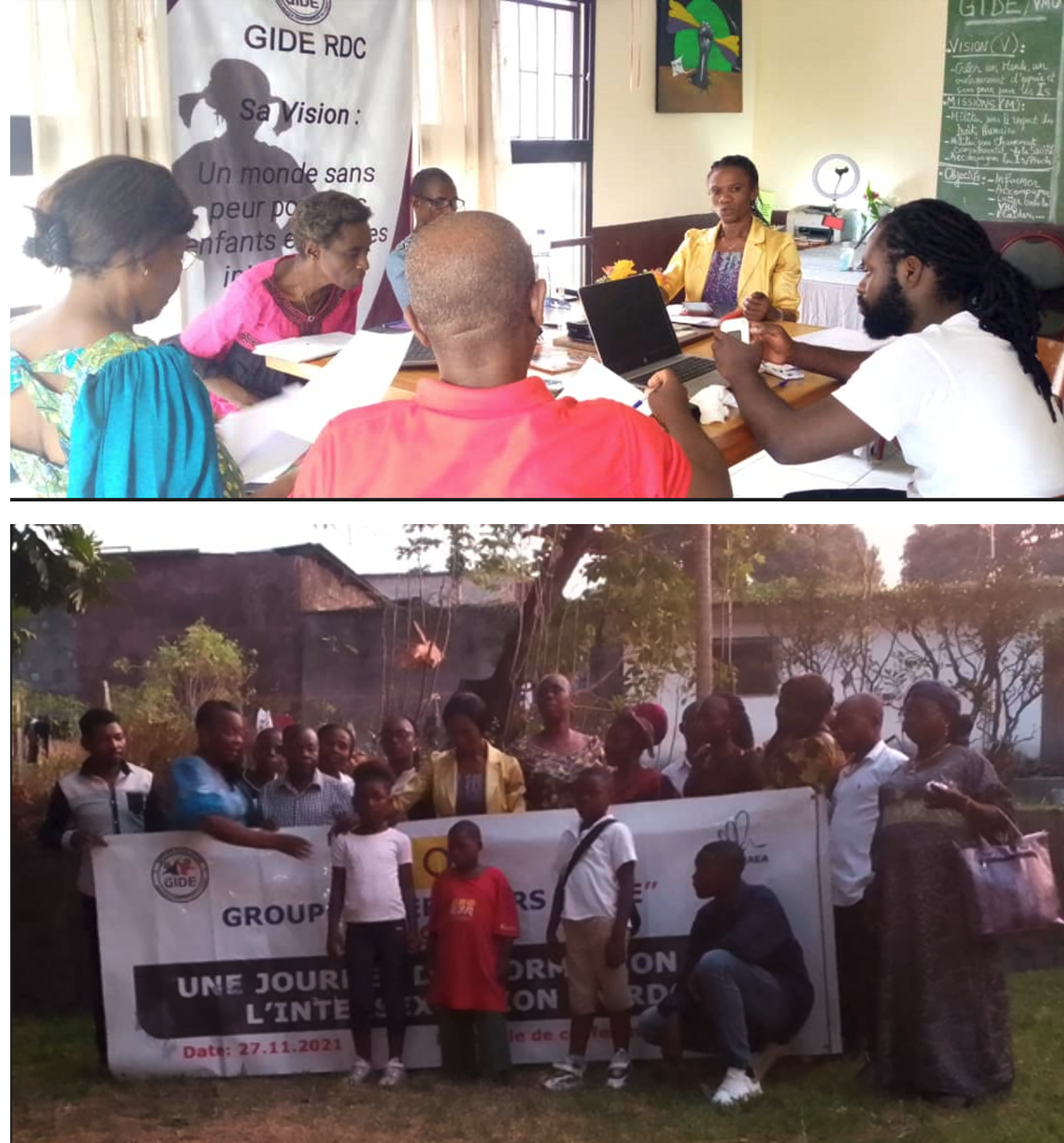
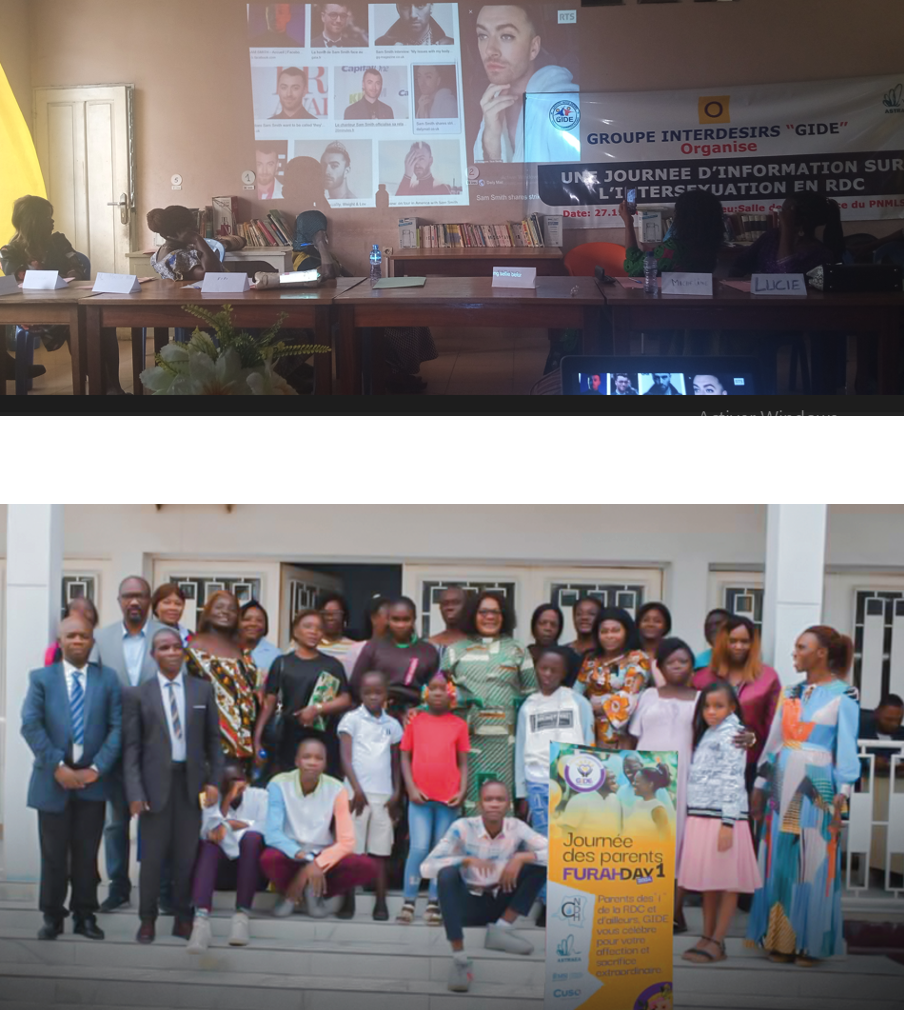
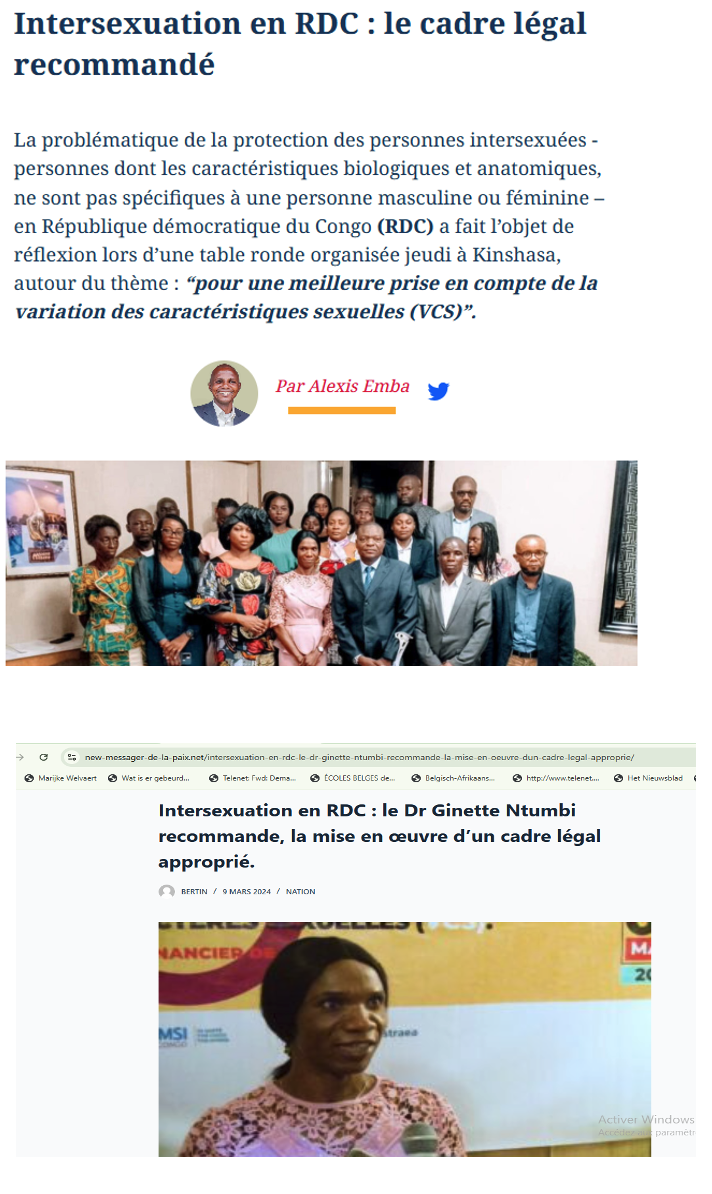
تأسست مجموعة "إنتر-ديزير" (GIDE) في عام 2020، وهي جمعية غير ربحية وغير سياسية، لا تميز على أساس العرق أو الجنس أو الانتماء العرقي أو الثقافة أو الدين، وهي جمعية تدافع عن حقوق وسلامة الأشخاص ثنائيي الجنس في جمهورية الكونغو الديمقراطية. تستهدف المنظمة الأطفال والشباب والبالغين من ثنائيي الجنس، وكذلك الوالدين والأقارب لهؤلاء الأشخاص. تُعد "GIDE" المنظمة الوحيدة في جمهورية الكونغو الديمقراطية المكرسة للدفاع عن حقوق الإنسان للأشخاص ثنائيي الجنس وتعزيزها. يدير المجموعة مديرتها العامة، الدكتورة جينيت نتمبي.
تأسست مجموعة "إنتير-دزير" (GIDE) في عام 2020، وهي جمعية غير ربحية وغير سياسية، دون تمييز على أساس العرق أو الجنس أو القبيلة أو الثقافة أو الدين، وهي جمعية تدافع عن حقوق وسلامة أجساد الأشخاص ثنائيي الجنس في جمهورية الكونغو الديمقراطية.تستهدف GIDE الأطفال والشباب والبالغين من الأشخاص بين الجنسين؛ والآباء والأقارب للأشخاص بين الجنسين. GIDE هي المنظمة الوحيدة في جمهورية الكونغو الديمقراطية المكرسة للدفاع عن حقوق الإنسان للأشخاص بين الجنسين وتعزيزها.يقود المجموعة المدير التنفيذي، الدكتورة جينيت نومبي.
الرؤية / رؤية
المساهمة في تحقيق عالم يسوده الأمل، وخالٍ من الخوف للأشخاص المصابين بالتبدل الجنسي. عالم يشعر فيه هؤلاء الأشخاص بالحب والاحترام.
للمساهمة في بزوغ عالم يسوده الأمل وخالٍ من الخوف لشعوب الترانس. عالم تشعر فيه هذه الشعوب بالحب والاحترام.
في الأسفل: مناقشة برئاسة المديرة التنفيذية لـ GIDE، الدكتورة جينيت ن تومبي أسفل: مناقشة برئاسة المديرة التنفيذية لـ GIDE، الدكتورة جينيت نثومبي
مهمة
النضال من أجل تعزيز والدفاع عن حقوق الإنسان للأشخاص بين الجنسين.
النضال من أجل تغيير سلوكي للمجتمع من أجل تقدير اجتماعي أفضل للأ
للدعوة إلى تعزيز حقوق الإنسان للأشخاص بين الجنسين والدفاع عنها.
للدعوة إلى تغيير في السلوك المجتمعي نحو قبول أكبر للأشخاص بين الجنسين.
أهداف / الأهداف
توعية وإرشاد وتثقيف المجتمع من خلال التواصل المبني على تغيير السلوك حول الثنائية الجنسية؛
قيادة حملة مناصرة لمكافحة كراهية الأشخاص بين الجنسين في الأوساط الطبية والتعليمية والرياضية والمهنية وغيرها.
مرافقة الأشخاص بين الجنسين وأقاربهم على الصعيد النفسي والاجتماعي، والطب والجراحة، والقانوني، والأخلاقي الحيوي، بهدف رفاههم واندماجهم الاجتماعي
للتوعية والتدريب ورفع الوعي داخل المجتمع من خلال التواصل الذي يركز على تغيير السلوك فيما يتعلق بـ "بين الجنسين"؛
للدفاع ضد رهاب ما بين الجنسين في المستشفيات، والبيئات التعليمية، والرياضية، والمهنية، وغيرها؛
لتوفير الدعم النفسي والاجتماعي والطبي والجراحي والقانوني وأخلاقيات البيولوجيا للأفراد بين الجنسين وعائلاتهم لتعزيز رفاهيتهم واندماجهم الاجتماعي.
مجالات العمل مجالات التركيز
نقل المعرفة حول ازدواج الجنس من خلال:
المناصرة والشراكة
الدعم الاجتماعي والنفسي والطبي والقانوني
طبعات وتوزيعات افتراضية و/أو مادية للرسائل أو المنشورات حول بين الجنسين؛
تنظيم أعمال حشد الموارد لتحقيق مهمة GIDE؛
عقد أماكن الاستقبال، والتبادل، وتقديم المشورة، والدعم الأكاديمي و/أو المعنوي، والمكتبة
نشر المعرفة حول ثنائية الجنس من خلال:
المناصرة والشراكات
الدعم الاجتماعي والنفسي والطبي والقانوني؛
النشر والتوزيع الرقمي و/أو المطبوع للرسائل والمنشورات حول ثنائية الجنس؛
شاهدوا مقابلتنا مع المديرة العامة، الدكتورة جينيت نتومبي، بدءًا من 1 مايو 2026 / شاهد مقابلتنا مع المديرة التنفيذية، الدكتورة جينيت نتمبي من 1 مايو 2026
2020 — تأسيس مجموعة "إنتر-دزير" (GIDE)، جمهورية الكونغو الديمقراطية. تأسست مجموعة "إنتر-دزير" (GIDE) في عام 2020، وهي منظمة غير ربحية وغير سياسية، ولا تميز على أساس العرق أو الجنس أو الانتماء العرقي أو الثقافة أو الدين، وهي منظمة تدعم [...]
23 January 2020 — Founding of Prism Uganda (Prism Empowerment and Development Initiatives), Uganda
Founded by Fabian Boldtype, the current Executive Director, and Grace Nanteze on 23 January 2020, Prism Uganda, or Prism Empowerment and Development Initiatives (PEDI), is trans women-led NGO that works to bridge the gap in mental health and psycho-social support for transgender women in Uganda. They provide free counselling, therapeutic care, and guidance while advocating for human rights, visibility, and access to Sexual and Reproductive Health and Rights (SRHR) services. The organisation also advocates for trans persons living with HIV/AIDS. The organisation focuses on the Luweero, Nakaseke and Greater Kampala areas of Uganda. Unable to register as a trans/intersex or LGBTIQ+ organisation due to the law in Uganda, PEDI registered as a youth empowerment group that provides mental health services to youth living with HIV.
رؤية
A society that actively values and consistently supports trans women on their journey to positive mental health.
مهمة
To advocate for mental health through education, sensitisation, research and the provision of both community and individual holistic and quality mental health support services to transgender women.
Goals
To offer free professional psycho-social support services to trans women and other queer individuals.
To restore a sense of dignity, integrity, responsibility and self among trans women.
To motivate and empower the Trans youth to engage in entrepreneurship, innovation or any other form of decent of earning
To provide a safe haven for challenged, overwhelmed and anxious or estranged trans youth who could be battling rejection, stigma and any other challenges.
Programmes
اقرأ المزيد about PEDI’s programmes on their website.
Food campaign
HIV prevention workshop
Meeting with HRAPF (Human Rights Awareness & Promotion Forum)
23 January 2020 — Founding of Prism Uganda (Prism Empowerment and Development Initiatives), Uganda Founded by Fabian Boldtype, the current Executive Director, and Grace Nanteze on 23 January 2020, Prism Uganda, or Prism Empowerment and Development Initiatives (PEDI), is trans women-led NGO that works to bridge the gap in mental health and psycho-social support for […]
9 March 2020 — Founding of Trans Future DRC/ASBL, Democratic Republic of Congo (DRC)
Trans Future DRC/ASBL was founded on 9 March 2020 in the Democratic Republic of Congo (DRC). The organisation, focusing on trans rights, was registered on 8 December 2021.
رؤية
To ensure that all transgender people within its radius of action can play a determining role or they will be actors in their own development in almost all areas of human life.
مهمة
To establish a just and equitable world where all transgender people enjoy their rights.
Objective
To contribute to improving the social and economic well-being of transgender people in the east of the Democratic Republic of Congo.
Specific objectives
Lobby and advocate on respect for the rights of Transgender people.
Promote education and health of transgender people in the community.
Carry out entrepreneurship and food security actions for transgender people.
9 March 2020 — Founding of Trans Future DRC/ASBL, Democratic Republic of Congo (DRC) Trans Future DRC/ASBL was founded on 9 March 2020 in the Democratic Republic of Congo (DRC). The organisation, focusing on trans rights, was registered on 8 December 2021. Vision To ensure that all transgender people within its radius of action can […]
مارس 2020 - أول بث مباشر لبرنامج فيكتور موكاسا، أوغندا، مارس 2020
In March 2020, The Victor Mukasa Show was broadcast live for the first time. Ugandan trans and LGBTI activist, فيكتور موكاسا envisioned the show as a space that would bring emerging issues for LGBTIQ+ people from the continent and the Diaspora to light. It aims to feature everything Queer and African, ranging from education, activism, arts, politics, social lives and everything that involves queer Africans. Victor’s vision for The Victor Mukasa Show is that it be a meeting place for queers and allies and a source of information, for activists, for their allies, local communities, legislators, and human rights organisations. The Victor Mukasa Show started off as a weekly podcast, on platforms such as Anchor and Spotify and later migrated to فيسبوك and YouTube.
Later on, in March 2023, when the Anti-Homosexuality Bill (AHB) was reintroduced in Uganda at Parliament level, Victor branched The Victor Mukasa Show out to have a more general focus — to open a chapter specifically addressing the Ugandan community. This new division of his talk shows is called Ekimeeza K’abaLaGaBaTa (Queer Table Talk). This segment of the show is in Luganda (the spoken language in Uganda) and aimed at the general public. Queer Table Talk was introduced as a direct result of the AHB (this was before it became an Act of Law) as the suggestions within the proposed Bill was to not only prosecute LGBTIQ+ people but also to silence them and LGBTIQ+ organisations by preventing workshops, awareness raising sessions, meetings, sensitisation sessions, and even the production of informative material was to become illegal. Along with this silencing, the rightwing conservatives also distributed propaganda and misinformation, and stereotyping was on the rise. Victor realised that Ugandan LGBTIQ+ activists within Uganda could do nothing about this, that it would be illegal to address it, and that there was no way to counter the propaganda. This is how the Ekimeeza K’abaLaGaBaTa (Queer Table Talk) was born.
One of The Queer Table Talks on The Victor Mukasa Show from 16 August 2024. Here Victor is speaking to Lucretia.
Victor says that The Queer Table Talk continues to deliver great results, with the introduction of the show to TikTok, which has increased viewers and engagement, as well as the fact that the language used (besides Luganda) makes the talks and topics accessible to everyone — not just activists, but the women who sells food on the street side and the boda-boda taxi driver:
“Here we don’t talk about United Nation Declarations and technical terms, we speak the language people understand”.
During the show, Victor has a lot of back and forth communication in Luganda with heterosexual community members. As Victor says
“The only thing that separates us, are the lies that they have been told about us!”
Watch our interview with Victor about the first Victor Mukasa Show
March 2020 — First Live Broadcast of The Victor Mukasa Show, Uganda In March 2020, The Victor Mukasa Show was broadcast live for the first time. Ugandan trans and LGBTI activist, Victor Mukasa envisioned the show as a space that would bring emerging issues for LGBTIQ+ people from the continent and the Diaspora to light. […]
“Victor, we are dying, we are dying in the refugee camp”.
Not much had changed since the last time Victor had worked with the refugees in 2014, even though global activists and organisations had become involved. By 2020 Victor had established The Victor Mukasa Podcast and Talk Show and decided to feature the plight of the refugees in a live conversation.
The Kuchus (a Swahili word roughly translating to “queer”, adopted by the Ugandan LGBTQIA+ refugees in the Camp) needed food, bedding, medicines — everything. Victor started fundraising campaigns again using crowdfunding and approached targeted donors. Close to $70,000 USD was raised.
The other thing Victor did was to mobilise resources for psychosocial support, which was a growing need due to the trauma caused by the continuous attacks and previous attacks. Victor mobilised psychologists from the US, Europe, Australia and Israel who would counsel online on a pro-bono basis to support the community members. They would themselves come up with a schedule for sessions and each therapist could indicate how many hours per week they could donate to counsel the Kuchu refugees. There was a team of about 15 therapists. Attention was also given to trauma counselling for children.
Later, resources were used to start a school in Block 13 (a section of the Camp with the highest population of LGBTQIA+ refugees) for the children as they were refused entry to the general schools and also beaten for being children of LGBTQIA+ people. Kuchu teachers from Block 13 mobilised for teachers who came in from outside. Victor also organised entertainment for the children, such as puppet shows, movie screenings and sometimes when activists from Europe came, they brought their children to play with the kids in Block 13.
There was also a Kuchu refugee, Regina, (who has now moved to Ottawa) who was a nurse and she and another refugee who is a pharmacist, started a medical program, procuring antibiotics, pain tablets and first aid kits to help the Kuchus when there were attacked.
On the political side, Victor started calling on advocates in Africa and beyond. That is when the Consortium was found. The Consortium was made up of organisations such as the Black LGBTQ Migrant Project, Jass Associated, Coalition of African Lesbians, The Victor Mukasa Show, Triangle Project and the Global Interfaith Network(GIN). Pan Africa ILGA (PAI) was also a part of the Coalition for a period. This larger group of organisations that joined the cause took the advocacy to a higher level. The Coalition started a campaign, #FreeBlock13, which raised the issues faced by the Kuchus, but also served as a fundraising platform. Members inside Block 13 in Kakuma Refugee Camp could use the website to also share their stories and personal experiences of living in Block 13.
Lucretia, a Ugandan trans woman based in Kakuma Camp, wrote a heartfelt essay to an online news blog about her friend Chriton Atuhwera who was known as known as “Trinidad Jerry”, who died in the UNHRC’s hospital after an arson attack in Kakuma’s Block 13.
June 2020 — Kakuma Refugee Camp: Refugees Approach Victor Mukasa Again, Kenya In June 2020 the Ugandan LGBTQIA+ refugees in the Kakuma Refugee Camp reached out to activist Victor Mukasa, saying “Victor, we are dying, we are dying in the refugee camp”. Not much had changed since the last time Victor had worked with the […]
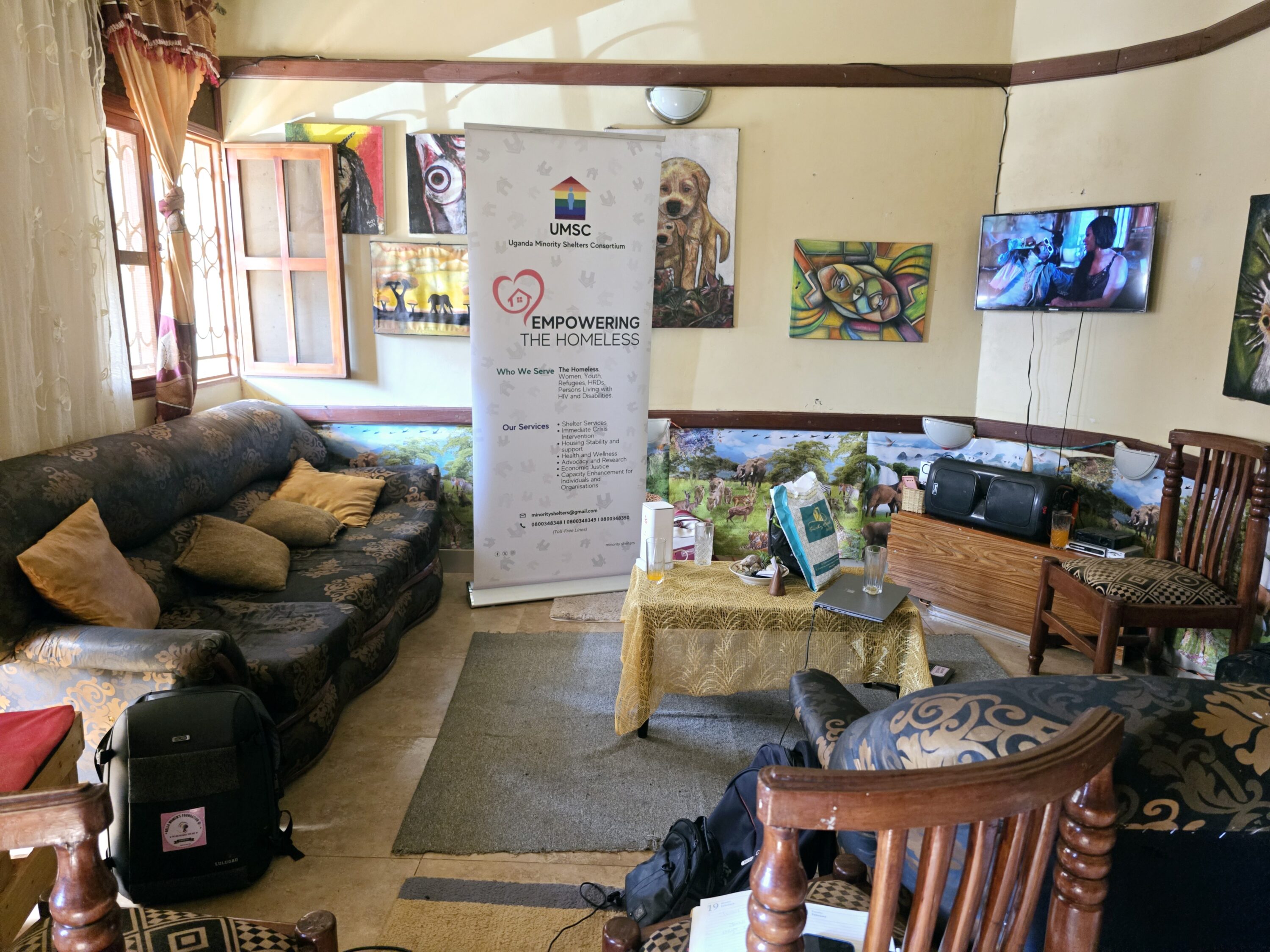
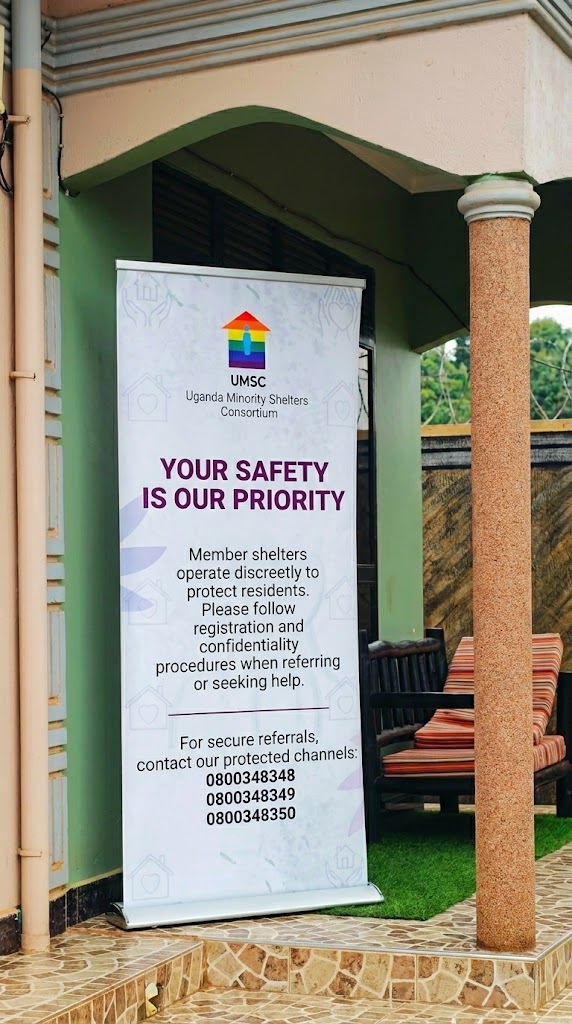
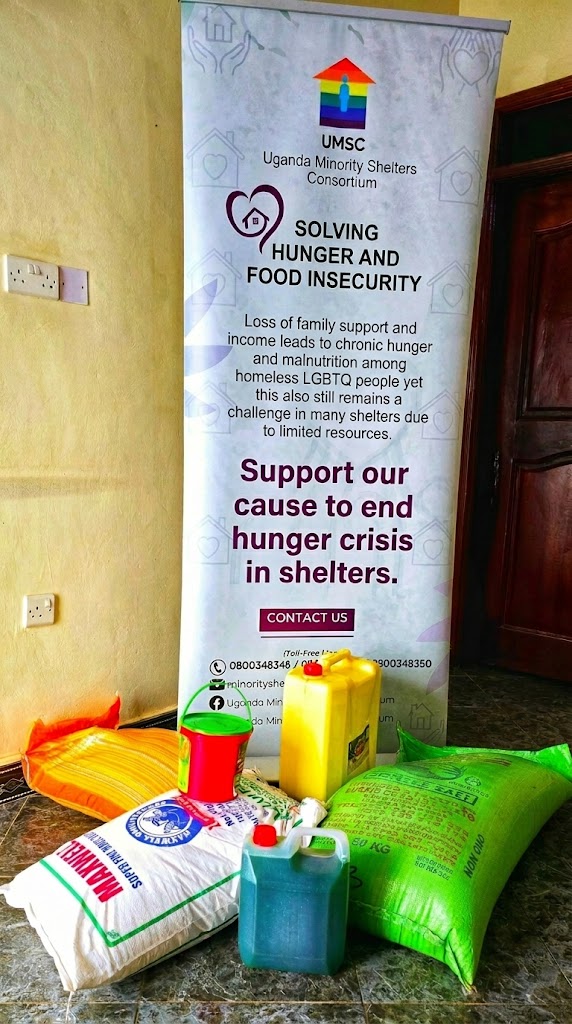
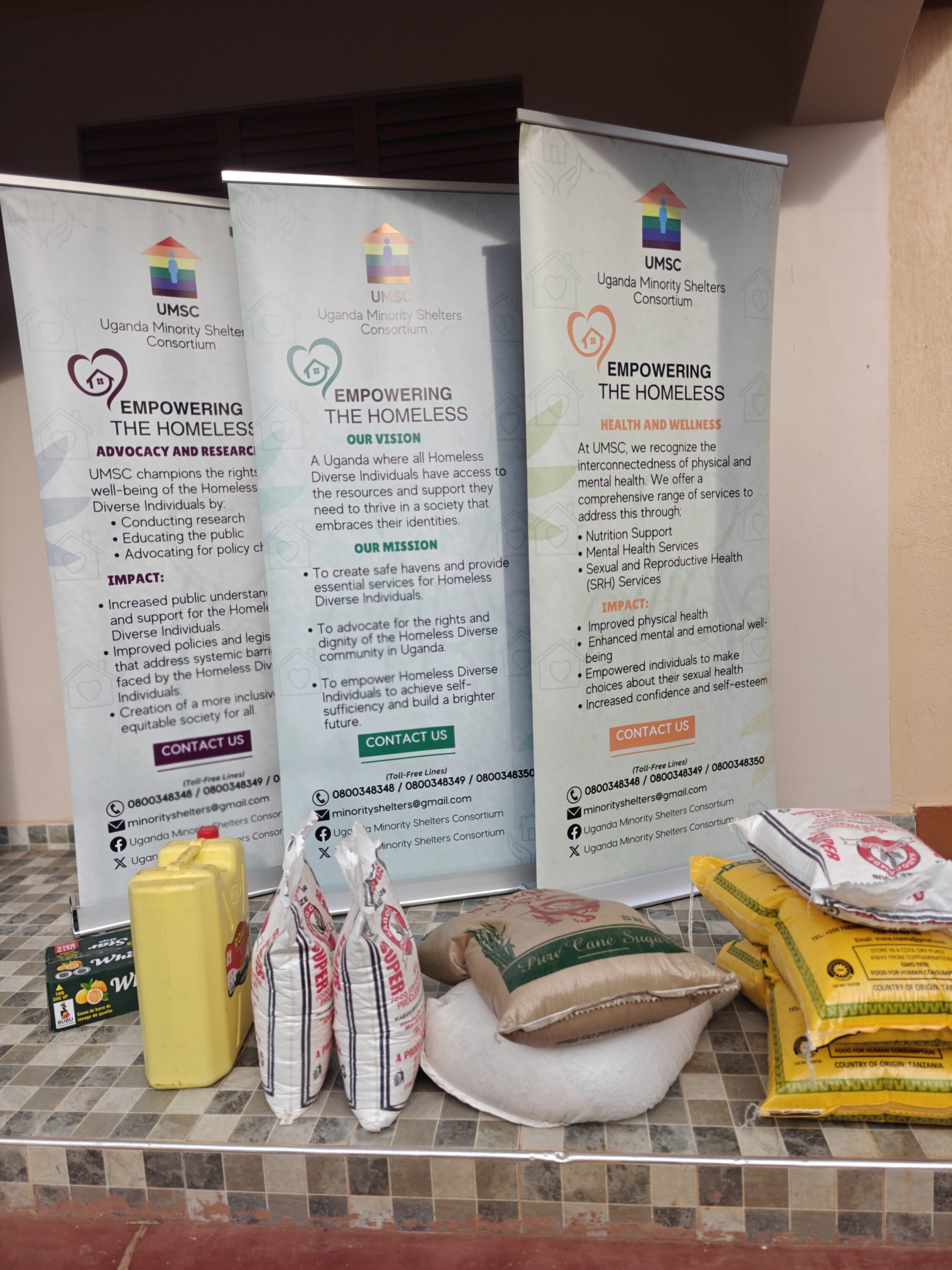
Founded in Kampala, Uganda as a grassroots coalition by John Grace and others on the 1st of August 2020, Uganda Minority Shelters Consortium (UMSC) specifically prioritises and centres trans and gender diverse (TGD) youth who have been disproportionately targeted and driven underground by recent legislation (e.g. Anti-Homosexuality Act). While UMSC’s work is deeply rooted in TGD survival, their mandate encompasses the broader LGBTQ+ community, including LGBT+ sex workers, LGBT+ HRDs and LGBT+ PLHIV (people living with HIV). The organisation also focuses on LGBT+ individuals with intersecting vulnerabilities, such as displaced TGD youth and those living with disabilities. UMSC operates as a coalition of over 25 decentralised grassroots safe spaces and community-based protection organisations. Because TGD individuals are often the most visibly targeted within the broader LGBTQ+ umbrella, UMSC’s main work involves providing highly secure emergency housing, physical protection, and trauma-informed psychosocial care. The organisation utilises Peer Health Navigators to bypass hostile public clinics—where TGD persons frequently face intentional misgendering and abuse—to safely link them to life-saving HIV/AIDS services. The organisation is officially registered and holds formal national-level public health legitimacy, as it is officially accredited by the Uganda AIDS Commission (UAC).
رؤية
A Uganda where marginalised communities, centring trans and gender-diverse youth, achieve true independence and self-determination. A future where TGD individuals are completely empowered to live with absolute bodily autonomy, build self-sustaining livelihoods, and access healthcare entirely on their own terms—free from systemic violence, arbitrary eviction, and reliance on hostile institutions.
One of UMSC’s founders, and current Consortium Coordinator, John Grace
مهمة
To cultivate the absolute independence, resilience, and self-determination of marginalised communities—centring LGB, trans and gender-diverse (TGD) youth, sex workers, and individuals living with HIV—by building a self-sustaining, decentralised network of safe spaces across Uganda. UMSC is committed to breaking cycles of reliance on hostile institutions by empowering vulnerable populations with independent, stigma-free HIV/AIDS service linkages, trauma-informed psychosocial support, and the tools required to defend their own human rights and bodily autonomy.
Goals/Objectives
To facilitate the transition of displaced and unhoused LGB, trans and gender-diverse (TGD) youth from precarious survival to enduring independence by maintaining protected, decentralised shelter networks that provide the essential foundation for reclaiming their autonomous livelihoods.
To develop community-led, stigma-free health linkage infrastructures that empower LGB, TGD individuals overcoming homelessness to oversee their HIV/AIDS care and holistic health with absolute self-determination, effectively ending dependency on hostile or exclusionary public health systems.
To expand localised, peer-driven psychosocial frameworks—such as our Resilience Circles—designed to dismantle the trauma of displacement and internalised shame, providing our community members with the mental fortitude necessary to achieve total structural and personal independence.
مجالات التركيز
UMSC’s core thematic areas are Emergency Housing and Transitional Shelter, HIV/AIDS Health Autonomy, Mental Health and Psychosocial Support (MHPSS), and Structural Independence.
For trans and gender-diverse (TGD) community members specifically, their projects are meticulously designed to disrupt the pipeline from AHA-related eviction to chronic homelessness. The organisation operates specialised safe spaces that provide immediate physical sanctuary for displaced TGD youth. From this secure foundation, they run trauma-informed “Resilience Circles” tailored to help TGD individuals process the acute trauma of homelessness and systemic violence, rebuilding their mental resilience.
Furthermore, to ensure TGD members can safely transition to full independence, UMSC’s Peer Health Navigators facilitates secure, peer-led health linkages. The organisation bypasses hostile public clinics—where TGD persons frequently face intentional misgendering, blackmail, and service denial—by physically escorting them to trusted, non-hostile care centres or distributing underground HIV self-testing kits.
Their ultimate project focus is equipping formerly unhoused TGD youth with the physical safety, mental resilience, and health autonomy they need to permanently exit crisis survival and rebuild self-sustaining, independent lives.
1 August 2020 — Uganda Minority Shelters Consortium (UMSC) Founded, Uganda Founded in Kampala, Uganda as a grassroots coalition by John Grace and others on the 1st of August 2020, Uganda Minority Shelters Consortium (UMSC) specifically prioritises and centres trans and gender diverse (TGD) youth who have been disproportionately targeted and driven underground by recent […]
25 septembre 2020 — Fondation de l’Association Mère Nature, République du Bénin | 25 September 2020 — Founding of Mother Nature Association, Bénin
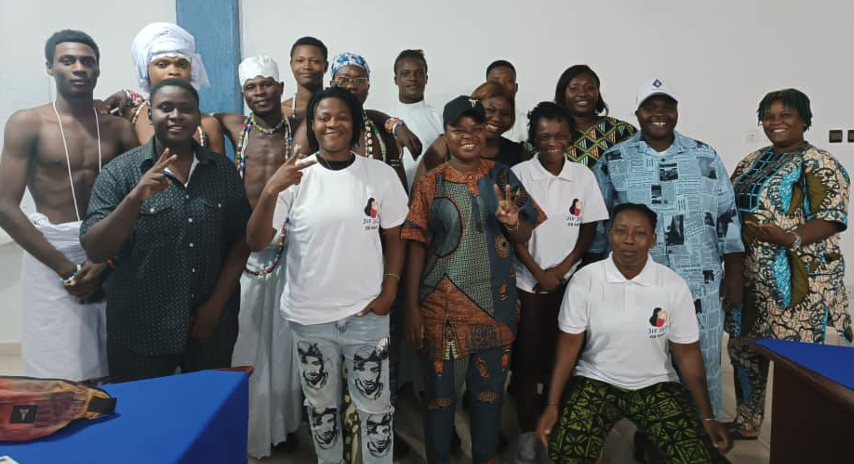
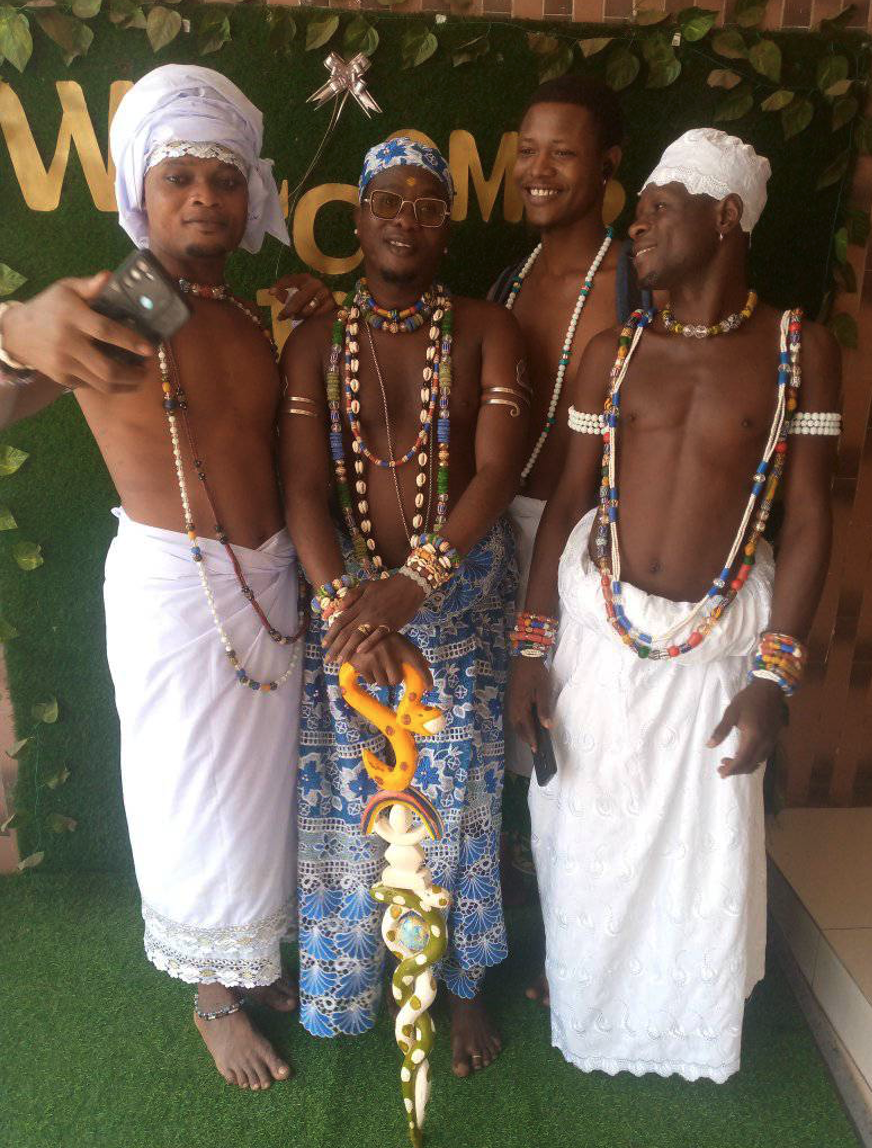
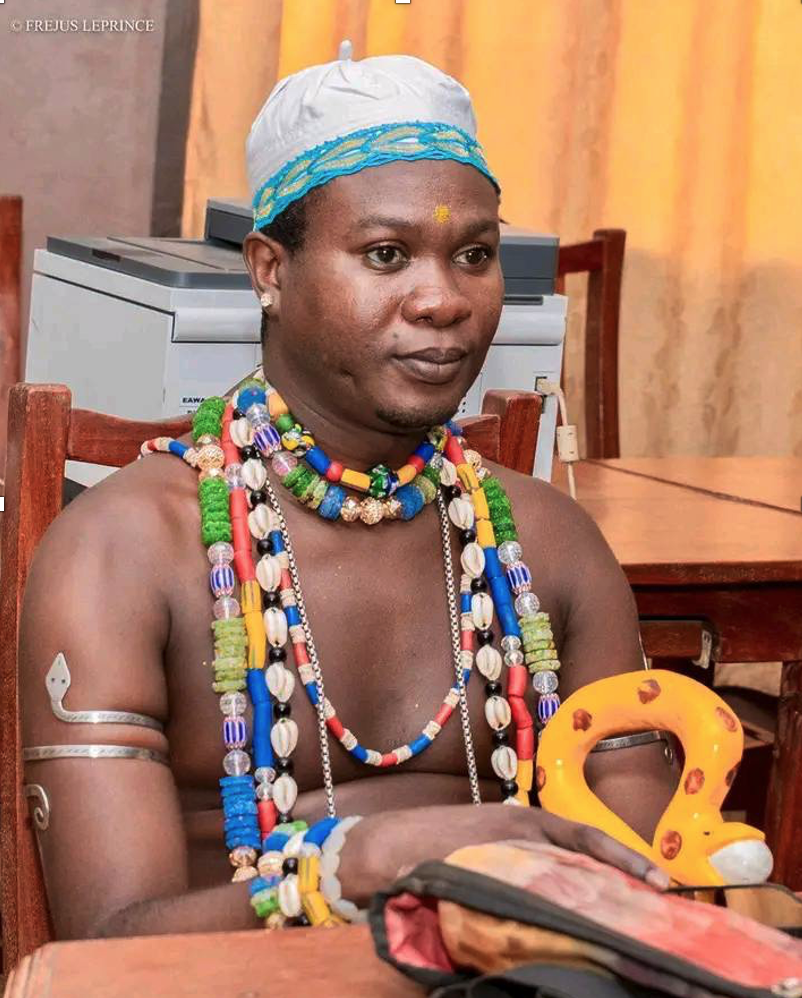
Association Mère Nature a été fondée sur 25 septembre 2020 au Bénin de AKPLONGBE Adebola Codjo (Présidente de l’Association), HOUNKPATIN Alain, KOUASSI AKLOMGBE Ablavi Armandine et ZANNOU Sigilbert. Le principal travail de Mère Nature est la promotion de l’inclusion, de l’égalité et des droits humains, notamment les droits en santé sexuelle et reproductive, en faveur des minorités de sexe et de genre adeptes de religions traditionnelles au Bénin. L’association travaille principalement avec les minorités de sexe et de genre, les personnes LGBTQ+, les adeptes de religions traditionnelles et/ou endogènes, et les jeunes issus de milieux vulnérables appartenant à ces communautés.
L’association œuvre également pour la protection de la vie humaine, ainsi que pour la préservation de la nature végétale et animale, en promouvant une approche respectueuse de l’environnement et des savoirs traditionnels liés à la protection des écosystèmes. L’association agit à travers la sensibilisation, le plaidoyer, l’accompagnement psychosocial, la documentation et le renforcement des capacités communautaires. L’association Mère Nature n’est pas encore officiellement enregistrée auprès des autorités administratives compétentes du Bénin. La procédure d’enregistrement est en cours de préparation.
Founded in Benin on the 25th of September 2020 by Adébola Codjo Akplongbe (the organisation’s President), Alain Hounkpatin, Ablavi Armandine Kouassi Aklomgbe and Sigilbert Zannou, Mother Nature Association’s work focuses on promoting inclusion, equality, and human rights, particularly sexual and reproductive health rights, for gender minorities who practice traditional religions in Benin. The organisation works primarily with young people from vulnerable backgrounds belonging to these communities, sexual and gender minorities, LGBTQ+ individuals, and followers of traditional and/or indigenous religions.
The organisation also works to protect human life and preserve plant and animal life by promoting an approach that respects the environment and traditional knowledge related to ecosystem protection. The organisation operates through awareness-raising, advocacy, psychosocial support, documentation, and community capacity building.The Mother Nature association is not yet officially registered with the competent administrative authorities of Benin. The registration procedure is currently being prepared.
الرؤية / رؤية
La vision de Mère Nature est de construire une société béninoise inclusive, équitable et respectueuse de la diversité, où les minorités de sexe et de genre vivant leur identité au sein des traditions culturelles et religieuses peuvent s’épanouir librement, dignement et sans discrimination. Elle aspire également à une société où la protection de la vie humaine et de l’environnement (faune et flore) constitue un pilier fondamental du développement durable et communautaire.
Mother Nature’s vision is to build an inclusive, equitable, and diversity-respecting Beninese society where sexual and gender minorities, living their identities within cultural and religious traditions, can flourish freely, with dignity, and without discrimination. It also aspires to a society where the protection of human life and the environment (flora and fauna) is a fundamental pillar of sustainable and community development.
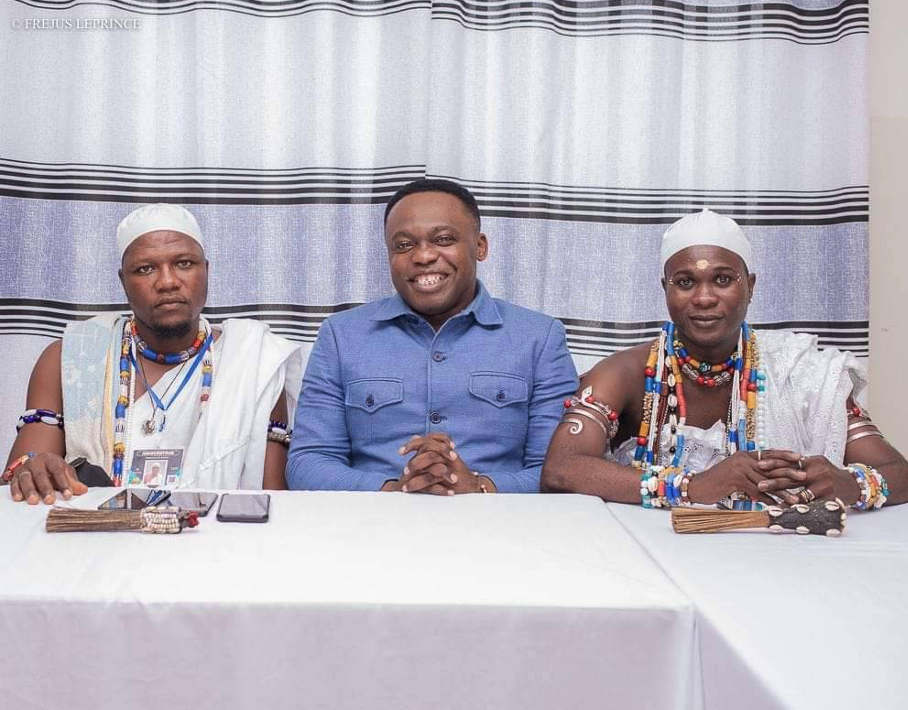
Photo by Frejus Leprince
مهمة
La mission de Mère Nature est de promouvoir les droits humains, la santé, la dignité et le bien-être mental des minorités de sexe et de genre adeptes de religions traditionnelles et/ou endogènes au Bénin, à travers des actions de sensibilisation, de plaidoyer, de soutien communautaire et de renforcement des capacités. Elle intègre également dans sa mission la promotion de la protection de la vie humaine, de la nature végétale et animale, en lien avec les valeurs culturelles et spirituelles endogènes.
Mother Nature’s mission is to promote the human rights, health, dignity, and mental well-being of sexual and gender minorities who adhere to traditional and/or indigenous religions in Benin, through awareness-raising, advocacy, community support, and capacity building. Its mission also includes promoting the protection of human life, plant and animal life, in accordance with indigenous cultural and spiritual values.
Objectifs / الأهداف
L’association poursuit notamment les objectifs suivants :
Sensibiliser et éduquer sur les réalités et droits des minorités de sexe et de genre ;
Lutter contre toutes formes de discrimination, de violence et d’exclusion ;
Offrir un espace sûr d’écoute, de dialogue et d’accompagnement ;
Promouvoir le bien-être mental et l’expression artistique comme outils de résilience ;
Documenter et valoriser les expériences des communautés concernées ;
Développer des partenariats stratégiques pour renforcer l’autonomisation des membres.
Promouvoir la protection de la vie humaine ainsi que la préservation de la nature végétale et animale
The association pursues the following objectives:
To raise awareness and educate about the realities and rights of sexual and gender minorities;
To combat all forms of discrimination, violence, and exclusion;
To offer a safe space for listening, dialogue, and support;
To promote mental well-being and artistic expression as tools for resilience;
To document and celebrate the experiences of the communities concerned;
To develop strategic partnerships to strengthen the empowerment of members.
To promote the protection of human life and the preservation of plant and animal life.
Axes thématiques / Thematic areas
Axe 1 : Droits humains et plaidoyer Actions de défense des droits, campagnes de sensibilisation, dialogue communautaire et engagement institutionnel.
Axe 2 : Santé mentale et bien-être Accompagnement psychosocial, activités artistiques et culturelles, espaces sécurisés d’expression et de soutien.
Axe 3 : Documentation et recherche communautaire Collecte de témoignages, archivage, publications, mise en lumière des réalités vécues.
Axe 4 : Renforcement des capacités et autonomisation Formations, développement du leadership communautaire, partenariats locaux et internationaux.
Axe 5 : Protection de la vie et de l’environnement Initiatives de sensibilisation à la protection de la vie humaine, à la préservation de la biodiversité, aux pratiques écologiques responsables et à la valorisation des savoirs traditionnels liés à la nature.
Axis 1: Human Rights and Advocacy Rights advocacy, awareness campaigns, community dialogue, and institutional engagement.
Axis 2: Mental Health and Well-being Psychosocial support, artistic and cultural activities, safe spaces for expression and support.
Axis 3: Documentation and Community Research Collecting testimonies, archiving, publishing, and highlighting lived realities.
Axis 4: Capacity Building and Empowerment Training, community leadership development, and local and international partnerships.
Axis 5: Protection of Life and the Environment Awareness-raising initiatives on the protection of human life, the preservation of biodiversity, responsible ecological practices, and the valuing of traditional knowledge related to nature.
25 septembre 2020 — Fondation de l’Association Mère Nature, République du Bénin | 25 September 2020 — Founding of Mother Nature Association, Bénin Association Mère Nature a été fondée sur 25 septembre 2020 au Bénin de AKPLONGBE Adebola Codjo (Présidente de l’Association), HOUNKPATIN Alain, KOUASSI AKLOMGBE Ablavi Armandine et ZANNOU Sigilbert. Le principal travail de […]
6 October 2020 — Founding of Professional Association for Transgender Health South Africa (PATHSA), South Africa
Founded on 6 October 2020, the Professional Association for Transgender Health (PATHSA) is an interdisciplinary association for South African health professionals dedicated to promoting the health, well-being, and self-actualisation of trans and gender diverse people. The organisation was registered on 3 February 2021.
مهمة
To foster supportive environments, advocate for best practices, and drive systemic change that empowers healthcare providers working with trans and gender diverse individuals across South Africa.
الأهداف
Facilitate networks and foster supportive environments for health professionals working with and for trans and gender diverse people.
Develop, advocate for and promote best practices and clinical resources for gender-affirming health care.
Encourage, promote, conduct and disseminate research, which is done in a respectful way towards the community, to expand knowledge and deepen understanding about trans and gender diversity.
Advocate for institutional, policy, and legislative change by utilizing our collective knowledge and expertise.
Provide education on holistic gender-affirming healthcare promoting the health, wellbeing, and supporting the self-actualisation of trans and gender diverse people.
Develop leadership skills amongst trans and gender diverse health professionals and promote indigenous perspectives.
To disseminate awareness around power dynamics that are typically inherent to all healthcare seeker/provider interactions involving people who are part of the trans and gender-diverse communities, to acknowledge the damage that has been done by such dynamics, and to insist that gender-affirming clinicians must take steps to dismantle these typical power hierarchies.
PATHSA provides healthcare workers practitioners and organisations with continuous professional development, peer engagement, advocacy opportunities, and informational services. Join PATHSA as a member هنا.
6 October 2020 — Founding of Professional Association for Transgender Health South Africa (PATHSA), South Africa Founded on 6 October 2020, the Professional Association for Transgender Health (PATHSA) is an interdisciplinary association for South African health professionals dedicated to promoting the health, well-being, and self-actualisation of trans and gender diverse people. The organisation was registered […]
22 October 2020 — Founding of Tanzania Voice of Humanity (TVOH), Tanzania
Tanzania Voice of Humanity (TVOH) was established in 22 October 2020 in response to total lack of recognition of individuals with intersex in Tanzania. It is the first organisation in Tanzania to stand for intersex people in Tanzania. It offers development programs that involve medical practitioners, educators, counsellors and law enforcement agents.
Country Context
Intersex people commonly experience abuse in developing countries like Tanzania and most perpetrators are known. Likewise, individuals with intersex (DSD) experience suffer abuse at the hands of family members, at school, health services and religious institutions and community.
The main sources of discrimination are a lack of formal recognition for their Sex identity that leads friction with social norms. Based on self-reporting done by TVOH parents, intersex children are verbally abused by the community and burden them with social beliefs. Also intersex children and adults experience social isolation, abusive words, neglect at school and legal difficulties.
Living in such a community jeopardises the welfare of intersex persons. Special training and counselling are effective ways to minimise and eradicate gender-based violence towards individuals with intersex conditions.
رؤية
A community with people with disabilities who are recognised, healthy, economically stable and well protected legally and socially.
مهمة
To improve the welfare of intersex people and people with disabilities, making sure they are recognised, economically empowered, protected and treated equally through empowerment, support, advocacy, awareness raising, research and participation.
22 October 2020 — Founding of Tanzania Voice of Humanity (TVOH), Tanzania Tanzania Voice of Humanity (TVOH) was established in 22 October 2020 in response to total lack of recognition of individuals with intersex in Tanzania. It is the first organisation in Tanzania to stand for intersex people in Tanzania. It offers development programs that […]
November 2020 — Founding of Trans Nigerian Support (TNS), Nigeria
Founded in November 2020 as a collective of online communities and an organisation by Tom Kólá, Trans Nigerian Support (TNS) is a trans and Intersex youth-led feminist organisation advocating for the advancement of access to basic human rights for LGBT+ people, currently centring the transition needs of trans people. It was conceived in 2020 through the creation of 2 voluntary membership groups — Share Circle and Super Trans Bros — which focused on community building, education, building awareness and social transition resource distribution. It began formal organising in 2022, first with the collaborative creation of a website for a wider community reach and has since expanded its services and reach.
Trans Nigerian Support is a platform where trans (non-binary and binary) people in Nigeria can come to find information, support, resources, and a community of supportive people who are like them, and share similar experiences. TNS hopes to eradicate the myth that trans people do not exist in Nigeria, and create a safe space where trans people can come to find a reflection of themselves, and their experiences. TNS has not been registered as it is illegal to register LGBTQIA+ organisations in Nigeria.
رؤية
TNS envisions a life of dignity, ease and access to gender-affirming resources and healthcare for trans (non-binary and binary) Nigerians.
مهمة
TNS’s mission is to improve the lives and lived experiences of trans (non-binary and binary) Nigerians by providing reliable information, support, services, and gender-affirming resources that society often denies trans people access to.
Goals
Resource distribution, specifically for gender-affirming products of all kinds that aid social transition. e.g. binders, gaffs, prosthetics, etc.
Building an online repository of information & educational resources via our website and social media.
Safely making gender-affirming hormone therapy available and bridging the gaps in non-existent trans healthcare by developing a safe telehealth system for people to get what they need. This is done in collaboration with supportive healthcare workers who are trans allies.
Providing extensive gender-affirming hormone therapy workshops and resources to participants.
Working to further trans empowerment via employment in leadership and volunteer roles.
More about the reasons for founding TNS, from founder, Tom Kólá
“When I first came out to myself and a few close people as a Trans Man in 2018, almost everything I needed to feel safe and affirm myself in my gender was either non-existent or inaccessible to a young person like me. There was nowhere to get a “respectable”, good quality binder in the country and I absolutely had no hope of starting my medical transition if/when I wanted to. Thankfully, through community building I was able to surround myself with people on a similar mission and we have since been working together to make these life-changing, life-saving gender-affirming materials available and accessible. The dream is to create a Nigeria where this lack of life-affirming, gender-affirming resources is a thing of the past. Then we want to expand this to West Africa, Africa and the rest of the globe. We want to live in a world where no Transgender youth has to go through what we went through. This is the dream.
Currently, TNS is embarking on pioneering a system of consistent access to Gender-Affirming Hormone Therapy for Transmasculine and Transfeminine Transgender individuals of all genders. This is a service that’s currently non-existent and it puts a major percentage of the population at a disadvantage of safely and consistently accessing their medical transition needs. We have created a system that caters specifically to the healthcare needs of Transgender [non-binary & binary] people despite the current hostility and discrimination prevalent in the country to foster and encourage safe medication use. It is a system that combats the ills and harms of self-medicating for survival and healthcare avoidance for safety.”
November 2020 — Founding of Trans Nigerian Support (TNS), Nigeria Founded in November 2020 as a collective of online communities and an organisation by Tom Kólá, Trans Nigerian Support (TNS) is a trans and Intersex youth-led feminist organisation advocating for the advancement of access to basic human rights for LGBT+ people, currently centring the transition […]
2021 — الأشخاص ثنائيو الجنس والقانون في كينيا بقلم جون تشيجيتي SC (2021): مراجعة
نُشر في عام 2021، كتاب جون شيجيتي SC، الأشخاص ثنائيو الجنس والقانون في كينيا، يقدم نظرة شاملة على الحقوق القانونية التي يتمتع بها الأشخاص ثنائيو الجنس في كينيا، بالإضافة إلى أوجه القصور في القانون الكيني في حماية الأشخاص ثنائيي الجنس. كاتبة هذا الاستعراض هي مساهمة المحتوى لدينا حول ثنائية الجنس، ديلفين باريغيه.
يستمر الأشخاص ثنائيو الجنس في كينيا في مواجهة التمييز المنهجي، والانعدام القانوني، والانتهاكات المستمرة للحقوق الأساسية. بالاعتماد على التحليل الذي قدمه تشيغيتي (2021) في الأشخاص ثنائيو الجنس والقانون في كينيا، يجمع هذا المقال بين الموضوعات الرئيسية للمؤلف في مجالات القانون والطب والأنظمة الاجتماعية والسياسات. يوضح النقاش أنه على الرغم من أن دستور كينيا يكفل المساواة والكرامة وعدم التمييز لجميع الأشخاص، فإن غياب الاعتراف الصريح بالهوية بين الجنسين يمنع هيكلياً التحقيق الكامل للحقوق. هناك حاجة ماسة إلى إصلاحات في التوثيق والرعاية الصحية والوصول إلى المعلومات وقانون الأسرة والتعليم لمواءمة البيئة القانونية والسياسية في كينيا مع مبادئ حقوق الإنسان الدولية.
مقدمة
يظل الأشخاص ثنائيو الجنس المولودون بتنوعات طبيعية في الخصائص الجنسية لا تتناسب مع التعريفات الثنائية النمطية للذكر أو الأنثى مهمشين اجتماعيًا وغير مرئيين إداريًا في كينيا. توضح تشيجيتي أنه بينما يتزايد الوعي بالهوية ثنائية الجنس عالميًا، تظل الأنظمة القانونية والطبية في كينيا غير مجهزة لمعالجة الحقائق المعاشة لهذه الفئة السكانية. تنظم هذه المقالة الموضوعات الأساسية الناشئة من نص تشيجيتي في تحليل موضوعي صارم لتوجيه الدراسات القانونية والدعوة وتصميم السياسات.
أسس مفاهيمية وطبية
الفهم المفاهيمي والطبي لـ الأشخاص ثنائيو الجنس يشكل الأساس الفكري لحجة جون شيجيتي في الأشخاص ثنائيو الجنس والقانون في كينيايبدأ بإعادة النظر في تعريف ثنائيي الجنس، المعروف تاريخياً بالاسم المهين خنثى مع تطور المعرفة الطبية، حلّت هذه المصطلحات محلها لغة قائمة على أسس علمية وحقوق الإنسان.ثنائي الجنس” أو “الأشخاص الذين يعانون من اختلافات في التطور الجنسي (DSD)”. تصف هذه المصطلحات الأفراد الذين يولدون بتباينات في الخصائص الكروموسومية أو الغدد التناسلية أو التشريحية الجنسية التي لا تتناسب مع التعريفات الثنائية النمطية للذكر أو الأنثى.
يحدد تشيجيتي عدة أسس بيولوجية للتنوع بين الجنسين، بما في ذلك الأنماط الكروموسومية (مثل 47XXY؛ ومتلازمة كلاينفيلتر؛ و47XXX؛ وتثلث الصبغي X)، والاختلافات في الغدد التناسلية (وجود أنسجة مبيضية وخصوية على حد سواء)، والانحرافات الهرمونية (مثل متلازمة عدم الحساسية للأندروجين أو تضخم الغدة الكظرية الخلقي). ويقول إن هذه الفروق الطبية تثبت أن الخنثى ليس شذوذًا، بل هو تباين بشري طبيعي يحدث لدى حوالي 1.7% من سكان العالم، وفقًا لمفوضية الأمم المتحدة السامية لحقوق الإنسان (OHCHR).
من منظور طبي حيوي، تؤكد تشيجيتي على أهمية التقييم الجيني والكروموسومي في تحديد حالات ثنائية الجنس. يتضمن ذلك فهم التركيب الجيني (الوراثة)، حيث تحمل الكروموسومات الوحدات الفيزيائية للوراثة المعروفة بالجينات. يوضح الكتاب أن كل خلية بشرية تحتوي عادةً على 23 زوجًا من الكروموسومات، ولكن الاختلافات في هذه الأزواج يمكن أن تنتج تعبيرات مختلفة للصفات الجنسية. على سبيل المثال، قد تؤدي التكوينات غير النمطية للكروموسومات الجنسية (مثل XXY أو XO) إلى تمايز جنسي غير ثنائي.
ويشير شيجيتي أيضًا إلى التعريفات القانونية الدولية لإثراء الوضوح المفاهيمي. يعرف قانون الهوية الجنسانية والتعبير الجنساني والخصائص الجنسانية المالطي "صفات جنسية"باعتبارها تشمل السمات الكروموسومية، والخصوية، والتشريحية بما في ذلك الأعضاء التناسلية، والأعضاء التناسلية، والهياكل الهرمونية، والسمات الثانوية مثل كتلة العضلات، وتوزيع الشعر، والثديين. هذه الصياغة الأوسع تتجاوز المظهر الجسدي البحت وتؤكد على التنوع البيولوجي كجزء من التباين البشري. يعترف مشروع قانون مجلس الشيوخ في كاليفورنيا 225 وقانون تعديل وصف الجنس وحالة الجنس في جنوب أفريقيا بالمثل بأن الأشخاص ثنائيي الجنس يظهرون اختلافات في السمات الجسدية مثل الأعضاء التناسلية، ووظيفة الهرمونات، وأنماط الكروموسومات التي تنحرف عن المعايير النمطية للذكر والأنثى.
والأهم من ذلك، يحذر تشيغيتي من الأحكام السطحية أو القائمة على المظهر. لا تشكل السمات الجسدية مثل الصوت العميق لدى النساء أو السمات الأكثر نعومة لدى الرجال دليلاً على حالة ثنائية الجنس. يجب أن يعتمد التصنيف النهائي على الفحص الطبي للتركيب الكروموسومي والغنادي والهرموني من قبل ممارس طبي مؤهل. يتبنى قانون الأشخاص المحرومين من حريتهم (2014) في كينيا صراحة هذا المعيار الطبي، حيث يعرف الشخص ثنائي الجنس بأنه "شخص تم اعتماده من قبل ممارس طبي مؤهل بأنه يملك أعضاء تناسلية ذكورية وأنثوية". يرتكز هذا التعريف القانوني على الهوية ثنائية الجنس على الأدلة الطبية المؤكدة بدلاً من التصور الاجتماعي.
بهذه الطريقة، يؤسس تشيغيتي إطارًا مفاهيميًا مزدوجًا: طبي وقانوني. الإطار الطبي يعترف بالخنوثة كطيف من التنوع البيولوجي يتطلب الحساسية والدقة العلمية، في حين يطالب الإطار القانوني بالاعتراف بهذه الأفراد وحمايتهم ضمن الأنظمة الدستورية والتشريعية في كينيا. يؤكد على أن القانون والطب يجب أن يلتقيا لضمان الكرامة والاستقلالية والتحديد الدقيق للهوية. المجال الطبي، بالتالي، يحمل ليس فقط وظيفة تشخيصية بل أيضًا واجبًا أخلاقيًا وواجبًا متعلقًا بحقوق الإنسان بالامتناع عن إجراء عمليات "التطبيع" القسرية ودعم اتخاذ القرار المستنير المتجذر في استقلالية الجسد والموافقة.
الوصم، الثقافة والتمييز
الوصمة المحيطة بالأشخاص ثنائيي الجنس في كينيا متجذرة بعمق في المعتقدات الثقافية والروايات الدينية والأعراف الاجتماعية التي تفضل الفهم الثنائي للجنس. في العديد من المجتمعات، لا يُساء فهم الولادة ثنائية الجنس فحسب، بل يُخشى منها أيضًا. تحتوي اللغات المحلية على مصطلحات مهينة مثل أنثى (السواحلية) كيوجو (كيكويو)، و ميليندا (الكيكامبا)، مما يعكس التمييز طويل الأمد ضد الأجسام التي يُنظر إليها على أنها غير نمطية جنسياً. تعزز هذه الأنماط اللغوية التصور بأن السمات ثنائية الجنس غير طبيعية أو مخزية، مما يشجع على السرية والصمت داخل الأسر. يؤدي الخوف من العار العام إلى إخفاء العديد من الآباء للأطفال المصابين، مما يحرمهم من فرص الرعاية الصحية والمشاركة الاجتماعية وتكوين الهوية المبكر. عندما تظهر الاختلافات الجسدية خلال فترة المراهقة بدلاً من الطفولة المبكرة، غالباً ما تتفاقم الوصمة، حيث يتفاعل الأقران والمجتمعات مع الاختلافات الواضحة عن توقعات الجنسين، مما يعرض المراهقين ثنائيي الجنس للسخرية والعزلة والصدمات العاطفية.
ويُفاقم هذا الوصم السرديات الثقافية التي تنظر إلى الأطفال الذين يعانون من الاختلافات الجنسية على أنهم نذير شؤم، أو لعنات، أو تشوهات روحية. وفي الحالات القصوى، قد تلجأ الأسر إلى قتل الرضع، أو التخلي عنهم، أو "تطبيعممارسات في محاولة لمحو التشوه المزعوم. يتم تعزيز هذه الردود بسبب نقص الوعي والإصرار المجتمعي المهيمن على التصنيف الذكوري/الأنثوي. المدارس والمستشفيات، التي تعمل ضمن أنظمة جنسانية جامدة، ترسخ في غير قصد التمييز من خلال إجبار الأطفال على فئات ثنائية. تساهم المؤسسات الإدارية، بما في ذلك سلطات التسجيل، في التمييز غير المباشر من خلال رفض إصدار الوثائق عندما لا يمكن تصنيف الجنس بسهولة، وبالتالي استبعاد الأطفال الخنثى من التعليم والحماية الاجتماعية، وفي وقت لاحق، من العمل. تؤكد تشيغيتي أن هذا الاستبعاد البيروقراطي يشكل تمييزًا هيكليًا لأن السياسات التي تبدو محايدة في نصها تضر بالأشخاص الخنثى في الممارسة العملية.
يُظهر الخطاب القانوني عمق هذا الاستبعاد المنهجي. ففي الطفل أ (تتم مقاضاته عن طريق الأم إ. أ.) ضد النائب العام و 6 آخرينرفضت المحكمة الاعتراف بحالة بين الجنسين كفئة جنسية مميزة، مشيرة إلى أن "الجنس" بموجب الدستور يشير حصراً إلى ذكر وأنثى. وقد عزز هذا الأمر من عدم الاعتراف القانوني بالأشخاص بين الجنسين وأشار إلى تردد القضاء في الابتعاد عن الأطر الثنائية. ورغم أن قانون الأشخاص المحرومين من حريتهم يعترف بالأشخاص بين الجنسين من خلال تعريف طبي، إلا أنه لا يقوض الأنظمة التمييزية الأوسع. ونتيجة لذلك، يظل الأشخاص بين الجنسين عرضة للتمييز المباشر مثل التنمر، وحرمانهم من الخدمات، والإجراءات الطبية القسرية، فضلاً عن التمييز غير المباشر من خلال السياسات المبنية على افتراضات ثنائية. ويؤدي تراكم وصمة العار، والمفاهيم الثقافية الخاطئة، والتهميش القانوني إلى إقصاء متعدد الأبعاد يقوض الحقوق الأساسية في الكرامة والمساواة والهوية والانتماء الاجتماعي.
الجنس، النوع الاجتماعي، والتصنيف القانوني
يعد التمييز بين الجنس والجندر محورياً لفهم التحديات القانونية التي يواجهها الأشخاص بين الجنسين في كينيا. الجنس هو في الأساس بناء بيولوجي يعتمد على الكروموسومات، الغدد التناسلية، الهرمونات، وتشريح الأعضاء التناسلية، بينما يشير الجندر إلى الأدوار الاجتماعية، والهويات، والتوقعات المبنية اجتماعياً والمخصصة للأفراد. على الرغم من هذا الفصل المفاهيمي، تستمر الأنظمة القانونية والإدارية الكينية في التعامل مع الجنس والجندر على أنهما مترادفان، والحفاظ على إطار صارم ثنائي الجنس (ذكر/أنثى) يستبعد هويات الأشخاص بين الجنسين. تؤكد تشيجيتي أن هذا الخلط ينكر التعقيد البيولوجي للأشخاص بين الجنسين ويجبر واقعهم المعاش على فئات لا تعكس فسيولوجياهم، أو هويتهم، أو تجربتهم الاجتماعية. هذه الصلابة الثنائية تمحو وجود الأشخاص بين الجنسين على المستوى المؤسسي، مما يعزز كلاً من عدم الظهور والاستبعاد من الأنظمة القانونية والاجتماعية.
يكمن جوهر هذه التحديات في المتطلب القانوني والإداري بأن يتم تصنيف كل فرد كذكر أو أنثى عند الولادة. تتطلب نماذج تسجيل المواليد، وسجلات المدارس، والملفات الصحية، ووثائق الهوية تصنيفاً صارماً للجنس إلى ثنائي، مما لا يترك مجالاً لطيف الأمراض البينية. ونظراً لأن العديد من السمات البينية ليست واضحة عند الولادة أو يسيء فهمها العاملون في المجال الطبي، فإن تعيين الجنس غالباً ما يكون عشوائياً، استناداً فقط إلى مظهر الأعضاء التناسلية الخارجية بدلاً من التركيب الكروموسومي أو الغدي. وقد تتعارض هذه القرارات المبكرة مع التطور البدني اللاحق للفرد أو هويته الشخصية، مما يخلق تناقضات مدى الحياة بين الوثائق والتجربة المعيشية. ومع نمو الأشخاص ذوي الصفات البينية، فإن هذه التناقضات تعقد الوصول إلى التعليم والرعاية الصحية والتوظيف والسفر، مما يوضح كيف تخلق أنظمة التسجيل الثنائية عدم استقرار قانوني واجتماعي.
عزز النظام القضائي هذا الرأي الثنائي. في الطفل أ (تتم مقاضاته عن طريق الأم إ. أ.) ضد النائب العام و 6 آخرين، قضت المحكمة العليا بأن "الجنس" في الأحكام الدستورية يشير فقط إلى الذكر والأنثى، رافضةً محاولات الدعوة إلى تفسير أوسع يشمل ثنائيي الجنس. وأشارت المحكمة إلى أن توسيع تعريف الجنس يقع خارج نطاق السلطة القضائية ويجب أن تعالجه البرلمان بدلاً من ذلك. بلور هذا القرار استبعاد ثنائيي الجنس ضمن التفسير الدستوري وأشار إلى تردد القضاء في تحدي المعايير الثقافية والتشريعية. ونتيجة لذلك، يظل ثنائيو الجنس دون اعتراف صريح بموجب القانون الكيني، مما يتركهم عرضة للتمييز ويعتمدون على حمايات قانونية مجزأة. وتخلص Chigiti إلى أن تحقيق الاعتراف الهادف يتطلب إصلاحًا تشريعيًا يعترف بالتنوع البيولوجي ويضمن حماية كاملة لثنائيي الجنس ضمن الأطر الدستورية والقانونية لكينيا.
الهوية، الوثائق والشخصية القانونية
تعتبر وثائق الهوية بوابة أساسية للشخصية القانونية في كينيا، ومع ذلك يواجه الأشخاص ثنائيو الجنس استبعاداً روتينياً لأن الأنظمة الحالية تعترف بفئتين جنسيتين فقط: ذكر أو أنثى. تؤكد تشيليتي أن شهادات الميلاد وبطاقات الهوية الوطنية وجوازات السفر ليست مجرد أدوات إدارية، بل هي أدوات تؤكد وجود الفرد القانوني وانتمائه ومواطنته. بدونها، تكون قدرة الشخص على المشاركة في المجتمع مقيدة بشدة. بالنسبة لأطفال ثنائيي الجنس، تظهر التحديات فور الولادة. غالباً ما يضطر الموظفون الطبيون ومسؤولو التسجيل المدني، الذين يعملون ضمن إطار ثنائي، إلى إجبار الآباء على اختيار تسمية جنسية رغم عدم اليقين، مما يؤدي إلى تعيينات تستند فقط إلى المظهر التناسلي الخارجي بدلاً من التقييم الطبي الشامل. هذا التصنيف المبكر، الذي غالباً ما يكون غير دقيق، يفرض هوية قد تتعارض لاحقاً مع التطور الجسدي للفرد أو فهمه لذاته، مما يقوض استقلاليته وسرده الشخصي.
بما أن السجلات القانونية هي الأساس لمعظم الحقوق، فإن الوثائق غير الدقيقة أو المفقودة تؤدي إلى سلسلة من الاستثناءات. يواجه الأفراد ثنائيي الجنس الذين لا يستطيعون الحصول على شهادات ميلاد أو بطاقات هوية وطنية دقيقة حواجز في الحصول على التعليم والرعاية الصحية والتوظيف والسكن وحقوق التصويت. بالنسبة للتسجيل المدرسي، تعد شهادات الميلاد إلزامية؛ قد يُحرم أولئك الذين لا يملكونها من القبول أو يُجبرون على شرح هويتهم باستمرار. في أماكن الرعاية الصحية، تعد بطاقات الهوية ضرورية لتغطية التأمين واستمرارية الرعاية. لذلك، يمكن أن يقوض الافتقار إلى الوثائق الوصول إلى التشخيص والعلاج والدعم النفسي. غالبًا ما يواجه البالغون الذين لديهم سجلات غير متطابقة الشك والإذلال والعداء البيروقراطي عند محاولة تحديث علامات الجنس الخاصة بهم، مما يؤكد الطبيعة المتشابكة للتوثيق والقبول الاجتماعي.
على الرغم من أن قانون كينيا للوصول إلى المعلومات والأحكام القانونية ذات الصلة تسمح بتصحيح السجلات الشخصية، إلا أن العملية لا تزال معقدة ومكلفة وغير مفهومة جيدًا. غالبًا ما يحتاج الأفراد إلى شهادات طبية وإقرارات موثقة وتمثيل قانوني لإجراء التغييرات، مما يجعل التصحيح بعيد المنال لمعظم الأشخاص من مزدوجي الجنس. تمثل هذه الأعباء الإدارية شكلاً من أشكال التمييز غير المباشر: فبينما تنطبق الإجراءات على الجميع، إلا أنها تميز بشكل غير متناسب ضد أولئك الذين تتحدى هوياتهم المعايير الثنائية. يجادل تشيغيتي بأن غياب توجيهات تشريعية واضحة بشأن وثائق مزدوجي الجنس يترك الأفراد يعتمدون على القرارات التقديرية لموظفي الخدمة المدنية والمحاكم، مما يؤدي إلى عدم الاتساق والضعف. ويؤكد أن الاعتراف ليس رمزيًا؛ بل هو شرط أساسي للتمتع بالحقوق والحريات الأساسية. وبالتالي، فإن تحقيق إصلاح هادف يتطلب من كينيا اعتماد أحكام قانونية واضحة تمكّن من وجود علامات جنس / جندر مرنة، وعمليات تصحيح مبسطة، واعتراف غير تمييزي بوضع مزدوجي الجنس لضمان الشخصية القانونية الكاملة.
معضلات الوالدين وحماية الطفل
غالبًا ما يؤدي ميلاد طفل ثنائي الجنس في كينيا إلى إثارة الارتباك والخوف والاضطراب العاطفي داخل الأسرة، ويرجع ذلك إلى حد كبير إلى أن التنوعات ثنائية الجنس غير مفهومة بشكل جيد وتعاني من وصمة عار شديدة. توضح تشيجيتي أن الآباء غالبًا ما يجدون أنفسهم في مساحة اتخاذ القرار دون دعم طبي أو نفسي أو اجتماعي كافٍ. في كثير من الحالات، تتلقى الأسر تفسيرات طبية غير متسقة أو سطحية، مما يتركهم غير متأكدين من الوضع البيولوجي لطفلهم وتطوره المستقبلي. يمكن أن يولد هذا عدم اليقين الشعور بالذنب أو العار أو اللوم الداخلي، لا سيما حيث تؤطر التفسيرات الثقافية أو الدينية السمات ثنائية الجنس على أنها لعنات أو سوء حظ أو انحرافات. غالبًا ما يدفع الرغبة في حماية الطفل من السخرية، إلى جانب الضغط للتوافق مع التوقعات الثنائية، الآباء إلى السرية، مما يؤدي إلى تأخير الرعاية الصحية، وعدم كفاية الارتباط العاطفي، وعزل الطفل عن الحياة المجتمعية.
في سياق الإرشاد غير الكافي هذا، غالباً ما يواجه الآباء ضغطاً شديداً للموافقة على "تطبيع"الجراحات. تُقدَّم هذه الإجراءات عادةً على أنها تدابير تصحيحية تهدف إلى مواءمة جسد الطفل مع المعايير الذكورية أو الأنثوية، حتى عندما لا تكون ضرورية طبيًا. تؤكد تشيجيتي أن هذه القرارات غالبًا ما تُتخذ قبل أن يفهم الآباء تمامًا آثارها طويلة الأجل. بدون الوصول إلى معلومات متوازنة بشأن المخاطر الجسدية، والتأثير النفسي، والمخاوف الأخلاقية، قد توافق العائلات على تدخلات تعرض الاستقلالية الجسدية، والوظيفة الإنجابية المستقبلية، وحق الطفل في تقرير مصيره للخطر. علاوة على ذلك، نظرًا لأن سمات ثنائية الجنس قد تتضمن تغييرات تطورية خلال فترة البلوغ، فإن القرارات الجراحية المتخذة في مرحلة الطفولة المبكرة يمكن أن تسبب ضائقة مدى الحياة عندما يختلف الجنس الجسدي أو النفسي للطفل عن الهوية المعينة. مع نمو الطفل، يصبح إلغاء القرارات الجراحية أو القانونية السابقة أمرًا معقدًا ومكلفًا ومزعزعًا للاستقرار العاطفي."
تؤكد هذه التحديات على الحاجة إلى أطر قوية لحماية الطفل تستند إلى أفضل اهتمامات الطفل، كما اعترف بها بموجب المادة 53 من الدستور وقانون الطفل. يجادل تشيجيتي بأن العار المجتمعي والمعلومات المضللة يمكن أن تؤدي إلى ممارسات ضارة، بما في ذلك التخلي عن الرضع، أو وأد الرضع، أو إخفائهم لفترات طويلة. ولذلك، فإن ضمان رفاهية الطفل يتطلب تدخل الدولة النشط لمنع الإساءة، وتعزيز الاستشارة الأسرية، وتنظيم اتخاذ القرارات الطبية. وتشمل حماية الأطفال ثنائيي الجنس ضمان الوصول إلى الدعم النفسي والاجتماعي، وتأخير العمليات الجراحية غير الضرورية حتى يصل الطفل إلى سن النضج بما يكفي للمشاركة في القرارات، ومنع التمييز في الرعاية الصحية والتعليم وعمليات التوثيق. يجب أن تؤكد آليات الحماية التي تركز على الأطفال على الكرامة والسلامة مع تمكين مقدمي الرعاية بالمعلومات الدقيقة. ويخلص تشيجيتي إلى أن حماية الأطفال ثنائيي الجنس تتطلب التحول من السرية والقسرية نحو الشفافية والموافقة المستنيرة وأنظمة الدعم الشاملة التي تحترم السلامة الجسدية وحقوق الإنسان.
الرعاية الصحية، الاستقلالية الجسدية، والأضرار بعد الجراحة
يرتبط الوصول إلى الرعاية الصحية للأشخاص بين الجنسين ارتباطًا وثيقًا بقضايا الاستقلالية الجسدية والكرامة والموافقة المستنيرة. يلاحظ تشيغيتي أن النظام الطبي في كينيا غالبًا ما يتعامل مع الاختلافات بين الجنسين من منظور مرضي، مع إعطاء الأولوية لـ "تصحيح" الأجساد بدلاً من فهم أو دعم تنوعها الطبيعي. منذ الطفولة، يخضع الأفراد بين الجنسين للفحوصات الطبية التي تصور تشريحهم بشكل متكرر على أنه إشكالي أو غير طبيعي، مما يعزز الوصم ويسن التدخلات التوغلية. في حين أن مقدمي الرعاية الصحية لديهم دور مهم في تشخيص سمات ثنائية الجنس، يؤكد تشيغيتي أن مسؤوليتهم تمتد إلى ما هو أبعد من التقييم السريري إلى الالتزام الأخلاقي باحترام الاستقلالية وتقديم معلومات شفافة وغير قسرية للعائلات. يجب أن تشمل الرعاية الفعالة الدعم النفسي لكل من الطفل ومقدمي الرعاية، وتجنب السرديات القائمة على الخوف التي تدفع العائلات نحو قرارات طبية غير ضرورية.
إن شغل الشاغل الرئيسي في هذا المجال الموضوعي هو الممارسة واسعة النطاق لعمليات "التطبيع" غير الرضائية التي تُجرى على الرضع والأطفال الصغار المصابين بالثنائية الجنسية. تهدف هذه العمليات، التي غالبًا ما تُجرى لضرورة اجتماعية بدلاً من طبية؛ إلى تعديل الأعضاء التناسلية لتشابه الأشكال الذكرية أو الأنثوية النمطية. يؤكد تشيغيتي على أن هذه التدخلات لا رجعة فيها وغالباً ما تؤدي إلى ضعف الوظيفة الجنسية، والألم المزمن، والندوب، وانخفاض الخصوبة، والصدمات النفسية. يكبر العديد من الشباب المصابين بالثنائية الجنسية دون إبلاغهم بالإجراءات التي أجريت عليهم، ويكتشفون لاحقًا أن تشريحهم تم تغييره دون موافقتهم. نظرًا لأن هذه العمليات تُجرى قبل أن يتمكن الطفل من المشاركة في اتخاذ القرار، فإنها تتعارض مع مبادئ حقوق الإنسان الأساسية، بما في ذلك السلامة الجسدية، والموافقة المستنيرة، والتحرر من المعاملة المهينة. يؤدي غياب المتابعة الطبية طويلة الأجل إلى تفاقم المشكلة، تاركًا الأفراد الذين يعانون من مضاعفات مستمرة وقليل من الدعم المؤسسي.
تمتد العواقب طويلة الأمد لهذه العمليات الجراحية إلى ما هو أبعد من الأذى الجسدي. توثق تشيجيتي كيف تدفع التدخلات الطبية المتكررة، وعمليات إعادة البناء الفاشلة، والالتهابات المستمرة الأفراد بشكل متكرر إلى دوامات من الاستشفاء والانعزال الاجتماعي. البعض يتركون بسلس البول ويعتمدون على الحفاضات؛ ويواجه آخرون محاولات جراحية متكررة "لإصلاح" الإجراءات الأولية، مما يؤدي إلى تفاقم الصدمة. الوصمة الاجتماعية المرتبطة بهذه النتائج غالبًا ما تمنع الأفراد من طلب المزيد من الرعاية، مما يدفعهم إلى الصمت والعزلة. الأذى العاطفي بما في ذلك الخزي والاكتئاب وفقدان الهوية منتشر، خاصة عندما يتعارض النمو الجسدي خلال فترة البلوغ مع الجنس المحدد جراحيًا عند الولادة. تسلط هذه التحديات الضوء على الحاجة الملحة لنموذج رعاية صحية يتمحور حول المريض قائم على الحقوق، يحترم فيه العلاج الطبي الاستقلال الجسدي، ويؤجل التدخلات التي لا رجعة فيها حتى يصبح الحصول على الموافقة المستنيرة ممكنًا، ويوفر الدعم النفسي والاجتماعي للأفراد والأسر. تختتم تشيجيتي بأن الإصلاح في قطاع الصحة في كينيا ضروري لمنع المزيد من الأذى: يجب توعية العاملين الصحيين، ويجب تنقيح المبادئ التوجيهية الطبية لحظر العمليات الجراحية غير الضرورية طبيًا، ويجب ضمان وصول الأشخاص بين الجنسين إلى رعاية شاملة غير تمييزية طوال حياتهم.
التعليم والإدماج الاجتماعي
التعليم حق تحويلي يُمكّن الأفراد من اكتساب المهارات، بناء الثقة، والمشاركة بشكل هادف في المجتمع. ومع ذلك، بالنسبة للأطفال ثنائيي الجنس في كينيا، غالبًا ما تعيق الحواجز الهيكلية والاجتماعية والإدارية وصولهم إلى التعليم. يوضح تشيغيتي أن العقبة الأولى تنشأ عادةً عند التسجيل في المدرسة، حيث يُطلب شهادة ميلاد. نظرًا لأن العديد من الأطفال ثنائيي الجنس إما مسجلين بشكل خاطئ أو غير مسجلين على الإطلاق بسبب عدم اليقين بشأن تصنيف الجنس، فقد يُحرمون من القبول أو يتأخرون في بدء المدرسة. حتى عند التسجيل، فإن السجلات المدرسية المصممة حول ثنائية صارمة بين الذكر والأنثى تجبر الأطفال على فئات جنسية قد لا تتوافق مع أجسادهم أو هويتهم. يساهم هذا الخلل الإداري في الارتباك، الضيق العاطفي، والشعور بالغربة، مما يوضح كيف أن الإقصاء مدمج في بنية النظام التعليمي نفسه.
في البيئة المدرسية، يواجه المتعلمون بين الجنسين ضعفاً متزايداً تجاه التنمر والسخرية والتحرش الجسدي أو النفسي من الأقران وأحيانًا حتى من المعلمين. غالبًا ما يؤدي سن البلوغ إلى تضخيم هذا الضعف عندما يتباين النمو الجسدي بشكل واضح عن المعايير الذكورية أو الأنثوية، مما يعرض الأطفال للوصم والأسئلة غير المرغوب فيها. قد تتخذ المدارس، التي تفتقر عادةً إلى توجيهات لدعم الطلاب بين الجنسين، تدابير عقابية أو إقصائية بدلاً من التعاطف والحماية. بشكل خاص، يشكل التقسيم الصارم للمرافق الصحية ومساكن الطلبة حسب الجنس مخاطر جسيمة. قد يُجبر المتعلمون بين الجنسين على استخدام مرافق غير آمنة أو غير مناسبة، أو قد يُحرمون من الإقامة تمامًا في المدارس الداخلية - مما يدفع الكثيرين منهم إلى التسرب من التعليم مبكرًا. يفاقم ضعف الوعي المؤسسي هذه الأضرار، حيث نادرًا ما يتم تدريب المعلمين على إدراك حقائق المتعلمين بين الجنسين أو الاستجابة بحساسية لاحتياجات الطلاب.
يساهم الصدمة المتكررة للتمييز في ارتفاع معدلات التسرب بين المتعلمين من ذوي الخصائص الجنسية المتنوعة ويزيد من احتمالية التهميش الاجتماعي طويل الأمد. تؤكد شيجيتي أن الإقصاء من التعليم يغلق مسارات الحراك الاجتماعي والفرص الاقتصادية والوعي القانوني، مما يعيد إنتاج حلقات الضعف. وبالتالي، فإن الإدماج الاجتماعي داخل النظام التعليمي ليس مجرد مسألة وصول مادي، بل هو مشاركة هادفة في بيئة آمنة ومؤكدة. لتحقيق ذلك، يجب على المدارس اعتماد تدابير إدماج شاملة: توعية المعلمين والموظفين، وحماية الطلاب من خلال سياسات قوية لمكافحة التنمر، وضمان الوصول إلى مرافق محايدة جنسياً. يجب أن تعكس المناهج الدراسية التنوع البشري، وتشجع على الفهم وتفكيك الصور النمطية منذ سن مبكرة. يجب أن تقترن هذه التدابير بحملات توعية على مستوى البلاد وإصلاحات سياسية تؤكد على كرامة كل متعلم. تجادل شيجيتي بأن وضع حقوق المتعلمين من ذوي الخصائص الجنسية المتنوعة في صميم السياسة التعليمية أمر أساسي لضمان أن يصبح الوعد الدستوري بالعدالة في كينيا واقعًا ملموسًا، مما يعزز مجتمعًا يمكن فيه لجميع الأطفال، بغض النظر عن خصائصهم الجنسية، التعلم والنمو والازدهار.
الوصول إلى المعلومات
يُعد الوصول إلى المعلومات حقًا أساسيًا يمكّن الأفراد من فهم أنفسهم، واتخاذ قرارات مستنيرة، وطلب الحماية بموجب القانون. بالنسبة للأشخاص المتحدي الجنس في كينيا، فإن هذا الحق بالغ الأهمية بشكل خاص لأن الكثير من المعلومات المتعلقة بحالتهم البيولوجية، وتاريخهم الطبي، والتدخلات المبكرة في حياتهم غالبًا ما يتم حجبها أو إخفاؤها أو جعلها غير متاحة. تؤكد تشيغيتي أن المادة 35 من الدستور تضمن لكل مواطن الحق في الوصول إلى المعلومات التي تحتفظ بها الدولة وغيرها حيثما كان ذلك ضروريًا لممارسة أو حماية الحقوق. يشمل ذلك السجلات الطبية التي توثق التشخيص، أو الإجراءات الجراحية، أو العلاجات الهرمونية، أو القرارات المتخذة بالنيابة عن الطفل. وبدون الوصول إلى هذه المعلومات، قد يُحرم الأشخاص المتحدي الجنس من القدرة على فهم هوياتهم، أو الانخراط في خيارات صحية مستنيرة، أو الطعن في الانتهاكات التي ارتكبت ضدهم في سنواتهم الأولى. وبالتالي، يصبح الوصول إلى المعلومات بوابة للاستقلال الجسدي، والوضوح القانوني، والتأكيد النفسي.
على الرغم من وجود ضمانات قانونية، لا سيما قانون الوصول إلى المعلومات (2016)، إلا أن الأشخاص ثنائيي الجنس يواجهون غالبًا حواجز عند محاولة استرداد سجلاتهم الشخصية المهمة. قد ترفض المؤسسات الصحية، أو الأوصياء، أو السلطات المدنية الكشف عن المعلومات بسبب الجهل، أو وصمة العار، أو المعتقدات الأبوية بأن هذه المعلومات حساسة للغاية أو ضارة. في كثير من الحالات، لا يكتشف الأفراد ثنائيي الجنس إلا في سن المراهقة أو البلوغ أنهم خضعوا لعمليات جراحية في الأعضاء التناسلية في مرحلة الطفولة أو تعرضوا لعلاجات هرمونية دون موافقتهم. يمكن لهذا الاكتشاف المتأخر أن يسبب ضائقة عاطفية عميقة وشعورًا بالخيانة. تتفاقم هذه الحواجز بسبب التحديات الإدارية، بما في ذلك السجلات الرقمية السيئة، واتخاذ القرارات التقديرية من قبل المسؤولين، وعدم الوعي بالحقوق القانونية. حتى عندما يحاول الأفراد تصحيح التفاصيل غير الدقيقة مثل علامات الجنس على وثائق الهوية، فإن الإجراءات مرهقة ومكلفة وغير معلن عنها بشكل جيد، مما يعيق قدرتهم على تأمين الوثائق الدقيقة وممارسة المواطنة الكاملة.
يجادل شيجيتي بأن ضمان الوصول الهادف إلى المعلومات يتطلب أكثر من مجرد الاعتراف التشريعي؛ بل يتطلب دعمًا مؤسسيًا استباقيًا. يجب على المستشفيات ومكاتب تسجيل الأحوال المدنية وضع بروتوكولات تضمن إصدار السجلات الطبية والقانونية في الوقت المناسب، مع أحكام خاصة للأشخاص بين الجنسين. يجب تدريب وكالات الدولة ومقدمي الخدمات على فهم الالتزامات القانونية المتعلقة بالكشف عنها والالتزام بها، في حين يجب تطبيق عقوبات عدم الامتثال باستمرار. كما أن حملات التوعية العامة ضرورية لضمان أن الأشخاص بين الجنسين وأسرهم يفهمون حقوقهم ويعرفون كيفية المطالبة بها. في نهاية المطاف، يرى شيجيتي أن الوصول إلى المعلومات لا ينفصل عن الكرامة: عندما يتم تمكين الأشخاص بين الجنسين بالمعرفة حول أجسادهم وتاريخهم، يمكنهم الدفاع عن حقوقهم، وتصحيح السرديات الضارة، وبناء هويات ترتكز على الاستقلالية بدلاً من الصمت أو الإكراه.
الحياة الأسرية، الزواج، والتبني
الحياة الأسرية حق اجتماعي ودستوري أساسي في كينيا، ومع ذلك، غالبًا ما يكافح الأشخاص بين الجنسين للاستمتاع بتعبيرهم الكامل عنه بسبب الوصم والغموض القانوني والمقاومة الثقافية. تؤكد تشيجيتي أن الأسرة معترف بها بموجب الدستور كوحدة طبيعية وأساسية للمجتمع، وتستحق الحماية والدعم. ومع ذلك، في غياب الاعتراف القانوني الصريح بالهوية بين الجنسين، يواجه العديد من البالغين بين الجنسين عدم اليقين بشأن قدرتهم على الزواج أو الدخول في شراكات معترف بها قانونًا. نظرًا لأن النظام القانوني في كينيا مبني على فهم ثنائي للجنس، فإن الحالة الاجتماعية مرتبطة ارتباطًا وثيقًا بالتصنيف القانوني للفرد كذكر أو أنثى. عندما لا يتوافق الجنس الموثق للشخص بين الجنسين مع هويته المعيشية أو تطوره البدني، فقد يُحرم من حرية الزواج لمجرد أن شخصيته القانونية ليست محددة بوضوح. يخلق هذا مشهدًا قد يتم فيه استبعاد الأفراد بين الجنسين من واحدة من أكثر المؤسسات الاجتماعية عالمية - تكوين الأسرة.
إلى جانب الزواج، يلاحظ شيجيتي أن الأشخاص ثنائيي الجنس يواجهون تحيزًا متجذرًا داخل أسرهم الأصلية. يُرفض بعضهم عند الولادة، أو يُتخلى عنهم، أو يتعرضون لممارسات ضارة تهدف إلى محو اختلافاتهم الجسدية. ينمو آخرون في الخفاء، معزولين من قبل آباء يخشون رد فعل المجتمع. تقوّض مثل هذه التجارب النمو العاطفي ويمكن أن تؤدي إلى صدمات نفسية تستمر حتى مرحلة البلوغ. غالبًا ما تُقوّض الحماية القانونية للأطفال مثل الحق في الاسم والجنسية والرعاية الوالدية عندما يُنظر إلى هوية ثنائيي الجنس كمصدر للخجل. وبالتالي، يجب أن تعزز مبادرات حماية الطفل مبدأ أن لكل طفل، بغض النظر عن خصائصه الجنسية، الحق في رعاية أسرية داعمة. ويشمل ذلك التدخلات لمنع الهجر، وضمان الوصول إلى الدعم النفسي والاجتماعي، وحظر التمييز داخل المنزل. بالنسبة للآباء، تعد المعلومات المتاحة وخدمات الاستشارة أدوات أساسية لدعم القبول واتخاذ القرارات المستنيرة.
تقدم الكفالة مجموعة من التحديات المتوازية. تشرح تشيغيتي أنه على الرغم من أن قانون الكفالة في كينيا مصمم ليعطي الأولوية لمصالح الطفل الفضلى، إلا أن الأطفال المتصلين جنسيًا قد يكونون في وضع غير مؤاتٍ بسبب المواقف التمييزية بين الوالدين المحتملين ومسؤولي الكفالة. قد يؤدي التحيز المتجذر في الخوف أو سوء الفهم أو المعتقدات الثقافية إلى تجاهل الأطفال المتصلين جنسيًا في قرارات التبني. ومع ذلك، يمكن أن تكون الكفالة مسارًا حاسمًا لحياة أسرية مستقرة للأطفال المتصلين جنسيًا الذين تخلى عنهم آباؤهم البيولوجيون أو رفضهم. وبالمثل، قد يواجه البالغون المتصلون جنسيًا الذين يسعون إلى التبني تحيزًا، نظرًا لأن هويتهم الجنسية أو وثائقهم قد لا تتوافق مع التوقعات الثنائية. لمعالجة هذه الفجوات، تدعو تشيغيتي إلى نهج للكفالة يركز على الكرامة وعدم التمييز. يتطلب ذلك توعية موظفي الكفالة، ووضع مبادئ توجيهية واضحة لمكافحة التمييز، وتأكيد أن البالغين المتصلين جنسيًا يحق لهم أيضًا العمل كآباء بالتبني. في نهاية المطاف، تعتمد الحماية الهادفة لحقوق الأسرة للأشخاص المتصلين جنسيًا على تفكيك الوصمة الثقافية وإصلاح الهياكل القانونية حتى لا تعيق الأشكال البيولوجية المختلفة الحق الإنساني الأساسي في الحياة الأسرية.
التوظيف، الفرص الاقتصادية، والمشاركة العامة
يعد التوظيف والمشاركة الاقتصادية من العناصر الأساسية للكرامة الإنسانية والاكتفاء الذاتي، ومع ذلك يواجه الأشخاص بين الجنسين في كينيا حواجز عميقة في الوصول إلى هذه الفرص. يلاحظ شيجيتي أن جذور هذا الاستبعاد ذات شقين: التمييز المنهجي وتحديات التوثيق. نظرًا لأن وثائق الهوية في كينيا ثنائية تمامًا، فإن العديد من الأشخاص بين الجنسين يفتقرون إلى تحديد دقيق للهوية أو يمتلكون سجلات تتعارض مع هويتهم المعيشية. نتيجة لذلك، يكافحون لتلبية متطلبات طلبات العمل، أو التسجيل المهني، أو ريادة الأعمال. حتى في الحالات التي تتوفر فيها الوثائق، قد يستجيب أرباب العمل بالاشتباه أو العداء عندما تبدو علامات الجنس أو الحضور الجسدي غير متسقين. غالبًا ما تدفع هذه الحواجز الإدارية والاجتماعية الأشخاص بين الجنسين إلى العمل غير الرسمي أو غير المستقر، مما يحد من استقرار الدخل ويعزز دورات الفقر.
بالإضافة إلى الوثائق، فإن التمييز في مكان العمل، سواء كان صريحاً أو خفياً، يقوض تكافؤ فرص العمل. قد يتم استبعاد الأشخاص ثنائيي الجنس من التعيين، أو حرمانهم من الترقيات، أو يتعرضون للسخرية والمضايقة من قبل الزملاء. في بعض الحالات، أنهى أصحاب العمل العقود عند اكتشاف وضع الفرد ثنائي الجنس، مما يوضح مدى تأثير الوصم الاجتماعي على البيئات المهنية. نظراً لأن الخصائص الجسدية قد تصبح أكثر وضوحاً خلال فترة المراهقة أو البلوغ، فقد يواجه الأفراد ثنائيو الجنس تدقيقاً متزايداً في مراحل لاحقة من تطورهم المهني. إن غياب الحماية القانونية الصريحة ضد التمييز على أساس الخصائص الجنسية يجعلهم عرضة للخطر، حيث غالباً ما تشير قوانين مكافحة التمييز إلى فئتي الذكور والإناث فقط. تعني هذه الفجوة التشريعية أن الموظفين ثنائيي الجنس لديهم سبل محدودة للإنصاف عندما تنتهك حقوقهم، مما يعزز عدم المساواة الهيكلية في سوق العمل.
يحد الإقصاء الاقتصادي أيضًا من المشاركة في الحياة العامة. فبدون عمل مستقر، يعجز العديد من الأشخاص بين الجنسين عن الحصول على ائتمان، أو تأمين سكن، أو المساهمة في أنظمة الضمان الاجتماعي. أما الذين يفتقرون إلى وثائق الهوية الوطنية فيتم استبعادهم بشكل أكبر من التصويت، والوصول إلى الخدمات العامة، والمشاركة في برامج الحكومة. غالبًا ما تعتمد عمليات التعيين العامة مثل الاختيار لمناصب القيادة المجتمعية، أو مجالس الحكومة، أو الأدوار الإدارية على أنظمة صارمة للتحقق من الهوية تضع المتقدمين بين الجنسين في وضع غير مؤاتٍ. حتى في الأماكن المدنية التي لا تتطلب المشاركة فيها وثائق، فإن الوصمة الاجتماعية غالبًا ما تثني الأشخاص بين الجنسين عن المشاركة، خوفًا من الكشف عن هويتهم أو التمييز ضدهم. تجادل تشيغيتي بأن المشاركة العامة الهادفة تتطلب تغييرًا هيكليًا وسلوكيًا. يجب أن يعترف الإصلاح التشريعي صراحة بالأشخاص بين الجنسين ويحظر التمييز على أساس الخصائص الجنسية، بينما يجب على مؤسسات القطاع العام دمج ممارسات شاملة. بالإضافة إلى ذلك، هناك حاجة إلى حملات توعية اجتماعية واسعة النطاق لتنمية بيئات تتسم بالاحترام والدعم. من خلال تأكيد حقوق الأشخاص بين الجنسين في العمل، والتصويت، والمساهمة في الحياة العامة، يمكن لكينيا اتخاذ خطوة هامة نحو المساواة الجوهرية والمواطنة الكاملة لجميع مواطنيها.
خاتمة: نحو إطار حقوقي شمولي
يوضح تحليل تشيغيتي أن حماية الأشخاص بين الجنسين في كينيا تتطلب أكثر بكثير من تعديلات قانونية منفصلة؛ فهي تتطلب إطارًا شاملاً للحقوق متجذرًا في الكرامة والاستقلالية والمساواة الموضوعية. طوال دورة الحياة من الولادة إلى البلوغ، يواجه الأفراد بين الجنسين قوى هيكلية وثقافية تحجب هوياتهم، وتمنع الاعتراف بهم، وتقيد الوصول إلى الخدمات الأساسية. التأثير التراكمي هو شكل من أشكال الانعدام الظاهري للنظام الذي يقوض كل أبعاد المواطنة. في حين أن الدستور الكيني يوفر أساسًا قويًا من خلال ضمان المساواة وعدم التمييز وأمن الشخص، إلا أن هذه الضمانات الواسعة لم تُترجم إلى حماية فعالة للأشخاص بين الجنسين، ويرجع ذلك أساسًا إلى أن الأنظمة القانونية والإدارية تواصل فرض الثنائية بين الذكر والأنثى (ذكر/أنثى). لذلك، فإن تحقيق الوعود الدستورية يتطلب إصلاحات تعترف بواقع أجساد وهويات الأشخاص بين الجنسين في القانون والطب وعبر المؤسسات الاجتماعية.
يجب أن يبدأ إطار شامل للحقوق بالاعتراف القانوني. يُعد الإدراج الصريح لـ "الخصائص الجنسية" ضمن أحكام عدم التمييز، وتبسيط إجراءات تصحيح وثائق الهوية، وتنظيم التدخلات الجراحية خطوات أساسية. ولا يقل عن ذلك أهمية مبدأ الاستقلالية الجسدية، الذي يتطلب إنهاء العمليات الجراحية غير الضرورية طبياً والتي تتم دون موافقة مستنيرة. يجب على قطاع الرعاية الصحية اعتماد نهج قائم على الحقوق يدمج الدعم النفسي والاجتماعي، واتخاذ القرارات المستنيرة، والتدريب على الحساسية للمهنيين الطبيين. في مجال التعليم، يشمل الإدماج الشامل ليس فقط الوصول بل السلامة، مما يضمن أن المتعلمين ثنائيي الجنس يمكنهم الدراسة دون خوف من التنمر أو الإقصاء أو الحواجز الإدارية. يجب أن تعكس الأنظمة الاجتماعية، بما في ذلك قانون الأسرة، وحماية الطفل، وخدمات التبني، أيضاً تنوع الخصائص الجنسية البشرية، وتوفر ضمانات واضحة ضد التخلي والتمييز.
أخيرًا، يتطلب الإصلاح الهادف تحويل المواقف الاجتماعية. تعد الحملات التثقيفية العامة والتدريب المهني والحوار المجتمعي أمراً حاسماً في تفكيك الوصمة وبناء الفهم. يجب دعم شبكات المناصرة ومنظمات المجتمع المدني لتضخيم أصوات الأشخاص ثنائيي الجنس، وضمان استنارة التغييرات السياسية بالتجارب المعيشية. يختتم تشيغيتي بأن مقياس التزام كينيا بحقوق الإنسان سينعكس في استعدادها لحماية الفئات الأكثر تهميشاً من قبل الأطر التقليدية. من خلال تبني نهج حقوقي شامل، يدمج الإصلاح القانوني والأخلاقيات الطبية والاندماج الاجتماعي والتثقيف العام، يمكن لكينيا أن تحول الاعتراف بالأشخاص ثنائيي الجنس من حدود مثيرة للجدل للهوية إلى وعد دستوري مُحقَّق. يؤكد مثل هذا الإطار في نهاية المطاف على أن التنوع البشري ليس انحرافاً يجب تصحيحه، بل هو واقع يجب احترامه وحمايته والاحتفال به.
تمت كتابة هذه المراجعة بواسطة مساهم المحتوى الخاص بنا من ذوي الشخصية الثنائية الجنس، ديلفين باريغي
2021 — Intersex Persons & the Law in Kenya by John Chigiti SC (2021): A Review Published in 2021, John Chigiti SC’s book, Intersex Persons & the Law in Kenya, offers a comprehensive overview of the legal rights Kenyan intersex people have, as well as the failures of Kenyan law to protect intersex people. Our […]
31 March 2019April 201919 April 201928 June 201923 September 2019October 201925 November 201920 December 2019202023 January 20209 March 2020March 2020June 20201 August 202025 September 20206 October 202022 October 2020November 20202021
You can include information about your African Organisation/Group
There are many African organisations and individuals who over the years have contributed in invaluable ways to the story of the trans, gender diverse and intersex movements who are not yet included on our Timeline.
نريد الاعتراف بجميع المساهمات التي يمكن التحقق منها وإدراجها.
The Timeline is about your stories and voices. You can find out more about how to contribute by visiting our Contact Us page هنا.