An archive of histories/herstories/theirstories affecting and influencing the trans, gender diverse and intersex movements in Africa
This Timeline of our archive of histories/herstories/theirstories of the trans, gender diverse and intersex movements in Africa and in the Diaspora emerged through the grassroots experiences and memories of the contributing African activists and organisations.
It is often updated with new stories and the Timeline is continually growing.
How to navigate the Timeline
Categories are displayed alphabetically at the top of the Timeline and can be used to filter the results to focus on the research theme chosen. For example, ‘All’ will show you all topics, while ‘Intersex’ will display all entries related to intersex movements and moments.
Alternatively, use the search bar in the menu at the top and bottom of screen to find more specific information.
Categories relating to gender, sex characteristics and sexual orientation have flag icons and colour groups to visually distinguish them from one another:
All
Activists
All
Art
Asylum Seekers/Migrants/Refugees
Audio and Video
Awards
Ballroom
Community
Conferences
Cross-Dressing
Depathologisation
Diaspora
Drag
Films
Gender Diverse
Gender Non-Conforming
Gender-Affirming Healthcare
Gender-Based Violence
Healthcare
HIV/AIDS
Homeless people
In Memoriam
Intersex
Interviews
LBQ
LBTI
LBTQ
Legislation
LGBTQIA+
Media
Non-Binary
Organisations
People living with HIV
Persons with Disabilities
Publications
Sex Work
Sport
SRHR
TIHA Articles
Trans
Trans & Intersex
Transfeminist
Transmasculine
Transsexual
Transvestite
Youth
2019 — Founding of Rise Initiative for Women’s Right Advocacy (RiWA), South Sudan
2019 — Founding of Rise Initiative for Women’s Right Advocacy (RiWA), South Sudan
Founded in 2019 in South Sudan, Rise Initiative for Women’s Right Advocacy (RiWA) works primarily with the LGBTIQ community, with a specific focus on trans women, intersex people and children, as well as youth and survivors of gender-based violence. RiWA promotes and protects the rights of LGBTIQ persons through advocacy, human rights education, psychosocial support, and leadership development. We also use sports, particularly women’s football, as a platform to empower young women and advocate for equality and inclusion. RiWA was registered in 2021.
Vision
To envisage a peaceful country offering the LGBTIQ community an opportunity to participate in the socio-economic development decisions and activities in South Sudan where they are accorded full and equal dignity without prejudice.
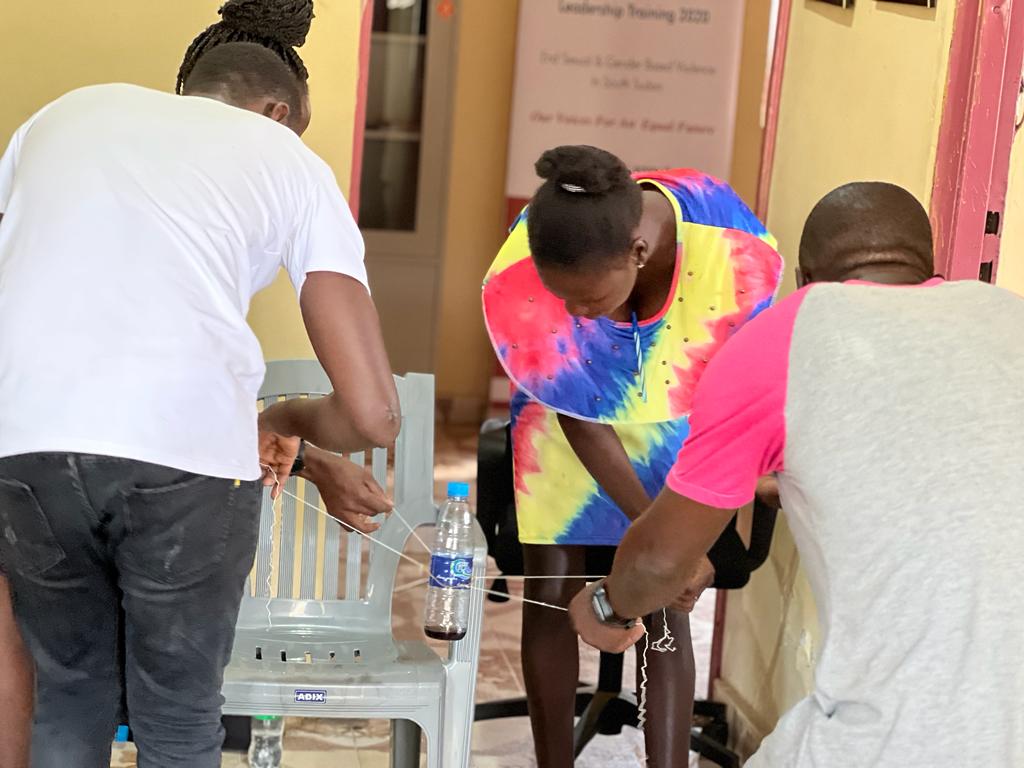
SOGI Training
Mission
To empower and amplify the voices of women, girls, and marginalised communities through human rights education, advocacy, and leadership development, fostering equality and social justice in South Sudan.
Goals/Objectives
Promote gender equality and womxn’s empowerment.
Protect and advance the rights of LGBTIQ persons and other marginalised groups.
Prevent and respond to gender-based violence through awareness and psychosocial support.
Strengthen youth leadership and participation in social change.
Use sports and creative platforms for community mobilisation and advocacy.
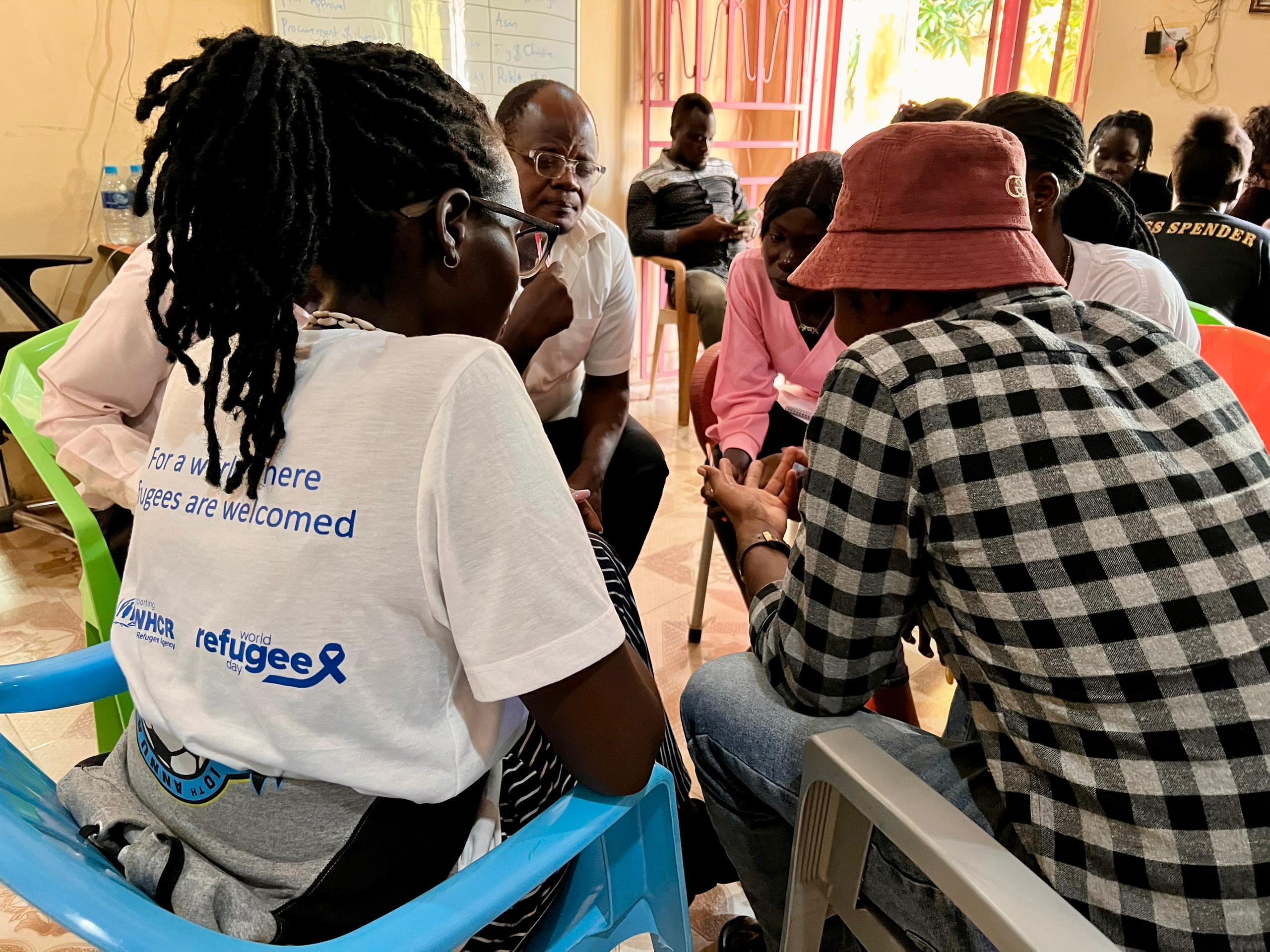
Refugee and community outreach
Focus Areas
Gender Equality and Womxn’s Empowerment
Sexual and Reproductive Health and Rights (SRHR)
Human Rights and Access to Justice
Mental Health and Psychosocial Support
Sports for Empowerment and Advocacy
Human Rights Documentation and Protection
Trans and Intersex Programmes
Trans programme
RiWA provides dedicated support to the transgender community in South Sudan, who face high levels of stigma, violence, and exclusion. RiWA’s work includes emergency protection, safe shelter referrals, psychosocial support, and accompaniment for those facing threats or abuse.
The organisation also documents human rights violations against trans people and uses this evidence for advocacy at local and national levels. Through leadership training and community organising, RiWA empowers trans activists to participate in decision-making and strengthen their visibility and safety.
Key areas of our support include:
Emergency assistance and protection.
Psychosocial support and healing spaces.
Documentation of human rights violations.
Leadership development and capacity building.
Intersex programme
RiWA’s Intersex Community of South Sudan (ICS) Initiative is aimed at addressing issues affecting intersex children and persons in South Sudan. This Initiative is the first of its kind in South Sudan, and is focused on visibility, protection, and empowerment of intersex people. RiWA creates safe spaces for intersex individuals and families, facilitates peer-support groups, and conducts community awareness to challenge stigma and harmful practices, including non-consensual medical interventions.
2019 — Founding of Rise Initiative for Women’s Right Advocacy (RiWA), South Sudan Founded in 2019 in South Sudan, Rise Initiative for Women’s Right Advocacy (RiWA) works primarily with the LGBTIQ community, with a specific focus on trans women, intersex people and children, as well as youth and survivors of gender-based violence. RiWA promotes and […]
2019 — Formation des Réseaux Transnationaux Indépendants d’Afrique Centrale (RITAC), Cameroun / Formation of the Independent Trans Networks of Central Africa (RITAC), Cameroon
2019 — Formation des Réseaux Transnationaux Indépendants d’Afrique Centrale (RITAC), Cameroun / Formation of the Independent Trans Networks of Central Africa (RITAC), Cameroon
Créé en 2019 par des organisations membres du Forum Trans d’Afrique de l’Ouest (WATF) et d’autres organisations, le Réseau Indépendant des Trans d’Afrique Centrale (RITAC), basé à Yaoundé, au Cameroun, ambitionne une Afrique centrale où l’identité trans est reconnue et librement vécue. RITAC et WATF sont partenaires de mise en œuvre de plusieurs projets en Afrique de l’Ouest et en Afrique Centrale. RITAC est une association qui compte 22 membres en Afrique Centrale, dont 10 organisations et 12 militants.
Formed in 2019 by member organisations of the West African Trans Forum (WATF) and other organisations, the Independent Trans Networks of Central Africa (RITAC — Réseau Indépendant des Trans d’Afrique Centrale), based in Yaoundé, Cameroon, envisions a Central Africa where trans identity is recognised and freely experienced. RITAC and WATF are implementing partners in several projects across West and Central Africa. RITAC is an association which has 22 members across Central Africa, including 10 organisations and 12 activists.
Domaines de travail / Areas of Work
RITAC
Contribue à l’amélioration des conditions de vie des personnes trans par l’intermédiaire de ses associations membres (AM) en Afrique centrale.
Renforce le leadership et la structuration des associations membres.
Promouvoir le renforcement des capacités des responsables d’organisations trans.
Documenter les violences faites aux personnes trans en Afrique centrale par l’intermédiaire de ses associations membres.
Accorder des mini-subventions aux associations membres pour la mise en œuvre d’actions en faveur des personnes trans.
contributes to improving the living conditions of trans people through its Member Associations (MA) in Central Africa
strengthens the leadership and structuring of Member Associations
carries out capacity building for leaders of trans organisations
documents the violence against trans people in Central Africa through Member Associations
provides grant mini-grants to Member Associations for the implementation of actions in favour of trans people.
2019 — Formation des Réseaux Transnationaux Indépendants d’Afrique Centrale (RITAC), Cameroun / Formation of the Independent Trans Networks of Central Africa (RITAC), Cameroon Créé en 2019 par des organisations membres du Forum Trans d’Afrique de l’Ouest (WATF) et d’autres organisations, le Réseau Indépendant des Trans d’Afrique Centrale (RITAC), basé à Yaoundé, au Cameroun, ambitionne une […]
Founded in 2019, Upendo Rights Advocacy Initiative – Malaba (URAI), is non-governmental organisation that serves the rural Ugandan community of LBQ women, intersex, gender non-conforming and other gender diverse persons. URAI was founded against the background of no services for LGBTI persons in Malaba and the perception that the LGBTI community is urban based. Yet LGBTI, people live in all contexts, including small towns and rural areas. LGBTI people in rural contexts experience unique and diverse challenges, with distinctive human rights, livelihood and healthcare needs that receive little attention at the national level, even with the considerable work that has already been done on LGBTI human rights, livelihoods and health situations in urban areas. Upendo was registered limited by guarantee in November 2021.
Mission
To represent, mobilise and empower communities of rural LBQ women, intersex, gender non-conforming and other gender diverse individuals through advocacy, inclusiveness, creating solidarity, and promoting leadership. URAI does this work through wellness and livelihood programmes, and advocacy initiatives to engage different stakeholders on the issues that these rural communities face.
Objectives
Advocate for policy changes to protect rural LBQ women, intersex, gender non-conforming and other gender diverse individuals.
Mobilise rural LGBTI communities through workshops, campaigns, and alliances.
Empower LGBTI individuals with skills training and resources for self-advocacy.
Foster inclusiveness and solidarity within rural communities.
Promote leadership among LGBTI individuals in rural areas.
Address unique challenges through research and targeted programmes.
Collaborate with stakeholders to improve services and support for rural LGBTI communities.
2019 — Upendo Rights Advocacy Initiative – Malaba (URAI) Founded, Uganda Founded in 2019, Upendo Rights Advocacy Initiative – Malaba (URAI), is non-governmental organisation that serves the rural Ugandan community of LBQ women, intersex, gender non-conforming and other gender diverse persons. URAI was founded against the background of no services for LGBTI persons in Malaba […]
20 March 2019 — Fondygender a été fondée / Fondygender Founded, Ivory Coast
Fondée le 20 mars 2019, Fondygender est une organisation communautaire à but non lucratif, non confessionnelle, apolitique et non gouvernementale dans la région des Lagons en Côte d’Ivoire et se concentre sur les droits humains trans, en particulier la lutte contre les IST, le VIH / SIDA, la tuberculose, l’hépatite et le Covid 19.
Founded 20 March 2019, Fondygender is a non-profit, non-denominational, apolitical, non-governmental community organisation in the Lagoons region of Ivory Coast and is focused on trans human rights, specifically fighting against STIs HIV / AIDS, TB, Hepatitis and Covid 19.
La Vision / Vision
Une société diversifiée et inclusive dans laquelle tous les individus ont la possibilité de réaliser leur plein potentiel tout en respectant leurs droits fondamentaux (droit à la santé, droit à l’éducation, droit à la sécurité, etc.)
A diverse and inclusive society in which all individuals have the opportunity to achieve their full potential while respecting their fundamental rights (right to health, right to education, right to security, etc.)
Mission
Mettre en synergie et coordonner les activités communautaires afin de contribuer à une meilleure stratégie d’accès aux droits fondamentaux et au respect des libertés des personnes transgenres. Et plus largement, de la communauté des minorités sexuelles et de genre et des mouvements féministes inclusifs.
To synergise and coordinate community activities in order to be part of a better strategy for access to fundamental rights and respect for the freedoms of transgender people. And more broadly the community of sexual and gender minorities and inclusive feminist movements.
Images from the organisation’s website
Valeurs / Values
Visibilité
Inclusion
Solidarité
Justice sociale
Visibility
Inclusion
Solidarity
Social justice
Domaines de travail / Areas of Work
Promotion de la santé sexuelle et reproductive / VIH-SIDA.
Diffusion et promotion des droits humains.
Promotion d’un féminisme inclusif pour l’égalité des sexes, des genres et des chances.
Promotion de l’autonomisation.
Développement d’actions culturelles de sensibilisation et de divertissement.
Promotion of sexual and reproductive health / HIV-AIDS.
Dissemination and promotion of human rights.
Promoting inclusive feminism for the equality of all sexes, genders and opportunities.
Promoting empowerment.
Developing cultural action for awareness and entertainment.
Contacter / Contact
Site web / Website +225 0759 927 755 / +225 0708 714 397 Email: contact@fondygender.org
20 March 2019 — Fondygender a été fondée / Fondygender Founded, Ivory Coast Fondée le 20 mars 2019, Fondygender est une organisation communautaire à but non lucratif, non confessionnelle, apolitique et non gouvernementale dans la région des Lagons en Côte d’Ivoire et se concentre sur les droits humains trans, en particulier la lutte contre les […]
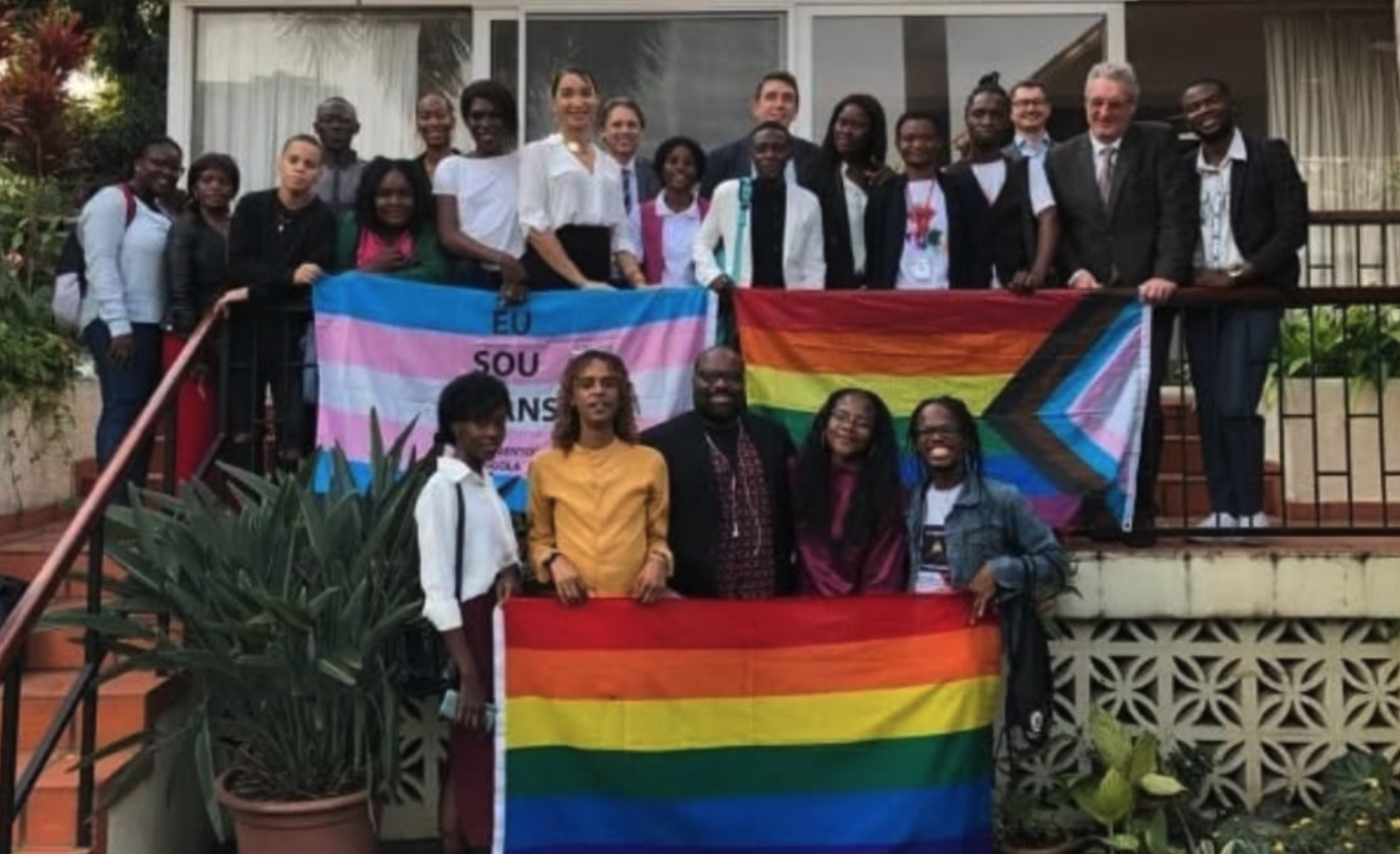
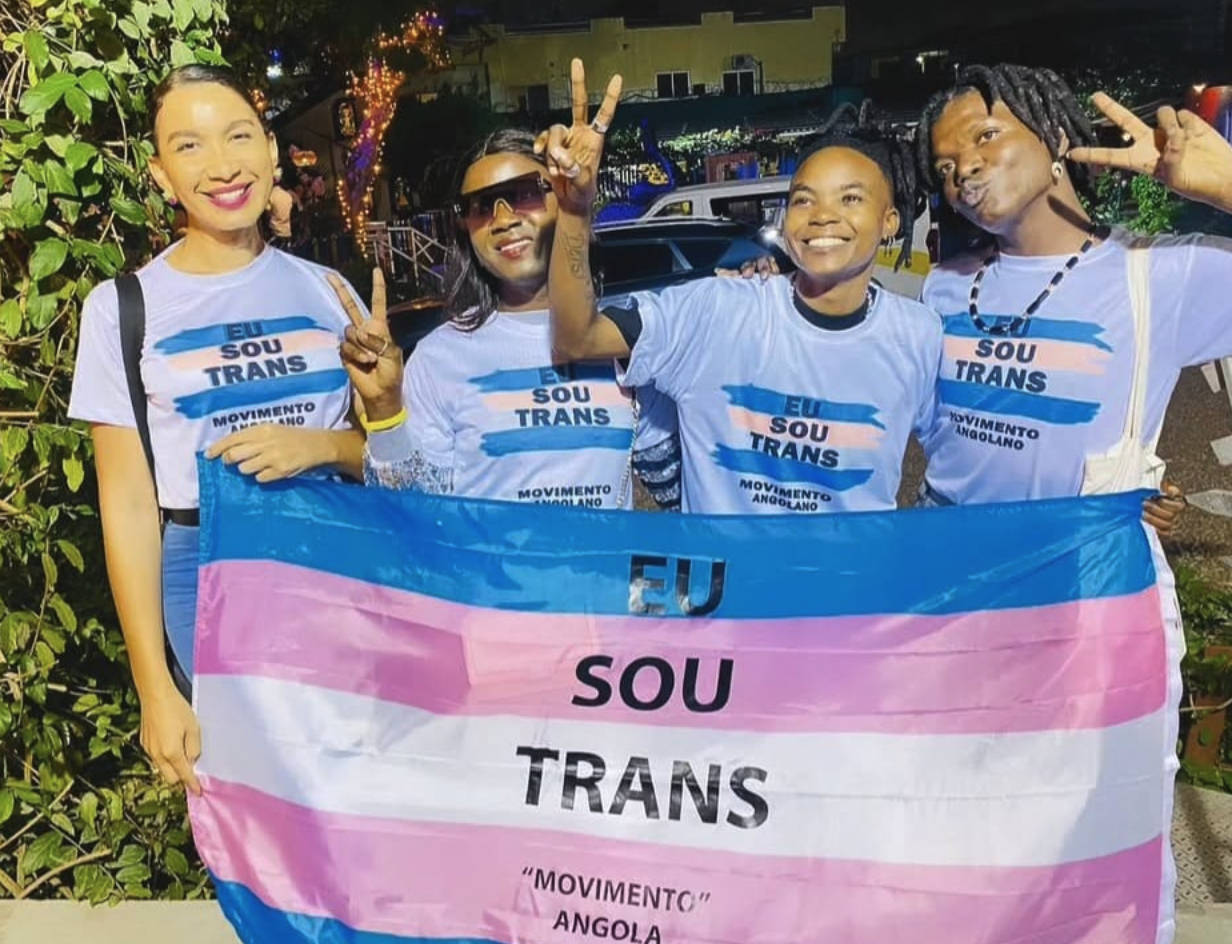
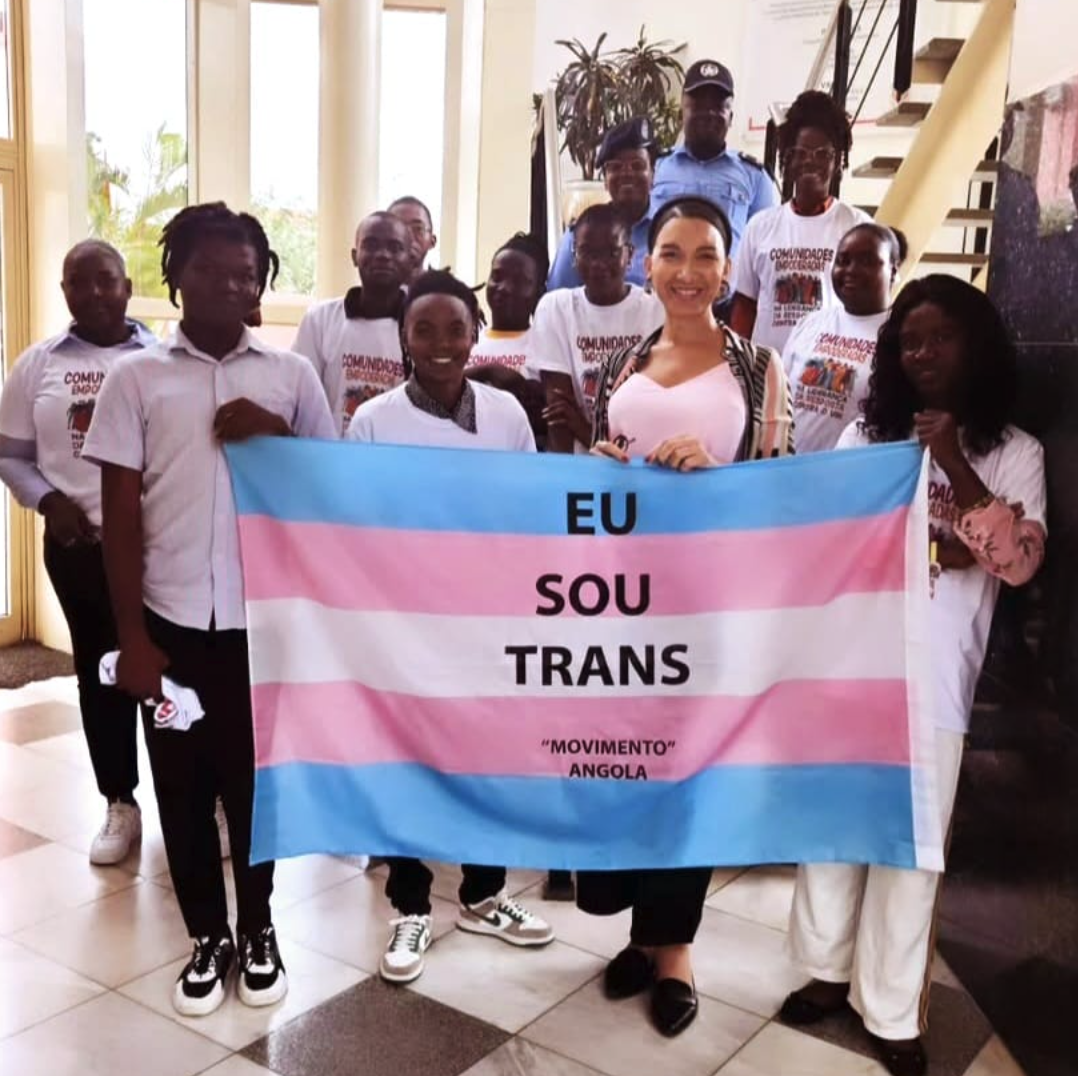
31 March 2019 — Fundação do Movimento Eu Sou Trans Angola (M.E.S.T.A.) / Founding of I Am Trans Movement Angola
Fundado em 31 de março de 2019 por Imanni Da Silva, o Movimento Eu Sou Trans Angola (M.E.S.T.A.) é uma organização de direitos humanos dedicada às pessoas trans angolanas.
Founded on the 31st of March 2019 by Imanni Da Silva, Movimento Eu Sou Trans Angola (M.E.S.T.A.), translated as I Am Trans Movement Angola, is a human rights organisation dedicated to Angolan trans people.
M.E.S.T.A.
chama a atenção da sociedade para os desafios enfrentados pela comunidade trans devido à discriminação e à violência que sofrem.
destaca a importância dos direitos da comunidade trans na sociedade (acesso a serviços de saúde, educação, segurança e proteção, e emprego).
informa e educa a comunidade trans sobre seus direitos, saúde e questões de segurança.
empodera e apoia vítimas de violência pela forma como expressam sua identidade de gênero.
conscientiza e informa profissionais das áreas de saúde, segurança pública, educação e comunicação social.
A organização ainda não está registrada.
M.E.S.T.A.
draws society’s attention to the challenges faced by the trans community due to the discrimination and violence they suffer.
highlights the importance of the rights of the trans community in society (access to health services, education, security and protection, and employment).
informs and educates the trans community about their rights, health and safety issues.
empowers and supports victims of violence for the way they express their gender identity.
raises awareness, trans and informs professionals in the fields of health, policing, education, and social communication.
The organisation is not yet registered.
A visão / Vision
Uma Angola onde a comunidade trans tenha maior acesso aos seus direitos e onde a sociedade angolana seja mais tolerante com as pessoas trans.
An Angola where the trans community will have greater access to its rights and that society in Angola will be more tolerant of trans people.
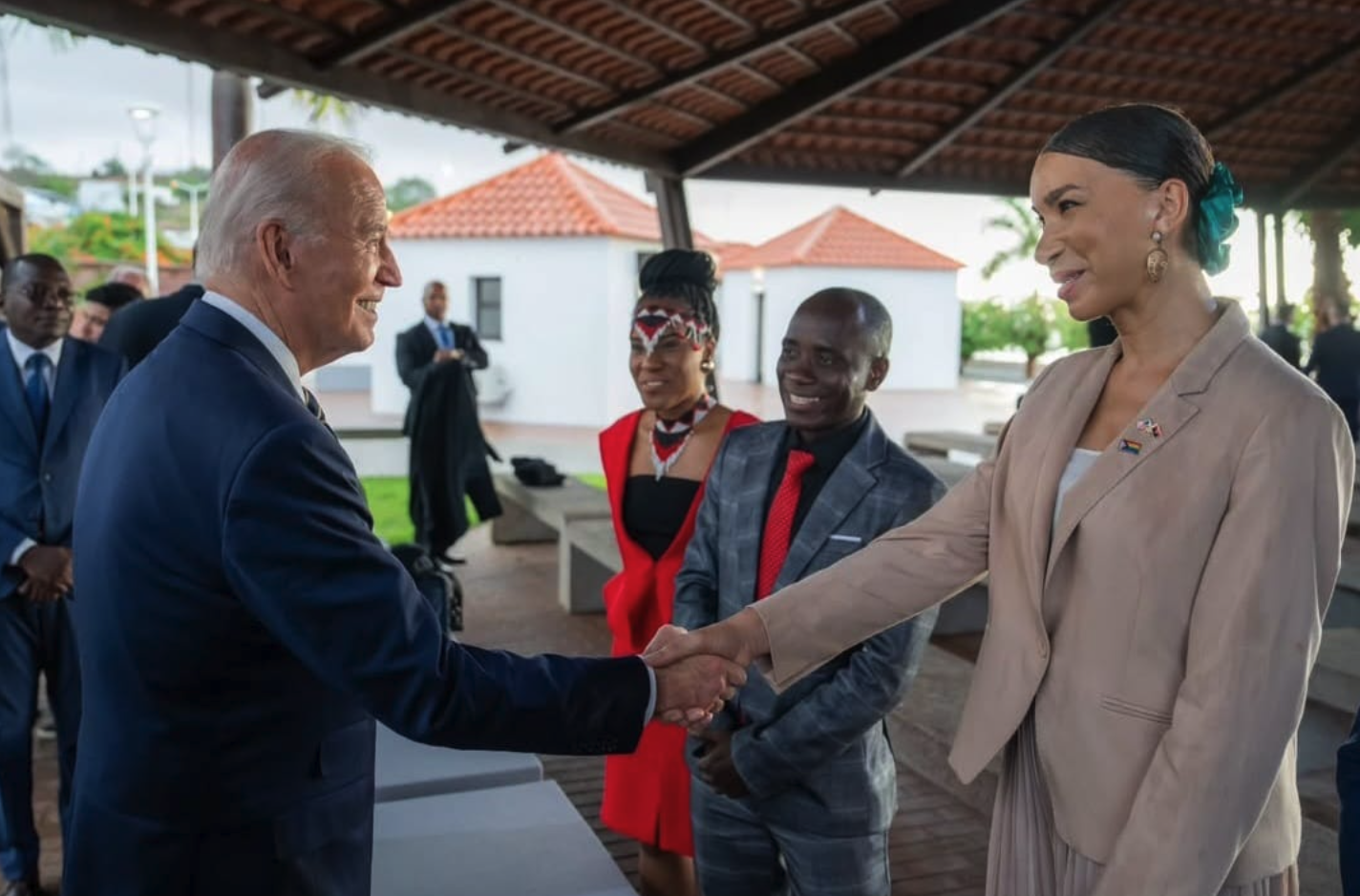
Imanni Da Silva, fundadora e diretora-geral da MESTA, em encontro com o então presidente dos EUA, Joe Biden. Founder and General Director of MESTA, Imanni Da Silva, meeting then US President, Joe Biden
A missão / Mission
Educar e reeducar a sociedade, bem como a comunidade LGBT, em particular as pessoas trans, sobre seus direitos e a importância de terem voz e acesso à educação, justiça e emprego.
To educate and reeducate society as well as the LGBT community, in particular trans people, regarding their rights and of the importance of them having a voice and access to education, justice and employment.
Objetivos / Objectives
Interagir com instituições locais e estrangeiras, bem como com partes do governo, a fim de trabalhar em parceria e contribuir para futuras mudanças políticas relativas à inclusão de pessoas trans.
To engage with local and foreign institutions as well as part of government in order to work in partnership and contribute for future political changes regarding the inclusion of trans people.
Áreas de foco / Focus areas
A M.E.S.T.A. realizou campanhas de conscientização em que pessoas trans são as protagonistas, representando as mensagens e os temas de cada campanha de forma concreta. Essas campanhas destacam a existência, a visibilidade, o respeito e o direito à liberdade das pessoas trans:
Eu sou trans
Eu sou visível
Eu tenho direito à vida
Eles também prestaram apoio jurídico em casos de discriminação contra pessoas trans, particularmente mulheres trans e profissionais do sexo, que são vítimas de detenções arbitrárias, e intervieram em sua libertação.
A M.E.S.T.A. também participou de palestras e oficinas sobre estigma e discriminação, bem como sobre empoderamento, em parceria com outras organizações como a A.I.A., a Associação Irís, a revista Queer People e instituições como o PNUD, o INLS (Instituto Nacional de Luta contra a AIDS) e a Secretaria Provincial de Saúde.
M.E.S.T.A has carried out awareness campaigns in which trans people are the protagonists, representing the messages and themes of each campaign in a real way. These campaigns highlight the existence, visibility, respect and right to freedom of trans people:
I Am Trans
I Am Visible
I Have the Right to Life
They have also held provided legal support in cases of discrimination against trans people, particularly trans women and sex workers, who are victims of arbitrary detentions, and intervention in their release.
M.E.S.T.A. has also participated in lectures and workshops on stigma and discrimination, as well as empowerment, in partnership with other organisations such as A.I.A, Associação Irís, Queer People magazine and institutions such as UNDP, INLS (National Institute of fight against AIDS), and the Provincial Health Office.
31 March 2019 — Fundação do Movimento Eu Sou Trans Angola (M.E.S.T.A.) / Founding of I Am Trans Movement Angola Fundado em 31 de março de 2019 por Imanni Da Silva, o Movimento Eu Sou Trans Angola (M.E.S.T.A.) é uma organização de direitos humanos dedicada às pessoas trans angolanas. Founded on the 31st of March 2019 […]
April 2019 — Création de Groupe d’action Féministe Maroc (GAFM) (Feminist Action Group) Maroc / Groupe d’action Féministe Maroc (GAFM) (Feminist Action Group) Founded, Morocco
April 2019 — Création de Groupe d’action Féministe Maroc (GAFM) (Feminist Action Group) Maroc / Groupe d’action Féministe Maroc (GAFM) (Feminist Action Group) Founded, Morocco
Le Groupe d’action féministe marocain (GAFM) a été fondé en avril 2019 par Izgar Belrhali. Le GAFM œuvre pour l’élimination des violences liées à l’expression de genre par une approche intersectionnelle et féministe d’autodéfense. Le GAFM vise à promouvoir l’autodéfense féministe comme moyen d’émancipation en partageant des informations, en établissant des contacts, en menant des actions et en échangeant des expériences au Maroc.
Le groupe n’a pas pu s’enregistrer officiellement car l’existence d’organisations LGBTQIA+ est illégale au Maroc.
Groupe d’action féministe Moroc (GAFM), or Feminist Action Group, was founded in April 2019 by Izgar Belrhali. GAFM works to eliminate gender expression-based violence through an intersectional and feminist self-defence method. GAFM aims to promote feminist self-defence as a means of emancipation through sharing information, establishing contact, creating actions and exchanging experiences in Morocco.
The group has been unable to formally register as it is illegal for LGBTQIA+ organisations to exist in Morocco.
La vision / Vision
GAFM aspire à un Maroc où les jeunes femmes et les communautés marginalisées disposent des outils, des connaissances et de la confiance nécessaires pour mener une vie autonome et épanouie. En favorisant la résilience, l’autonomie et la solidarité, GAFM vise à remettre en question et à transformer les barrières systémiques qui perpétuent les inégalités et les discriminations.
GAFM envisions a Morocco where young women and marginalised communities have the tools, knowledge, and confidence to lead independent, empowered lives. By fostering resilience, self-reliance, and solidarity, GAFM aims to challenge and transform the systemic barriers that perpetuate inequality and discrimination.
Mission
GAFM se consacre à la promotion et au renforcement des capacités internes des jeunes femmes, des personnes trans et queer au Maroc grâce à des méthodes d’autodéfense féministes et intersectionnelles. Sa mission est d’autonomiser ces groupes par l’éducation, le plaidoyer et la création d’espaces sûrs pour leur développement personnel et collectif.
GAFM is dedicated to promoting and strengthening the internal capacities of young women, trans, and queer communities in Morocco through feminist and intersectional self-defence methods. Their mission is to empower these groups through education, advocacy, and the creation of safe spaces for personal and collective growth.
Objectifs / Goals
Autonomisation : Autonomiser les jeunes femmes et les communautés marginalisées du Maroc en leur fournissant les outils, les connaissances et les compétences nécessaires pour mener une vie indépendante et épanouissante.
Éducation et plaidoyer : Sensibiliser le public et défendre les droits des femmes et des personnes LGBTQIA+, en promouvant la connaissance et la compréhension des enjeux liés au genre et à l’orientation sexuelle.
Sécurité et soutien : Créer des espaces sûrs où chacun peut partager son expérience, recevoir du soutien et élaborer des stratégies pour sa sécurité personnelle et collective.
Engagement communautaire : Encourager les initiatives communautaires porteuses de changement durable, en mettant l’accent sur l’amélioration des conditions socio-économiques et de la santé mentale des groupes marginalisés.
Empowerment: To empower young women and marginalised communities in Morocco by providing them with the tools, knowledge, and skills needed to lead independent and fulfilling lives.
Education and advocacy: To educate the public and advocate for the rights of women and LGBTQIA+ individuals, promoting awareness and understanding of issues related to gender and sexual orientation.
Safety and support: To create safe spaces where individuals can share experiences, receive support, and develop strategies for personal and community safety.
Community engagement: To foster community-led initiatives that drive sustainable change, focusing on improving socio-economic and mental health outcomes for marginalised groups.
April 2019 — Création de Groupe d’action Féministe Maroc (GAFM) (Feminist Action Group) Maroc / Groupe d’action Féministe Maroc (GAFM) (Feminist Action Group) Founded, Morocco Le Groupe d’action féministe marocain (GAFM) a été fondé en avril 2019 par Izgar Belrhali. Le GAFM œuvre pour l’élimination des violences liées à l’expression de genre par une approche […]
19 April 2019 — Founding of Entrepreneur Empowerment and Advocacy (EEA-Health), Kenya
Founded on 19 April 2019, Entrepreneur Empowerment and Advocacy (EEA-Health) seeks to empower the trans, intersex and gender non-conforming (TIGNC) refugee communities of Kenya. It provides crucial support to asylum seekers fleeing Uganda’s oppressive anti-LGBTQ+ laws. EEA-Health aims to create a safe and empowering environment for those who have faced persecution, helping them navigate the numerous challenges they encounter upon arriving in Kenya. The organisation is registered, but not as an LGBTIQ+ organisation due to safety issues. EEA-HEALTH is a member of the Grassroots Justice Network.
Vision
To empower trans, intersex and gender non-conforming (TIGNC) refugees and asylum seekers by championing their rights through legal, social, and economic initiatives. To create a safe and inclusive environment where every individual, regardless of gender identity or sexual orientation, can thrive and reach their full potential.
Mission
To advocate for equal rights and create sustainable welfare for TIGNC refugees and asylum seekers in Kenya. To empower TIGNC individuals through legal reforms, policy advocacy, and economic empowerment initiatives to help them achieve better livelihoods and live with dignity and respect.
Thematic Focus Areas
Advocating for ITGNC rights
EEA-Health is dedicated to promoting the rights of TIGNC refugees and asylum seekers. Through legal advocacy, they fight for law and policy reforms that recognise and protect the rights of sexual minorities. The organisation collaborates with queer-friendly lawyers to offer pro-bono legal services and consultations, ensuring that TIGNC individuals have access to justice and legal protection.
Legal protection for refugees and asylum seekers
The organisation provides comprehensive legal and paralegal services to TIGNC refugees and asylum seekers, addressing issues such as asylum claims, discrimination, and human rights violations. Support includes offering security and safety training, raising awareness against homophobia and transphobia, and supporting victims of abuse through consultation and legal intervention.
Gender-based violence (GBV) and Intimate Partner Violence (IPV) awareness
EEA-Health actively advocates against GBV and IPV within the local and TIGNC communities. They conduct campaigns and provide education to raise awareness about these issues, offering support and resources to victims. Their programmes aim to create safer environments and promote respectful and non-violent relationships.
Sexual and Reproductive Health Rights awareness
In collaboration with Amplify Change and the Trans Refugee Empowerment Network Africa (TRENA), the organisation runs awareness programmes on sexual and reproductive health rights. This 18-month initiative (2024—2025) focuses on educating TIGNC individuals about their health rights, providing essential health services, and ensuring access to reproductive healthcare.
Psychosocial support for people who use drugs
EEA-Health offers psychosocial support for TIGNC individuals who use drugs, including trans sex workers, those on hormone therapy, and individuals living with HIV/AIDS. Supported by UHAI-EASHRI in 2022-2023, this programme provides counseling, health services, and support networks to help improve the overall wellbeing of these individuals.
Climate change advocacy
Recognising the impact of climate change on LGBT+ refugee rights, EEA-Health advocates for climate justice and its implications on vulnerable communities. They engage in campaigns and educational programmes to highlight how climate change disproportionately affects LGBT+ refugees, aiming to develop adaptive strategies and resilience within these communities.
Community support and inclusion
EEA-Health believes in creating a welcoming and supportive environment for all. They offer a range of services and programs that empower TIGNC refugees and asylum seekers to achieve their full potential. The organisation’s shelter provides a safe space for up to 10 refugees, while their advocacy and support services ensure that every individual feels valued and respected. By addressing these thematic areas and leveraging their strengths, EEA-Health continues to champion for the rights of TIGNC individuals, advocating for a just and inclusive society where everyone can live with dignity and respect.
Areas of Work
Provide safe housing and emergency support: To offer secure shelter for ITGNC asylum seekers fleeing persecution and ensure access to essential services for displaced individuals.
Enhance economic empowerment and sustainability: Developing livelihood programs through vocational training to catalyse financial independence through skills development and entrepreneurship.
Strengthen legal and documentation support: To ensure asylum seekers obtain legal protection and documentation through legal aid and advocacy for those facing discrimination or violence.
Promote health and well-being: To improve access to sexual and reproductive health services, including HIV/AIDS care and mental health support through campaigns and referral systems.
Advance advocacy and protection for ITGNC refugees: Raising awareness on LGBTQ+ refugee rights and Gender-Based Violence through advocacy and policy engagement to enhance movement building.
19 April 2019 — Founding of Entrepreneur Empowerment and Advocacy (EEA-Health), Kenya Founded on 19 April 2019, Entrepreneur Empowerment and Advocacy (EEA-Health) seeks to empower the trans, intersex and gender non-conforming (TIGNC) refugee communities of Kenya. It provides crucial support to asylum seekers fleeing Uganda’s oppressive anti-LGBTQ+ laws. EEA-Health aims to create a safe and […]
June 2019 — Fondation de Kitumaini ASBL, République Démocratique du Congo / Founding of Kitumaini ASBL, Democratic Republic of Congo
Fondée le 28 juin 2019 par Patrick Maliani, Kitumaini ASBL œuvre principalement auprès des personnes transgenres et de genres divers en République démocratique du Congo, œuvrant pour une société plus inclusive, où les personnes transgenres sont reconnues. C’est une organisation transféministe qui travaille avec les communautés trans et non binaires, les jeunes et les adultes trans, les survivantes de violences basées sur le genre (VBG), les militants des droits humains, les travailleurs sociaux et de santé, ainsi que les institutions et acteurs engagés en faveur de l’égalité et des droits humains. L’organisation les droits à la santé sexuelle et reproductive (DSSR) sans discrimination
Founded on 28 June 2019 by Patrick Maliani, Kitumaini ASBL primarily serves trans and gender diverse people in the Democratic Republic of Congo, working towards a more inclusive society where trans people are recognised. It is a transfeminist organisation that works with trans and non-binary communities, trans youth and adults, survivors of gender-based violence (GBV), human rights activists, health and social workers, and institutions and stakeholders committed to equality and human rights. The organisation also defends reproductive health and rights (SRHR) for trans, gender diverse and non-binary communities free from discrimination.
La Vision / Vision
Nous aspirons à la reconnaissance légale de l’identité de genre et à l’amélioration des conditions de vie des personnes transgenres pour une véritable inclusion en République Démocratique du Congo.
Kitumaini strives for legal recognition of gender identity and improved living conditions for trans people for true inclusion in the Democratic Republic of Congo.
Mission
L’Association a pour mission de promouvoir les droits humains à travers une approche basée sur le respect de la diversité et de l’inclusion, en mettant un accent particulier sur les personnes transgenres afin de renforcer leur leadership dans les différents secteurs de la vie.
The Association’s mission is to promote human rights through an approach based on respect for diversity and inclusion, with a particular focus on trans people in order to strengthen their leadership in different sectors of life.
Objectifs / Goals
Elle poursuit notamment les objectifs suivants :
Accompagner et soutenir les personnes transgenres , en particulier celles n’ayant pas retenu d’une éducation scolaire de base, à travers des programmes d’apprentissage en alphabétisation, art culinaire, pâtisserie, coiffure, couture et autres initiatives visant à les outiller pour une meilleure insertion socio-économique.
Sensibiliser les personnes transgenres aux droits à la santé sexuelle et reproductive , en leur fournissant des informations pertinentes sur leur sexualité afin de garantir un accès équitable aux soins et aux services adaptés.
Renforcer les compétences entrepreneuriales des personnes transgenres , en mettant en place des stratégies d’autonomisation économique à travers l’épargne, le crédit et le développement d’activités génératrices de revenus pour lutter contre la pauvreté.
Mobiliser les associations de la société civile, les entreprises et les organisations partageant les mêmes valeurs , afin de favoriser la mise en œuvre de projets communs en faveur des droits et du bien-être des personnes transgenres.
Lutter contre la transphobie, la stigmatisation, la discrimination et toutes formes de violences basées sur l’orientationbasé sur l’orientation sexuelle, l’identité et l’expression de genre.
Plaider auprès des décideurs politiques pour une approche inclusive , afin d’intégrer les réalités et les besoins des personnes transgenres dans les différents programmes de développement du pays.
Encourager la participation des personnes transgenres aux manifestations et forums internationaux , afin de promouvoir l’inclusion, la diversité, l’égalité des genres et les droits humains à l’échelle mondiale.
Soutenir et consolider un mouvement féministe transgenre , en assurant un suivi et une évaluation continue des nouveaux défis auxquels sont confrontées les personnes marginalisées, tout en développant des stratégies adaptées pour y faire face.
Objectives include:
Supporting and assisting trans people, particularly those who have not received a basic education, through learning programs in literacy, culinary arts, baking, hairdressing, sewing, and other initiatives aimed at equipping them for better socioeconomic integration.
Raising awareness among trans people about sexual and reproductive health rights by providing them with relevant information about their sexuality in order to ensure equitable access to appropriate care and services.
Strengthening the entrepreneurial skills of trans people by implementing economic empowerment strategies through savings, credit and the development of income-generating activities to combat poverty.
Mobilising civil society associations, businesses and organisations sharing the same values, in order to promote the implementation of joint projects in favour of the rights and well-being of trans people.
Fighting against transphobia, stigma, discrimination and all forms of violence based on sexual orientation, gender identity and expression.
Advocating with policy makers for an inclusive approach, in order to integrate the realities and needs of trans people into the country’s various development programmes.
Encouraging the participation of trans people in international events and forums, in order to promote inclusion, diversity, gender equality and human rights globally.
Supporting and consolidating a transfeminist movement, ensuring continuous monitoring and evaluation of the new challenges faced by marginalized people, while developing appropriate strategies to address them.
Domaines d’intervention / Focus Areas
Droits humains et plaidoyer
Sensibilisation et lutte contre les discriminations et violences basées sur l’identité et l’expression de genre
Plaidoyer pour la reconnaissance légale de l’identité de genre et l’inclusion des personnes transgenres dans les politiques publiques
Accompagnement juridique des personnes trans victimes de violations de leurs droits
Santé et bien-être
Accès aux soins de santé adaptés et lutte contre les discriminations médicales
Promotion des droits à la santé sexuelle et reproductive (DSSR) sans discrimination
Soutien psychologique et social aux personnes transgenres confrontées à la marginalisation
Autonomisation économique et inclusion sociale
Renforcement des compétences des personnes trans par la formation professionnelle (coiffure, couture, art culinaire, etc.)
Développement de projets d’entrepreneuriat social et d’activités génératrices de revenus
Accès aux opportunités économiques et financières pour réduire la précarité et l’exclusion
Éducation et renforcement des capacités
Alphabétisation et éducation de base pour les personnes trans n’ayant pas eu accès à l’école
Formation sur les droits, le leadership et la participation citoyenne des personnes transgenres
Création d’espaces d’échange et de partage d’expériences pour le renforcement du mouvement trans féministe
Sécurité et protection des personnes transgenres
Soutien aux personnes transgenres victimes de violences et d’exclusion sociale
Hébergement temporaire pour les personnes en situation de grande vulnérabilité
Sécurisation numérique et protection contre les cyberviolences ciblant la communauté trans
Ces axes d’intervention permettent à Kitumaini ASBL de répondre aux besoins spécifiques des personnes transgenres en République Démocratique du Congo et de contribuer à une société plus inclusive et égalitaire.
Human Rights and Advocacy
Raising awareness and combating discrimination and violence based on gender identity and expression
Advocating for the legal recognition of gender identity and the inclusion of transgender people in public policies
Legal support for trans people whose rights are violated
Access to appropriate healthcare and the fight against medical discrimination
Promotion of sexual and reproductive health and rights (SRHR) without discrimination
Psychological and social support for trans people facing marginalisation
Economic empowerment and social inclusion
Strengthening the skills of trans people through vocational training (hairdressing, sewing, culinary arts, etc.)
Development of social entrepreneurship projects and income-generating activities
Access to economic and financial opportunities to reduce poverty and exclusion
Education and capacity building
Literacy and basic education for trans people who have not had access to school
Training on the rights, leadership, and civic participation of trans people
Creation of spaces for exchange and sharing experiences to strengthen the transfeminist movement
Safety and protection of trans people
Support for trans people who are victims of violence and social exclusion
Temporary housing for people in situations of extreme vulnerability
Digital security and protection against cyberviolence targeting the trans community
These areas of intervention enable Kitumaini ASBL to meet the specific needs of trans people in the Democratic Republic of Congo and contribute to a more inclusive and egalitarian society.
* Malheureusement, le site web et les réseaux sociaux de Kitumaini ne sont plus fonctionnels en raison d’un manque de financement. Au nom de Kitumaini, nous invitons tous les bailleurs de fonds susceptibles de soutenir son action à les contacter aux adresses e-mail ci-dessus.
* Unfortunately Kitumaini’s website and social media pages are no longer functional due to a lack of funding. On behalf of Kitumaini we call on any funders able to aid their work to contact them on the email addresses above.
June 2019 — Fondation de Kitumaini ASBL, République Démocratique du Congo / Founding of Kitumaini ASBL, Democratic Republic of Congo Fondée le 28 juin 2019 par Patrick Maliani, Kitumaini ASBL œuvre principalement auprès des personnes transgenres et de genres divers en République démocratique du Congo, œuvrant pour une société plus inclusive, où les personnes transgenres […]
23 September 2019 — Court Victory for Incarcerated Trans Woman, South Africa
After filing the case in 2016, Jade September won her court case at the Equality Court in the Western Cape, South Africa, on 23 September 2019. Ms September alleged that she had suffered numerous discriminatory actions by staff at the men’s facility at the Helderstroom Prison in Caledon, Cape Town, South Africa. In her court application, Ms September said that she was forced to cut her hair and that
“the heads of Helderstroom and the Malmesbury correctional facilities had failed to allow her to express her gender identity by not allowing her to wear female underwear, jewellery or make-up.”
“from now on, all prisons in South Africa must respect, protect, and promote the rights of transgender inmates. They cannot deny any trans person the right to express their gender identity, and they cannot force trans and gender non-binary inmates to behave or present in a way that conflicts with their identity. The judgment makes it clear that a person’s gender identity is part of their rights to equality, human dignity, and freedom of expression. If you deny a person the right to express their gender identity, you are violating those rights [and that her client, Ms September] is especially happy that this judgment is not only a win for her, but for many others like her stuck in a binary prison system, and trans people generally in South Africa whose existence and rights are ignored.”
The following press release was issued by the Legal Resources Centre, Gender DynamiX, Lawyers for Human Rights, the Triangle Project and Iranti:
“On Monday 23 September 2019, the Equality Court in the Western Cape handed down its judgment in the matter of September vs Subramoney N.O and Others. Ms. September is a transgender woman currently serving a prison sentence inside a male correctional facility. While incarcerated, prison officials denied her the right to express her gender through her hairstyle, dress, and use of small amounts of make-up. She has also been subject to verbal abuse and harassment from prison officials, and at one stage placed in segregated confinement after trying to express her gender.
Ms September sought relief from the Court for the violation of her fundamental constitutional rights to equality and human dignity, including an order that the respondents permit her to express her gender, and that her gender identity be respected and protected while incarcerated. Ms. September was represented by Lawyers for Human Rights, and her matter was heard on 26 and 27 November 2018. Gender Dynamix, represented by the Legal Resources Centre, were admitted as friends of the court.
We welcome and celebrate the judgment delivered by the Equality Court, which we believe is central to the promotion of the rights of transgender and gender diverse persons in South Africa. These classes of persons remain marginalised and ignored by the law and its application.
In a fundamental judgment, the Court held that refusal to allow a transgender person to express their gender identity is unfair discrimination that violates both the right to equality and section 8 of the Promotion of Equality and Prevention of Unfair Discrimination Act. The Court therefore ordered prison officials to allow Ms. September and others similarly placed to wear female underwear, keep her hair long and wear make-up, as well as address her as a woman and use female pronouns when referring to her. The Department of Correctional Services was also ordered to introduce transgender sensitivity training for current and new employees.
Critically, the Court reiterated that the incarceration of a person does not in any way excuse the State from fulfilling the obligation to respect, protect, promote and fulfil the rights of the applicants and others similarly placed. The Court emphasised the importance of the right to equality and how it links with the ability to express one’s gender identity. Further, the Court also correctly noted that Ms. September’s case was not just about equality, but also included the rights to dignity, freedom of expression and dignified detention, among others. The court explained that the respect for dignity requires the recognition of and respect for the unique identity and expression of each individual. The right to dignity therefore includes the right to express one’s gender identity.
The Court highlighted the linkages of the right to equality and the right to freedom of expression. The Court found that Ms. September had been denied her personal freedom to develop and express her gender identity which violated her right to freedom of expression. The court stressed that the infringement of freedom of expression is particularly severe when it is connected to other rights.
Importantly, the Court recognised the applicability of the Yogyakarta Principles and Yogyakarta Principles Plus 10 to the South African human rights context, citing “the obligation on the State to ‘repeal any law that prohibits or criminalises the expression of gender identity, including through dress, speech or mannerisms, or that denies to individuals the opportunity to change their bodies as a means of expressing their gender identity‘” (Principle 6). The Court also emphasised the right to treatment with humanity while in detention (Principle 9), which says that the State must “ensure that placement in detention avoids further marginalising persons on the basis of sexual orientation or gender identity or subjecting them to risk of violence, ill-treatment or physical, mental or sexual abuse.”
We welcome this groundbreaking judgement as it is an important development of the South African jurisprudence on the rights to gender identity and gender expression, and a significant step towards greater protection and realisation of the human rights of transgender and gender diverse people in South Africa. We urge all government departments to take note of this judgement and ensure that their laws, policies and practices comply with human rights standards on gender recognition for transgender and gender diverse persons.”
23 September 2019 — Court Victory for Incarcerated Trans Woman, South Africa After filing the case in 2016, Jade September won her court case at the Equality Court in the Western Cape, South Africa, on 23 September 2019. Ms September alleged that she had suffered numerous discriminatory actions by staff at the men’s facility at […]
October 2019 — Founding of Intersexions.org, Lesotho, South Africa and Swaziland
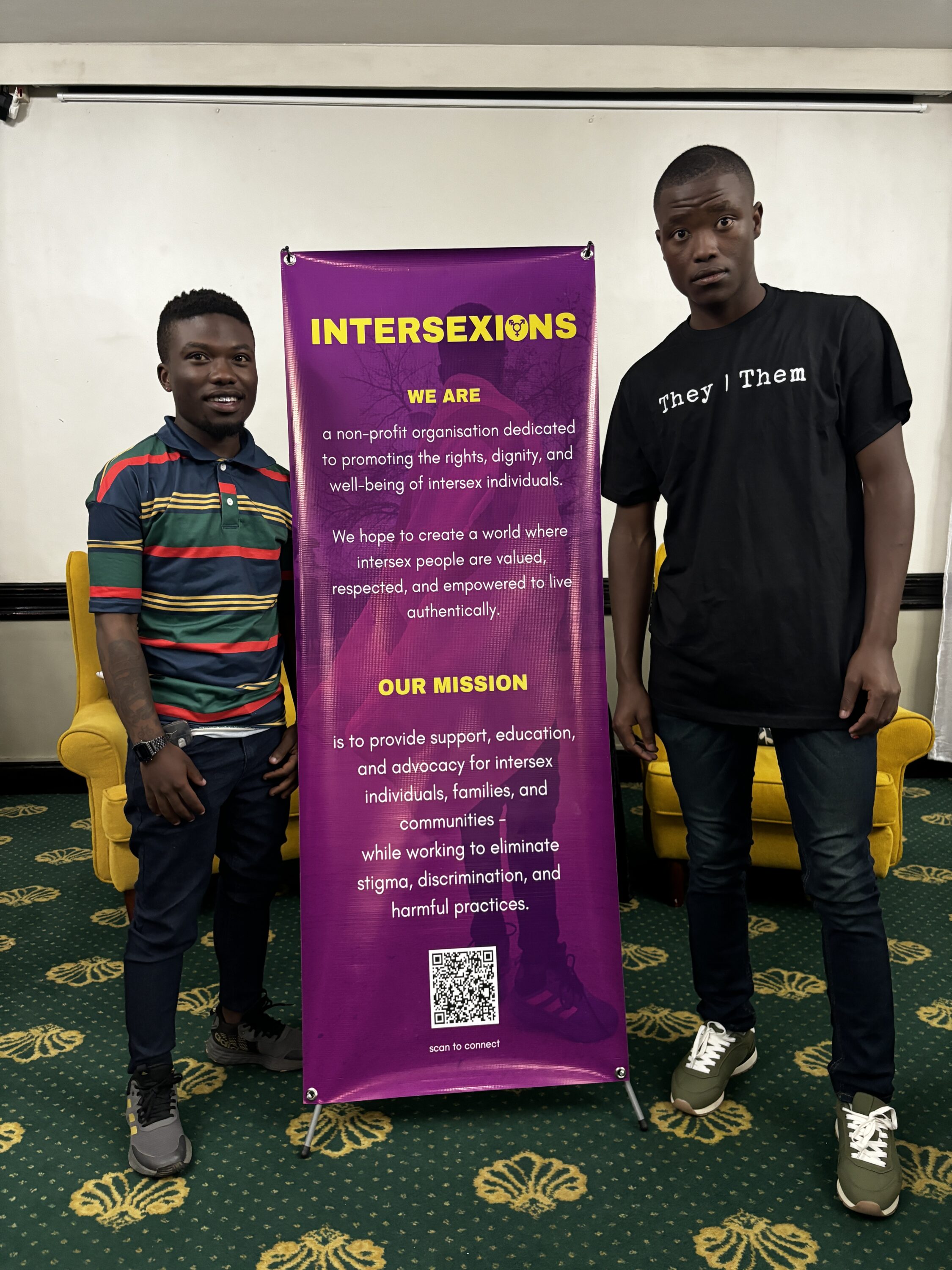
Founded in October 2019 by Lungile Peaceworth Maquba, Intersexions.org is an intersex rights organisation based in Lesotho, South Africa and Swaziland (eSwatini). The focus of their work is advocacy, support and education aimed at intersex individuals, parents of intersex people, and their allies. While their work is centred in these countries, they envision their work reaching global communities of intersex people and their allies. The organisation was registered in 2019.
Vision
To create a world where intersex people live freely, without fear of discrimination, stigma, or harm, and with dignity and respect.
Mission
To provide support, education and advocacy for intersex individuals, families and communities – while working to eliminate stigma discrimination, and harmful practices.
From Lesotho Pride
Media by Intersexions
In this educational video, intersex activist Lungile Peaceworth Maquba, decides to take a creative approach to provide insight into their own experiences of accessing healthcare services in South Africa. The video depicts a dialogue between two different characters that represent an internal dialogue with their own thoughts and two aspects of their own personality. One character is encouraging the other to go and see a doctor because they have been avoiding it. The other character expresses fear and hesitancy, because they are afraid of being discriminated against, or made to feel embarrassed by healthcare workers if they decide to go to the doctor. This video was created to educate healthcare workers on the experiences of intersex people seeking access to healthcare in South African healthcare facilities.
October 2019 — Founding of Intersexions.org, Lesotho, South Africa and Swaziland Founded in October 2019 by Lungile Peaceworth Maquba, Intersexions.org is an intersex rights organisation based in Lesotho, South Africa and Swaziland (eSwatini). The focus of their work is advocacy, support and education aimed at intersex individuals, parents of intersex people, and their allies. While […]
Established 25 November 2019, Intersex Nigeria (Center for Healthcare Development and Youth Empowerment) was founded by Obioma Chukwuike in response to the critical need for dedicated support, advocacy and visibility for intersex persons in Nigeria. According to Obioma,
“The organisation was born out of a recognition of the systemic challenges and societal stigmas faced by the intersex community. We promote and advocate for the sexual reproductive health, self-determination, bodily autonomy and overall human rights of intersex people in Nigeria. Through community building, advocacy, evidence-based research, empowerment, educational and informational resources on intersex-related issues to the public, partners, stakeholders and our community. Intersex Nigeria is a body by and for people with intersex variations. We promote the human rights, self-determination and bodily autonomy of intersex people in Nigeria. We build community, evidence, capacity, education and information resources. Our goals are to help create a society where our bodies are not stigmatized and discriminated against, and where our rights as a people are recognized and respected.”
Vision
A society where intersex persons, from birth, have rights to bodily integrity and autonomy and are free from stigma and discrimination.
Mission
To create an enabling society that promotes the visibility, inclusion, bodily autonomy, sexual and reproductive health including mental well-being and human rights of intersex persons in Nigeria, through community organising, research, advocacy, and public engagements using a feminist lens.
Founder and Executive Director of Intersex Nigeria – Obioma Chukwuike
Objectives
Advocacy: Lead advocacy efforts and strategies to influence and sustain policies and laws that protect and promote intersex rights.
Information and education: Utilise digital platforms and printed materials to distribute developed accessible educational resources on intersex issues, to broaden public awareness and understanding of intersex rights and needs.
Strategic partnerships: Form strategic partnerships with organizations that align with our mission, through movement building, resource mobilisation, and collaborations to support key human rights initiatives.
Empowerment and support: Establish and maintain a comprehensive support network for intersex persons and their families, through online and in-person forums and activities.
Stakeholder engagement: Increase recognition and support for intersex rights by securing commitments from key stakeholders across healthcare, legal, policy, human rights and other sectors, ensuring their active participation in initiatives for intersex individuals.
Viral ProjectSensitisation radio interview
Strategic Priorities
Sexual Reproductive Health and Rights: Intersex Nigeria develops and implements comprehensive sexuality education programs that provide accurate information about sexual and reproductive health, including topics such as contraception, HIV and STI prevention, consent, gender equality, and reproductive rights.
Capacity strengthening and building: The organisation outlines a comprehensive road map for systems strengthening aimed at organisational development, introducing trends of best practices and technology to equip both intersex persons and staff with essential life competency skills.
Human rights and advocacy: Intersex Nigeria conducts thorough research to understand the human rights issues affecting the communities they serve, and documents human rights violations, collect data, and gather testimonies from affected individuals to build evidence for advocacy campaigns.
Movement building and partnership: The organisation collaborates and networks with other rights-based groups and networks to build a resilient intersex movement, enhancing the visibility of intersex persons over time.
Peer and family support: The organisation’s peer and family support focuses on the goals of creating support groups within the NGO where individuals facing similar challenges or experiences can come together to share their stories, provide mutual encouragement, and offer practical advice.
National Youth Service sensitisation workshop
Areas of Work
Raising awareness: Educating the public, policymakers, healthcare professionals, and communities about intersex variations and the harmful effects of genital manipulation surgeries. Raising awareness about the rights of intersex people and the importance of bodily autonomy and self-determination.
Training for healthcare professionals: Providing training and education for healthcare professionals on intersex variations, human rights principles, and best practices for supporting intersex patients and families. Advocate for culturally competent and affirming healthcare services for intersex individuals.
Advocacy for legal protections: Advocate for legal protections against non-consensual medical interventions on intersex individuals, including genital surgeries. Work to ensure that laws and policies uphold the rights of intersex people to make informed decisions about their bodies and healthcare.
Medical ethics and guidelines: Advocate for the development and implementation of medical ethics guidelines that prohibit non-consensual genital surgeries on intersex infants and children. Promote patient-centered care and informed decision-making in healthcare settings.
25 November 2019 — Founding of Intersex Nigeria Established 25 November 2019, Intersex Nigeria (Center for Healthcare Development and Youth Empowerment) was founded by Obioma Chukwuike in response to the critical need for dedicated support, advocacy and visibility for intersex persons in Nigeria. According to Obioma, “The organisation was born out of a recognition of […]
20 December 2019 — Initiative of Trans With a Mission-Uganda (ITWAM) Founded, Uganda
The Initiative of Trans with a Mission-Uganda (ITWAM) was founded by Gafidyn Rae Wesonga and a few other members of the trans community on 20 December 2019 (names withheld for safety reasons). They’re a rural, indigenous, non-hierarchical, transfeminist, youth-led community-based organisation.
Vision
ITWAM envisions a society free from stigmatisation and discrimination of trans and gender-diverse persons; where all trans members are valued and gender diversity is celebrated with self-awareness, intersectionality and evolution of the needs of a diverse and resilient trans community.
Mission
ITWAM’S mission is to strengthen all rights of rural trans and gender-diverse persons including those with disabilities and living with HIV, by representing their diverse needs within human rights strategies in Uganda to meet their needs in the local community.
Objectives
Their main objectives are promoting rural trans and gender-diverse members’ sexual reproductive health rights, human rights, and mental health well-being with bodily integrity and autonomy, and self-determination with esteem. They advocate for access to quality healthcare, socio-economic empowerment and transformation through upskilling and capacity building of rural trans members and policy change advocacy (in other words trans-ifying policies and legal frameworks) to protect trans persons and all their human rights entitlements.
Gafidyn Rae Wesonga, the co-founder and team leader of ITWAM
Rural trans and gender-diverse individuals of Eastern Uganda participating in an ITWAM-organised training and workshop in April 2023
Gafidyn representing rural trans individuals at the National Trans Forum
Focus Areas
ITWAM’s primary focus areas include:
Policy Change Advocacy: They develop strategies to put trans people at the forefront of benefits, and engage in dialogues with stakeholders, state actors, and government institutions to address trans-related issues. They collaborate with partners like the Human Rights Awareness and Promotion Forum (HRAPF), Tranz Network Uganda (TNU), among others.
Media Activism: ITWAM mobilises rural trans individuals to participate in various trans-inclusive activities. They express views and concerns about their rights, call out human rights violations, create visibility for trans and gender-diverse persons in rural areas, and engage in discussions on social media platforms such as Facebook, Twitter, and Instagram.
Advocacy for Sexual Reproductive Health Rights: They create awareness about sexually transmitted diseases, sensitise rural trans persons on prevention and treatment, and engage with government health projects without discrimination. They have partnered with organisations like The AIDS Support Organization (TASO), Uganda Network of Young Persons Living with HIV (UNYPLHIV), and Mbale Network of Young Persons Living with HIV.
ITWAM works towards advancing equity, equality, and the quality of life for trans and gender-diverse persons, including those with disabilities, HIV, and trans sex workers in Eastern Uganda and Uganda as a whole. The organisation adopts a non-hierarchical leadership approach that encourages functional diversity, making the team flexible and adaptable to changing conditions. They focus on various trans and gender-diverse related issues, such as structural and institutionalised violence, discrimination in employment, access to essential social services, hate crimes, direct violence, federal research surveys, affordable and quality healthcare access, and collecting data on rural trans and gender-diverse people in the region for national organising and programming.
ITWAM is a local civil society member organisation of Tranz Network Uganda (TNU) and an Associate Member of the CIVICUS Alliance, a global alliance of civil society organisations and activists dedicated to strengthening citizen action and civil society worldwide. Additionally, ITWAM is the first transgender women-led and TGNC-focused organisation to join the Uganda Women’s Network (UWONET), a network predominantly occupied by cisgender heterosexual women. They also have a representative on the Board of Directors of TNU as the Director in charge of the Rural Trans movement in Uganda and are a member of the East Africa Trans Health and Advocacy Network (EATHAN) under TNU.
20 December 2019 — Initiative of Trans With a Mission-Uganda (ITWAM) Founded, Uganda The Initiative of Trans with a Mission-Uganda (ITWAM) was founded by Gafidyn Rae Wesonga and a few other members of the trans community on 20 December 2019 (names withheld for safety reasons). They’re a rural, indigenous, non-hierarchical, transfeminist, youth-led community-based organisation. Vision […]
2020 — Founding of Cairo 52 Legal Research Institute, Egypt/MENA Region
Founded in 2020, Cairo 52 Legal Research Institute primarily targets transgender and gender-diverse individuals, alongside the broader LGBTQ+ community and sex workers in the MENA (Middle East and North Africa) region. Their efforts are particularly focused on those experiencing intersectional discrimination based on gender identity, sexual orientation, and choices related to bodily autonomy. Since the group’s establishment, they have implemented targeted projects for the community, including the “Trans Clinic,” which provides medical support, and a strategic litigation initiative for “Legal Gender Recognition.” The organisation’s operational base is in Egypt/MENA region, and its registration base is in Estonia. It was registered on 26 June 2023 in Estonia due to security concerns in Egypt.
The organisation operates at the intersection of legal defense, research, and advocacy. Its main pillars include:
Legal Aid & Strategic Litigation: Offering pro bono legal defense for individuals arrested under “Vice Laws” and litigating for Legal Gender Recognition (LGR).
Research & Documentation: Producing evidence-based reports on digital entrapment, healthcare access, and legal violence.
Grassroots Services: Administering the “Trans Clinic” to enhance access to gender-affirming healthcare.
Advocacy: Engaging with United Nations mechanisms (UPR/individual communications) to contest state violence in the MENA region.
Vision
To cultivate a society that possesses a comprehensive understanding of its fundamental human rights, including those related to sexuality and bodily autonomy.
Mission
To effectively communicate legal information in a clear and accessible manner, promote the principles of human rights and bodily autonomy, provide legal assistance to marginalised individuals, and create a platform for amplifying the voices of those who have been silenced.
Goals/Objectives
Empower key populations to advocate for their rights through evidence-based research and legal knowledge.
Provide direct legal protection to victims of state prosecution and digital entrapment.
Advance bodily autonomy by ensuring access to safe healthcare and legal recognition for transgender individuals.
Challenge systemic injustice through strategic litigation and international advocacy (UN mechanisms).
Trans Health & Rights: The “Trans Clinic” initiative and “Legal Gender Recognition” litigation.
Digital Rights: Researching and combating “Digital Entrapment” and the surveillance of LGBTQ+ individuals.
Legal Defense: Defense against “Vice Laws” and strategic litigation in Egypt and Tunisia.
Knowledge Production: Conducting regional research on transgender experiences and HIV criminalization.
2020 — Founding of Cairo 52 Legal Research Institute, Egypt/MENA Region Founded in 2020, Cairo 52 Legal Research Institute primarily targets transgender and gender-diverse individuals, alongside the broader LGBTQ+ community and sex workers in the MENA (Middle East and North Africa) region. Their efforts are particularly focused on those experiencing intersectional discrimination based on gender […]
2020 — Création du Groupe Inter-Désir (GIDE), République démocratique du Congo / Founding of Groupe Inter-Désir (GIDE), Democratic Republic of Congo
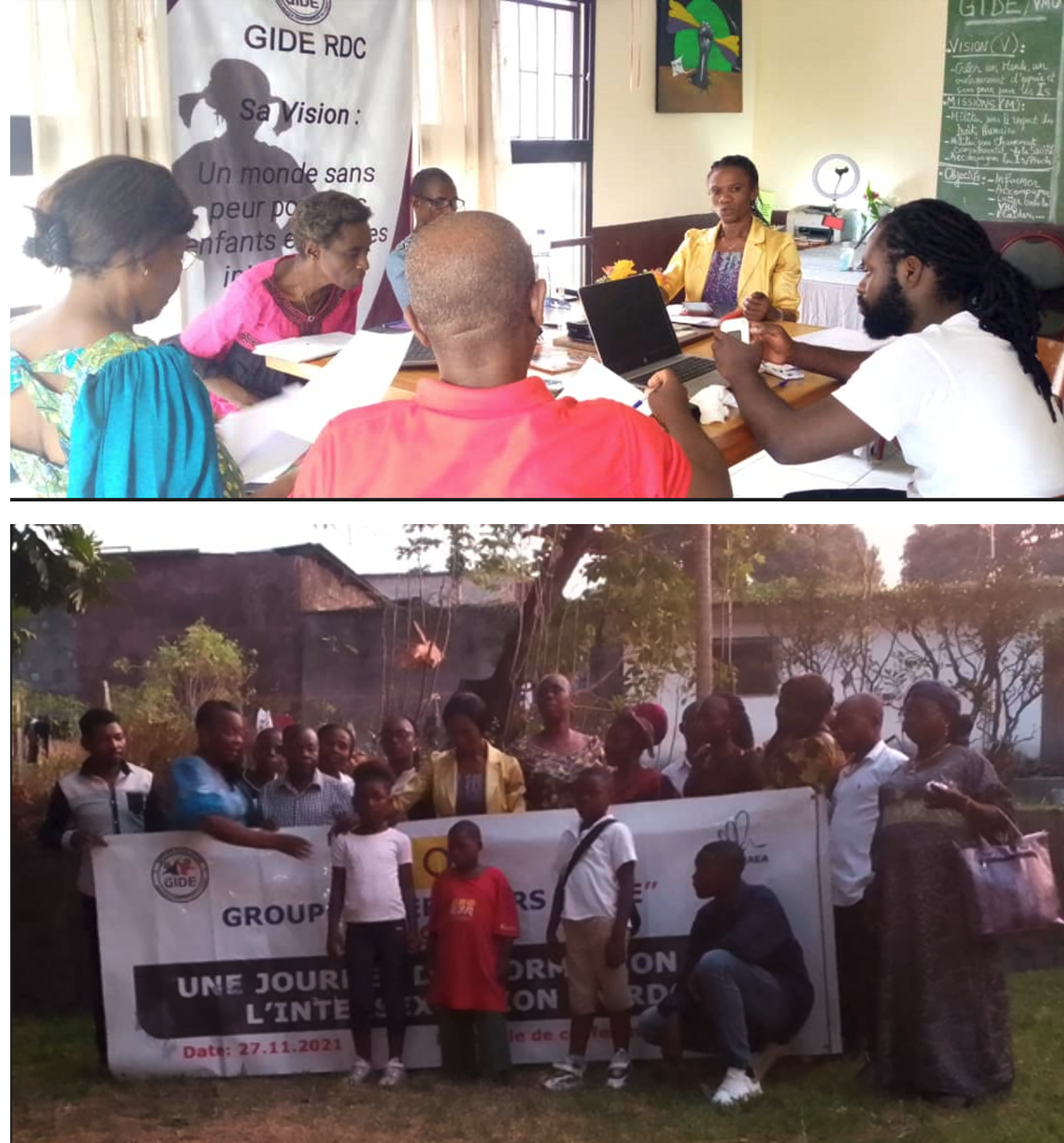
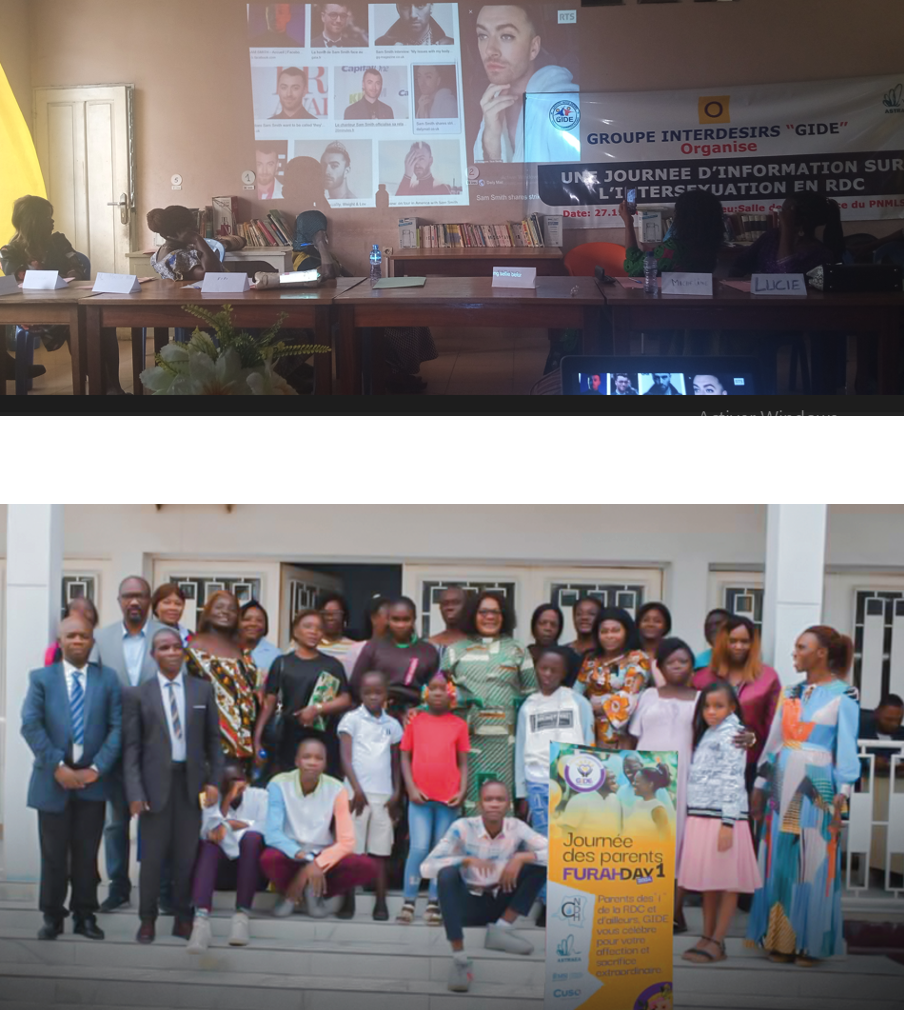
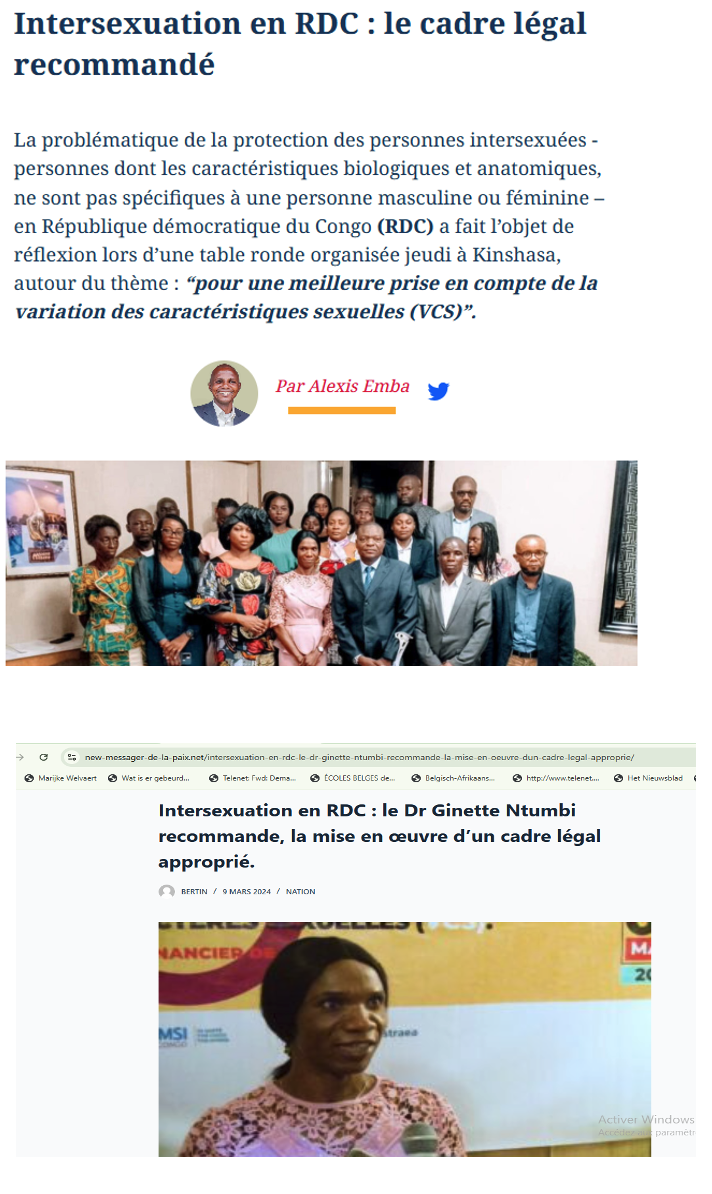
Créée dans 2020, Groupe Inter-Désir (GIDE) est une association à but non lucratif et apolitique, sans distinction de race, de sexe, d’appartenance ethnique, de culture ou de religion, et est une association qui défend les droits et l’intégrité physique des personnes intersexuées en République démocratique du Congo. L’organisation s’adresse enfants, jeunes et adultes Intersexués et parents et proches des Intersexués. GIDE est la seule organisation en RDC dédiée à la défense et à la promotion des droits humains des personnes intersexuées. Le groupe est dirigé par sa directrice générale, le Dr Ginette Ntumbi.
Founded in 2020, Groupe Inter-Désir (GIDE) is a non-profit, apolitical association, without distinction of race, sex, tribe, culture or religion, and is an association that defends the rights and bodily integrity of intersex people in the Democratic Republic of Congo.GIDE targets intersex children, youth, and adults; and parents and relatives of intersex people. GIDE is the only organization in the DRC dedicated to defending and promoting intersex human rights.The Group is led by Executive Director, Dr Ginette Ntumbi.
La vision / Vision
Contribuer à l’avènement d’un monde d’espoir, libéré de la peur pour les personnes intersexes. Un monde où ces personnes se sentent aimées et respectées.
To contribute to the advent of a world of hope that is fear free for intersex people. A world in which these people feel loved and respected.
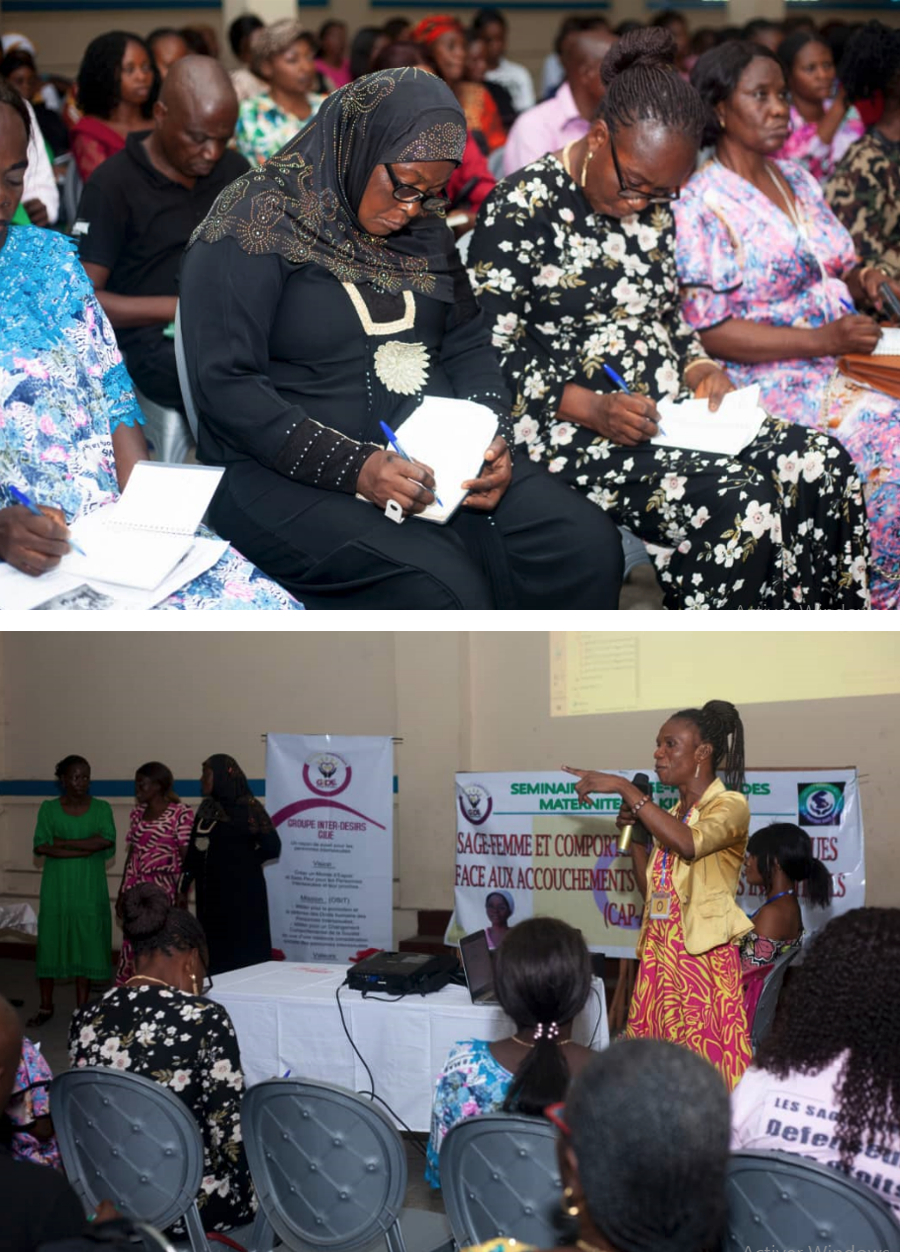
En bas : Discussion animée par la Directrice Exécutive du GIDE, Dr Ginette Ntumbi Bottom: Discussion led by GIDE’s Executive Director, Dr Ginette Ntumbi
Mission
Militer pour la promotion et la défense des Droits humains des Personnes Intersexuées.
Militer pour un Changement Comportemental de la Société en vue d’une meilleure considération sociale des personnes intersexuées.
To advocate for the promotion and defense of the human rights of intersex people.
To advocate for a change in societal behavior towards greater social acceptance of intersex people.
Objectifs / Objectives
Informer, former et sensibiliser la Communauté à travers une communication basée sur le changement de comportement sur l’intersexuation;
Mener un Plaidoyer de lutte contre l’intersexophobie dans les milieux hospitaliers, éducatifs ; sportifs, professionnels et autres;
Accompagner les personnes intersexuées et leurs proches sur le plan psycho-social, médico-chirurgical, juridique et bioéthique en vue de leur bien-être et inclusion sociale
To inform, train, and raise awareness within the community through communication focused on behavior change regarding intersexuality;
To advocate against intersexphobia in hospital, educational, sports, professional, and other settings;
To provide psychosocial, medical, surgical, legal, and bioethical support to intersex individuals and their families to promote their well-being and social inclusion.
Champs d’actions / Focus Areas
Transfert des connaissances sur l’intersexuation au moyens de :
Plaidoyer et parténariat ;
Accompagnement social, psychologique, médical et juridique;
Editions et distributions virtuelles et/ou en dur des messages ou publications sur l’intersexuation ;
Organisation d’œuvres de mobilisation des ressources pour la réalisation de la mission de GIDE ;
Tenue des lieux d’accueil, d’échanges, de conseils, du soutien scolaire et/ou moral, d’une bibliothèque
Dissemination of knowledge about intersexuality through:
Advocacy and partnerships;
Social, psychological, medical, and legal support;
Digital and/or print publishing and distribution of messages and publications on intersexuality;
Organization of fundraising activities to support GIDE’s mission;
Operation of welcoming spaces for discussion, advice, academic and/or moral support, and a library.
Regardez notre entretien avec la directrice générale, la Dre Ginette Ntumbi, à partir du 1er mai 2026 / Watch our interview with Executive Director, Dr Ginette Ntumbi from 1 May 2026
2020 — Création du Groupe Inter-Désir (GIDE), République démocratique du Congo / Founding of Groupe Inter-Désir (GIDE), Democratic Republic of Congo Créée dans 2020, Groupe Inter-Désir (GIDE) est une association à but non lucratif et apolitique, sans distinction de race, de sexe, d’appartenance ethnique, de culture ou de religion, et est une association qui défend […]
23 January 2020 — Founding of Prism Uganda (Prism Empowerment and Development Initiatives), Uganda
Founded by Fabian Boldtype, the current Executive Director, and Grace Nanteze on 23 January 2020, Prism Uganda, or Prism Empowerment and Development Initiatives (PEDI), is trans women-led NGO that works to bridge the gap in mental health and psycho-social support for transgender women in Uganda. They provide free counselling, therapeutic care, and guidance while advocating for human rights, visibility, and access to Sexual and Reproductive Health and Rights (SRHR) services. The organisation also advocates for trans persons living with HIV/AIDS. The organisation focuses on the Luweero, Nakaseke and Greater Kampala areas of Uganda. Unable to register as a trans/intersex or LGBTIQ+ organisation due to the law in Uganda, PEDI registered as a youth empowerment group that provides mental health services to youth living with HIV.
Vision
A society that actively values and consistently supports trans women on their journey to positive mental health.
Mission
To advocate for mental health through education, sensitisation, research and the provision of both community and individual holistic and quality mental health support services to transgender women.
Goals
To offer free professional psycho-social support services to trans women and other queer individuals.
To restore a sense of dignity, integrity, responsibility and self among trans women.
To motivate and empower the Trans youth to engage in entrepreneurship, innovation or any other form of decent of earning
To provide a safe haven for challenged, overwhelmed and anxious or estranged trans youth who could be battling rejection, stigma and any other challenges.
Programmes
Read more about PEDI’s programmes on their website.
Food campaign
HIV prevention workshop
Meeting with HRAPF (Human Rights Awareness & Promotion Forum)
23 January 2020 — Founding of Prism Uganda (Prism Empowerment and Development Initiatives), Uganda Founded by Fabian Boldtype, the current Executive Director, and Grace Nanteze on 23 January 2020, Prism Uganda, or Prism Empowerment and Development Initiatives (PEDI), is trans women-led NGO that works to bridge the gap in mental health and psycho-social support for […]
9 March 2020 — Founding of Trans Future DRC/ASBL, Democratic Republic of Congo (DRC)
Trans Future DRC/ASBL was founded on 9 March 2020 in the Democratic Republic of Congo (DRC). The organisation, focusing on trans rights, was registered on 8 December 2021.
Vision
To ensure that all transgender people within its radius of action can play a determining role or they will be actors in their own development in almost all areas of human life.
Mission
To establish a just and equitable world where all transgender people enjoy their rights.
Objective
To contribute to improving the social and economic well-being of transgender people in the east of the Democratic Republic of Congo.
Specific objectives
Lobby and advocate on respect for the rights of Transgender people.
Promote education and health of transgender people in the community.
Carry out entrepreneurship and food security actions for transgender people.
9 March 2020 — Founding of Trans Future DRC/ASBL, Democratic Republic of Congo (DRC) Trans Future DRC/ASBL was founded on 9 March 2020 in the Democratic Republic of Congo (DRC). The organisation, focusing on trans rights, was registered on 8 December 2021. Vision To ensure that all transgender people within its radius of action can […]
March 2020 — First Live Broadcast of The Victor Mukasa Show, Uganda
In March 2020, The Victor Mukasa Show was broadcast live for the first time. Ugandan trans and LGBTI activist, Victor Mukasa envisioned the show as a space that would bring emerging issues for LGBTIQ+ people from the continent and the Diaspora to light. It aims to feature everything Queer and African, ranging from education, activism, arts, politics, social lives and everything that involves queer Africans. Victor’s vision for The Victor Mukasa Show is that it be a meeting place for queers and allies and a source of information, for activists, for their allies, local communities, legislators, and human rights organisations. The Victor Mukasa Show started off as a weekly podcast, on platforms such as Anchor and Spotify and later migrated to Facebook and YouTube.
Later on, in March 2023, when the Anti-Homosexuality Bill (AHB) was reintroduced in Uganda at Parliament level, Victor branched The Victor Mukasa Show out to have a more general focus — to open a chapter specifically addressing the Ugandan community. This new division of his talk shows is called Ekimeeza K’abaLaGaBaTa (Queer Table Talk). This segment of the show is in Luganda (the spoken language in Uganda) and aimed at the general public. Queer Table Talk was introduced as a direct result of the AHB (this was before it became an Act of Law) as the suggestions within the proposed Bill was to not only prosecute LGBTIQ+ people but also to silence them and LGBTIQ+ organisations by preventing workshops, awareness raising sessions, meetings, sensitisation sessions, and even the production of informative material was to become illegal. Along with this silencing, the rightwing conservatives also distributed propaganda and misinformation, and stereotyping was on the rise. Victor realised that Ugandan LGBTIQ+ activists within Uganda could do nothing about this, that it would be illegal to address it, and that there was no way to counter the propaganda. This is how the Ekimeeza K’abaLaGaBaTa (Queer Table Talk) was born.
One of The Queer Table Talks on The Victor Mukasa Show from 16 August 2024. Here Victor is speaking to Lucretia.
Victor says that The Queer Table Talk continues to deliver great results, with the introduction of the show to TikTok, which has increased viewers and engagement, as well as the fact that the language used (besides Luganda) makes the talks and topics accessible to everyone — not just activists, but the women who sells food on the street side and the boda-boda taxi driver:
“Here we don’t talk about United Nation Declarations and technical terms, we speak the language people understand”.
During the show, Victor has a lot of back and forth communication in Luganda with heterosexual community members. As Victor says
“The only thing that separates us, are the lies that they have been told about us!”
Watch our interview with Victor about the first Victor Mukasa Show
March 2020 — First Live Broadcast of The Victor Mukasa Show, Uganda In March 2020, The Victor Mukasa Show was broadcast live for the first time. Ugandan trans and LGBTI activist, Victor Mukasa envisioned the show as a space that would bring emerging issues for LGBTIQ+ people from the continent and the Diaspora to light. […]
“Victor, we are dying, we are dying in the refugee camp”.
Not much had changed since the last time Victor had worked with the refugees in 2014, even though global activists and organisations had become involved. By 2020 Victor had established The Victor Mukasa Podcast and Talk Show and decided to feature the plight of the refugees in a live conversation.
The Kuchus (a Swahili word roughly translating to “queer”, adopted by the Ugandan LGBTQIA+ refugees in the Camp) needed food, bedding, medicines — everything. Victor started fundraising campaigns again using crowdfunding and approached targeted donors. Close to $70,000 USD was raised.
The other thing Victor did was to mobilise resources for psychosocial support, which was a growing need due to the trauma caused by the continuous attacks and previous attacks. Victor mobilised psychologists from the US, Europe, Australia and Israel who would counsel online on a pro-bono basis to support the community members. They would themselves come up with a schedule for sessions and each therapist could indicate how many hours per week they could donate to counsel the Kuchu refugees. There was a team of about 15 therapists. Attention was also given to trauma counselling for children.
Later, resources were used to start a school in Block 13 (a section of the Camp with the highest population of LGBTQIA+ refugees) for the children as they were refused entry to the general schools and also beaten for being children of LGBTQIA+ people. Kuchu teachers from Block 13 mobilised for teachers who came in from outside. Victor also organised entertainment for the children, such as puppet shows, movie screenings and sometimes when activists from Europe came, they brought their children to play with the kids in Block 13.
There was also a Kuchu refugee, Regina, (who has now moved to Ottawa) who was a nurse and she and another refugee who is a pharmacist, started a medical program, procuring antibiotics, pain tablets and first aid kits to help the Kuchus when there were attacked.
On the political side, Victor started calling on advocates in Africa and beyond. That is when the Consortium was found. The Consortium was made up of organisations such as the Black LGBTQ Migrant Project, Jass Associated, Coalition of African Lesbians, The Victor Mukasa Show, Triangle Project and the Global Interfaith Network(GIN). Pan Africa ILGA (PAI) was also a part of the Coalition for a period. This larger group of organisations that joined the cause took the advocacy to a higher level. The Coalition started a campaign, #FreeBlock13, which raised the issues faced by the Kuchus, but also served as a fundraising platform. Members inside Block 13 in Kakuma Refugee Camp could use the website to also share their stories and personal experiences of living in Block 13.
Lucretia, a Ugandan trans woman based in Kakuma Camp, wrote a heartfelt essay to an online news blog about her friend Chriton Atuhwera who was known as known as “Trinidad Jerry”, who died in the UNHRC’s hospital after an arson attack in Kakuma’s Block 13.
June 2020 — Kakuma Refugee Camp: Refugees Approach Victor Mukasa Again, Kenya In June 2020 the Ugandan LGBTQIA+ refugees in the Kakuma Refugee Camp reached out to activist Victor Mukasa, saying “Victor, we are dying, we are dying in the refugee camp”. Not much had changed since the last time Victor had worked with the […]
Founded in Kampala, Uganda as a grassroots coalition by John Grace and others on the 1st of August 2020, Uganda Minority Shelters Consortium (UMSC) specifically prioritises and centres trans and gender diverse (TGD) youth who have been disproportionately targeted and driven underground by recent legislation (e.g. Anti-Homosexuality Act). While UMSC’s work is deeply rooted in TGD survival, their mandate encompasses the broader LGBTQ+ community, including LGBT+ sex workers, LGBT+ HRDs and LGBT+ PLHIV (people living with HIV). The organisation also focuses on LGBT+ individuals with intersecting vulnerabilities, such as displaced TGD youth and those living with disabilities. UMSC operates as a coalition of over 25 decentralised grassroots safe spaces and community-based protection organisations. Because TGD individuals are often the most visibly targeted within the broader LGBTQ+ umbrella, UMSC’s main work involves providing highly secure emergency housing, physical protection, and trauma-informed psychosocial care. The organisation utilises Peer Health Navigators to bypass hostile public clinics—where TGD persons frequently face intentional misgendering and abuse—to safely link them to life-saving HIV/AIDS services. The organisation is officially registered and holds formal national-level public health legitimacy, as it is officially accredited by the Uganda AIDS Commission (UAC).
Vision
A Uganda where marginalised communities, centring trans and gender-diverse youth, achieve true independence and self-determination. A future where TGD individuals are completely empowered to live with absolute bodily autonomy, build self-sustaining livelihoods, and access healthcare entirely on their own terms—free from systemic violence, arbitrary eviction, and reliance on hostile institutions.
One of UMSC’s founders, and current Consortium Coordinator, John Grace
Mission
To cultivate the absolute independence, resilience, and self-determination of marginalised communities—centring LGB, trans and gender-diverse (TGD) youth, sex workers, and individuals living with HIV—by building a self-sustaining, decentralised network of safe spaces across Uganda. UMSC is committed to breaking cycles of reliance on hostile institutions by empowering vulnerable populations with independent, stigma-free HIV/AIDS service linkages, trauma-informed psychosocial support, and the tools required to defend their own human rights and bodily autonomy.
Goals/Objectives
To facilitate the transition of displaced and unhoused LGB, trans and gender-diverse (TGD) youth from precarious survival to enduring independence by maintaining protected, decentralised shelter networks that provide the essential foundation for reclaiming their autonomous livelihoods.
To develop community-led, stigma-free health linkage infrastructures that empower LGB, TGD individuals overcoming homelessness to oversee their HIV/AIDS care and holistic health with absolute self-determination, effectively ending dependency on hostile or exclusionary public health systems.
To expand localised, peer-driven psychosocial frameworks—such as our Resilience Circles—designed to dismantle the trauma of displacement and internalised shame, providing our community members with the mental fortitude necessary to achieve total structural and personal independence.
Focus areas
UMSC’s core thematic areas are Emergency Housing and Transitional Shelter, HIV/AIDS Health Autonomy, Mental Health and Psychosocial Support (MHPSS), and Structural Independence.
For trans and gender-diverse (TGD) community members specifically, their projects are meticulously designed to disrupt the pipeline from AHA-related eviction to chronic homelessness. The organisation operates specialised safe spaces that provide immediate physical sanctuary for displaced TGD youth. From this secure foundation, they run trauma-informed “Resilience Circles” tailored to help TGD individuals process the acute trauma of homelessness and systemic violence, rebuilding their mental resilience.
Furthermore, to ensure TGD members can safely transition to full independence, UMSC’s Peer Health Navigators facilitates secure, peer-led health linkages. The organisation bypasses hostile public clinics—where TGD persons frequently face intentional misgendering, blackmail, and service denial—by physically escorting them to trusted, non-hostile care centres or distributing underground HIV self-testing kits.
Their ultimate project focus is equipping formerly unhoused TGD youth with the physical safety, mental resilience, and health autonomy they need to permanently exit crisis survival and rebuild self-sustaining, independent lives.
1 August 2020 — Uganda Minority Shelters Consortium (UMSC) Founded, Uganda Founded in Kampala, Uganda as a grassroots coalition by John Grace and others on the 1st of August 2020, Uganda Minority Shelters Consortium (UMSC) specifically prioritises and centres trans and gender diverse (TGD) youth who have been disproportionately targeted and driven underground by recent […]
25 septembre 2020 — Fondation de l’Association Mère Nature, République du Bénin | 25 September 2020 — Founding of Mother Nature Association, Bénin
Association Mère Nature a été fondée sur 25 septembre 2020 au Bénin de AKPLONGBE Adebola Codjo (Présidente de l’Association), HOUNKPATIN Alain, KOUASSI AKLOMGBE Ablavi Armandine et ZANNOU Sigilbert. Le principal travail de Mère Nature est la promotion de l’inclusion, de l’égalité et des droits humains, notamment les droits en santé sexuelle et reproductive, en faveur des minorités de sexe et de genre adeptes de religions traditionnelles au Bénin. L’association travaille principalement avec les minorités de sexe et de genre, les personnes LGBTQ+, les adeptes de religions traditionnelles et/ou endogènes, et les jeunes issus de milieux vulnérables appartenant à ces communautés.
L’association œuvre également pour la protection de la vie humaine, ainsi que pour la préservation de la nature végétale et animale, en promouvant une approche respectueuse de l’environnement et des savoirs traditionnels liés à la protection des écosystèmes. L’association agit à travers la sensibilisation, le plaidoyer, l’accompagnement psychosocial, la documentation et le renforcement des capacités communautaires. L’association Mère Nature n’est pas encore officiellement enregistrée auprès des autorités administratives compétentes du Bénin. La procédure d’enregistrement est en cours de préparation.
Founded in Benin on the 25th of September 2020 by Adébola Codjo Akplongbe (the organisation’s President), Alain Hounkpatin, Ablavi Armandine Kouassi Aklomgbe and Sigilbert Zannou, Mother Nature Association’s work focuses on promoting inclusion, equality, and human rights, particularly sexual and reproductive health rights, for gender minorities who practice traditional religions in Benin. The organisation works primarily with young people from vulnerable backgrounds belonging to these communities, sexual and gender minorities, LGBTQ+ individuals, and followers of traditional and/or indigenous religions.
The organisation also works to protect human life and preserve plant and animal life by promoting an approach that respects the environment and traditional knowledge related to ecosystem protection. The organisation operates through awareness-raising, advocacy, psychosocial support, documentation, and community capacity building.The Mother Nature association is not yet officially registered with the competent administrative authorities of Benin. The registration procedure is currently being prepared.
La vision / Vision
La vision de Mère Nature est de construire une société béninoise inclusive, équitable et respectueuse de la diversité, où les minorités de sexe et de genre vivant leur identité au sein des traditions culturelles et religieuses peuvent s’épanouir librement, dignement et sans discrimination. Elle aspire également à une société où la protection de la vie humaine et de l’environnement (faune et flore) constitue un pilier fondamental du développement durable et communautaire.
Mother Nature’s vision is to build an inclusive, equitable, and diversity-respecting Beninese society where sexual and gender minorities, living their identities within cultural and religious traditions, can flourish freely, with dignity, and without discrimination. It also aspires to a society where the protection of human life and the environment (flora and fauna) is a fundamental pillar of sustainable and community development.
Photo by Frejus Leprince
Mission
La mission de Mère Nature est de promouvoir les droits humains, la santé, la dignité et le bien-être mental des minorités de sexe et de genre adeptes de religions traditionnelles et/ou endogènes au Bénin, à travers des actions de sensibilisation, de plaidoyer, de soutien communautaire et de renforcement des capacités. Elle intègre également dans sa mission la promotion de la protection de la vie humaine, de la nature végétale et animale, en lien avec les valeurs culturelles et spirituelles endogènes.
Mother Nature’s mission is to promote the human rights, health, dignity, and mental well-being of sexual and gender minorities who adhere to traditional and/or indigenous religions in Benin, through awareness-raising, advocacy, community support, and capacity building. Its mission also includes promoting the protection of human life, plant and animal life, in accordance with indigenous cultural and spiritual values.
Objectifs / Objectives
L’association poursuit notamment les objectifs suivants :
Sensibiliser et éduquer sur les réalités et droits des minorités de sexe et de genre ;
Lutter contre toutes formes de discrimination, de violence et d’exclusion ;
Offrir un espace sûr d’écoute, de dialogue et d’accompagnement ;
Promouvoir le bien-être mental et l’expression artistique comme outils de résilience ;
Documenter et valoriser les expériences des communautés concernées ;
Développer des partenariats stratégiques pour renforcer l’autonomisation des membres.
Promouvoir la protection de la vie humaine ainsi que la préservation de la nature végétale et animale
The association pursues the following objectives:
To raise awareness and educate about the realities and rights of sexual and gender minorities;
To combat all forms of discrimination, violence, and exclusion;
To offer a safe space for listening, dialogue, and support;
To promote mental well-being and artistic expression as tools for resilience;
To document and celebrate the experiences of the communities concerned;
To develop strategic partnerships to strengthen the empowerment of members.
To promote the protection of human life and the preservation of plant and animal life.
Axes thématiques / Thematic areas
Axe 1 : Droits humains et plaidoyer Actions de défense des droits, campagnes de sensibilisation, dialogue communautaire et engagement institutionnel.
Axe 2 : Santé mentale et bien-être Accompagnement psychosocial, activités artistiques et culturelles, espaces sécurisés d’expression et de soutien.
Axe 3 : Documentation et recherche communautaire Collecte de témoignages, archivage, publications, mise en lumière des réalités vécues.
Axe 4 : Renforcement des capacités et autonomisation Formations, développement du leadership communautaire, partenariats locaux et internationaux.
Axe 5 : Protection de la vie et de l’environnement Initiatives de sensibilisation à la protection de la vie humaine, à la préservation de la biodiversité, aux pratiques écologiques responsables et à la valorisation des savoirs traditionnels liés à la nature.
Axis 1: Human Rights and Advocacy Rights advocacy, awareness campaigns, community dialogue, and institutional engagement.
Axis 2: Mental Health and Well-being Psychosocial support, artistic and cultural activities, safe spaces for expression and support.
Axis 3: Documentation and Community Research Collecting testimonies, archiving, publishing, and highlighting lived realities.
Axis 4: Capacity Building and Empowerment Training, community leadership development, and local and international partnerships.
Axis 5: Protection of Life and the Environment Awareness-raising initiatives on the protection of human life, the preservation of biodiversity, responsible ecological practices, and the valuing of traditional knowledge related to nature.
25 septembre 2020 — Fondation de l’Association Mère Nature, République du Bénin | 25 September 2020 — Founding of Mother Nature Association, Bénin Association Mère Nature a été fondée sur 25 septembre 2020 au Bénin de AKPLONGBE Adebola Codjo (Présidente de l’Association), HOUNKPATIN Alain, KOUASSI AKLOMGBE Ablavi Armandine et ZANNOU Sigilbert. Le principal travail de […]
20192019201920 March 201931 March 2019April 201919 April 201928 June 201923 September 2019October 201925 November 201920 December 2019202023 January 20209 March 2020March 2020June 20201 August 202025 September 2020
You can include information about your African Organisation/Group
There are many African organisations and individuals who over the years have contributed in invaluable ways to the story of the trans, gender diverse and intersex movements who are not yet included on our Timeline.
We want to acknowledge and include all verifiable contributions.
The Timeline is about your stories and voices. You can find out more about how to contribute by visiting our Contact Us page here.