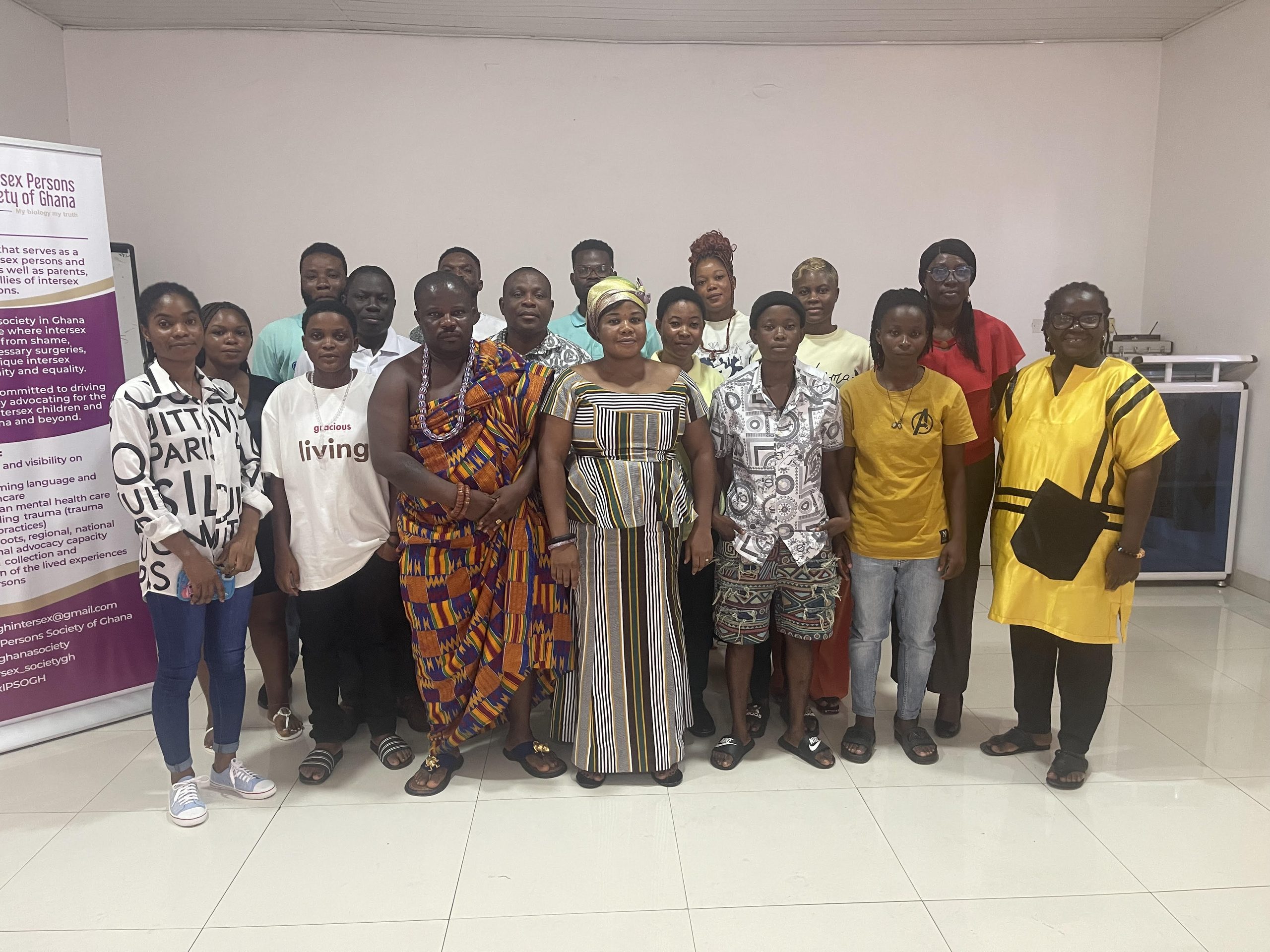
2023 — Intersex Persons Society of Ghana (IPSOG) Founded, Ghana
Founded in 2023 by Delight Fafali Akortsu (Phali) and others, Intersex Persons Society of Ghana (IPSOG) IPSOG is an intersex-led organization working to advance the human rights, dignity, bodily autonomy, visibility, social inclusion and wellbeing of intersex persons in Ghana. The organisation’s work focuses on community empowerment, advocacy, public education, healthcare access, research and documentation, policy engagement, and partnership-building to address discrimination, stigma, exclusion, and harmful practices that affect intersex people. IPSOG seeks to ensure that intersex persons are recognised as rights holders, meaningfully involved in decisions about their bodies and lives, and able to access appropriate healthcare, social protection, education, and equal opportunities without discrimination. IPSOG primarily works with intersex persons and communities in Ghana, including intersex children, adolescents, young adults and adults, as well as their families and caregivers. The organisation also engages healthcare professionals, civil society organisations, human rights institutions, policymakers, traditional and community leaders, researchers, educators, development partners, and other stakeholders whose work and decisions affect the lives and rights of intersex persons. The organisation emerged from the need for an intersex-led platform that could bring intersex people together, strengthen community leadership, address discrimination and harmful practices, and advocate for the recognition and protection of intersex people’s human rights. IPSOG was registered in 2026.
Vision
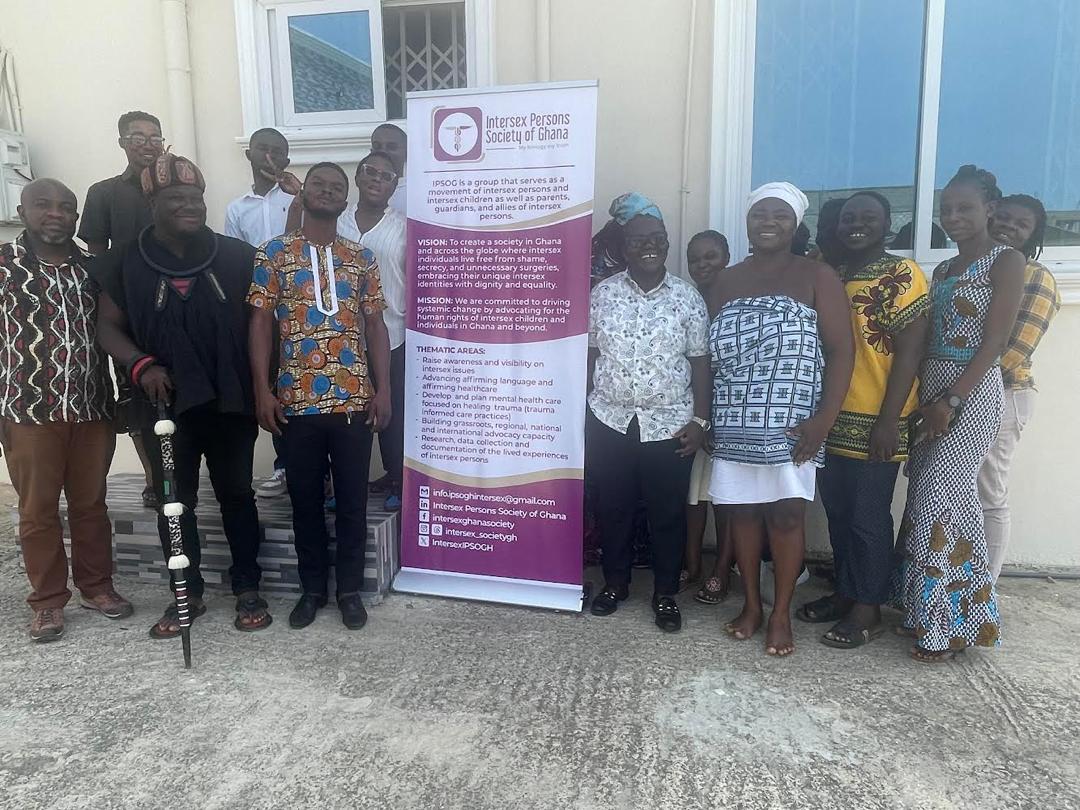
A Ghanaian society where all intersex persons enjoy equal rights, dignity, bodily autonomy, recognition, inclusion, and opportunities to live healthy, safe, and fulfilling lives free from discrimination and violence.
Mission
To empower and amplify intersex voices, advance intersex human rights, promote bodily autonomy, strengthen community leadership, and advocate for inclusive policies, healthcare systems, and social structures that protect the dignity and well-being of intersex persons in Ghana.
Goals/Objectives
- Promote and protect the human rights, dignity and fundamental freedoms of intersex persons in Ghana.
- Build the capacity, leadership and participation of intersex persons in advocacy, decision-making and movement-building processes.
- Promote bodily autonomy and advocate against unnecessary, non-consensual and harmful medical interventions on intersex children and adults.
- Improve access to inclusive, respectful, evidence-informed and appropriate healthcare services for intersex persons.
- Raise public awareness and challenge myths, stigma, discrimination and misinformation surrounding intersex variations.
- Support the psychosocial wellbeing, social inclusion and economic empowerment of intersex persons.
- Conduct and promote research, documentation and data collection to strengthen evidence-based advocacy and policy reform.
- Engage government institutions, human rights bodies, healthcare institutions and other relevant stakeholders to advance intersex rights.
- Strengthen national, regional and international partnerships and intersex movement-building efforts.

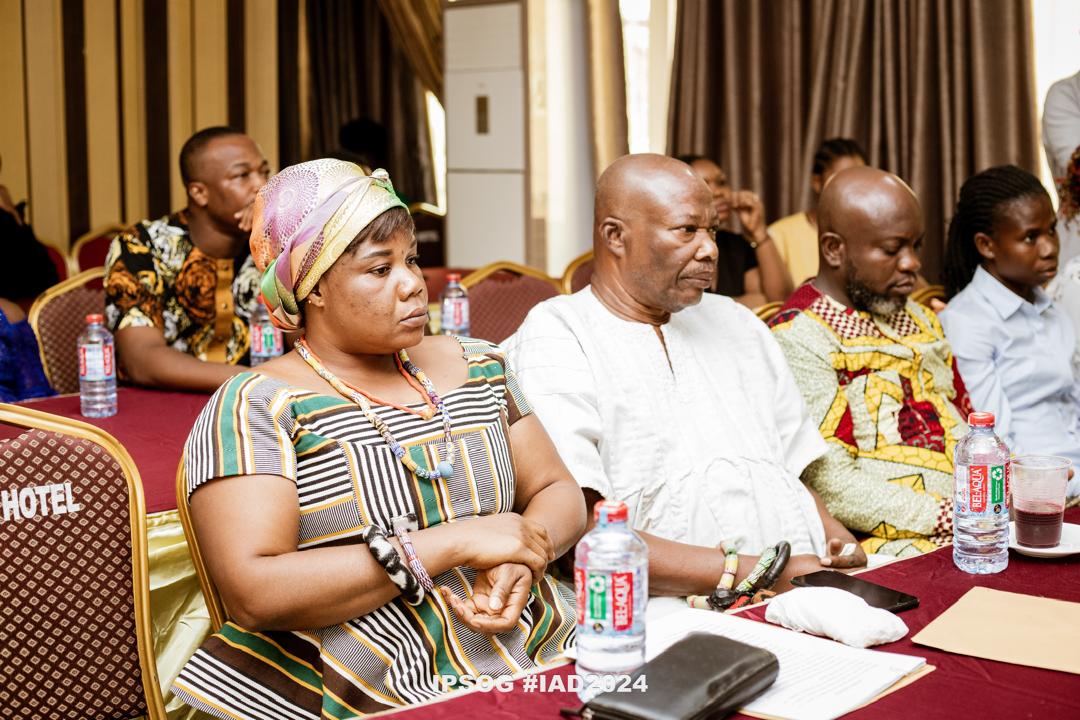
Focus areas
- Intersex human rights and advocacy: Advocating for the recognition, protection, and fulfillment of the human rights of intersex persons, including protection from discrimination, violence, stigma, and harmful practices. This includes engagement with national and international human rights mechanisms and advocacy informed by frameworks such as the African Commission on Human and Peoples’ Rights Resolution 552 on the Promotion and Protection of the Rights of Intersex Persons in Africa.
- Bodily autonomy and protection from harmful medical practices: Promoting the right of intersex persons to make informed decisions about their bodies and advocating against unnecessary, non-consensual, irreversible, and medically unjustified interventions, particularly those performed on intersex children who cannot provide informed consent.
- Healthcare access and medical education: Promoting inclusive and respectful healthcare services, improving healthcare professionals’ understanding of intersex variations, and advocating for healthcare systems that prioritize the rights, needs, and well-being of intersex persons.
- Community empowerment and psychosocial wellbeing: Creating opportunities for intersex people to connect, access support, build their confidence and leadership, and participate meaningfully in decisions that affect their lives.
- Public education and awareness creation: Addressing misinformation, myths, stigma, and discrimination through community engagement, media participation, educational activities, and public awareness campaigns.
- Research, documentation and evidence generation: Promoting research and documentation on the lived experiences, healthcare needs, discrimination, and social realities of intersex people in Ghana. IPSOG recognises the importance of reliable national data to inform policy reforms, service delivery, and advocacy.
- Policy engagement and institutional accountability: Engaging public institutions, human rights bodies, healthcare institutions, policymakers, and other stakeholders to promote inclusive policies, accountability, and the protection of intersex rights.
- Economic empowerment and sustainable livelihoods: Supporting initiatives that strengthen the economic independence, resilience and livelihood opportunities of intersex persons. One of the organisation’s initiatives in this area is the Ŋusẽdodo Project, which focuses on empowering intersex people in Ghana and promoting their well-being through economic empowerment.
- Intersex movement-building and leadership development: Strengthening intersex-led organising, leadership, solidarity and collaboration within Ghana and across the African intersex movement.
Projects
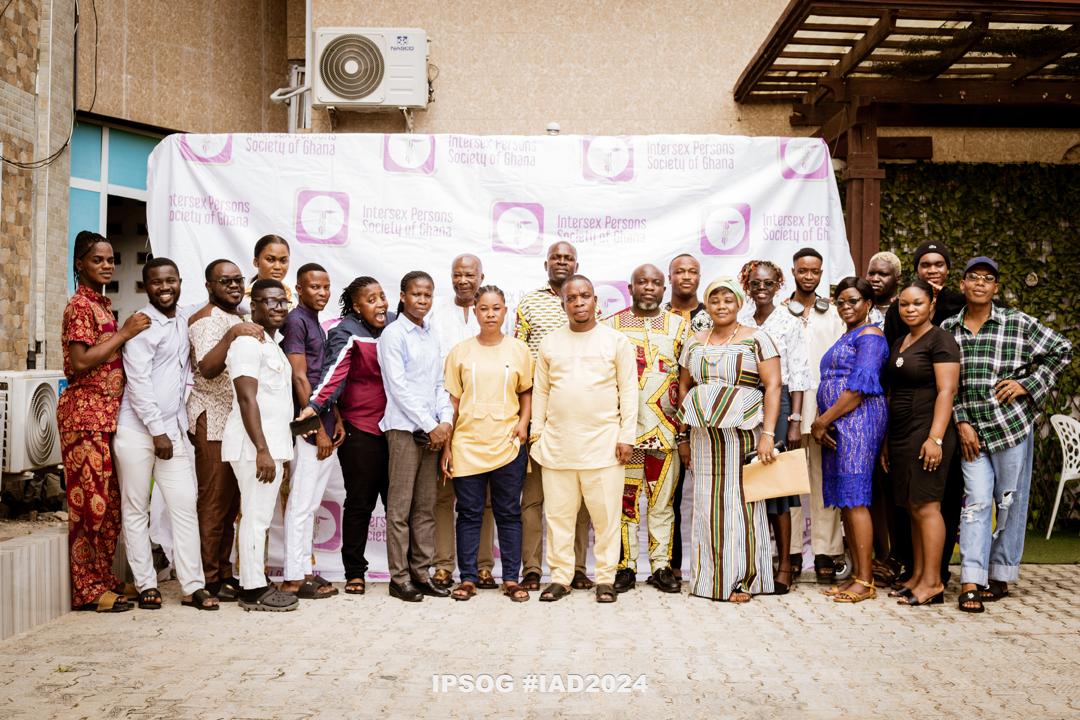
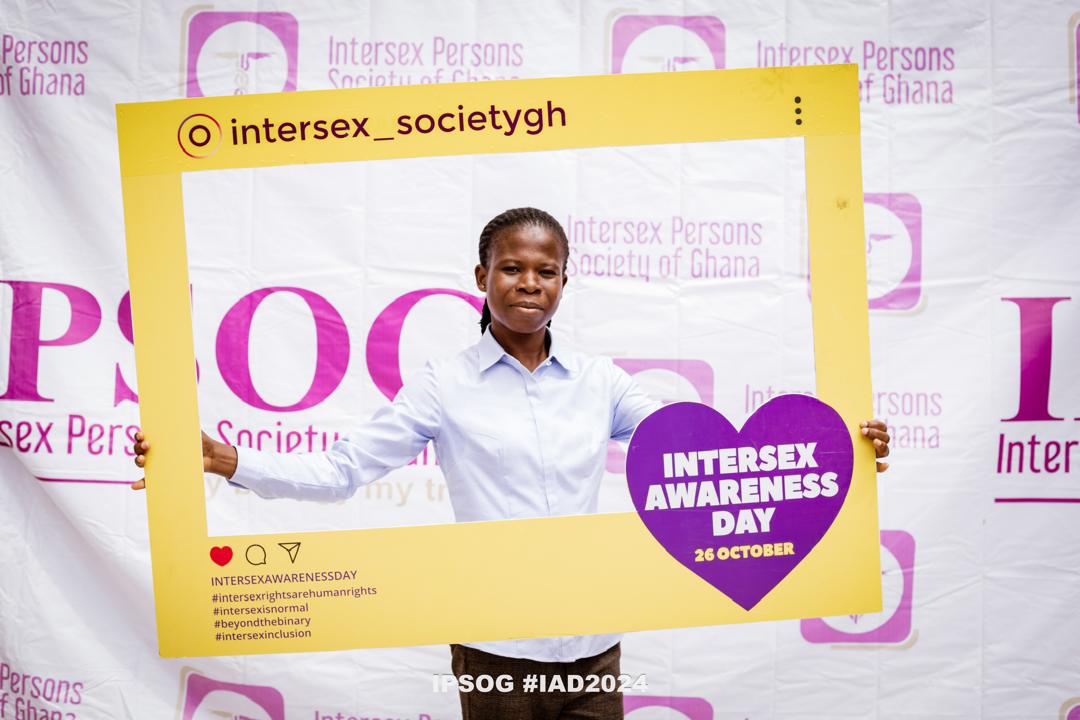
IPSOG has undertaken advocacy, public education, community engagement, and media activities to advance intersex rights and visibility in Ghana. Their work has included engagement with human rights institutions, such as the Commission on Human Rights and Administrative Justice (CHRAJ), advocacy for the rights of intersex persons, public awareness activities, and initiatives addressing the social, healthcare, and economic challenges faced by intersex communities. The organisation’s advocacy has also been informed by regional and international human rights frameworks, including Resolution 552 of the African Commission on Human and Peoples’ Rights.
Contact
Email: info.ipsoghintersex@gmail.com
Facebook
Instagram
TikTok
LinkedIn