

31 March 2019 — Fundação do Movimento Eu Sou Trans Angola (M.E.S.T.A.) / Founding of I Am Trans Movement Angola
Fundado em 31 de março de 2019 por Imanni Da Silva, o Movimento Eu Sou Trans Angola (M.E.S.T.A.) é uma organização de direitos humanos dedicada às pessoas trans angolanas.
Founded on the 31st of March 2019 by Imanni Da Silva, Movimento Eu Sou Trans Angola (M.E.S.T.A.), translated as I Am Trans Movement Angola, is a human rights organisation dedicated to Angolan trans people.
M.E.S.T.A.
- chama a atenção da sociedade para os desafios enfrentados pela comunidade trans devido à discriminação e à violência que sofrem.
- destaca a importância dos direitos da comunidade trans na sociedade (acesso a serviços de saúde, educação, segurança e proteção, e emprego).
- informa e educa a comunidade trans sobre seus direitos, saúde e questões de segurança.
- empodera e apoia vítimas de violência pela forma como expressam sua identidade de gênero.
- conscientiza e informa profissionais das áreas de saúde, segurança pública, educação e comunicação social.
A organização ainda não está registrada.
M.E.S.T.A.
- draws society’s attention to the challenges faced by the trans community due to the discrimination and violence they suffer.
- highlights the importance of the rights of the trans community in society (access to health services, education, security and protection, and employment).
- informs and educates the trans community about their rights, health and safety issues.
- empowers and supports victims of violence for the way they express their gender identity.
- raises awareness, trans and informs professionals in the fields of health, policing, education, and social communication.
The organisation is not yet registered.
A visão / Vision
Uma Angola onde a comunidade trans tenha maior acesso aos seus direitos e onde a sociedade angolana seja mais tolerante com as pessoas trans.
An Angola where the trans community will have greater access to its rights and that society in Angola will be more tolerant of trans people.
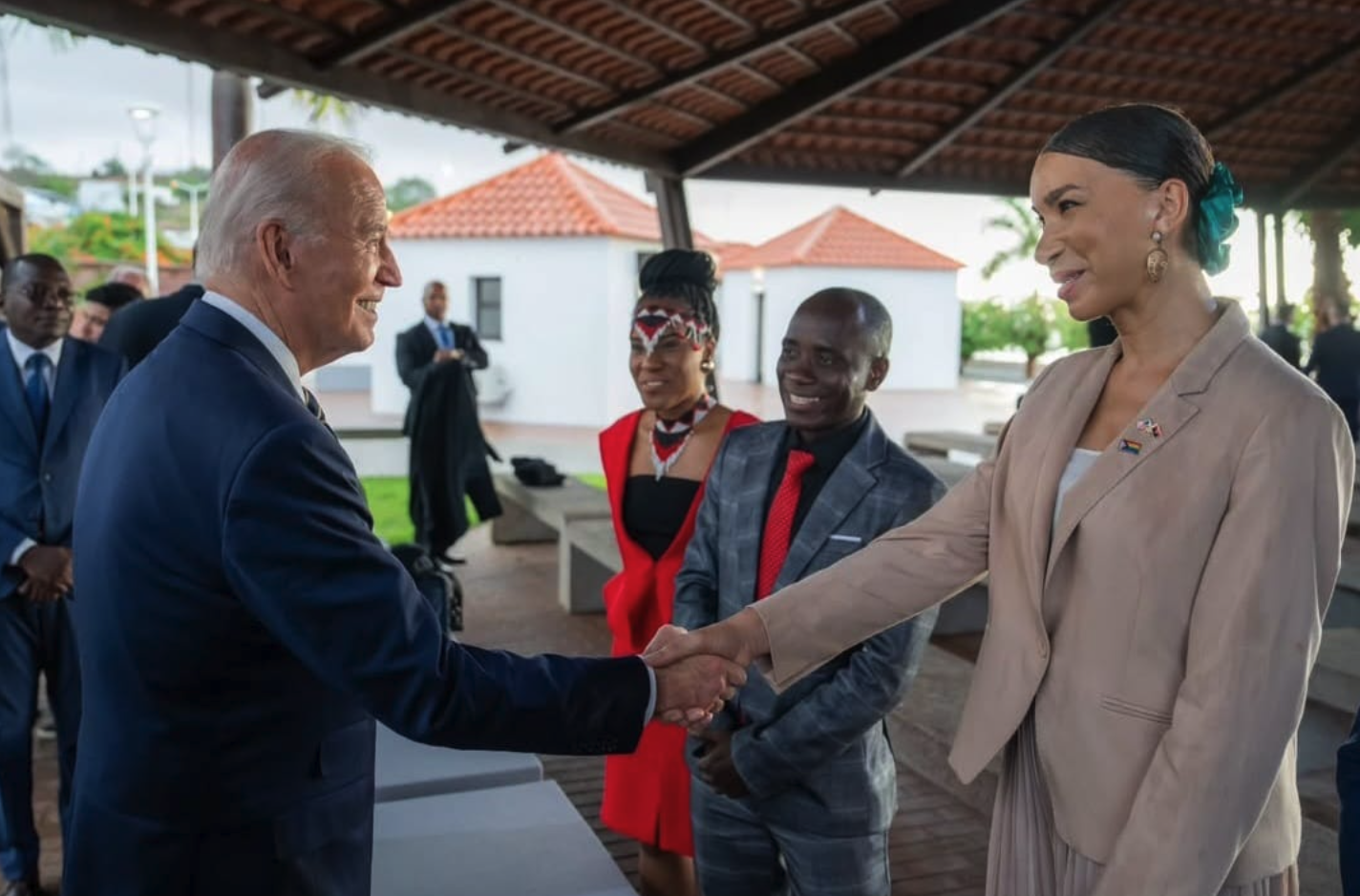
Founder and General Director of MESTA, Imanni Da Silva, meeting then US President, Joe Biden
A missão / Mission
Educar e reeducar a sociedade, bem como a comunidade LGBT, em particular as pessoas trans, sobre seus direitos e a importância de terem voz e acesso à educação, justiça e emprego.
To educate and reeducate society as well as the LGBT community, in particular trans people, regarding their rights and of the importance of them having a voice and access to education, justice and employment.
Objetivos / Objectives
Interagir com instituições locais e estrangeiras, bem como com partes do governo, a fim de trabalhar em parceria e contribuir para futuras mudanças políticas relativas à inclusão de pessoas trans.
To engage with local and foreign institutions as well as part of government in order to work in partnership and contribute for future political changes regarding the inclusion of trans people.
Áreas de foco / Focus areas
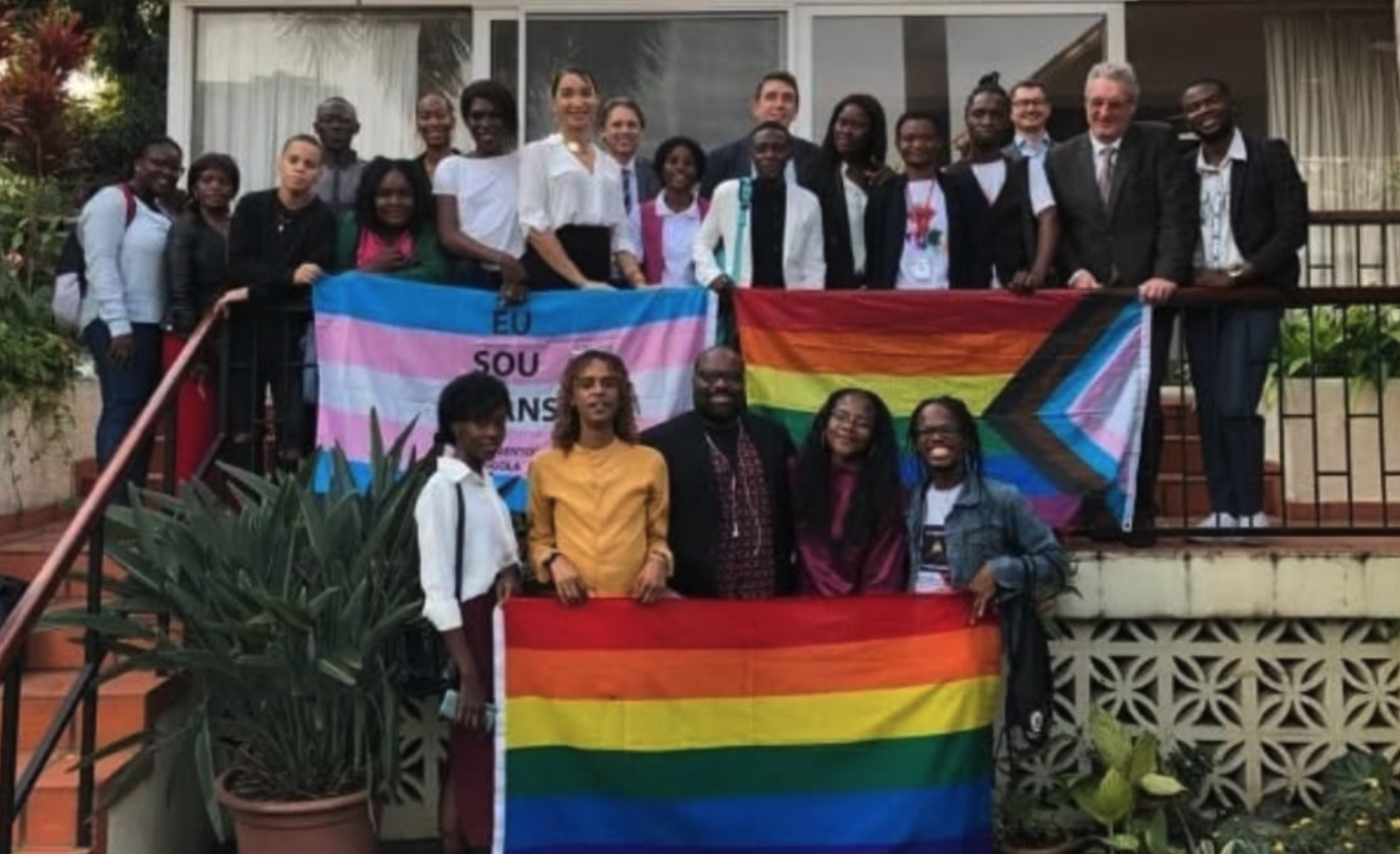
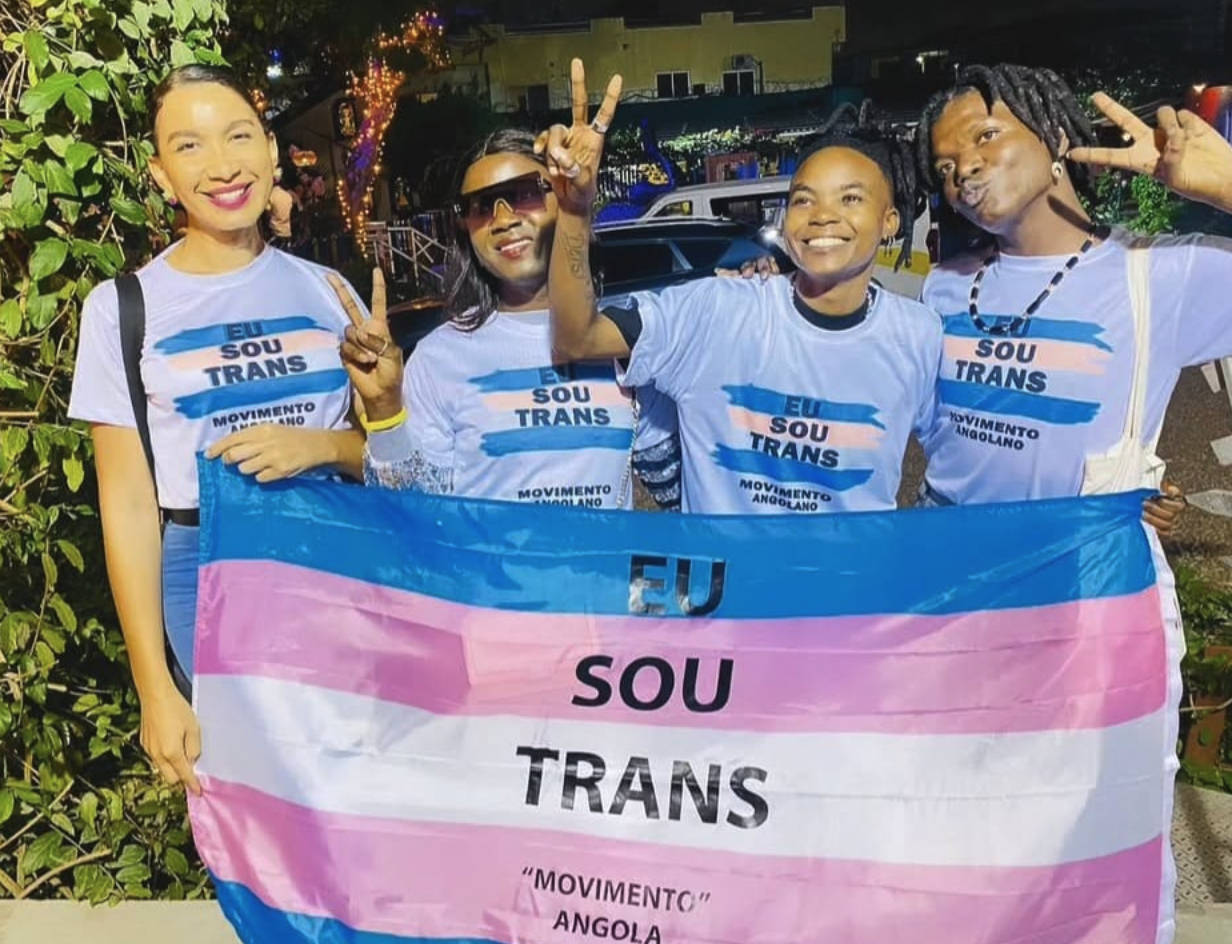
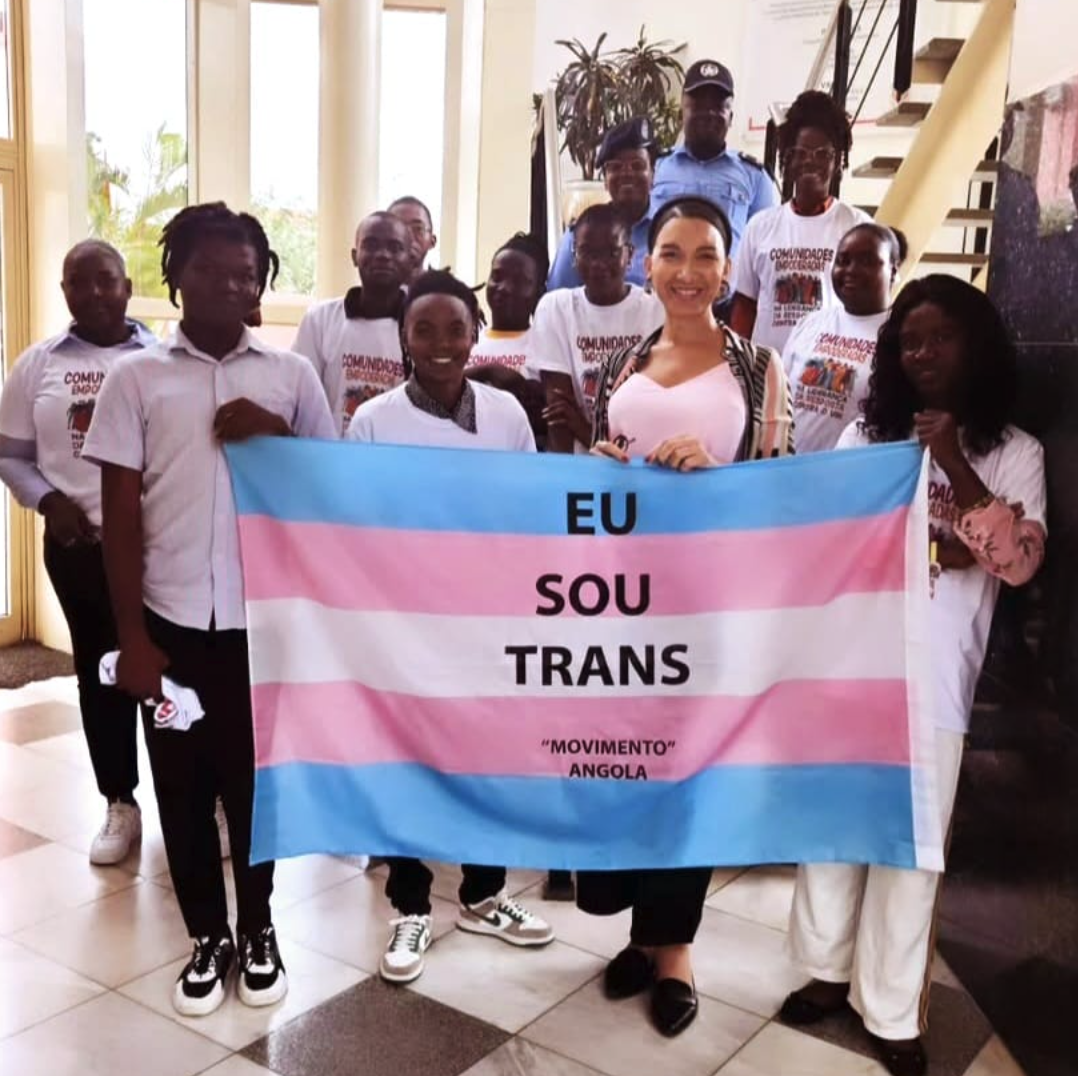
- A M.E.S.T.A. realizou campanhas de conscientização em que pessoas trans são as protagonistas, representando as mensagens e os temas de cada campanha de forma concreta. Essas campanhas destacam a existência, a visibilidade, o respeito e o direito à liberdade das pessoas trans:
- Eu sou trans
- Eu sou visível
- Eu tenho direito à vida
- Eles também prestaram apoio jurídico em casos de discriminação contra pessoas trans, particularmente mulheres trans e profissionais do sexo, que são vítimas de detenções arbitrárias, e intervieram em sua libertação.
- A M.E.S.T.A. também participou de palestras e oficinas sobre estigma e discriminação, bem como sobre empoderamento, em parceria com outras organizações como a A.I.A., a Associação Irís, a revista Queer People e instituições como o PNUD, o INLS (Instituto Nacional de Luta contra a AIDS) e a Secretaria Provincial de Saúde.
- M.E.S.T.A has carried out awareness campaigns in which trans people are the protagonists, representing the messages and themes of each campaign in a real way. These campaigns highlight the existence, visibility, respect and right to freedom of trans people:
- I Am Trans
- I Am Visible
- I Have the Right to Life
- They have also held provided legal support in cases of discrimination against trans people, particularly trans women and sex workers, who are victims of arbitrary detentions, and intervention in their release.
- M.E.S.T.A. has also participated in lectures and workshops on stigma and discrimination, as well as empowerment, in partnership with other organisations such as A.I.A, Associação Irís, Queer People magazine and institutions such as UNDP, INLS (National Institute of fight against AIDS), and the Provincial Health Office.
Mais sobre a campanha do “movimento I am Trans” / More about the “I am Trans Movement” campaign
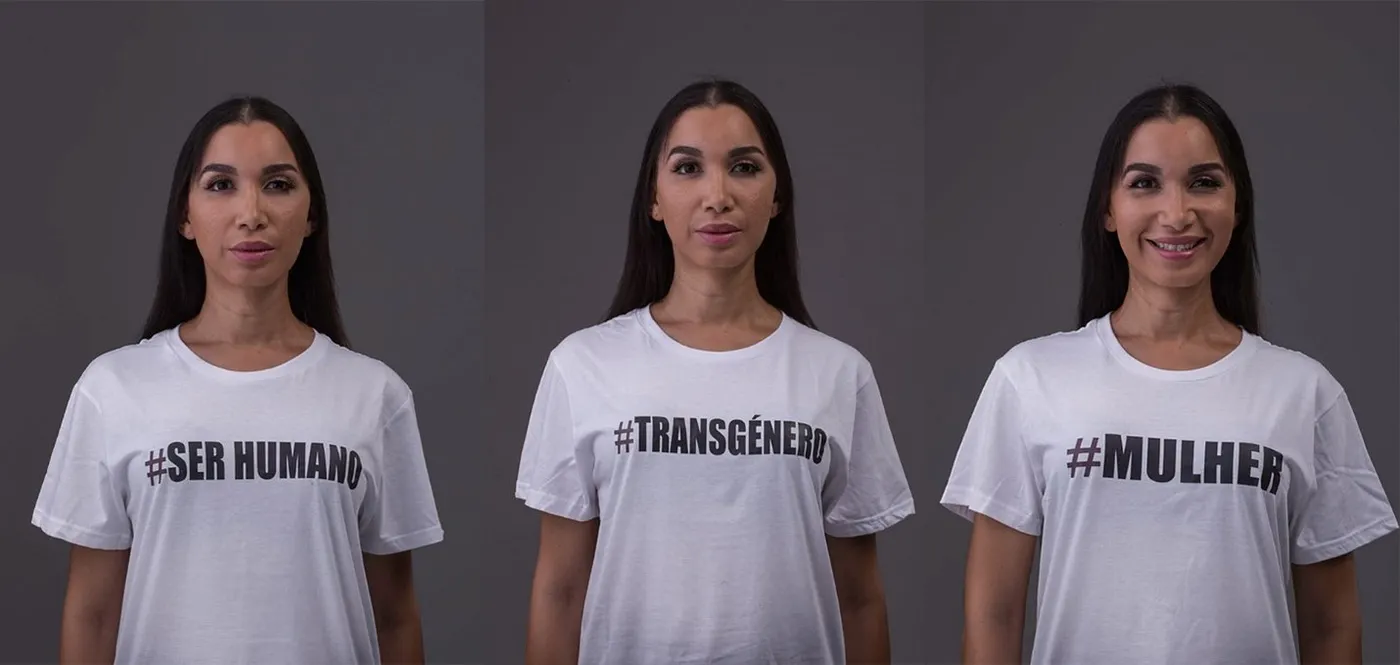
O Movimento “Eu Sou Trans” foi fundado em 31 de março de 2019 — Dia Internacional da Visibilidade Trans — e luta pelos direitos, além de ampliar a voz e a visibilidade, de pessoas trans em Angola. Imanni da Silva considera-se um ser livre e, ao longo de sua vida, desafiou normas de gênero prejudiciais impostas pela sociedade, inspirando outras pessoas a fazerem o mesmo.
“Estamos em uma missão de inclusão”, diz ela. “Pessoas trans ainda sofrem muito com violência doméstica, prisões arbitrárias e discriminação em muitos espaços sociais e públicos.”
Como líder do Movimento “Eu Sou Trans” em Angola e sendo ela própria uma mulher trans, ela afirma que o caminho para se tornar ativista foi trilhado naturalmente, “devido à necessidade de obter resultados e erradicar obstáculos que impedem uma pessoa de ter uma vida digna e livre”. Tudo isso, é claro, em nome da liberdade: “Liberdade acima de tudo. Liberdade para ser, fazer e me expressar.”
O Programa das Nações Unidas para o Desenvolvimento (PNUD) tem apoiado grupos e indivíduos em Angola, como Imanni, para sensibilizar tomadores de decisão a incluir e abordar a orientação sexual e a diversidade de gênero em debates, políticas e estratégias nacionais e regionais. Por exemplo, o projeto do PNUD “Linking Policy to Programming” (2016–2021) contribuiu para leis e políticas melhores, serviços públicos mais responsivos e normas sociais — inclusive em relação ao HIV — voltados para jovens de populações-chave e pessoas lésbicas, gays, bissexuais, transgênero e intersexo (LGBTI+) em Angola.
“O papel do PNUD tem sido fundamental para que possamos nos reunir e dialogar com instituições estatais e outros parceiros no país e na região”, diz ela, relembrando sua participação na Conferência Regional sobre os Direitos de Pessoas LGBTQI+ na região da Comunidade de Desenvolvimento da África Austral (SADC), realizada em 2020 e organizada pelo Southern Africa Litigation Centre, com o apoio do PNUD.
Fonte: Medium (16 de maio de 2022). Leia mais.
“The ‘I am Trans Movement’ was founded on 31 March 2019, the International Day of Transgender Visibility, and fights for the rights, and amplifies the voice and visibility, of trans people in Angola. Imanni da Silva considers herself a free being, and throughout her life she has challenged harmful gender norms imposed by society, while inspiring others to do the same.
‘We are on a mission of inclusion,’ she says. ‘Trans people still suffer greatly from domestic violence, arbitrary arrests and discrimination in many social and public spaces.’
As the leader of the Movimento Eu Sou Trans (I am Trans Movement) in Angola, and a trans woman herself, she says that the path to becoming an activist was paved naturally, ‘because of the need to get results and eradicate obstacles that keep a person from having a dignified and free life.’ All, of course, in the name of freedom: ‘Freedom above everything else. Freedom to be, to do and to express myself.’
The United Nations Development Programme (UNDP) has supported groups and individuals in Angola, like Imanni, to sensitise decision makers to include and respond to sexual orientation and gender diversity in national and regional debates, policies and strategies. For instance, the UNDP project Linking Policy to Programming (2016–2021) contributed to better laws and policies, more responsive public sector services, and social norms, including on HIV, for young key populations and lesbian, gay, bisexual, transgender and intersex (LGBTI+) people in Angola.
‘UNDP’s role has been critical for us to meet and discuss with State institutions and other partners in the country and the region,” she says, recalling her participation in the Regional Conference on the Rights of LGBTQI+ People in the Southern African Development Community region in 2020, organized by the Southern Africa Litigation Centre, with UNDP’s support.’
Source: Medium (16 May 2022). Read more.
Contato / Contact
Email: eusoutransangola@yahoo.com
+244929272833
Facebook
Instagram
