An archive of histories/herstories/theirstories affecting and influencing the trans, gender diverse and intersex movements in Africa
This Timeline of our archive of histories/herstories/theirstories of the trans, gender diverse and intersex movements in Africa and in the Diaspora emerged through the grassroots experiences and memories of the contributing African activists and organisations.
It is often updated with new stories and the Timeline is continually growing.
How to navigate the Timeline
Categories are displayed alphabetically at the top of the Timeline and can be used to filter the results to focus on the research theme chosen. For example, ‘All’ will show you all topics, while ‘Intersex’ will display all entries related to intersex movements and moments.
Alternatively, use the search bar in the menu at the top and bottom of screen to find more specific information.
Categories relating to gender, sex characteristics and sexual orientation have flag icons and colour groups to visually distinguish them from one another:
All
Activistas
Todos
Arte
Requerentes de asilo/Migrantes/Refugiados
Áudio e vídeo
Ballroom
Comunidade
Conferências
Travesti
Depathologisation
Diáspora
Drag
Films
Diversidade de género
Não-conformidade de género
Gender-Affirming Healthcare
Healthcare
HIV/AIDS
Homeless people
In Memoriam
Intersexo
Entrevistas
LBQ
LBTI
LBTQ
Legislação
LGBTQIA+
Media
Não binário
Organizações
People living with HIV
Persons with Disabilities
Publicações
Trabalho sexual
Desporto
SRHR
TIHA Articles
Trans
Trans e intersexo
Transfeminista
Transmasculine
Transsexual
Transvestite
Youth
4 February 2022 — Police Accused of Violent Attack of Trans Woman, Benin
4 February 2022 — Police Accused of Violent Attack of Trans Woman, Benin
On 4 February 2022, a Beninese trans woman was assaulted by motorbike taxi drivers and residents in her neighbourhood of Ouidah in Benin. After accusing her and three other trans women of theft, the community members beat, stripped, robbed and photographed her. Rather than helping her, the police that arrived took her to the Pahou Police Station where officers beat her with sticks and machetes, stripped her naked, and took photographs of her. She was detained for three days, forced to remain naked and without food throughout this time.
She filed a complaint with the Ouidah prosecutor’s office and wrote a testimonial to Amnesty International, documenting what had happened to her. Amnesty International’s West Africa Researcher, Fabien Offner said:
“There must be an urgent investigation into this horrendous attack. Not only was Nadia severely beaten by police officers, she was detained for three days, during which time she was forced to remain completely naked. This is transphobia in its most vicious, hateful and deplorable form.”
According to Amnesty International,
“LGBTI people are often victims of violence and threats in Benin. This is despite significant progressive developments in Benin in recent years, such as the decriminalization of same-sex relationships in the country’s penal code in 2018.”
4 February 2022 — Police Accused of Violent Attack of Trans Woman, Benin On 4 February 2022, a Beninese trans woman was assaulted by motorbike taxi drivers and residents in her neighbourhood of Ouidah in Benin. After accusing her and three other trans women of theft, the community members beat, stripped, robbed and photographed her. […]
March 2022 — Founding of Supporting Trans, Intersex, and Gender Non-Conforming People Initiative (STAG), Nigeria
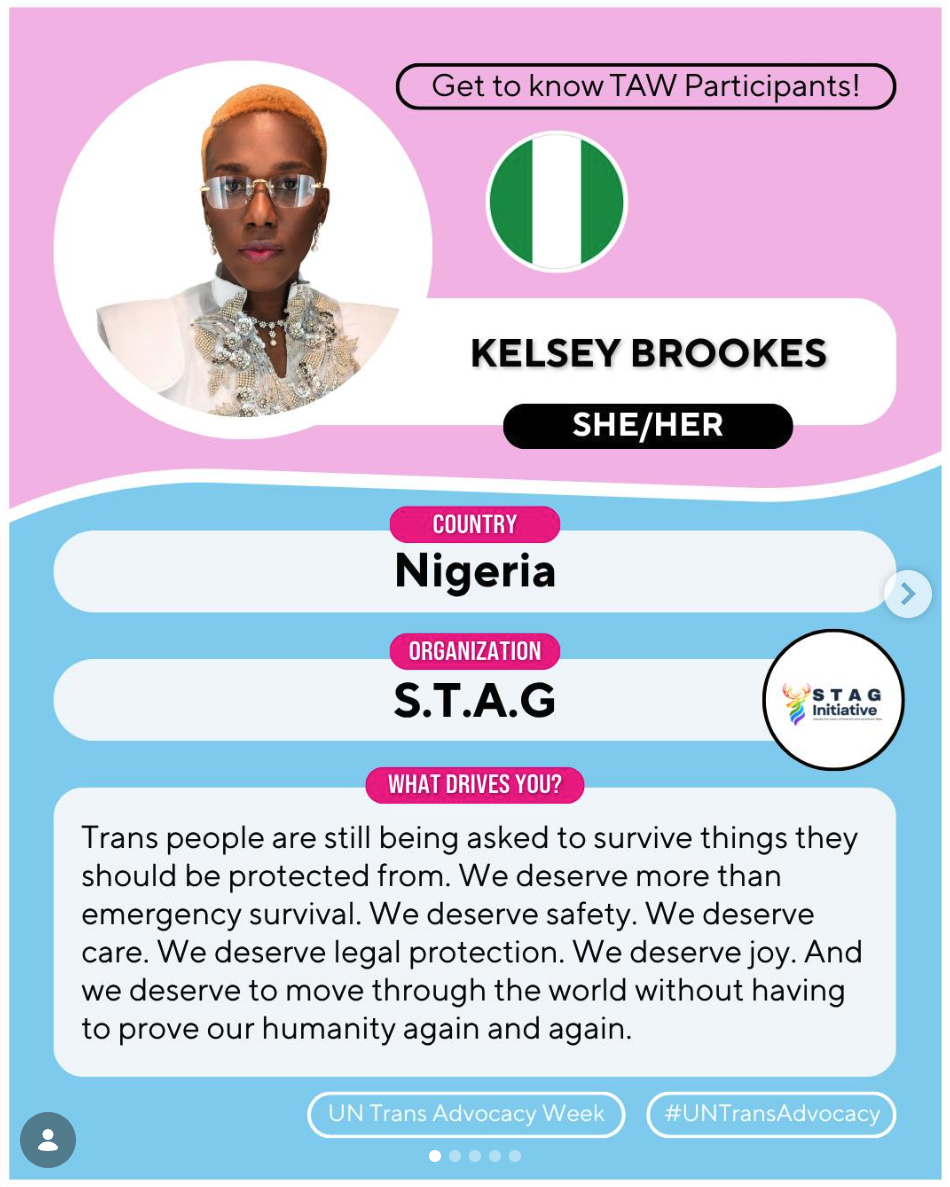
Founded in Nigeria in March 2022, Supporting Trans, Intersex, and Gender Non-Conforming People Initiative (STAG) was initially a peer-support, community organising and safe space network for trans, intersex, gender diverse and gender non-conforming people from around 2018/2019. STAG Initiative works with womxn, trans, intersex, gender-diverse, gender non- conforming people, and other underserved LGBTQI+ community members in Nigeria. The network was begun by Kelsey Brookes, Claudia, and Gloria Henshaw (Juniper), and 16 other trans, intersex, gender diverse and LGBQ+ community members. The organisation’s work particularly centres people who experience multiple layers of exclusion, including trans women, trans men, intersex persons, gender-diverse persons, LGBTQI+ youth, survivors of gender-based violence (GBV), people living with HIV, sex workers, displaced persons, and community members facing homelessness, family rejection, violence, health exclusion, and legal insecurity.
STAG Initiative works at the intersection of advocacy, empowerment, safety, health justice, and human rights for womxn, trans, intersex, and gender non-conforming people in Nigeria. Their main work includes crisis response, safe housing support, gender-based violence response, legal and psychosocial referrals, SRHR and HIV-related advocacy, community documentation, leadership development, movement building, and policy advocacy. They also create safe spaces where community members can access care, information, support, and collective power. STAG was born out of a deep collective frustration with the violence and discrimination faced by the communities mentioned above, and their work is rooted in ensuring that no one is left behind or erased. STAG advocates for justice, provides safe spaces and services, supports GBV survivors, strengthens community-led crisis response, empowers marginalised communities, and challenges the systems that produce violence, exclusion, and discrimination. STAG was registered in 2025.
Visão
A society where everyone, including trans, intersex, and gender non-conforming people, can thrive and have full access to comprehensive healthcare, education, and empowerment, when they want it and how they want it. A future where no one has to hide who they are, explain their existence, or negotiate their dignity before accessing care, safety, education, or opportunity.
Co-founder, Kelsey Brookes says,
“As a visionary leader, I strive to create inclusive spaces and drive systemic change to ensure that every individual, regardless of gender identity, can thrive and be treated with dignity and respect.”
To create an inclusive society where anyone, regardless of gender identity, can live freely and safely.
Goals/Objectives
Promote the safety, dignity, and human rights of trans, intersex, gender-diverse, gender non- conforming people, and other underserved LGBTQI+ communities in Nigeria.
Provide crisis response, safe housing, psychosocial support, legal referrals, and survivor-centred care for community members facing violence, homelessness, family rejection, or insecurity.
Advance access to inclusive healthcare, SRHR services, HIV prevention, treatment literacy, and gender-affirming information and support.
Strengthen community leadership, especially among trans, intersex, and gender-diverse young people.
Document community experiences, rights violations, movement histories, and evidence for advocacy and policy change.
Build solidarity across generations so that older and younger trans, intersex, and gender-diverse activists can share knowledge, context, experience, strategies, and skills.
Advocate for laws, policies, systems, and services that respect bodily autonomy, inclusion, safety, and justice.
Áreas de foco
Crisis Response and Safe Housing — STAG supports trans, intersex, gender-diverse, gender non-conforming, and LGBTQI+ community members experiencing violence, homelessness, family rejection, threats, forced displacement, or urgent safety needs. This includes safe housing, emergency relocation support, case management, and referral coordination.
Gender-Based Violence and Legal Protection — STAG provides survivor-centred support for community members affected by gender-based violence, intimate partner violence, blackmail, family violence, public harassment, and rights violations. The organisation also supports referrals to legal, psychosocial, and protection services.
SRHR, HIV, and Health Justice — STAG advocates for access to inclusive healthcare, HIV services, SRHR information, treatment literacy, mental health support, and gender-affirming care information. Their work responds to the exclusion of trans, intersex, and gender-diverse people from mainstream health systems.
Trans and Intersex Movement Building — STAG creates safe spaces for leadership development, peer learning, advocacy training, and community mobilisation. The organisation is particularly interested in strengthening intergenerational learning within the trans and intersex movement, because of the widening gap between older and younger activists. This gap is leading to the loss of knowledge, political context, lived experience, advocacy skills, and movement memory.
Documentation, Research, and Data-Driven Advocacy — STAG documents lived realities, human rights violations, health access barriers, and community histories. The organisation uses evidence to support advocacy, policy engagement, donor engagement, and movement learning.
Climate Justice and Social Protection — STAG integrates gender and climate justice by recognising how crisis, flooding, displacement, poverty, and environmental insecurity affect trans, intersex, gender-diverse, and other marginalised communities.
Economic Empowerment and Education — STAG supports access to skills, education, empowerment opportunities, and leadership pathways for underserved community members.
March 2022 — Founding of Supporting Trans, Intersex, and Gender Non-Conforming People Initiative (STAG), Nigeria Founded in Nigeria in March 2022, Supporting Trans, Intersex, and Gender Non-Conforming People Initiative (STAG) was initially a peer-support, community organising and safe space network for trans, intersex, gender diverse and gender non-conforming people from around 2018/2019. STAG Initiative works […]
7 April 2022 — Publication on the Legal Situations for Trans People, Egypt, Lebanon and Tunisia
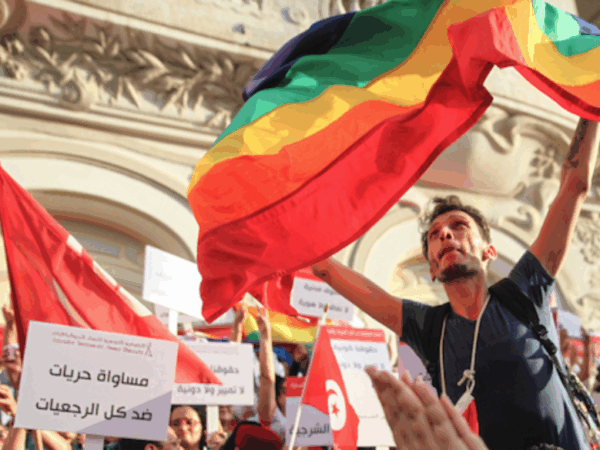
On 7 April 2022, an article by Nora Noralla was published on The Tahrir Institute for Middle East Policy website. In the article, the writer researched existing legal frameworks and case law in Egypt, Lebanon and Tunisia, and interviewed activists, experts and trans people about their experience.
Image from The Tahrir Institute for Middle East Policy article.
Noralla writes:
“Egypt, Lebanon, and Tunisia lack clear avenues for transgender people to obtain legal gender recognition, increasing their vulnerability to abuses by security forces such as arbitrary arrests, and to systemic discrimination in healthcare, housing, and employment. Medical and judicial authorities in these countries arbitrarily restrict access to legal gender recognition based on misinformed perspectives that see transgender identities as pathological.
In the absence of the necessary legal and regulatory frameworks to grant such recognition, judicial authorities in the three countries are tasked with reviewing individual gender recognition applications submitted by transgender people. Laden with obstacles, this process is protracted (it can take from three to ten years), expensive, and inaccessible to most transgender people. Due to the absence of legislative frameworks for granting legal gender recognition, it is up to individual judges in each country to make decisions based on their interpretation of the law. Judicial authorities often require transgender applicants to have completed all surgical and hormonal interventions before reviewing their cases. The judicial forensic medical authorities are often tasked with examining transgender applicants to ensure they meet this requirement. Transgender people face significant obstacles para receiving gender-affirming healthcare in the three countries.
Although none of the three countries criminalize transgender identity, security forces often conflate it with sexual orientation, perceiving transgender women as gay men and transgender men as lesbian women, who are prosecuted under various laws. The discrepancy between transgender people’s official documents and gender expression makes them vulnerable to police abuse, including harassment and arbitrary arrests. Transgender detainees in Egypt and Lebanon are often placed in cells that do not reflect their gender identity, or in solitary confinement for lack of alternatives. Transgender people in such facilities endure ill-treatment that can amount to torture, such as forced anal examinations, a discredited practice to “prove” same-sex activity.”
The article goes on to describe the situations in each country in detail.
7 April 2022 — Publication on the Legal Situations for Trans People, Egypt, Lebanon and Tunisia On 7 April 2022, an article by Nora Noralla was published on The Tahrir Institute for Middle East Policy website. In the article, the writer researched existing legal frameworks and case law in Egypt, Lebanon and Tunisia, and interviewed […]
19 May 2022 — Attack on Sexual Minorities Uganda (SMUG)’s Headquarters and Arrest of SMUG Staff, Uganda
Following an attack and malicious destruction of the property of Sexual Minorities Uganda (SMUG)‘s offices in Uganda on 19 May 2022, two staff members (referred to as DSB and HN for safety reasons) from SMUG reported the incident at the Ntinda Police Station in Kampala. Instead of receiving protection, they were accused of assault by the perpetrator of the destruction of SMUG’s offices, Elisha Mukisa, and the two were unjustly arrested and coerced into making incriminating statements. Mukisa is a self-proclaimed “ex-gay” crusader and product of anti-rights, anti-gender and anti-LGBTQ+ groups in Uganda.
The case (Criminal Case Number 2518 of 2022) was finally won 3 years later, on 20 March 2025. One of the accused, DSB, said after the verdict acquitting them and their colleague:
“I’m so relieved and grateful to God almighty that the truth has finally come to light. This acquittal is a testament and a reminder that justice can prevail, even in the face of adversity.”
In a press release, an advocate in the case, Douglas Mawadri, said
“This case dragged on with baseless prosecution, multiple adjournments, and no real trial. Police must end arrests based on suspicion and hearsay. I hope those vindicated find healing from this ordeal.”
Dr Frank Mugisha, Co-Executive Director of SMUG, said the following:
“This case is a clear example of how Uganda’s hostile legal and political environment is weaponized against LGBTQ+ individuals. The fingerprints of anti-rights and anti-LGBTQ+ groups are all over this injustice where victims seeking protection are instead criminalized. Let this victory be a symbol of our resistance, resilience, and hope.”
Dr Frank Mugisha, Co-Executive Director of SMUG
Fridah Mutesi, an advocate from Ubuntu Law and Justice Centre, said
“Litigating against hate and acceptance of SOGIESC issues will take longer, but we will win eventually. After representing our clients in court over thirty times, today the court agreed with our submissions, ruling that our clients had no case to answer, thereby acquitting them from criminal prosecution.”
The press release ended with SMUG saying
“While we acknowledge this legal victory, we remain concerned about the broader climate of persecution and criminalization facing LGBTQ+ individuals and organizations in Uganda. This case serves as a stark reminder that advocating for LGBTQ+ rights in Uganda remains a high-risk endeavor. The continued targeting of our community through misinformation, fabricated charges, arbitrary arrests, and legal harassment is an attempt to silence us.”
19 May 2022 — Attack on Sexual Minorities Uganda (SMUG)’s Headquarters and Arrest of SMUG Staff, Uganda Following an attack and malicious destruction of the property of Sexual Minorities Uganda (SMUG)‘s offices in Uganda on 19 May 2022, two staff members (referred to as DSB and HN for safety reasons) from SMUG reported the incident […]
26 July 2022 — Recognition and Protection of Intersex Children Under the Kenyan ‘Children Act of 2022’, Kenya
Voted into Kenyan law on the 26th of July 2022, section 21 of The Children Act, 2022 legally recognises intersex children, ensuring their right to appropriate documentation and protection. Section 21 of the Act states
“An intersex child shall have the right to be treated with dignity, and to be accorded appropriate medical treatment, special care, education, training and consideration as a special need category in social protection services.”
The Act
ensures intersex children can access necessary services, including healthcare, education, and social security
recognises the existence and rights of intersex children in order to ensure that they are not excluded from legal recognition and protection
mandates measures and steps for correct documentation and registration of intersex people, including their right to amend their sex markers on official documents
promotes social justice, national values and principles of governance to ensure intersex children have the right to equality and inclusion as outlined in the Kenyan Constitution
aims to end historical discrimination and ensure that intersex children are treated the same as other children.
The Act defines the intersex child as
“as one with congenital conditions where biological sex characteristics cannot be exclusively categorized as female or male.”
Kenyan intersex, trans and gender. non-conforming advocacy organisation, Jinsiangu, states in this document, that the Act’s definition of intersex children has
“offered a safe space to ensure that the status of being intersex does not deprive an intersex person of their constitutionally guaranteed rights under the Bill of Rights.”
The Act also states that
“An intersex child shall have the right to be treated with dignity, and to be accorded appropriate medical treatment, special care, education, training and consideration as a special need category in social protection services.”
Jinsiangu writes that
“This Section generates a very huge strides towards the realization, fulfilment, protection and promotion of the standards of living of these vulnerable children. They hitherto suffered from discrimination and denial of access to education and health offending their right to dignity. They can now glow and smile given that their status and dignity has been elevated to that of humanity.”
Jinsiangu also writes that the provisions in the Act
“allow for the long-awaited registration framework for intersex children within the Birth and Deaths Registration Act alongside boys and girls. This simply means that the law accords them recognition and they are now able to enjoy Constitutionally guaranteed rights as any other child and citizen of the republic of Kenya. What a milestone towards the realization of social justice. It is a first in Africa.”
Our interview with Frankie Kibagendi, Kenyan politician and intersex rights activist
In this clip from our interview on the 23rd of May 2025 with Kenyan Frankie Kibagendi, intersex activist and politician, and Director of Intersex Kenya Advocacy and Education (I.K.E.A.), speaks about the Act and the situation for intersex people in Kenya:
Watch the full interview with Frankie:
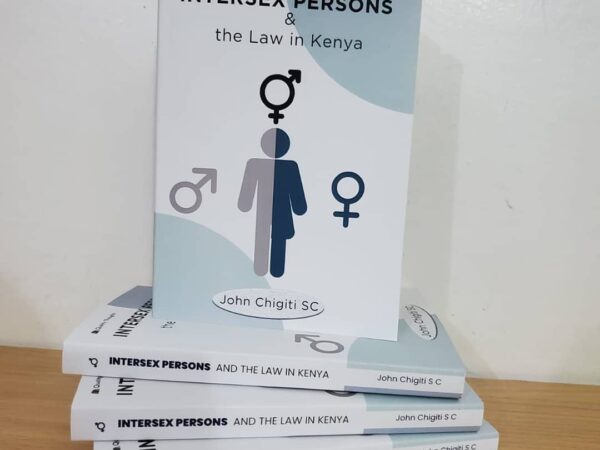
To understand more about intersex legal rights and failures of the law in Kenya, read our review of the book, Intersex Persons & the Law in Kenya
Intersex Persons & the Law in Kenya by John Chigiti SC (2021): A Review
Intersex persons in Kenya continue to experience systemic discrimination, legal invisibility, and persistent violations of fundamental rights. Drawing on the analysis presented by Chigiti (2021) in Intersex Persons and the Law in Kenya, this article synthesizes the author’s major themes across law, medicine, social systems, and policy. The discussion illustrates that although Kenya’s Constitution guarantees equality, dignity, and non-discrimination for all persons, the absence of explicit recognition of intersex identity structurally prevents full realisation of rights. Reforms in documentation, healthcare, access to information, family law, and education are urgently needed to align Kenya’s legal and policy environment with international human-rights principles.
Introduction
Intersex persons born with natural variations in sex characteristics that do not fit typical binary definitions of male or female remain socially marginalised and administratively invisible in Kenya. Chigiti demonstrates that while awareness of intersex identity is increasing globally, Kenya’s legal and medical systems remain ill-equipped to address the lived realities of this population. This article organises the core themes emerging from Chigiti’s text into a rigorous, thematic analysis to guide legal scholarship, advocacy, and policy design.
Conceptual and Medical Foundations
The conceptual and medical understanding of intersex persons forms the intellectual foundation of John Chigiti’s argument in Intersex Persons and the Law in Kenya. He begins by revisiting the definition of intersex, historically known under the stigmatising term “hermaphrodite.” As medical knowledge evolved, such terminology gave way to scientifically grounded and human-rights-based language “intersex” or “persons with differences in sex development (DSD).” These terms describe individuals born with variations in chromosomal, gonadal, or anatomical sex characteristics that do not fit typical binary definitions of male or female.
Chigiti identifies multiple biological bases for intersex variation, including chromosomal patterns (e.g., 47XXY; Klinefelter syndrome; 47XXX; Trisomy X), gonadal differences (presence of both ovarian and testicular tissue), and hormonal atypicalities (such as androgen insensitivity syndrome or congenital adrenal hyperplasia). These medical distinctions, he argues, demonstrate that intersex is not an anomaly but a naturally occurring human variation that is present in approximately 1.7% of the world’s population, according to the Office of the United Nations High Commissioner for Human Rights (OHCHR).
From a biomedical perspective, Chigiti underscores the importance of genetic and chromosomal evaluation in determining an intersex condition. This involves understanding the genetic composition (heredity), where chromosomes carry the physical units of heredity known as genes. The book clarifies that each human cell normally contains 23 pairs of chromosomes, but variations in these pairs can produce different expressions of sex traits. For example, atypical configurations in sex chromosomes (such as XXY or XO) may lead to non-binary sexual differentiation.
Chigiti also references international legal definitions to enrich the conceptual clarity. The Maltese Gender Identity, Gender Expression, and Sex Characteristics Act defines “sex characteristics” as encompassing chromosomal, gonadal, and anatomical features including reproductive organs, genitalia, hormonal structures, and secondary traits like muscle mass, hair distribution, and breasts. This broader framing moves beyond mere physical appearance and emphasizes biological diversity as part of human variation. The California Senate Bill 225 and the South African Alteration of Sex Description and Sex Status Act similarly recognize that intersex persons exhibit variations in physical traits such as genitalia, hormone function, and chromosome patterns that deviate from stereotypical male-female norms.
Importantly, Chigiti cautions against superficial or appearance-based judgments. Physical features such as a deep voice in women or softer features in men do not constitute evidence of intersex status. A definitive classification must be based on medical examination of chromosomal, gonadal, and hormonal structure by a competent medical practitioner. The Persons Deprived of Liberty Act (2014) in Kenya explicitly adopts this medical standard, defining an intersex person as “a person certified by a competent medical practitioner to have both male and female reproductive organs.” This legal definition anchors intersex identity in verified medical evidence rather than social perception.
Chigiti thus establishes a dual conceptual framework: medical and legal. The medical framework recognizes intersex as a spectrum of biological diversity requiring sensitivity and scientific accuracy, while the legal framework demands recognition and protection of such individuals within Kenya’s constitutional and statutory systems. He insists that law and medicine must converge to ensure dignity, autonomy, and accurate identification. The medical field, therefore, carries not only a diagnostic function but also an ethical and human-rights obligation to refrain from coercive “normalising” surgeries and to support informed decision-making rooted in bodily autonomy and consent.
Stigma, Culture and Discrimination
Stigma surrounding intersex persons in Kenya is deeply rooted in cultural beliefs, religious narratives, and social norms that privilege binary understandings of sex. In many communities, intersex birth is not merely misunderstood; it is feared. Local languages contain derogatory terms such as huntha (Kiswahili), kiugu (Kikuyu), and malinda (Kikamba), reflecting long-standing othering of bodies perceived as sexually atypical. These linguistic patterns reinforce the perception that intersex traits are unnatural or shameful, encouraging secrecy and silence within families. Fear of public shame leads many parents to conceal affected children, thereby denying them opportunities for health care, social participation, and early identity formation. Where physical differences manifest during adolescence rather than infancy, stigma often intensifies, as peers and communities react to visible divergence from gender expectations exposing intersex adolescents to ridicule, isolation, and emotional trauma.
This stigma is exacerbated by cultural narratives that view intersex children as omens, curses, or spiritual anomalies. In extreme cases, families may resort to infanticide, abandonment, or coercive “normalization” practices in an attempt to erase perceived deformity. Such reactions are reinforced by a lack of awareness and the dominant societal insistence on male/female classification. Schools and hospitals, operating within rigid gendered systems, inadvertently perpetuate discrimination by forcing children into binary categories. Administrative institutions, including registration authorities, contribute to indirect discrimination by refusing to issue documents when sex cannot be readily categorized thereby excluding intersex children from schooling, social protection, and later, employment. Chigiti underscores that such bureaucratic exclusion constitutes structural discrimination because policies that appear neutral in text disadvantage intersex persons in practice.
Legal discourse demonstrates the depth of this systemic exclusion. In Baby A (Suing through the Mother E.A.) v Attorney General & 6 Others, the court declined to recognise intersex as a distinct sex category, holding that “sex” under the Constitution referred solely to male and female. This reinforced the legal invisibility of intersex persons and signalled judicial reluctance to depart from binary frameworks. Although the Persons Deprived of Liberty Act acknowledges intersex through a medicalized definition, it does not dismantle broader discriminatory systems. Consequently, intersex persons remain vulnerable to both direct discrimination such as bullying, denial of services, and forced medical procedures and indirect discrimination through policies structured around binary assumptions. The cumulative effect of stigma, cultural misconception, and legal marginalization produces multidimensional exclusion that compromises fundamental rights to dignity, equality, identity, and social belonging.
Sex, Gender and Legal Classification
The distinction between sex and gender is central to understanding the legal challenges intersex persons face in Kenya. Sex is primarily a biological construct based on chromosomes, gonads, hormones, and genital anatomy while gender refers to socially constructed roles, identities, and expectations assigned to individuals. Despite this conceptual separation, Kenyan legal and administrative systems continue to treat sex and gender as synonymous, maintaining a rigid male–female framework that excludes intersex identities. Chigiti emphasizes that this conflation denies the biological complexity of intersex persons and forces their lived realities into categories that do not reflect their physiology, identity, or social experience. Such binary rigidity erases intersex existence at the institutional level, reinforcing both invisibility and exclusion from legal and social systems.
At the core of these challenges is the requirement legally and administratively that every individual be categorized as either male or female at birth. Birth registration forms, school records, hospital files, and identification documents mandate binary sex classification, leaving no room for intersex variations. Because many intersex traits are not visible at birth or are misunderstood by medical personnel, sex assignment is often arbitrary, based solely on external genital appearance rather than chromosomal or gonadal composition. These early decisions may conflict with the individual’s later physical development or personal identity, creating lifelong inconsistencies between documentation and lived experience. As intersex persons grow, these mismatches complicate access to schooling, healthcare, employment, and travel, illustrating how binary registration systems create legal and social instability.
The judicial system has reinforced this binary view. In Baby A (Suing through the Mother E.A.) v Attorney General & 6 Others, the High Court held that “sex” within constitutional provisions referred only to male and female, dismissing attempts to argue for broader interpretation that would include intersex. The Court noted that expanding the definition of sex fell outside judicial authority and should instead be addressed by Parliament. This decision crystallised intersex exclusion within constitutional interpretation and signalled the judiciary’s hesitation to challenge cultural and legislative norms. Consequently, intersex persons remain without explicit recognition under Kenyan law, leaving them vulnerable to discrimination and dependent on fragmented statutory protections. Chigiti concludes that achieving meaningful recognition requires legislative reform that acknowledges biological diversity and ensures that intersex persons are fully protected within Kenya’s constitutional and legal frameworks.
Identity, Documentation and Legal Personhood
Identity documentation is a primary gateway to legal personhood in Kenya, yet intersex persons routinely encounter exclusion because existing systems recognise only two sex categories: male or female. Chigiti underscores that birth certificates, national identity cards, and passports are not merely administrative tools but instruments that affirm an individual’s legal existence, belonging, and citizenship. Without them, a person’s ability to participate in society is profoundly restricted. For intersex children, the challenge emerges immediately at birth. Medical staff and civil registration officers, operating within a binary framework, often compel parents to select a sex designation despite uncertainty, resulting in assignments based solely on outward genital appearance rather than comprehensive medical assessment. This early classification which is frequently inaccurate imposes an identity that may later conflict with the individual’s physical development or self-understanding, thereby undermining their autonomy and personal narrative.
Because legal records form the basis for nearly all entitlements, inaccurate or absent documentation triggers a cascade of exclusion. Intersex individuals who cannot obtain accurate birth certificates or national IDs face barriers in accessing education, healthcare, employment, housing, and voting rights. For school enrolment, birth certificates are compulsory; those without them may be denied admission or forced into constant explanation of their identity. In healthcare settings, identity cards are essential for insurance coverage and continuity of care. Lack of documentation can therefore undermine access to diagnosis, treatment, and psychological support. Adults with mismatched records frequently encounter suspicion, humiliation, and bureaucratic hostility when attempting to update their sex markers, underscoring the intertwined nature of documentation and social acceptance.
Although Kenya’s Access to Information Act and related legal provisions allow for correction of personal records, the process remains complex, costly, and poorly understood. Individuals often require medical certification, affidavits, and legal representation to effect changes thus placing rectification out of reach for most intersex persons. This administrative burden constitutes a form of indirect discrimination: while the procedures apply to all, they disproportionately disadvantage those whose identities challenge binary norms. Chigiti argues that the absence of explicit legislative guidance on intersex documentation leaves individuals dependent on discretionary decisions by civil servants and courts, leading to inconsistency and vulnerability. He emphasizes that recognition is not symbolic; it is a prerequisite for enjoying fundamental rights and freedoms. Achieving meaningful reform therefore demands that Kenya adopt clear legal provisions enabling flexible sex/gender markers, streamlined correction processes, and non-discriminatory recognition of intersex status to ensure full legal personhood.
Parental Dilemmas and Child Protection
The birth of an intersex child in Kenya often triggers confusion, fear, and emotional turmoil within the family, largely because intersex variations are poorly understood and highly stigmatized. Chigiti explains that parents are typically thrust into a decision-making space without sufficient medical, psychological, or social support. In many cases, families receive inconsistent or superficial medical explanations, leaving them uncertain about their child’s biological status and future development. This uncertainty can generate guilt, shame, or internalized blame, particularly where cultural or religious interpretations frame intersex traits as curses, misfortunes, or aberrations. The desire to protect the child from ridicule, combined with the pressure to conform to binary expectations, often drives parents into secrecy, resulting in delayed health care, insufficient emotional bonding, and isolation of the child from community life.
Within this context of inadequate guidance, parents frequently face intense pressure to authorise early genital “normalisation” surgeries. These procedures are typically presented as corrective measures intended to align the child’s body with male or female norms, even when not medically necessary. Chigiti emphasizes that these decisions are often made before parents fully understand their long-term implications. Without access to balanced information regarding physical risks, psychological impact, and ethical concerns, families may consent to interventions that compromise bodily autonomy, future reproductive function, and the child’s self-determination. Moreover, because intersex traits may involve developmental changes during puberty, surgical decisions made in infancy can produce lifelong distress when the child’s physical or psychological sex diverges from the assigned identity. As the child grows, undoing earlier surgical or legal decisions becomes complex, expensive, and emotionally destabilizing.
These challenges underscore the need for strong child-protection frameworks grounded in the best interests of the child, as recognised under Article 53 of the Constitution and the Children Act. Chigiti argues that societal shame and misinformation can lead to harmful practices, including abandonment, infanticide, or long-term concealment. Ensuring child welfare therefore requires active State intervention to prevent abuse, promote family counselling, and regulate medical decision-making. Protecting intersex children involves guaranteeing access to psychosocial support, delaying non-essential surgeries until the child is mature enough to participate in decisions, and preventing discrimination in healthcare, education, and documentation processes. Child-focused protection mechanisms must affirm dignity and safety while empowering caregivers with accurate information. Chigiti concludes that safeguarding intersex children requires shifting from secrecy and coercive conformity toward transparency, informed consent, and holistic support systems that respect bodily integrity and human rights.
Healthcare, Bodily Autonomy and Post-Surgery Harm
Healthcare access for intersex persons is deeply intertwined with issues of bodily autonomy, dignity, and informed consent. Chigiti observes that the medical system in Kenya often approaches intersex variations through a pathological lens, prioritizing the “correction” of bodies rather than understanding or supporting their natural diversity. From infancy, intersex individuals are subjected to medical examinations that frequently frame their anatomy as problematic or abnormal, reinforcing stigma and legitimizing invasive intervention. While healthcare professionals have an important role in diagnosing intersex traits, Chigiti stresses that their responsibility extends beyond clinical assessment to the ethical obligation of respecting autonomy and providing transparent, non-coercive information to families. Effective care must include psychological support for both child and caregivers, avoiding fear-based narratives that push families toward unnecessary medical decisions.
A central concern in this thematic area is the widespread practice of non-consensual “normalisation” surgeries performed on intersex infants and young children. These surgeries, often conducted for social rather than medical necessity; aim to modify genitalia to resemble typical male or female forms. Chigiti emphasizes that such interventions are irreversible and frequently result in diminished sexual function, chronic pain, scarring, reduced fertility, and psychological trauma. Many intersex youth grow up without being informed of the procedures performed on them, only discovering later that their anatomy was altered without their consent. Because these surgeries are performed before the child can participate in decision-making, they are incompatible with key human rights principles, including bodily integrity, informed consent, and freedom from degrading treatment. The absence of long-term medical follow-up exacerbates the problem, leaving individuals with ongoing complications and little institutional support.
The long-term consequences of these surgeries extend beyond physical harm. Chigiti documents how repeated medical interventions, failed reconstructions, and ongoing infections frequently push individuals into cycles of hospitalization and social withdrawal. Some are left incontinent and dependent on diapers; others face repeated surgical attempts to “fix” initial procedures, compounding trauma. The social stigma attached to these outcomes often prevents individuals from seeking further care, driving them into silence and isolation. Emotional harm including shame, depression, and loss of identity is pervasive, particularly when physical development during puberty conflicts with the sex assigned surgically at birth. These challenges highlight the urgent need for a patient-centered, rights-based healthcare model in which medical treatment respects bodily autonomy, defers irreversible intervention until informed consent is possible, and provides psychosocial support to individuals and families. Chigiti concludes that reform in Kenya’s health sector is essential to prevent further harm: healthcare workers must be sensitized, medical guidelines must be revised to prohibit medically unnecessary surgeries, and intersex persons must be guaranteed access to comprehensive, non-discriminatory care throughout their lives.
Education and Social Inclusion
Education is a transformative right that enables individuals to acquire skills, build confidence, and participate meaningfully in society. For intersex children in Kenya, however, access to education is often impeded by structural, social, and administrative barriers. Chigiti explains that the earliest hurdle typically arises at the point of school enrolment, where a birth certificate is required. Because many intersex children are either mis-registered or not registered at all due to uncertainty around sex classification, they may be denied admission or delayed in beginning school. Even when enrolled, school records designed around a rigid male–female binary force children into sex categories that may not align with their bodies or identity. This administrative misalignment contributes to confusion, emotional distress, and a sense of alienation, demonstrating how exclusion is built into the very structure of the education system.
Within the school environment, intersex learners face heightened vulnerability to bullying, ridicule, and physical or psychological harassment from peers and sometimes even from teachers. Puberty often magnifies this vulnerability when physical development diverges visibly from male or female norms, exposing children to stigma and unwanted questioning. Schools, which typically lack guidelines for supporting intersex students, may react with punitive or exclusionary measures rather than compassion and protection. In particular, the strict division of sanitation and dormitory spaces by sex poses serious risks. Intersex learners may be forced into facilities that are unsafe or inappropriate, or they may be denied accommodation altogether in boarding schools—pushing many out of schooling prematurely. Weak institutional awareness compounds these harms, as educators are rarely trained to recognize intersex realities or respond sensitively to students’ needs.
The repeated trauma of discrimination contributes to higher dropout rates among intersex learners and increases the likelihood of long-term social marginalization. Chigiti stresses that exclusion from education closes pathways to social mobility, economic opportunity, and legal consciousness reproducing cycles of vulnerability. Thus, social inclusion within the education system is not simply a matter of physical access but of meaningful participation in a safe, affirming environment. To achieve this, schools must adopt comprehensive inclusion measures: sensitizing teachers and staff, protecting students through robust anti-bullying policies, and ensuring access to gender-neutral facilities. Curricula should reflect human diversity, promoting understanding and dismantling stereotypes from an early age. These measures must be coupled with nationwide awareness campaigns and policy reforms that affirm every learner’s dignity. Chigiti argues that centering intersex learners’ rights in educational policy is essential to ensuring that Kenya’s constitutional promise of equality becomes a lived reality, fostering a society in which all children regardless of sex characteristics can learn, grow, and thrive.
Access to Information
Access to information is a foundational right that enables individuals to understand themselves, make informed decisions, and seek the protection of the law. For intersex persons in Kenya, this right is especially critical because much of the information related to their biological status, medical history, and early-life interventions is often withheld, obscured, or inaccessible. Chigiti underscores that Article 35 of the Constitution guarantees every citizen the right to access information held by the State and by others where necessary for the exercise or protection of rights. This includes medical records documenting diagnosis, surgical procedures, hormone treatments, or decisions made on a child’s behalf. Without access to such information, intersex persons may be deprived of the ability to understand their identities, engage in informed health choices, or challenge violations committed against them in their early years. Thus, access to information becomes a gateway to bodily autonomy, legal clarity, and psychological affirmation.
Despite legal safeguards particularly the Access to Information Act (2016) intersex persons frequently encounter barriers when attempting to retrieve important personal records. Healthcare institutions, guardians, or civil authorities may refuse disclosure due to ignorance, stigma, or paternalistic beliefs that such information is too sensitive or harmful. In many cases, intersex individuals only learn in adolescence or adulthood that they underwent genital surgeries as infants or were subjected to hormonal treatments without consent. Such delayed discovery can trigger profound emotional distress and a sense of betrayal. These barriers are compounded by administrative challenges, including poorly digitized records, discretionary decision-making by officials, and lack of awareness about legal entitlements. Even when individuals attempt to correct inaccurate details such as sex markers on identification documents, the procedures are cumbersome, expensive, and poorly publicized, hindering their ability to secure accurate documentation and exercise full citizenship.
Chigiti argues that ensuring meaningful access to information requires more than legislative recognition; it demands proactive institutional support. Hospitals and civil registration offices must develop protocols that guarantee timely release of medical and legal records, with specific provisions for intersex persons. State agencies and service providers must be trained to understand and uphold legal obligations regarding disclosure, while penalties for non-compliance should be consistently enforced. Public awareness campaigns are also necessary to ensure that intersex persons and their families understand their rights and know how to assert them. Ultimately, Chigiti maintains that access to information is inseparable from dignity: when intersex persons are empowered with knowledge about their bodies and histories, they can advocate for their rights, correct harmful narratives, and build identities grounded in autonomy rather than silence or coercion.
Family Life, Marriage and Adoption
Family life is a core social and constitutional right in Kenya, yet intersex persons often struggle to enjoy its full expression due to stigma, legal ambiguity, and cultural resistance. Chigiti emphasizes that the family is recognized under the Constitution as the natural and fundamental unit of society, deserving protection and support. However, without explicit legal recognition of intersex identity, many intersex adults face uncertainty regarding their ability to marry or enter legally recognized partnerships. Because Kenya’s legal system is built on a binary understanding of sex, marital status is closely tied to one’s legal classification as male or female. When an intersex person’s documented sex does not align with their lived identity or physical development, they may be denied the freedom to marry simply because their legal personhood is not clearly defined. This creates a landscape in which intersex individuals may be excluded from one of the most universal social institutions family formation.
Beyond marriage, Chigiti observes that intersex persons face entrenched prejudice within their own families of origin. Some are rejected at birth, abandoned, or subjected to harmful practices intended to erase their physical differences. Others grow up in secrecy, isolated by parents fearful of community backlash. Such experiences compromise emotional development and can lead to psychological trauma that persists into adulthood. Legal protections for children such as the right to name, nationality, and parental care are often undermined when intersex identity is perceived as a source of shame. Thus, child protection initiatives must reinforce the principle that every child, regardless of sex characteristics, has a right to nurturing family care. This includes interventions to prevent abandonment, ensure access to psychosocial support, and prohibit discrimination within the home. For parents, accessible information and counselling services are essential tools to support acceptance and informed decision-making.
Adoption presents a parallel set of challenges. Chigiti explains that although adoption law in Kenya is designed to prioritize the best interests of the child, intersex children may be disadvantaged due to discriminatory attitudes among prospective parents and adoption officials. Bias rooted in fear, misunderstanding, or cultural beliefs may lead to intersex children being overlooked in placement decisions. Yet, adoption can be a critical pathway to stable family life for intersex children who have been rejected or surrendered by their biological parents. Similarly, intersex adults seeking to adopt may encounter prejudice, since their gender identity or documentation may not conform to binary expectations. To address these gaps, Chigiti calls for an approach to adoption that centers dignity and non-discrimination. This requires sensitizing adoption officers, establishing clear anti-discriminatory guidelines, and affirming that intersex adults too are entitled to serve as adoptive parents. Ultimately, meaningful protection of family rights for intersex persons depends on dismantling cultural stigma and reforming legal structures so that biological variations do not impede the fundamental human right to family life.
Employment, Economic Opportunity and Public Participation
Employment and economic participation are essential components of human dignity and self-sufficiency, yet intersex persons in Kenya face profound barriers in accessing these opportunities. Chigiti observes that the root of this exclusion is two-fold: systemic discrimination and documentation challenges. Because identity documents in Kenya are strictly binary, many intersex persons either lack accurate identification or possess records that conflict with their lived identity. As a result, they struggle to meet standard requirements for job applications, professional registration, or entrepreneurship. Even where documentation is available, employers may respond with suspicion or hostility when sex markers or physical presentation appear inconsistent. These administrative and social barriers often push intersex persons into informal or precarious work, limiting income stability and reinforcing cycles of poverty.
Beyond documentation, workplace discrimination both overt and subtle undermines equal access to employment. Intersex persons may be excluded from hiring, denied promotions, or subjected to ridicule and harassment by colleagues. In some cases, employers have terminated contracts upon discovering an employee’s intersex status, illustrating how deeply stigma informs professional environments. Because physical characteristics may become more pronounced during adolescence or adulthood, intersex persons may face increasing scrutiny at later stages in their career development. The absence of explicit legal protections against discrimination on the basis of sex characteristics leaves them vulnerable, as anti-discrimination statutes often reference only male and female categories. This legislative gap means that intersex employees have limited avenues for redress when their rights are violated, reinforcing structural inequality in the labor market.
Economic exclusion also inhibits participation in public life. Without stable employment, many intersex persons are unable to access credit, secure housing, or contribute to social security systems. Those who lack national identification documents are further excluded from voting, accessing public services, and participating in government programs. Public appointment processes such as selection for community leadership positions, government boards, or administrative roles often rely on rigid identity verification systems that disadvantage intersex applicants. Even in civic spaces where participation does not require documents, social stigma often discourages intersex persons from engaging, for fear of exposure or discrimination. Chigiti argues that meaningful public participation requires both structural and attitudinal change. Legislative reform must explicitly recognize intersex persons and prohibit discrimination on the basis of sex characteristics, while public-sector institutions must incorporate inclusive practices. Additionally, broad social awareness campaigns are needed to cultivate respectful and supportive environments. By affirming intersex rights to work, vote, and contribute to public life, Kenya can take a significant step toward substantive equality and full citizenship for all its people.
Conclusion: Toward a Holistic Rights Framework
Chigiti’s analysis makes clear that the protection of intersex persons in Kenya requires far more than isolated legal adjustments; it demands a holistic rights framework grounded in dignity, autonomy, and substantive equality. Throughout the life cycle from birth to adulthood intersex individuals encounter structural and cultural forces that obscure their identities, deny recognition, and restrict access to essential services. The cumulative effect is a form of systemic invisibility that undermines every dimension of citizenship. While Kenya’s Constitution provides a strong foundation by guaranteeing equality, non-discrimination, and the security of the person, these broad guarantees have not translated into effective protection for intersex persons, primarily because legal and administrative systems continue to enforce the male–female binary. Realising constitutional promises therefore requires reforms that acknowledge the realities of intersex bodies and identities at law, in medicine, and across social institutions.
A holistic rights framework must begin with legal recognition. Explicit inclusion of “sex characteristics” within non-discrimination provisions, streamlined procedures for correcting identity documentation, and regulation of surgical interventions are essential steps. Equally important is the principle of bodily autonomy, which demands an end to medically unnecessary surgeries performed without informed consent. The healthcare sector must adopt a rights-based approach that integrates psychosocial support, informed decision-making, and sensitivity training for medical professionals. In education, comprehensive inclusion involves not only access but safety ensuring that intersex learners can study without fear of bullying, exclusion, or administrative barriers. Social systems, including family law, child protection, and adoption services, must also reflect the diversity of human sex characteristics, providing clear safeguards against abandonment and discrimination.
Finally, meaningful reform requires shifting social attitudes. Public education campaigns, professional training, and community dialogue are critical to dismantling stigma and building understanding. Advocacy networks and civil society organizations must be supported to amplify intersex voices, ensuring that policy changes are informed by lived experience. Chigiti concludes that the measure of Kenya’s commitment to human rights will be reflected in its willingness to protect those most marginalized by traditional frameworks. By embracing a holistic rights approach, one that integrates legal reform, medical ethics, social inclusion, and public education Kenya can transform intersex recognition from a contested boundary of identity into a fulfilled constitutional promise. Such a framework ultimately affirms that human diversity is not an aberration to be corrected, but a reality to be respected, protected, and celebrated.
This review was written by our Intersex Content Contributor, Delphine Barigye
26 July 2022 — Recognition and Protection of Intersex Children Under the Kenyan ‘Children Act of 2022’, Kenya Voted into Kenyan law on the 26th of July 2022, section 21 of The Children Act, 2022 legally recognises intersex children, ensuring their right to appropriate documentation and protection. Section 21 of the Act states “An intersex […]
3 August 2022 — Sexual Minorities Uganda (SMUG) Banned from Operating by Government, Uganda
Following the unlawful arrest of two of Sexual Minorities Uganda (SMUG)‘s staff members on 19 May 2022, SMUG was banned from operating as an organisation by Uganda’s National Bureau for Non-Governmental Organizations on 3 August 2022. The Bureau argued that its ban followed SMUG’s failure to register as an NGO, but, according to SMUG’s Co-Executive Director, Dr Frank Mugisha, the Uganda Registration Services Bureau (URSB) had refused to approve SMUG’s name as it was “undesirable and un-registrable” as a group advocating for LGBTQIA+ people. The banning of SMUG only weeks after the unlawful arrest of its staff points to further government harrassment of LGBTQIA+ rights groups in Uganda, a country with severely restrictive laws such as the Anti-Homosexuality Act. Dr Frank Mugisha called this ban
“a clear witch hunt rooted in systematic homophobia, fuelled by anti-gay and anti-gender movements.”
3 August 2022 — Sexual Minorities Uganda (SMUG) Banned from Operating by Government, Uganda Following the unlawful arrest of two of Sexual Minorities Uganda (SMUG)‘s staff members on 19 May 2022, SMUG was banned from operating as an organisation by Uganda’s National Bureau for Non-Governmental Organizations on 3 August 2022. The Bureau argued that its […]
23 October 2022 — ‘Study on the Human Rights Situation of Intersex Persons in Africa’ Report Launched, The Gambia
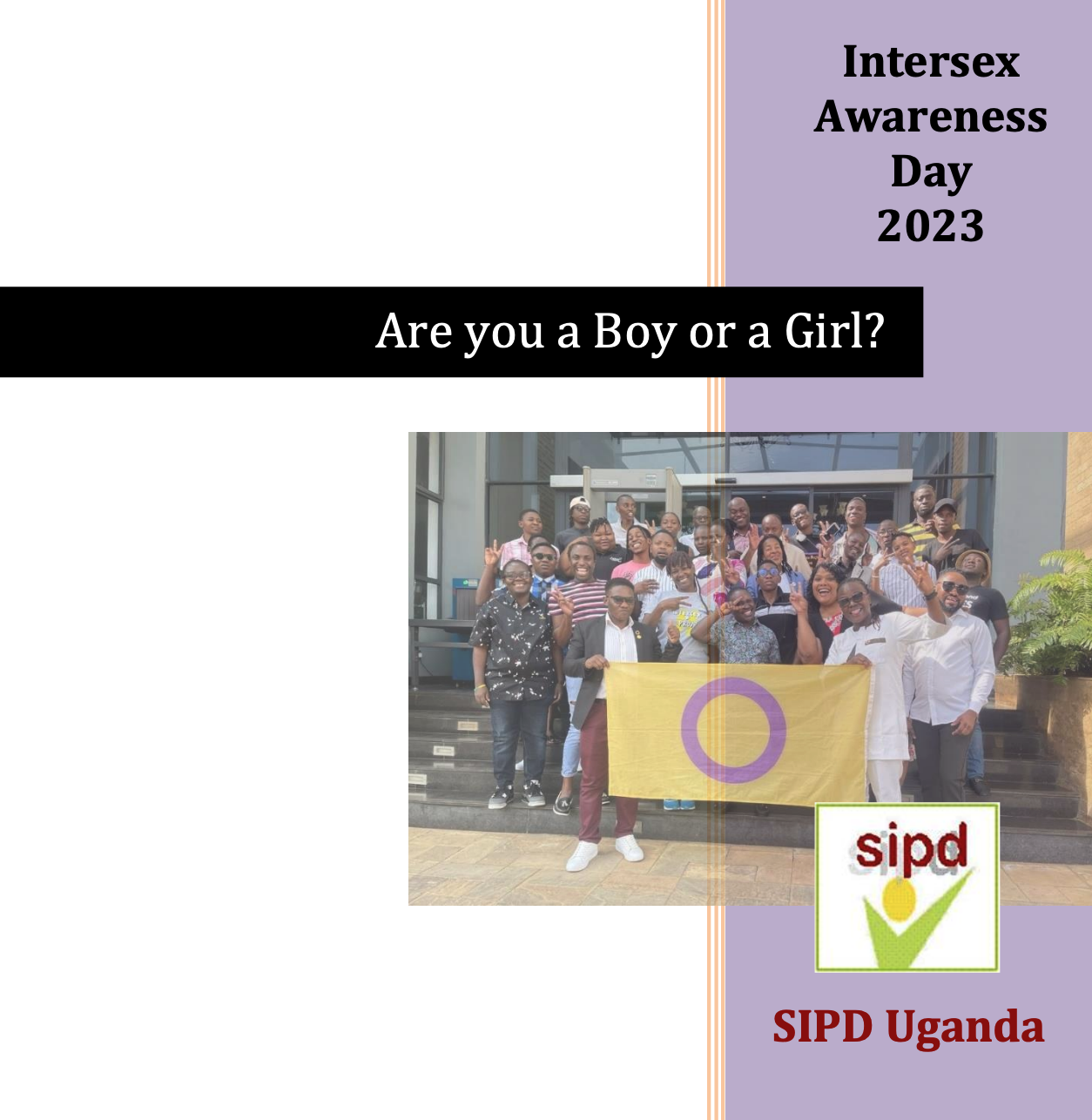
On 23 October 2022, the Centre for Human Rights, in collaboration with the Support Initiative for People with Atypical Sex Development (SIPD) and the Intersex Community of Zimbabwe (ICoZ), launched the ‘Study on the Human Rights Situation of Intersex Persons in Africa’ Report at the 73rd Ordinary Session of the African Commission on Human and Peoples’ Rights in Banjul, The Gambia. The Report acknowledges the lived realities of intersex persons and leverages their voices through interviews and personal testimonies. The methodology is qualitative and relies heavily on
“the strength of the stories to show evidence of human rights violations against intersex persons in Africa”.
A total of 25 intersex individuals, parents, and stakeholders from six African countries (South Africa, Botswana, Zimbabwe, Kenya, Uganda, and Ghana) were interviewed. The Report highlights that
“all names of the interviewees were noted down. However, some requested to remain anonymous… due to fear of victimization”.
Below follows more information about the launch, which is then followed by a review of the Report by our intersex content contributor.
The Launch of the Report
The launch was attended by representatives from non-governmental organisations (NGOs) and national human rights institutions (NHRIs), and was moderated by Dr Tresor Makunya of the Centre for Human Rights. Speaking at the launch, the Honourable Commissioner Remy Lumbu from the Ivory Coast, Chairperson of the African Commission on Human and Peoples’ Rights welcomed the intersex study
“as coming at a critical time when there is urgent need to address the human rights violations against intersex persons on the African continent. He bemoaned the lack of awareness, misunderstandings and misconceptions around intersex bodies which often lead to many of the violations against intersex persons. He welcomed the presentation of a draft resolution on intersex persons as part of the study which, if adopted by the African Commission, will be one of the first steps in protecting the rights of intersex persons at a regional level”.
Professor Frans Viljoen, the Director of the Centre for Human Rights, said:
“We urge the Commission to take note of the study results, and consider adopting normative guidance (for example, in the form of a resolution) to assist states to correct the misunderstanding on intersex persons among the general public, and to provide legal protection to address the plight of of intersex Africans through a human rights-based approach.”
Speakers included Tapiwa Mamhare (SOGIESC Officer at the Centre for Human Rights, University of Pretoria), Delphine Barigye (Support Initiative for People with Atypical Sex Development — SIPD) who spoke about the human rights situation faced by intersex persons in Kenya and Uganda, and Ronnie Zuze (Intersex Community of Zimbabwe — ICoZ) who spoke about the situation in Zimbabwe. The Report was contributed to by the African Intersex Movement (AIM), Julius Kaggwa from SIPD, James Karanja (a Kenyan lawyer), Mphatso Sakala (Intersex Society of Zambia — ISSZ), Ryan Wangui (Kenyan intersex activist), and the Rainbow Identity Association (RIA) in Botswana.
Review of the Report
by Delphine Barigye, our intersex content contributor
Chapter 1: Introduction
The initial chapter introduces the term “intersex” as an umbrella category encompassing diverse natural variations in sex characteristics. The authors are keen to separate intersex from LGBTQ identities, emphasising that “there is no necessary correlation between being intersex and having a particular sexual orientation or gender identity” (p.5).
Under this chapter, it is noted that the persistence of misconceptions is often rooted in religious and cultural beliefs that frame intersex individuals as cursed or abnormal. One critical observation is that intersex traits are not always visible at birth but may emerge at puberty or later, which complicates awareness and diagnosis. The authors document that over 40 intersex variations exist, including “external genitals that cannot be easily classified as male or female” and “inconsistencies between the external genitals and the internal reproductive organs”.
Statistics are difficult to obtain, though Kenya made a landmark move in 2019 by counting 1,524 intersex people in its national census. However, the Report cautions: “statistics should not be a limiting factor for intersex persons to enjoy the rights and freedoms provided for under the African Charter”.
Furthermore, the pathologisation of intersex bodies is critiqued. The use of the term “disorders of sex development” is contested. According to the Report, “genital ‘normalizing’ surgeries often lead to irreversible medical procedures that can cause life- long psychological suffering, depression, permanent infertility, pain, incontinence and loss of sexual pleasure”.
Chapter 2: Case studies
The second chapter is the emotional heart of the report, presenting deeply personal accounts of intersex persons. The most egregious violation identified in the Report is non-consensual genital “normalizing” surgery on minors. These procedures, often cosmetic, are presented as urgent by medical professionals but are rarely medically necessary.
Non-consensual surgeries on minors
Ronika Zuze, a 42-year-old intersex individual from Zimbabwe, recounted how they were operated on without consent:
“I felt like a medical experiment because lots of people would come to see me… I still have chronic pain up to now. Given a choice, I would have never gone through the surgery. I have become homeless at some point, battled alcohol addiction, suicidal thoughts and depression” (p.10).
Such surgeries are likened to female genital mutilation (FGM) and are violations of the African Charter’s protections on physical integrity and dignity. The Report recommends a moratorium on all cosmetic genital surgeries until the intersex person is old enough to give informed consent.
Legal identity
Legal identity is another major challenge. Most intersex individuals face problems registering at birth or correcting their gender markers later in life. James Karanja, an intersex activist, described a traumatic encounter at a bank:
“They started beating me up… I had to be searched and that meant removing my clothes. It was dehumanizing” (p.14).
Another participant, Ryan, described being unable to access financial aid because
“My school certificates were written [with] my former name, while my ID was changed” (p.15).
Social stigma
Social stigma is rampant, with several stories documenting abandonment, school bullying, and infanticide. One Ugandan participant shared:
“An elderly man accused me… said I was the reason why my area was facing a drought and I was supposed to be stoned to death.”
Mental health
The chapter closes by highlighting mental health impacts. Depression, anxiety, and trauma are recurring themes. The Report documents how societal rejection begins within the family and extends into schools, workplaces, and correctional facilities.
Chapter 3: Legal protections
Chapter three outlines legal protections afforded under the African Charter on Human and Peoples’ Rights. Articles 2, 3, 5, and 16 provide a framework for non-discrimination, protection from torture, and access to health. Yet, few African states have applied these rights explicitly to intersex persons.
On the global stage, substantial progress is noted:
The European Parliament adopted a resolution condemning genital surgeries.
Malta passed the GIGESC Act banning cosmetic surgery on intersex minors.
Australia included intersex status in its anti-discrimination laws.
“The IACHR urged states to urgently prohibit surgeries and medically unnecessary procedures on intersex children” (p.21).
The UN Special Rapporteur on Torture condemned involuntary surgeries as a form of cruel and degrading treatment. The United Nations Human Rights Office of the High Commissioner (OHCHR) urged states to prohibit medically unnecessary procedures and respect bodily autonomy.
Within Africa, South Africa and Kenya stand out. South Africa allows changes to sex markers on birth certificates under the Alteration of Sex Description and Sex Status Act. Kenya has integrated intersex recognition into judicial, legislative and policy spheres most notably in the Baby A(2013)and RM(2007)cases, which led to the intersex taskforce and reforms (p.24).
Chapter 4: Advocacy
Chapter four entails advocacy for intersex rights is still emerging in Africa. Previously, intersex issues were subsumed under LGBTQ advocacy, but intersex organisations are beginning to organise independently.
The African Commission on Human and Peoples’ Rights has hosted side-events, thanks to efforts by the Centre for Human Rights, SIPD-Uganda, and others. However, Commissioner Mute warned:
“You have to do a lot of work in clarifying and explaining what intersex is all about. There is a lot of conflation… from the acronym LGBT” (p.27).
Chapter five outlines the urgent need for norm-setting by the African Commission. The authors argue that the lack of domestic laws in African states stems from the absence of regional frameworks. They recommend the following actions:
Adopt a specific resolution to address the rights of intersex persons.
Develop principles and guidelines to elaborate on legal obligations.
Draft model legislation for member states to adopt.
The Report emphasizes that although Resolution 275 addresses violence against sexual minorities, it fails to account for violations unique to intersex persons, such as forced surgeries and infanticide:
“A resolution will provide precision… and will be an important advocacy tool to raise awareness and engage governments to make legal reform on issues relating to intersex persons” (p.30).
Chapter 6: Conclusion
In chapter six, the Report concludes that while international human rights law provides a strong foundation, African states must take proactive steps and key recommendations includes banning cosmetic genital surgeries on minors, allowing legal sex and name changes through administrative procedures, providing psychosocial and legal support, empowering intersex-led organisations with funding and visibility, raising public awareness to counter stigma and ignorance.
It can thus be summed up that the study positions itself as both a policy tool and a moral call to action. The voices of intersex Africans raw, painful, and resolute demand nothing less than structural change and legal recognition.
23 October 2022 — ‘Study on the Human Rights Situation of Intersex Persons in Africa’ Report Launched, The Gambia On 23 October 2022, the Centre for Human Rights, in collaboration with the Support Initiative for People with Atypical Sex Development (SIPD) and the Intersex Community of Zimbabwe (ICoZ), launched the ‘Study on the Human Rights […]
November 2022 — Positive Champions Health and Empowerment Initiative (PCHEI) Founded, Nigeria
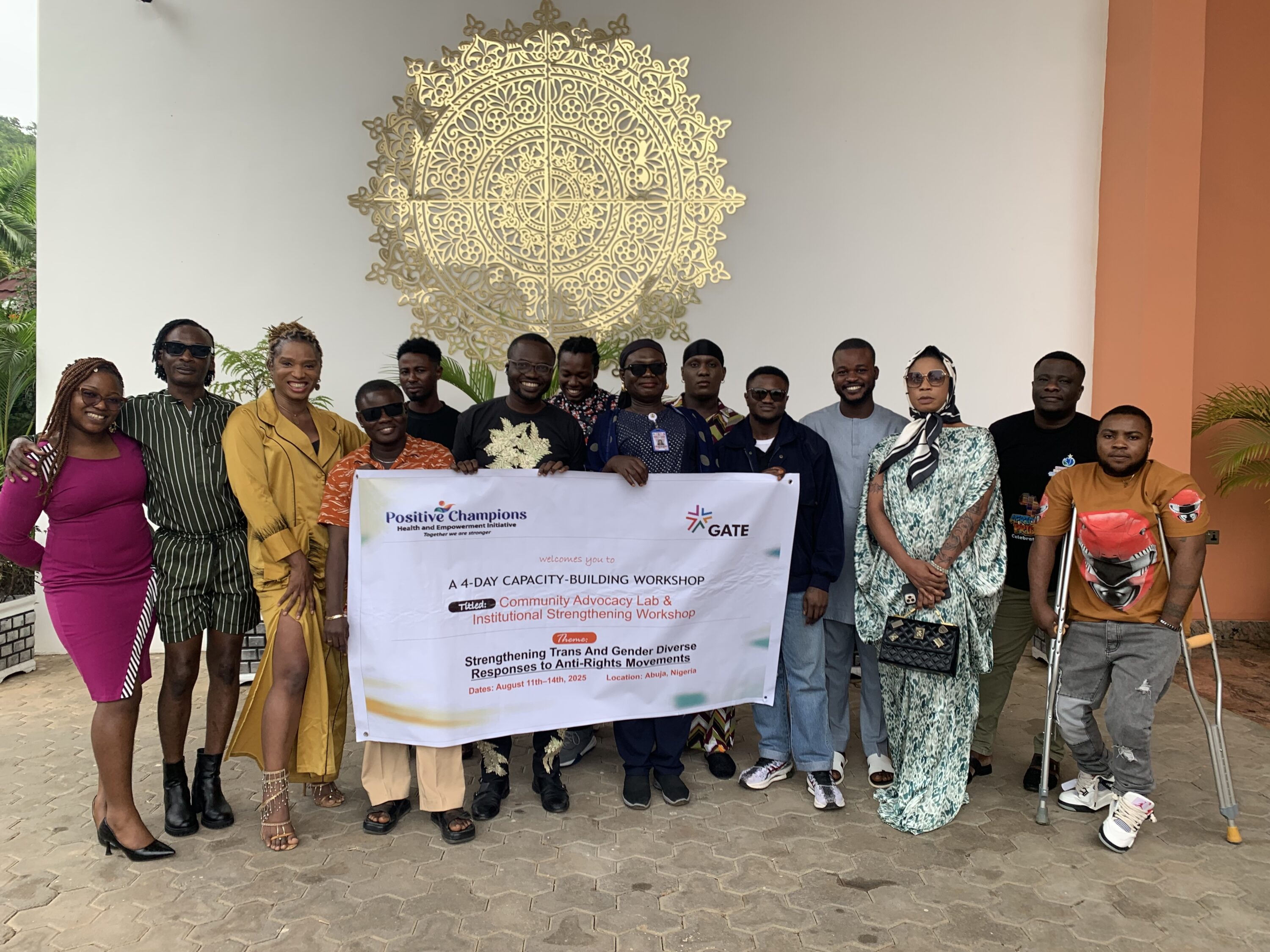
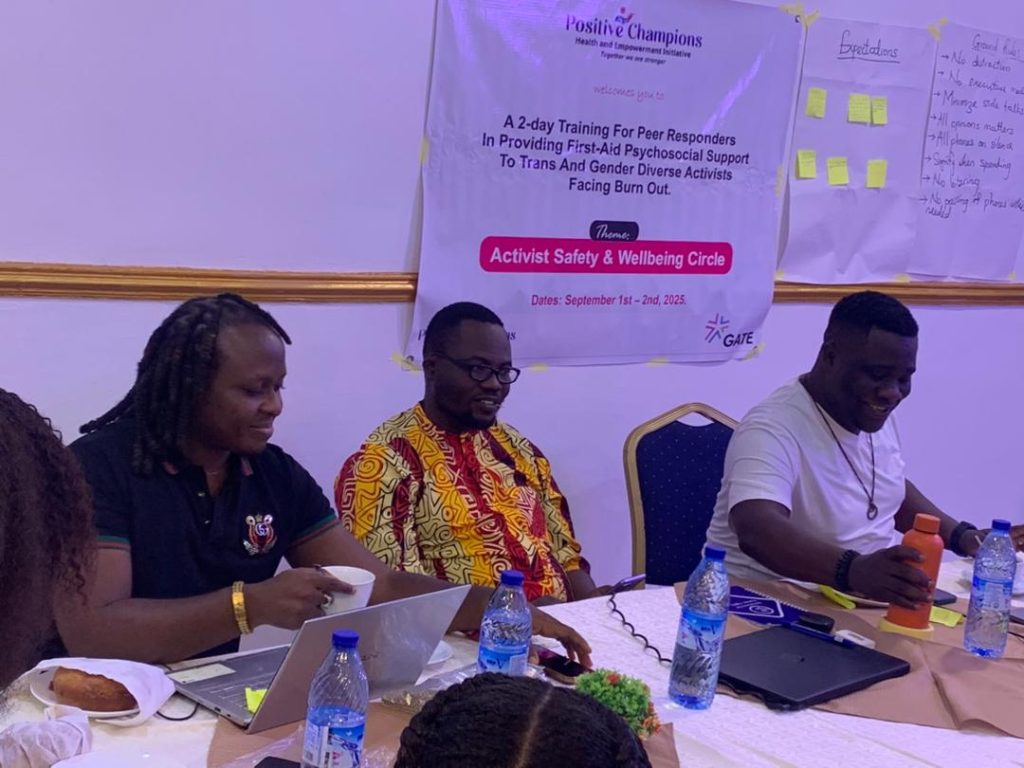
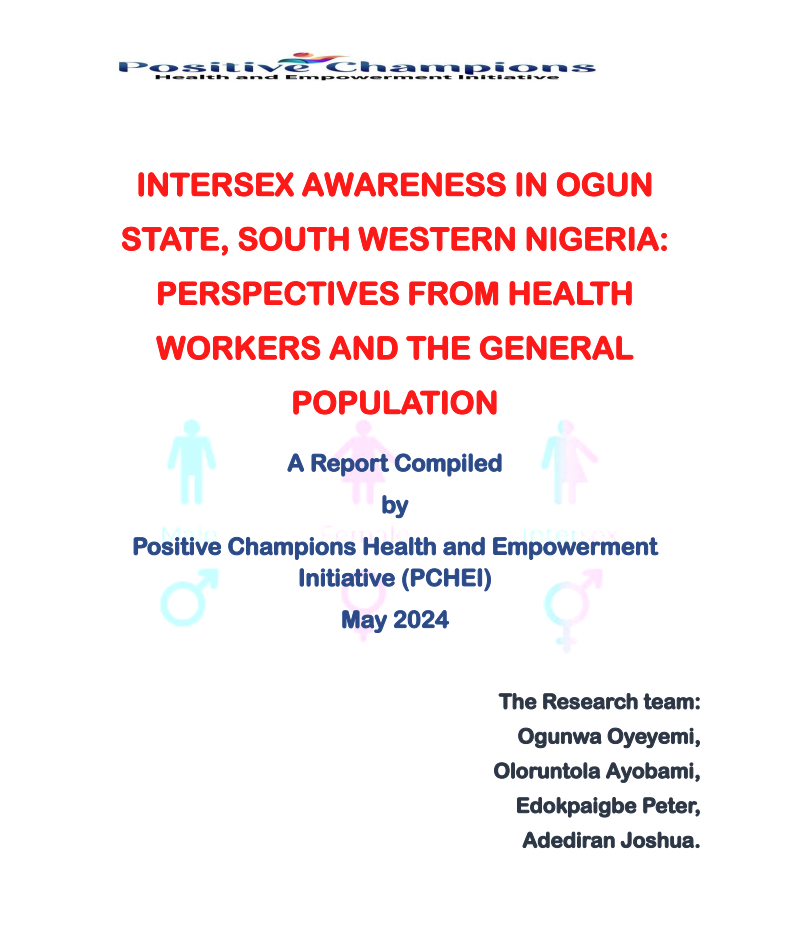
Founded in Nigeria in November 2022 by Yemi Ogunwa, Positive Champions Health and Empowerment Initiative (PCHEI) works with trans, intersex and gender diverse persons in the fields of capacity building, mental health services, human rights intervention and advocacy, healthcare access and community research. PCHEI is dedicated to advancing health equity and environmental sustainability across Nigeria. Their programmes are designed to empower individuals, transform communities, and inspire positive action toward a healthier, cleaner, and more resilient future. The organisation was registered on 30 May 2024.
Visão
To have a society where indigent, vulnerable and marginalised persons, thrive in a positive and inclusive environment, with their health, rights, and well-being respected and protected.
Missão
To champion collaboration with relevant stakeholders to ensure the wellbeing of indigent, vulnerable and marginalised persons through advocacy, capacity building, empowerment, mental, sexual and reproductive health service delivery and to create a positive environment for them to thrive.
Objectivos
To advocate for the social and mental health rights and protection of indigent, vulnerable and marginalised persons.
To contribute to the HIV/AIDS response and community mobilization efforts, focusing on outreach programmes and support services.
To contribute to advocacy in executing laws and policies that protects rights of indigent, vulnerable and marginalised persons.
To collaborate with like-minded organizations to address sexual and mental health needs, empower young community members through skills acquisition programs, conduct and publish research to inform advocacy initiatives for indigent, vulnerable and marginalised persons
Strategic Goals
To empower indigent, vulnerable and marginalized persons, through education, skill development, mentorship, and leadership training.
To influence legislative changes and policy reforms that promote the rights and well-being of indigent, vulnerable and marginalised persons.
To promote the well-being and positive mental health of indigent, vulnerable and marginalised persons.
Actively promoting the inclusion and participation of indigent, vulnerable and marginalised persons in community and societal spaces, program design, and decision-making processes.
To conduct research and gather data on the unique challenges and needs of indigent, vulnerable and marginalised persons, and use this information to inform advocacy efforts and policy changes.
To foster collaborative relationships with stakeholders, partners, and communities to strengthen the impact and reach of the organisation.
Focus/Thematic Areas
Comprehensive healthcare: PCHEI collaborates with healthcare providers to ensure that indigent, vulnerable and marginalised persons have access to quality and gender-affirming healthcare services. The organisation also conducts health awareness campaigns and provide resources to help our communities make informed decisions about their health.
Mental health and psychosocial support: The organisation offers counselling and support groups and provides sensitisation around the recognition and destigmatisation of mental health issues within the communities they serve.
Advocacy and human rights: PCHEI engages in targeted advocacy campaigns, lobbying efforts, and policy analysis to challenge discriminatory practices, social and climate injustice, and promote inclusive policies. The organisation aims to influence legislative changes that enhance the rights and well-being of our communities. PCHEI conducts public awareness campaigns and training programs to combat stigmatisation and prejudice, as well as strives to foster a society that respects and embraces diversity.
Community research: The organisation conducts esearch to gather data on the unique challenges and needs of gender and sexual minorities and women. This research informs PCHEI’s advocacy efforts and helps them shape policies that benefit the communities they serve. They also publish research findings and share the knowledge they’ve gathered.
Human rights and gender-based violence intervention: PCHEI focuses on sensitisation and provides paralegal services.
Sexual and reproductive health: PCHEI provides safe and inclusive services and sexual health workshops.
Capacity building and empowerment: PCHEI offers a range of educational programmes, workshops and vocational training. They also connect individuals with mentors and networks to facilitate personal and professional growth.
November 2022 — Positive Champions Health and Empowerment Initiative (PCHEI) Founded, Nigeria Founded in Nigeria in November 2022 by Yemi Ogunwa, Positive Champions Health and Empowerment Initiative (PCHEI) works with trans, intersex and gender diverse persons in the fields of capacity building, mental health services, human rights intervention and advocacy, healthcare access and community research. […]
21 December 2022 — Trans Woman Receives Prison Sentence for Alleged Homosexuality, Tunisia
On 21 December 2022, a Tunisian trans woman and gay man were convicted of homosexuality under Article 230 of the Tunisian Penal Code and were sentenced to serve prison time of 1 year and 3 years, respectively.
Amnesty International’s Deputy Director for Middle East and North Africa, Amna Guellali said,
“It is appalling and unacceptable that Tunisia’s judiciary continues to interfere in people’s private lives by authorizing police to conduct arbitrary home raids permitting the prosecution of individuals on allegations related to their sexual orientation and identity. The Nabeul Appeal court should take this opportunity to repair the damage done by past violations, overturning the sentence and acquitting them would be a step in the right direction.
Article 230 which criminalizes same-sex activity is deeply homophobic and must be urgently removed from Tunisia’s Penal Code. The government should order an immediate halt of arrests and prosecutions in relation to this provision.”
This sentence was appealed on 20 February 2023 at the Nabeul Appeal Court in Tunisia. Ler mais.
Context
In Tunisia, same-sex sexual activity is prohibited under the Penal Code 1913, which criminalises acts of ‘sodomy’. The sentence for someone convicted of same-sex sexual activity is a maximum of three years’ imprisonment. (Source: Human Dignity Trust). Between September 2024 and 31 January 2025, 81 LGBTQIA+ people, mainly gay men and trans women, were arrested and unjustly prosecuted. (Source: Amnesty International).
21 December 2022 — Trans Woman Receives Prison Sentence for Alleged Homosexuality, Tunisia On 21 December 2022, a Tunisian trans woman and gay man were convicted of homosexuality under Article 230 of the Tunisian Penal Code and were sentenced to serve prison time of 1 year and 3 years, respectively. Amnesty International’s Deputy Director for […]
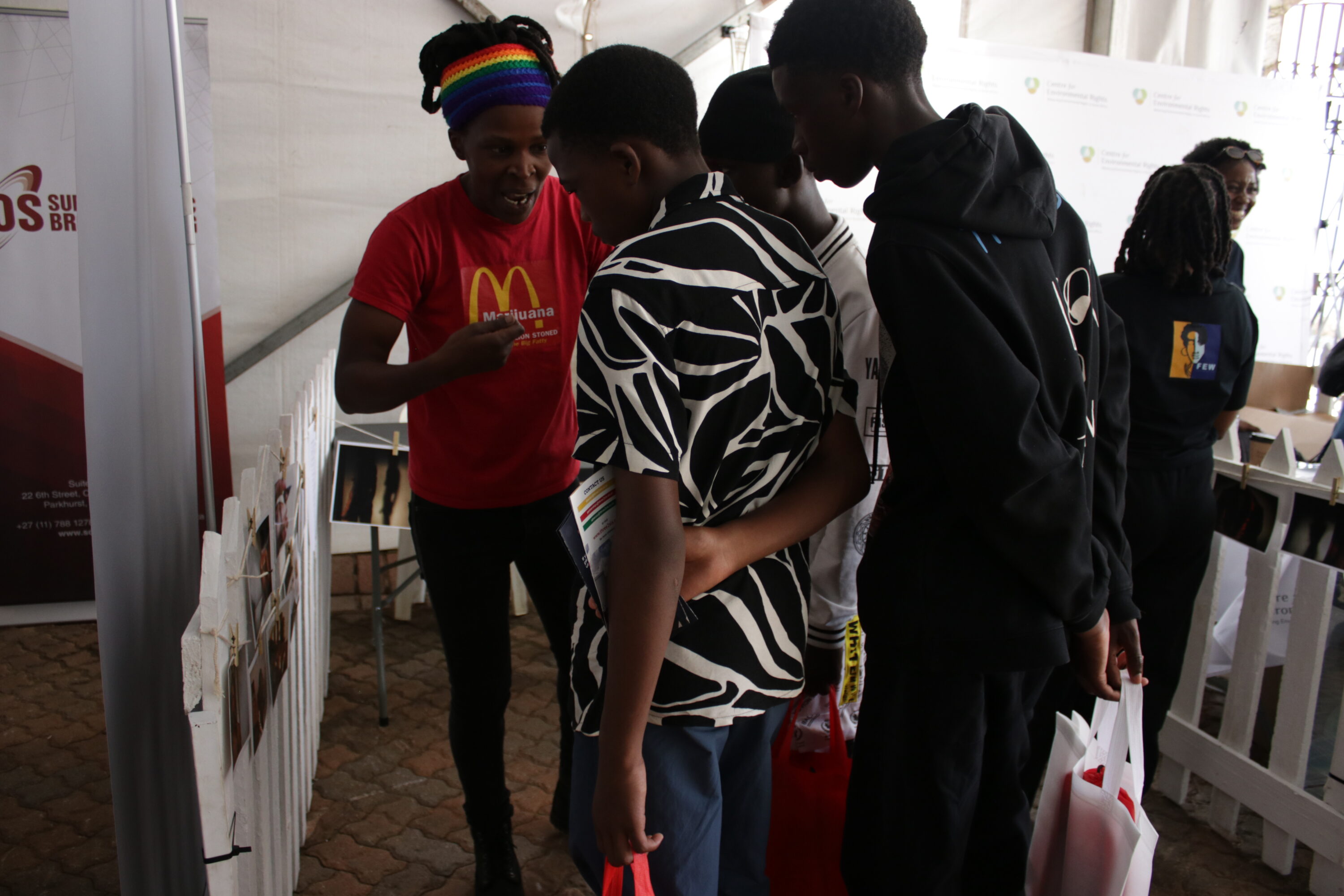
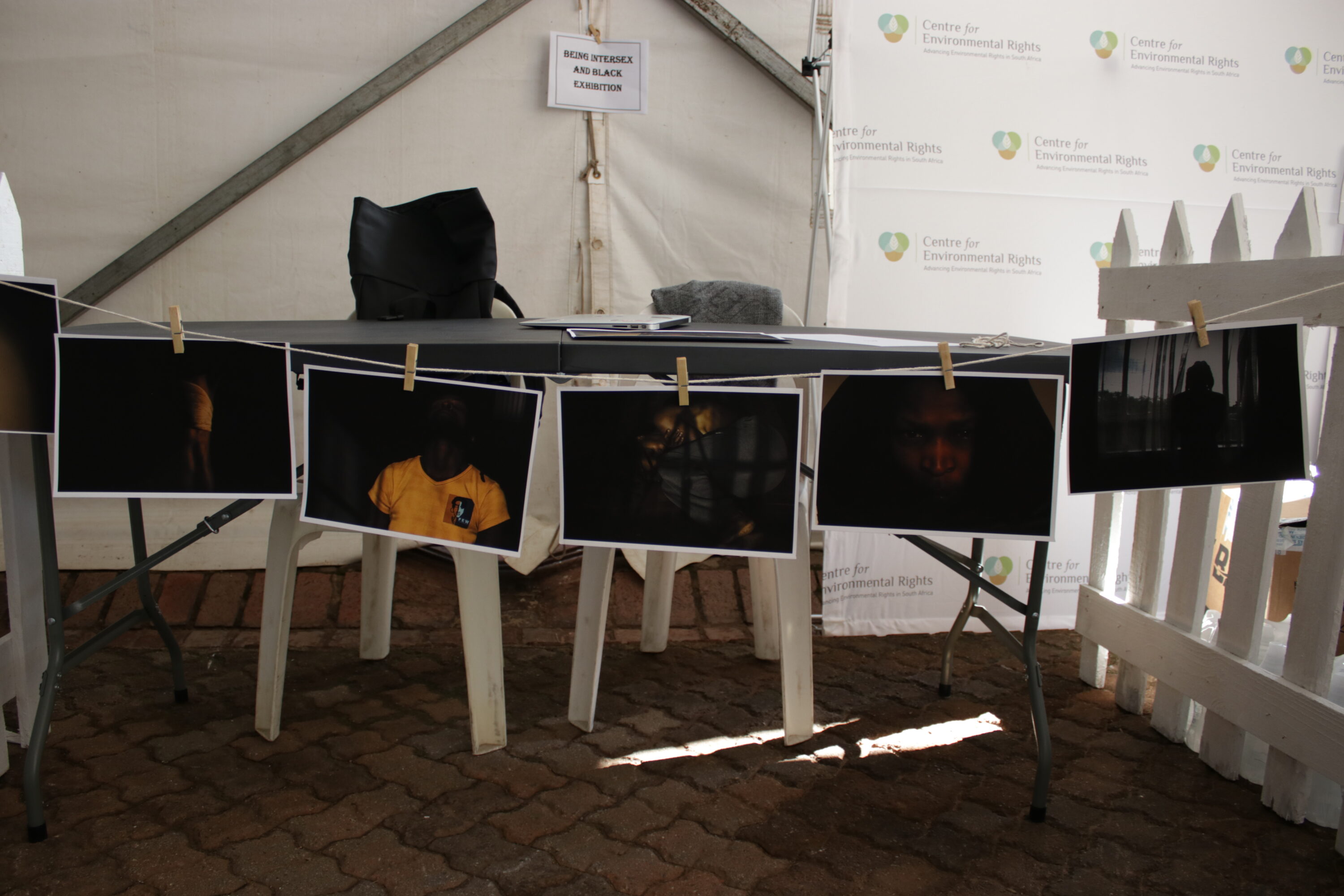
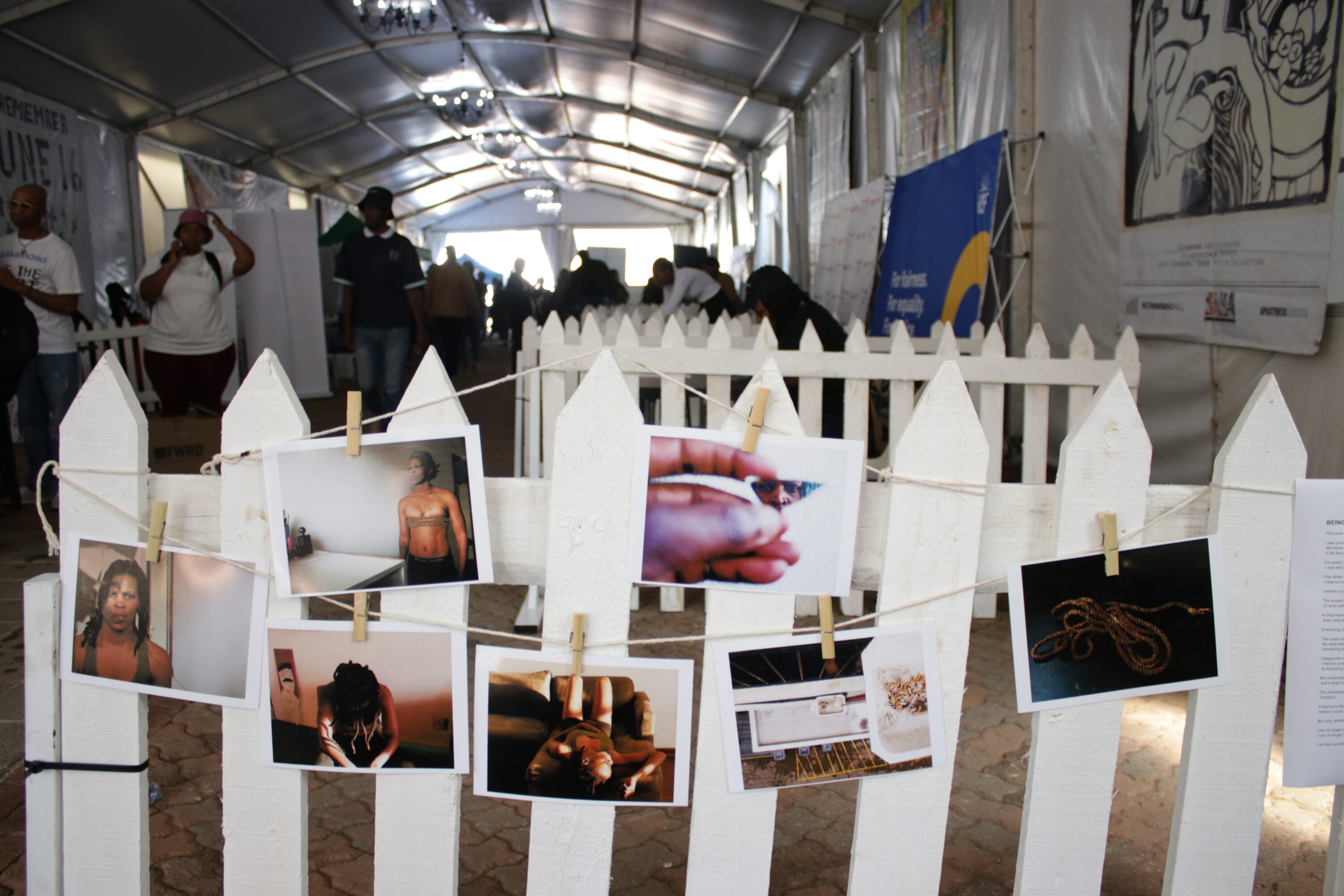
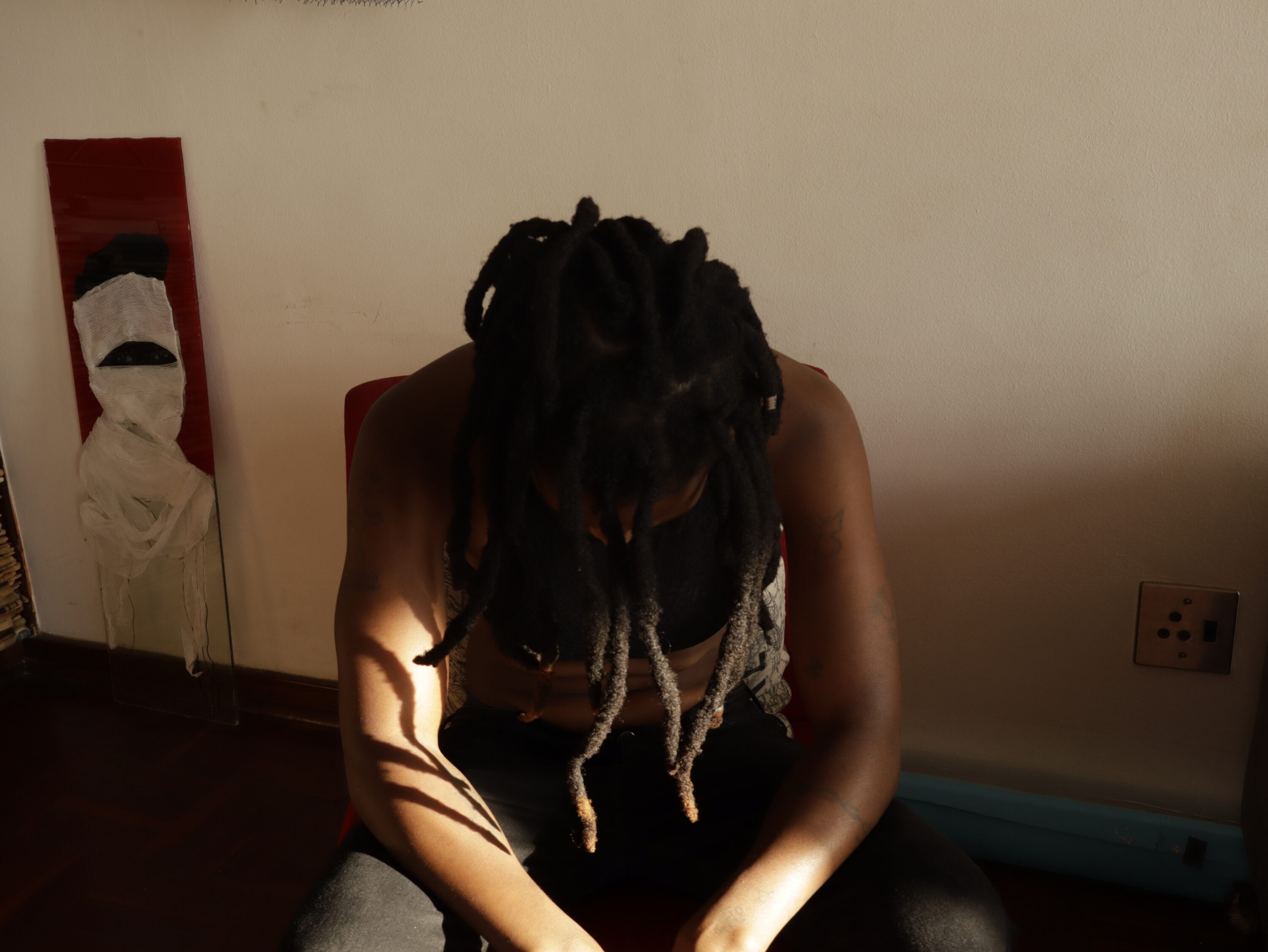
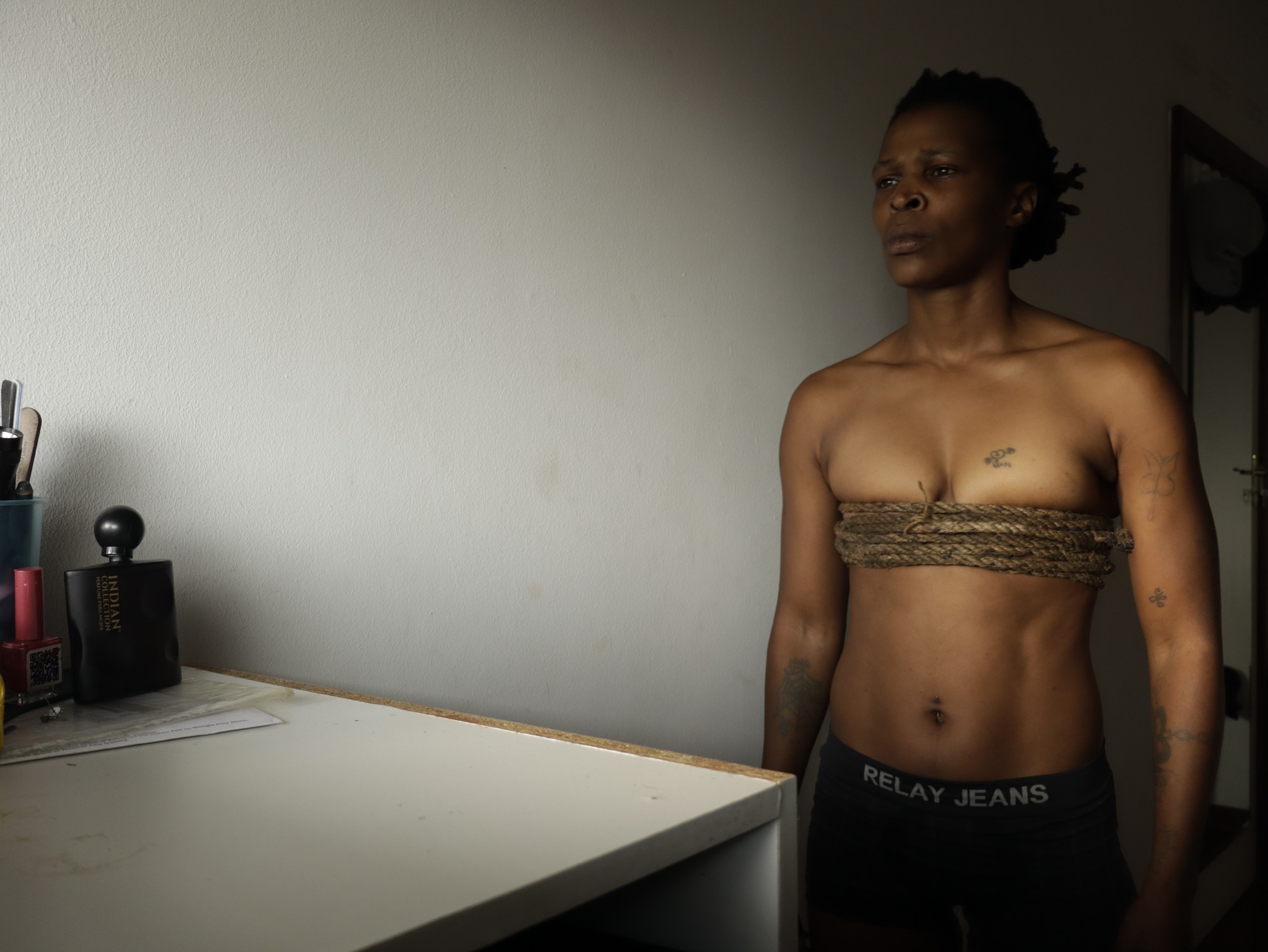
Founded in South Africa in 2023 by Ayanda (Yaya) Mqakayi, Yaya M Voices works primarily with intersex people, LGBTQIA+ communities, young people, artists, activists, and communities impacted by silence, stigma, and bodily discrimination. The organisation’s work also speaks to families, especially mothers of intersex children, through education, storytelling, and visibility. Yaya M Voices focuses on documenting and archiving intersex lives, histories, and lived experiences through photography, film, storytelling, interviews, creative activism, and community engagement. Their work challenges medical erasure, social stigma, and invisibility while preserving intersex existence through visual and historical documentation.
Visão
A world where intersex people are fully recognised, respected, protected, and visible as part of natural human diversity, and where future generations grow up with access to truthful representation, history, dignity, and bodily autonomy.
Missão
To create and preserve intersex-led archives, stories, and visual histories through creative documentation and advocacy. The organisation aims to reclaim narrative ownership by ensuring that intersex people speak for themselves and are represented through their own lived realities.
Goals/Objectives
To document and preserve intersex histories and lived experiences.
To create visual and educational resources about intersex existence.
To challenge stigma, discrimination, and non-consensual medical interventions on intersex bodies.
To support visibility, healing, and self-representation within intersex communities.
To build archives that future generations, researchers, families, and intersex people can access.
To contribute toward social and legal change regarding bodily autonomy and intersex rights.
Projects
Current projects include:
Being Intersex — a photographic body of work documenting intersex identity, embodiment, memory, scars, healing, and lived realities.
Ride for Intersex Justice — an awareness and advocacy cycling campaign focused on ending non-consensual surgeries on intersex infants and children.
Unseen Lives — a visual storytelling and documentary project focusing on hidden intersex experiences and social invisibility.
Archival Documentation — collecting oral histories, photographs, interviews, and visual records related to intersex existence and African intersex narratives.
Community Education and Visibility Work — creating conversations around bodily autonomy, identity, and intersex human rights through social media, exhibitions, public speaking, and collaborations.
2023 — Yaya M Voices Founded, South Africa Founded in South Africa in 2023 by Ayanda (Yaya) Mqakayi, Yaya M Voices works primarily with intersex people, LGBTQIA+ communities, young people, artists, activists, and communities impacted by silence, stigma, and bodily discrimination. The organisation’s work also speaks to families, especially mothers of intersex children, through education, […]
2023 — Publication of “Are You a Boy or a Girl? Growing Up as an African Intersex Person” Booklet, Uganda
“Are you a Boy or a Girl? Growing up as an African Intersex Person” is a powerful booklet published by Support Initiative for People with Atypical Sex Development (SIPD) Uganda to commemorate Intersex Awareness Day 2023. It brings together the lived experiences of eight intersex individuals from across Africa, offering a deeply human perspective on identity, resilience and belonging. The booklet demonstrates how the neatly drawn boxes of male or female on documents are presumptuous and extremely limit the diversity of sex characteristics in humanity. It explains that intersex people are born with natural variations in their sex characteristics which may not fit the typical definitions of male or female bodies.
Through these intensely personal stories, the book highlights the realities of intersex people in Africa. Their experiences range from childhood confusion to secrecy, stigma, discrimination and harmful medical practices. Many of the stories show that understanding of who you are as an intersex person usually comes late, often after years of uncertainty. Family can be both a safe space and source of trauma. School (especially boarding school) is a major site of stigma and exposure through the bullying and lack of privacy. The tellers go on to describe difficult experiences with in their communities where misunderstanding often leads to isolation or abuse. (Cultural interpretations profoundly shape experiences).
Despite these challenges, the central message of the booklet is strength and hope. The individuals featured show remarkable resilience as they learn to accept themselves, support others and advocate for their rights. Their journeys emphasise the importance of self-love, informed decision making and the need for society to become more inclusive and informed.
Ultimately, “Are you a Boy or a Girl?” goes beyond sharing personal stories, it is a call to action. It urges readers to listen, learn and respect intersex people while promoting a broader understanding of human diversity. The booklet reminds us that everyone deserves the right exist without apology.
From the introduction to the booklet:
“An Intersex person is someone born with a reproductive or sexual anatomy that doesn’t fit the typical definitions of female or female including hormonal patterns, and/or chromosome patterns. It reflects a combination of differences in the development of a person’s internal or/and external sexual and reproductive organs. In some cases, an intersex person’s genitalia will be neither clearly male nor female. Some conditions may only become apparent when a child reaches puberty. According to the UN 0.05% and 1.7% of the population is born with intersex traits.
In recent years, awareness of intersex people and recognition of the specific human rights abuses that they face has grown thanks to the work of intersex human rights defenders, all over the world. Human Rights abuses commonly faced by Intersex people include infanticides, forced and coerced medical interventions, harmful practices, such as unsupervised cultural genital mutilations and spiritual exorcisms rampant in many parts of Africa, and other forms of stigmatization due to their physical traits.
This book documents the lived experiences of 8 amazing intersex individuals from different African countries including Uganda, Kenya, Tanzania, Malawi, Zambia and Nigeria who share their stories with the hope that their experiences will be largely disseminated and therefore deepen Africa’s understanding of intersex lives.
The book is designed in such a way that participants talk about their experiences in school, society, work, and health service centers. Stories were transcribed to compose stories that were as close to the story tellers’ own words as possible. These stories represent a wide range of experiences which we believe are representative of other intersex lived realities in Africa.
In commemoration of intersex awareness day 2023, SIPD is excited to document and share the following powerful intersex lived experiences across Africa to celebrate courage and hope and to create more awareness and visibility.”
2023 — Publication of “Are You a Boy or a Girl? Growing Up as an African Intersex Person” Booklet, Uganda “Are you a Boy or a Girl? Growing up as an African Intersex Person” is a powerful booklet published by Support Initiative for People with Atypical Sex Development (SIPD) Uganda to commemorate Intersex Awareness Day […]
Founded in Kenya in 2023 by Sheila Joy, Julie Troca, Brenda and other queer activists, Alliance Trans Shield works with vulnerable trans, non-binary, gender non-conforming, gender diverse and queer individuals, with a particular focus on asylum seekers and refugees. The organisation’s work extends to intersex people and LGBTQIA+ communities with projects specifically addressing trans and intersex needs, centering those most at risk of marginalisation, displacement, and violence. Alliance Trans Shield’s main work is survivor‑led advocacy, digital empowerment, and psychosocial support. They provide safe spaces, amplify voices through storytelling, and build solidarity networks for trans and queer refugees and asylum seekers. They also engage in regional movement‑building, resisting digital violence, and advancing sexual and reproductive health rights. The organisation has not been able to register yet due to transphobic government policies.
Visão
A continent where trans, non‑binary, gender diverse, and intersex people live with dignity, visibility, and justice free from violence and discrimination, and empowered to shape narratives that drive transformative change.
Missão
To harness digital power and survivor leadership in advocating for and empowering trans, non‑binary, gender diverse, and queer refugees and asylum seekers. Through campaigns, storytelling, and community driven initiatives, the organisation transforms digital spaces into platforms of protection, solidarity, and liberation.
Goals/Objectives
Provide safe housing, psychosocial support, and livelihood opportunities for queer and trans refugees.
Build solidarity networks across Africa and the Diaspora.
Resist digital violence and promote safer online participation.
Strengthen movement building by connecting organisations and activists regionally and internationally.
Advance sexual and reproductive health rights for trans and gender diverse communities.
Áreas de foco
Digital advocacy and empowerment: Using online platforms to amplify survivor voices and resist digital violence.
Protection and safe housing: Supporting displaced trans and queer refugees with shelter and psychosocial care.
Movement building and solidarity: Strengthening networks across East Africa and the Diaspora.
Sexual and reproductive health advocacy: Promoting access to inclusive health services for trans and gender diverse communities.
Storytelling and documentation: Preserving histories and lived experiences through blogs, workshops, and collaborative archives.
Intersectional advocacy: Addressing overlapping issues of displacement, disability, gender, and sexuality in our projects.
2023 — Alliance Trans Shield Founded, Kenya Founded in Kenya in 2023 by Sheila Joy, Julie Troca, Brenda and other queer activists, Alliance Trans Shield works with vulnerable trans, non-binary, gender non-conforming, gender diverse and queer individuals, with a particular focus on asylum seekers and refugees. The organisation’s work extends to intersex people and LGBTQIA+ […]
2023 — ‘Being Intersex in Zambia: A Legal and Policy Review’ Published, Zambia
In 2023, the United Nations Development Program (UNDP) and the Intersex Society of Zambia published a review titled ‘Being Intersex in Zambia: A Legal and Policy Review’. This Review explored the legal and policy environment in Zambia as it affects intersex people with a focus on their rights and well-being.
In the Executive Summary of the Review, the situation for intersex people in Zambia is summarised as follows:
“Intersex persons are legally ‘invisible’ in Zambia, and there is limited and insufficient research and data on the impact of laws and policies on their rights and well-being. This research found that intersex persons in Zambia face stigma, discrimination, exclusion and institutional violence, and they struggle to realize their rights, including sexual and reproductive health and rights (SRHR), and to participate in society on an equal basis.
In Zambia, the Constitution and various national laws provide for equality, non-discrimination and enjoyment of rights such as education, employment and health care without discrimination. While these rights apply equally to intersex persons, the legal protections appear to be inadequate to protect them from specific rights violations. For instance, while many laws and policies protect all people from discrimination on the basis of sex, they fail to specifically recognize and protect intersex persons as a vulnerable population or to take into account the sexual and reproductive rights and legal status of intersex persons who fall outside the binary model (of male and female), and they contain no explicit references to gender identity, gender expression or sex characteristics.
Rights violations include stigma, discrimination, violence and unfair treatment within various sectors of society, including health care, employment and education; forced and coerced medical treatment, including unnecessary gender ‘normalizing’ surgery on intersex infants without fully informed and autonomous consent; inadequate access to medical records and breaches of medical confidentiality; inadequate access to health information and services to meet their needs; and difficulties in accessing or changing identity documentation (national citizenship sex description and their passports) to reflect their sex or gender status, among other things. In addition, intersex persons struggle to access justice for rights violations.”
Legally, socially and politically, what does it mean to be intersex in Zambia? This Review takes you on a revealing journey through the country’s laws, policies and lived realities to uncover where protections exist, fall short and what can be done better. It also included a review of international, regional and Zambia’s human rights documents, guidance and protocols that impact not just on the rights of intersex persons but also relate to responses from public and private health facilities.
The Review isn’t just about identifying gaps, it’s about imagining better. It offers evidence based, home grown recommendations on how Zambia can create safer, more inclusive environments in schools, hospitals and communities.
In the Foreword to the Review by the UNDP, it states that this Review
“is the product of a highly consultative and rigorous review and provides a comprehensive overview of the policy and legal issues affecting the intersex community in Zambia. The report offers short- and medium-term recommendations and strategies to strengthen protections for the intersex community. It highlights the lack of protections for intersex infants against forced or coercive surgeries, the complex process of legal gender recognition, and the challenges of accessing health and education services.”
In the Intersex Society of Zambia’s Foreword to the Review, they acknowledge the progress made by the Review, but write
“Although we acknowledge the progress made, there is still much work to be done to fully ensure our rights. In Zambia, those who are intersex are subjected to marginalization, societal judgment and mistreatment, as well as violations of their human rights across all aspects of life. For many, receiving legal recognition for their sex or gender remains a major obstacle.
We continue to call for the government to take concrete measures to uphold the rights of intersex persons and provide protection from abuse. This entails putting in place appropriate inclusive legal and policy frameworks aimed at protecting intersex persons from discrimination on the grounds of sex characteristics, including in access to health care, education, employment, sports and in obtaining official identity documents. The government needs to lead in raising awareness of the rights of intersex people; combating the root causes of these violations, such as harmful stereotypes, stigma and pathologizing of intersex persons; providing training to health professionals and public officials, including legislators, the judiciary and policymakers; and ensuring that adult intersex persons decide whether they wish to modify the appearance of their own bodies, and children are allowed to make an informed decision for themselves at the appropriate age. Access to medical services that respond to their specific health needs based on non-discrimination, informed consent, and respect for their fundamental rights, is a must.
We are making an urgent appeal to the Government of Zambia to prohibit all unnecessary cosmetic medical surgeries and hormonal procedures on intersex children unless there is a major threat to the life of the intersex minor as evidenced with other intersex variations. It is imperative that we uphold the autonomy of intersex adults and children and their right to health, to physical and mental integrity, to live free from violence and harmful practices, and to be free from torture and ill-treatment. Intersex children and their parents should be provided with support and counselling, including by peers.
It is our sincere hope that the Government of Zambia will follow the example of the Government of Kenya, which is considered a benchmark in incorporating intersex individuals into the country’s national statistics census and civic registration systems as full-fledged citizens, particularly in the Registration of Births and Deaths. This includes the adoption and domestication of Resolution 552 and the commitment to implement crucial recommendations outlined in this report.”
2023 — ‘Being Intersex in Zambia: A Legal and Policy Review’ Published, Zambia In 2023, the United Nations Development Program (UNDP) and the Intersex Society of Zambia published a review titled ‘Being Intersex in Zambia: A Legal and Policy Review’. This Review explored the legal and policy environment in Zambia as it affects intersex people […]
30 January 2023 — Book Review: “Envisioning African Intersex”, by Amanda Lock Swarr
“Envisioning African Intersex: Challenging Colonial and Racist Legacies in South African Medicine” by Amanda Lock Swarr (Associate Professor, Gender, Women & Sexuality Studies, University of Washington) was published 30 January 2023 and is a groundbreaking work that challenges entrenched scientific and social norms about intersex individuals, particularly within the context of South Africa. Swarr meticulously deconstructs the historical and contemporary narratives surrounding intersex bodies, highlighting how these narratives are steeped in colonialism, racism, and gender binaries. The book is divided into several chapters, each focusing on different aspects of intersex representation and activism, with a strong emphasis on the voices and experiences of intersex individuals themselves.
The book and any of its chapters are available as a free download
Critical Analysis of Scientific Definitions of ‘Intersex’
The book opens with a critical examination of how scientific definitions of intersex have historically pathologised and categorised intersex bodies. Swarr points out that intersex has been subjected to an extensive range of taxonomic and medical definitions, often used to enforce binary gender norms. She emphasises the problematic nature of these definitions, which date back to the early 1800s and became widely adopted by medical professionals in the 1950s. Swarr quotes Iain Morland, who argues that scholarly and popular considerations of intersex often start with statistics, giving a false impression that the “truth” of bodies can be separated from discourse. Instead, Morland suggests exploring “how and why knowledge about intersex is produced”.
Swarr introduces the concept of “citational chains,” which she defines as references that build on each other to create truth claims despite the fundamentally flawed foundations of the original works cited. These chains perpetuate erroneous observations by colonial explorers and scientists, linking “hermaphroditism” and intersex with blackness and spreading these ideas across academia, popular culture, journalism, and social media
Colonial Roots of Intersex Representations
The second chapter delves into the colonial roots of intersex representations, focusing on how colonial explorers and scientists constructed narratives around the “Hottentot apron” and other racialised body features. Swarr argues that Africa was positioned at the bottom of the hierarchy in the citational chain of explorers’ and scientists’ imaginations. She illustrates how British physicians like George Blacker and William Lawrence played a significant role in erasing the history and memory of European hermaphroditism, thus valorising European bodies and reinforcing racial hierarchies.
Swarr’s analysis highlights the importance of understanding the historical context in which these scientific narratives were formed and how they continue to impact contemporary perceptions of intersex individuals. By exposing the colonial underpinnings of these narratives, she challenges readers to reconsider the legitimacy and motivations behind them.
Sally Gross
The third chapter focuses on Sally Gross, a prominent South African intersex activist and founder of the first intersex rights organisation in Africa, whose life and work epitomised the struggle against medical violence and social exclusion. Gross’s activism was deeply rooted in her anti-apartheid efforts, and she consistently linked the fight against apartheid with the struggle for intersex rights. Swarr provides a detailed account of Gross’s efforts to challenge the theories of scientists like John Money and H. J. Grace, as well as her critique of the medical protocols that pathologized intersex bodies.
Gross’s activism was characterised by her insistence on the acceptance of the body as it is, without the need for conformity to binary gender norms. In her unpublished work, she reflects on her life and the challenges she faced:
“When it became increasingly clear that what I am challenges the dichotomy, it is almost as if I was seen as threatening the very order of creation. I was no longer seen as a legitimate inhabitant of a shared social and moral world”.
The book also delves into the racial categorisations used by Grace and others, which were deeply entrenched in apartheid logic. Grace’s detailed taxonomy of intersex conditions and his simplistic definition of race reflect the scientific racism of his time. He described South Africa as having “four well-defined population groups: Caucasoids, Negroids, Asiatics, and a mixed race of all three, the Coloureds”. This categorisation was used to justify the racial hierarchies and segregation policies of apartheid.
Swarr challenges these outdated notions, arguing for a more nuanced understanding of intersex variations that transcends racial and colonial boundaries. Her work underscores the need to decolonise medical protocols and embrace a more inclusive and intersectional approach to intersex studies.
Caster Semenya
The final chapter examines the case of Caster Semenya, a South African runner who has been subjected to intense scrutiny and invasive gender verification testing. Semenya’s treatment by sporting authorities and the media highlights the ongoing intersection of racism, colonialism, and gender policing. Swarr argues that Semenya’s experiences are emblematic of the broader issues faced by intersex and gender-nonconforming individuals, particularly in the Global South.
Swarr discusses how Semenya and her supporters have used social media campaigns, such as #HandsOffCaster, to challenge the racist and exclusionary practices of institutions like the International Association of Athletics Federations (IAAF). These campaigns have played a crucial role in raising awareness about the injustices faced by Semenya and other athletes subjected to gender testing.
Semenya’s case underscores the need for decolonising gender testing and embracing a more inclusive understanding of gender diversity. Her resilience in the face of institutional racism and sexism serves as a powerful example of the broader fight for intersex rights and recognition.
Conclusion
“Envisioning African Intersex” is a powerful and thought-provoking work that sheds light on the complex and often painful realities faced by intersex individuals. Amanda Lock Swarr’s meticulous research and insightful analysis provide a comprehensive understanding of the ways in which colonialism, racism, and gender binaries have shaped and continue to shape the lives of intersex people. By centring the voices and experiences of intersex activists like Sally Gross and Caster Semenya, Swarr not only exposes the historical injustices but also celebrates the resilience and agency of those who refuse to be defined by oppressive norms.
This book is an essential for anyone interested in intersex rights, gender studies, African studies, or the history of medicine. It challenges one to question one’s assumptions about gender and sex and to recognise the profound impact of colonial legacies on contemporary understandings of the body. Through its rigorous scholarship and compelling narratives, “Envisioning African Intersex” offers a vision of a more inclusive and just world, where all bodies are accepted and valued as they are.
Swarr negotiated with DUKE university that this book be available FREE of charge online. Chapters or the entire book can be downloaded. The income generated from books that are purchased are donated to Intersex South Africa (ISSA), the organisation founded by Sally Gross.
Video Interview with Amanda Lock Swarr About the Book
As part of the Knowing Africa Seminar Series, Amanda Lock Swarr discusses the book in the video below with Ann Cvetkovich (Professor, Feminist Institute of Social Transformation, Carleton University), Zethu Matebani (sociologist, activist, writer, documentary film maker, Professor and South Africa Research Chair in Sexualities, Genders and Queer Studies at the University of Fort Hare), and Jabu Pereira (Founder of IRANTI).
This review was written by our content contributor, Delphine Barigye
30 January 2023 — Book Review: “Envisioning African Intersex”, by Amanda Lock Swarr “Envisioning African Intersex: Challenging Colonial and Racist Legacies in South African Medicine” by Amanda Lock Swarr (Associate Professor, Gender, Women & Sexuality Studies, University of Washington) was published 30 January 2023 and is a groundbreaking work that challenges entrenched scientific and social […]
The Act prescribes life imprisonment for sex between two people of the same biological sex and the death penalty for “aggravated homosexuality”. The latter offence includes “serial offenders”, same-sex rape, sex in a position of authority or procured by intimidation, sex with persons older than seventy-five, sex with the disabled and mentally ill, and homosexual acts committed by a person with a previous conviction of homosexuality. Further, under its provisions, the promotion (including normalisation) of homosexuality is punishable by imprisonment for up to 20 years and fines. Ler mais.
Tranz Network Uganda‘s Williams Apako speaks about the impact on trans people of this Act and the work that he has done:
26 May 2023 — Anti-Homosexuality Act, 2023 Signed into Law, Uganda Following the overturning of the Anti-Homosexuality Act of 2014, the Anti-Homosexuality Act, 2023 was signed into law on 26 May 2023. The Act prescribes life imprisonment for sex between two people of the same biological sex and the death penalty for “aggravated homosexuality”. The latter offence includes “serial […]
12 de junho de 2023 - Fundação da Kajiado North for Empowerment and Social Welfare Outreach (KNESWO), Quénia
Founded on 12 June 2023 by Kyazze Arnold and Nyombi Enoch, Kajiado North for Empowerment and Social Welfare Outreach (KNESWO) works with queer refugees, gender diverse migrant sex workers, and trans sex workers. Since its establishment, KNESWO has been at the forefront of advocating for the rights of marginalised queer refugee sex workers in Kenya. The organisation has provided critical support through legal aid, mental health services, and community empowerment programmes. Through its advocacy efforts, KNESWO has increased awareness about the discrimination and violence faced by its members and has successfully mobilised resources to create safer spaces for queer and trans sex workers.
Visão
A world where marginalised queer refugees, gender-diverse migrant sex workers, and trans sex workers are respected, empowered, and free from stigma. We celebrate diversity as the strength of our community, ensuring equal access to opportunities, rights, and safety for all.
Missão
To empower and unite marginalised queer refugees, gender-diverse migrant sex workers, and trans sex workers by fostering safety, advocacy, and leadership. KNESWO builds an inclusive community that celebrates diversity in culture, gender, and background, ensuring access to resources, rights, and support.
Goals
Provide mental health and psychosocial support, including counselling and group therapy.
Advocate for policy reforms and challenge stigma affecting queer refugee and migrant sex workers.
Offer legal and protection empowerment for members facing discrimination or legal challenges.
Facilitate health interventions through access to SRHR education and preventive healthcare.
Conduct research and documentation to inform advocacy and policy change.
Build a strong movement for marginalised communities, focusing on leadership and resilience.
12 June 2023 — Founding of Kajiado North for Empowerment and Social Welfare Outreach (KNESWO), Kenya Founded on 12 June 2023 by Kyazze Arnold and Nyombi Enoch, Kajiado North for Empowerment and Social Welfare Outreach (KNESWO) works with queer refugees, gender diverse migrant sex workers, and trans sex workers. Since its establishment, KNESWO has been […]
7 September 2023 — Founding of Initiative for Youth Health Rights and Education Empowerment (IYHREE), Nigeria
Founded on 7 September 2023, Initiative for Youth Health Rights and Education Empowerment (IYHREE) is an unregistered organisation with the goal to improve the quality of life of LGBTQI, specifically trans, intersex and gender non-conforming, youth in northern Nigeria by providing them with the tools they need to make informed decisions about their health and wellbeing, and by advocating for their human rights. The organisation was founded by Mx Cookie, Juju Bee and Kira Earl La Posh. Kira is the current Executive Director.
Visão
To create an inclusive and supportive environment where young LGBTQI, specifically trans, intersex and gender non-conforming individuals can freely express themselves, access education and healthcare services, and thrive without discrimination or harassment.
Missão
To educate and empower LGBTQI, specifically trans, intersex and gender non-conforming youth in northern Nigeria by promoting health rights and education and specifically advocating for their equal rights in the society.
Projects
One of IYHREE’s projects is the in-person focus group and survey launched in partnership with ReportOUT. The focus group discussion took place in Northern Nigeria (Kaduna State), with the aim of gathering feedback and insights from these marginalised communities about their access to healthcare services. This collaboration focuses on addressing the healthcare needs of trans, intersex, and nonbinary individuals in Nigeria, with a goal of advocating for better access to quality care for these marginalised communities. Through this partnership, both organisations are working towards promoting inclusivity and equality in healthcare services for all individuals. The focus group discussion provided a platform for members of the trans, intersex, and nonbinary communities to share their stories, voice their concerns, and discuss potential solutions to improve access to healthcare services.
The online survey conducted was designed to collect information on the experiences and challenges faced by trans, intersex, and nonbinary individuals when seeking healthcare services. It covers a range of topics, including discrimination, lack of access to gender-affirming care, and barriers to receiving quality healthcare services.
The data collected from the survey and focus group discussion will be analysed and used to inform advocacy efforts aimed at addressing the systemic barriers that prevent trans, intersex, and nonbinary individuals from accessing quality healthcare services in Northern Nigeria. This information will also be used to develop recommendations for policymakers, healthcare providers, and other stakeholders to improve healthcare access and outcomes for these communities.
According to Kira, IYHREE’s Executive Director,
“The partnership between IYHREE and ReportOUT represents a significant step towards advancing the rights and well-being of the trans, intersex, and nonbinary communities in Northern Nigeria. By listening to their voices and experiences, we can work towards creating a more inclusive and equitable healthcare system that meets the needs of all individuals, regardless of their gender identity.”
7 September 2023 — Founding of Initiative for Youth Health Rights and Education Empowerment (IYHREE), Nigeria Founded on 7 September 2023, Initiative for Youth Health Rights and Education Empowerment (IYHREE) is an unregistered organisation with the goal to improve the quality of life of LGBTQI, specifically trans, intersex and gender non-conforming, youth in northern Nigeria […]
2024 — Création du programme Vatana Spectrum, Madagascar / Vatana Spectrum Programme Created, Madagascar
Créée en 2024 à Madagascar par le Malgache AL Andrianjafy, activiste queer et neurodivergent Malagasy, Vatana Spectrum travaille principalement avec les personnes intersexes malgaches, en particulier les plus marginalisées, ainsi qu’avec leurs familles, les professionnel·les de santé, les journalistes, les éducateur·ices et les communautés locales. Vatana Spectrum agit pour la reconnaissance, le respect et la dignité des personnes intersexes à Madagascar. Nous construisons une communauté, produisons des données locales, facilitons l’accès à des soins adaptés, offrons un soutien psychologique, et menons des actions de plaidoyer pour une transformation durable. Vatana Spectrum est un programme sous l’égide de Queer Place, cofondé par AL Andrianjafy.
Created in 2024 in Madagascar by Malagasy AL Andrianjafy, a queer and neurodivergent activist, Vatana Spectrum works primarily with Malagasy intersex people, particularly the most marginalised, as well as their families, healthcare professionals, journalists, educators, and local communities.Vatana Spectrum works for the recognition, respect, and dignity of intersex people in Madagascar. They build community, produce local data, facilitate access to appropriate care, offer psychological support, and lead advocacy efforts for sustainable transformation.Vatana Spectrum is a programme under the umbrella of Queer Place, which was co-founded by AL Andrianjafy.
La Vision / Visão
Un Madagascar où les personnes intersexes sont respectées, soutenues et soignées dignement, avec des droits pleinement reconnus.
A Madagascar where intersex people are respected, supported and treated with dignity, with fully recognised rights.
Missão
Transformer la vie des personnes intersexes à Madagascar grâce à un accompagnement humain, une meilleure information, des soins respectueux, un plaidoyer solide et une communauté forte et solidaire.
To transform the lives of intersex people in Madagascar through human support, better information, respectful care, strong advocacy and a strong and supportive community.
Objectifs / Objectivos
Créer un réseau de solidarité intersexe.
Collecter et produire des données sur les réalités intersexes malgaches.
Favoriser des soins médicaux adaptés, respectueux et autodéterminés.
Offrir un accompagnement psychologique aux intersexes et à leurs proches.
Sensibiliser les professionnel·les, les institutions et l’opinion publique.
Obtenir des réformes concrètes pour la protection des droits intersexes.
Create an intersex solidarity network.
Collect and produce data on intersex realities in Madagascar.
Promote appropriate, respectful, and self-determined medical care.
Provide psychological support to intersex people and their loved ones.
Raise awareness among professionals, institutions, and the public.
Obtain concrete reforms to protect intersex rights.
2024 — Création du programme Vatana Spectrum, Madagascar / Vatana Spectrum Programme Created, Madagascar Créée en 2024 à Madagascar par le Malgache AL Andrianjafy, activiste queer et neurodivergent Malagasy, Vatana Spectrum travaille principalement avec les personnes intersexes malgaches, en particulier les plus marginalisées, ainsi qu’avec leurs familles, les professionnel·les de santé, les journalistes, les éducateur·ices […]
27 February 2024 — Trans & Intersex History Africa Delivers Presentation on Trans & Intersex African Movements to the Professional Association for Transgender Health South Africa (PATHSA), South Africa
27 February 2024 — Trans & Intersex History Africa Delivers Presentation on Trans & Intersex African Movements to the Professional Association for Transgender Health South Africa (PATHSA), South Africa
On 27 February 2024, Trans & Intersex History Africa (TIHA)’s co-founder, Liesl Theron, delivered a presentation to the Professional Association for Transgender Health South Africa (PATHSA) on the topic of the African history of trans and intersex movements. Liesl used the opportunity to highlight the work we do at TIHA in creating a first of its kind archive of trans and intersex movements in Africa and the African Diaspora. Watch the presentation on YouTube:
27 February 2024 — Trans & Intersex History Africa Delivers Presentation on Trans & Intersex African Movements to the Professional Association for Transgender Health South Africa (PATHSA), South Africa On 27 February 2024, Trans & Intersex History Africa (TIHA)’s co-founder, Liesl Theron, delivered a presentation to the Professional Association for Transgender Health South Africa (PATHSA) […]
Mars 2024 — Inclusion Togo Créé / March 2024 — Inclusion Togo Founded, Togo
Fondée en mars 2024 par Crespille Pige, Crépine Tossou, Joyce D’Almeida and Sephora Zouzou, Inclusion Togo s’adresse aux hommes transgenres, aux femmes transgenres, aux personnes queer et intersexuées. La principale mission de l’organisation est d’assurer le bien-être des personnes trans, queer et intersexes dans un environnement sûr.
Founded in March 2024 by Crespille Pige, Crépine Tossou, Joyce D’Almeida and Sephora Zouzou, Inclusion Togo caters to trans men and trans women, queer and intersex people. The main work of the organisation is to ensure the well-being of trans, queer and intersex people in a safe environment.
A visão Visão
Un Togo inclusif et équitable ou toutes les personnes transgenres, queer et intersexe en particulier les plus vulnérables (travailleuses de sexe, personnes vivant avec le VIH, sans abri) vivent dans la dignité, jouissent de leurs droits fondamentaux et participant pleinement au développement social, économique et culturel.
An inclusive and equitable Togo where all transgender, queer and intersex people, especially the most vulnerable (sex workers, people living with HIV, the homeless), live in dignity, enjoy their fundamental rights and participate fully in social, economic and cultural development.
Missão
Œuvrer pour l’inclusion, la protection et l’autonomisation des personnes transgenres, queer et intersexe vulnérables au Togo, à travers des actions communautaires et des plaidoyers.
To work towards the inclusion, protection and empowerment of vulnerable transgender, queer and intersex people in Togo, through community actions and advocacy.
Objetivos / Objectivos
Renforcer la prévention, la prise en charge du VIH chez les personnes trans, queer et intersexe, en promouvant l’autonomisation financière chez les plus vulnérables.
Strengthening HIV prevention and care for trans, queer, and intersex people, while promoting financial empowerment among the most vulnerable.
Domaines de travail / Areas of work
Renforcement des de la prévention et prise en charge chez les personnes trans, queer et intersexe dans un contexte ou la prévalence du VIH chez les personnes transgenres est de 35%.
Renforcement de l’autonomisation financière des personnes trans, queer et intersexe.
Renforcement de l’estime de soi des personnes trans, queer et intersexe.
Strengthening prevention and care for trans, queer, and intersex people in a context where the HIV prevalence among transgender people is 35%.
Strengthening the financial empowerment of trans, queer, and intersex people.
Strengthening the self-esteem of trans, queer, and intersex people.
Mars 2024 — Inclusion Togo Créé / March 2024 — Inclusion Togo Founded, Togo Fondée en mars 2024 par Crespille Pige, Crépine Tossou, Joyce D’Almeida and Sephora Zouzou, Inclusion Togo s’adresse aux hommes transgenres, aux femmes transgenres, aux personnes queer et intersexuées. La principale mission de l’organisation est d’assurer le bien-être des personnes trans, queer […]
4 February 2022March 20227 April 202219 May 202226 July 20223 August 202223 October 2022November 202221 December 2022202320232023202330 January 202326 May 202312 June 20237 September 2023202427 February 2024March 2024
You can include information about your African Organisation/Group
There are many African organisations and individuals who over the years have contributed in invaluable ways to the story of the trans, gender diverse and intersex movements who are not yet included on our Timeline.
Queremos reconhecer e incluir todas as contribuições verificáveis.
The Timeline is about your stories and voices. You can find out more about how to contribute by visiting our Contact Us page here.