An archive of histories/herstories/theirstories affecting and influencing the trans, gender diverse and intersex movements in Africa
This Timeline of our archive of histories/herstories/theirstories of the trans, gender diverse and intersex movements in Africa and in the Diaspora emerged through the grassroots experiences and memories of the contributing African activists and organisations.
It is often updated with new stories and the Timeline is continually growing.
How to navigate the Timeline
Categories are displayed alphabetically at the top of the Timeline and can be used to filter the results to focus on the research theme chosen. For example, ‘All’ will show you all topics, while ‘Intersex’ will display all entries related to intersex movements and moments.
Alternatively, use the search bar in the menu at the top and bottom of screen to find more specific information.
Categories relating to gender, sex characteristics and sexual orientation have flag icons and colour groups to visually distinguish them from one another:
All
Activists
All
Art
Asylum Seekers/Migrants/Refugees
Audio and Video
Awards
Ballroom
Community
Conferences
Cross-Dressing
Depathologisation
Diaspora
Drag
Films
Gender Diverse
Gender Non-Conforming
Gender-Affirming Healthcare
Gender-Based Violence
Healthcare
HIV/AIDS
Homeless people
In Memoriam
Intersex
Interviews
LBQ
LBTI
LBTQ
Legislation
LGBTQIA+
Media
Non-Binary
Organisations
People living with HIV
Persons with Disabilities
Publications
Sex Work
Sport
SRHR
TIHA Articles
Trans
Trans & Intersex
Transfeminist
Transmasculine
Transsexual
Transvestite
Youth
22 October 2020 — Founding of Tanzania Voice of Humanity (TVOH), Tanzania
22 October 2020 — Founding of Tanzania Voice of Humanity (TVOH), Tanzania
Tanzania Voice of Humanity (TVOH) was established in 22 October 2020 in response to total lack of recognition of individuals with intersex in Tanzania. It is the first organisation in Tanzania to stand for intersex people in Tanzania. It offers development programs that involve medical practitioners, educators, counsellors and law enforcement agents.
Country Context
Intersex people commonly experience abuse in developing countries like Tanzania and most perpetrators are known. Likewise, individuals with intersex (DSD) experience suffer abuse at the hands of family members, at school, health services and religious institutions and community.
The main sources of discrimination are a lack of formal recognition for their Sex identity that leads friction with social norms. Based on self-reporting done by TVOH parents, intersex children are verbally abused by the community and burden them with social beliefs. Also intersex children and adults experience social isolation, abusive words, neglect at school and legal difficulties.
Living in such a community jeopardises the welfare of intersex persons. Special training and counselling are effective ways to minimise and eradicate gender-based violence towards individuals with intersex conditions.
Vision
A community with people with disabilities who are recognised, healthy, economically stable and well protected legally and socially.
Mission
To improve the welfare of intersex people and people with disabilities, making sure they are recognised, economically empowered, protected and treated equally through empowerment, support, advocacy, awareness raising, research and participation.
22 October 2020 — Founding of Tanzania Voice of Humanity (TVOH), Tanzania Tanzania Voice of Humanity (TVOH) was established in 22 October 2020 in response to total lack of recognition of individuals with intersex in Tanzania. It is the first organisation in Tanzania to stand for intersex people in Tanzania. It offers development programs that […]
November 2020 — Founding of Trans Nigerian Support (TNS), Nigeria
Founded in November 2020 as a collective of online communities and an organisation by Tom Kólá, Trans Nigerian Support (TNS) is a trans and Intersex youth-led feminist organisation advocating for the advancement of access to basic human rights for LGBT+ people, currently centring the transition needs of trans people. It was conceived in 2020 through the creation of 2 voluntary membership groups — Share Circle and Super Trans Bros — which focused on community building, education, building awareness and social transition resource distribution. It began formal organising in 2022, first with the collaborative creation of a website for a wider community reach and has since expanded its services and reach.
Trans Nigerian Support is a platform where trans (non-binary and binary) people in Nigeria can come to find information, support, resources, and a community of supportive people who are like them, and share similar experiences. TNS hopes to eradicate the myth that trans people do not exist in Nigeria, and create a safe space where trans people can come to find a reflection of themselves, and their experiences. TNS has not been registered as it is illegal to register LGBTQIA+ organisations in Nigeria.
Vision
TNS envisions a life of dignity, ease and access to gender-affirming resources and healthcare for trans (non-binary and binary) Nigerians.
Mission
TNS’s mission is to improve the lives and lived experiences of trans (non-binary and binary) Nigerians by providing reliable information, support, services, and gender-affirming resources that society often denies trans people access to.
Goals
Resource distribution, specifically for gender-affirming products of all kinds that aid social transition. e.g. binders, gaffs, prosthetics, etc.
Building an online repository of information & educational resources via our website and social media.
Safely making gender-affirming hormone therapy available and bridging the gaps in non-existent trans healthcare by developing a safe telehealth system for people to get what they need. This is done in collaboration with supportive healthcare workers who are trans allies.
Providing extensive gender-affirming hormone therapy workshops and resources to participants.
Working to further trans empowerment via employment in leadership and volunteer roles.
More about the reasons for founding TNS, from founder, Tom Kólá
“When I first came out to myself and a few close people as a Trans Man in 2018, almost everything I needed to feel safe and affirm myself in my gender was either non-existent or inaccessible to a young person like me. There was nowhere to get a “respectable”, good quality binder in the country and I absolutely had no hope of starting my medical transition if/when I wanted to. Thankfully, through community building I was able to surround myself with people on a similar mission and we have since been working together to make these life-changing, life-saving gender-affirming materials available and accessible. The dream is to create a Nigeria where this lack of life-affirming, gender-affirming resources is a thing of the past. Then we want to expand this to West Africa, Africa and the rest of the globe. We want to live in a world where no Transgender youth has to go through what we went through. This is the dream.
Currently, TNS is embarking on pioneering a system of consistent access to Gender-Affirming Hormone Therapy for Transmasculine and Transfeminine Transgender individuals of all genders. This is a service that’s currently non-existent and it puts a major percentage of the population at a disadvantage of safely and consistently accessing their medical transition needs. We have created a system that caters specifically to the healthcare needs of Transgender [non-binary & binary] people despite the current hostility and discrimination prevalent in the country to foster and encourage safe medication use. It is a system that combats the ills and harms of self-medicating for survival and healthcare avoidance for safety.”
November 2020 — Founding of Trans Nigerian Support (TNS), Nigeria Founded in November 2020 as a collective of online communities and an organisation by Tom Kólá, Trans Nigerian Support (TNS) is a trans and Intersex youth-led feminist organisation advocating for the advancement of access to basic human rights for LGBT+ people, currently centring the transition […]
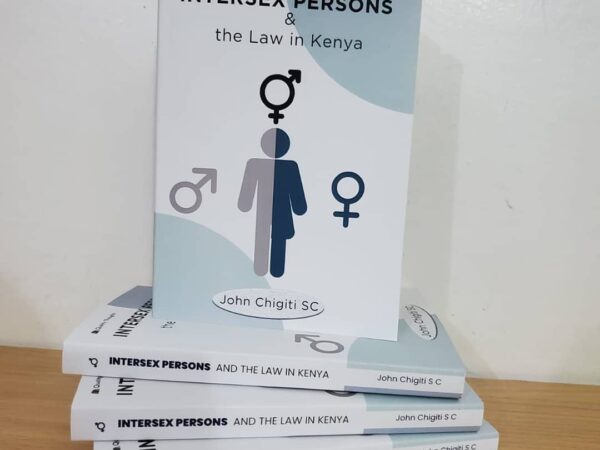
2021 — Intersex Persons & the Law in Kenya by John Chigiti SC (2021): A Review
Published in 2021, John Chigiti SC’s book, Intersex Persons & the Law in Kenya, offers a comprehensive overview of the legal rights Kenyan intersex people have, as well as the failures of Kenyan law to protect intersex people. Our Intersex Content Contributor, Delphine Barigye, wrote this review.
Intersex persons in Kenya continue to experience systemic discrimination, legal invisibility, and persistent violations of fundamental rights. Drawing on the analysis presented by Chigiti (2021) in Intersex Persons and the Law in Kenya, this article synthesizes the author’s major themes across law, medicine, social systems, and policy. The discussion illustrates that although Kenya’s Constitution guarantees equality, dignity, and non-discrimination for all persons, the absence of explicit recognition of intersex identity structurally prevents full realisation of rights. Reforms in documentation, healthcare, access to information, family law, and education are urgently needed to align Kenya’s legal and policy environment with international human-rights principles.
Introduction
Intersex persons born with natural variations in sex characteristics that do not fit typical binary definitions of male or female remain socially marginalised and administratively invisible in Kenya. Chigiti demonstrates that while awareness of intersex identity is increasing globally, Kenya’s legal and medical systems remain ill-equipped to address the lived realities of this population. This article organises the core themes emerging from Chigiti’s text into a rigorous, thematic analysis to guide legal scholarship, advocacy, and policy design.
Conceptual and Medical Foundations
The conceptual and medical understanding of intersex persons forms the intellectual foundation of John Chigiti’s argument in Intersex Persons and the Law in Kenya. He begins by revisiting the definition of intersex, historically known under the stigmatising term “hermaphrodite.” As medical knowledge evolved, such terminology gave way to scientifically grounded and human-rights-based language “intersex” or “persons with differences in sex development (DSD).” These terms describe individuals born with variations in chromosomal, gonadal, or anatomical sex characteristics that do not fit typical binary definitions of male or female.
Chigiti identifies multiple biological bases for intersex variation, including chromosomal patterns (e.g., 47XXY; Klinefelter syndrome; 47XXX; Trisomy X), gonadal differences (presence of both ovarian and testicular tissue), and hormonal atypicalities (such as androgen insensitivity syndrome or congenital adrenal hyperplasia). These medical distinctions, he argues, demonstrate that intersex is not an anomaly but a naturally occurring human variation that is present in approximately 1.7% of the world’s population, according to the Office of the United Nations High Commissioner for Human Rights (OHCHR).
From a biomedical perspective, Chigiti underscores the importance of genetic and chromosomal evaluation in determining an intersex condition. This involves understanding the genetic composition (heredity), where chromosomes carry the physical units of heredity known as genes. The book clarifies that each human cell normally contains 23 pairs of chromosomes, but variations in these pairs can produce different expressions of sex traits. For example, atypical configurations in sex chromosomes (such as XXY or XO) may lead to non-binary sexual differentiation.
Chigiti also references international legal definitions to enrich the conceptual clarity. The Maltese Gender Identity, Gender Expression, and Sex Characteristics Act defines “sex characteristics” as encompassing chromosomal, gonadal, and anatomical features including reproductive organs, genitalia, hormonal structures, and secondary traits like muscle mass, hair distribution, and breasts. This broader framing moves beyond mere physical appearance and emphasizes biological diversity as part of human variation. The California Senate Bill 225 and the South African Alteration of Sex Description and Sex Status Act similarly recognize that intersex persons exhibit variations in physical traits such as genitalia, hormone function, and chromosome patterns that deviate from stereotypical male-female norms.
Importantly, Chigiti cautions against superficial or appearance-based judgments. Physical features such as a deep voice in women or softer features in men do not constitute evidence of intersex status. A definitive classification must be based on medical examination of chromosomal, gonadal, and hormonal structure by a competent medical practitioner. The Persons Deprived of Liberty Act (2014) in Kenya explicitly adopts this medical standard, defining an intersex person as “a person certified by a competent medical practitioner to have both male and female reproductive organs.” This legal definition anchors intersex identity in verified medical evidence rather than social perception.
Chigiti thus establishes a dual conceptual framework: medical and legal. The medical framework recognizes intersex as a spectrum of biological diversity requiring sensitivity and scientific accuracy, while the legal framework demands recognition and protection of such individuals within Kenya’s constitutional and statutory systems. He insists that law and medicine must converge to ensure dignity, autonomy, and accurate identification. The medical field, therefore, carries not only a diagnostic function but also an ethical and human-rights obligation to refrain from coercive “normalising” surgeries and to support informed decision-making rooted in bodily autonomy and consent.
Stigma, Culture and Discrimination
Stigma surrounding intersex persons in Kenya is deeply rooted in cultural beliefs, religious narratives, and social norms that privilege binary understandings of sex. In many communities, intersex birth is not merely misunderstood; it is feared. Local languages contain derogatory terms such as huntha (Kiswahili), kiugu (Kikuyu), and malinda (Kikamba), reflecting long-standing othering of bodies perceived as sexually atypical. These linguistic patterns reinforce the perception that intersex traits are unnatural or shameful, encouraging secrecy and silence within families. Fear of public shame leads many parents to conceal affected children, thereby denying them opportunities for health care, social participation, and early identity formation. Where physical differences manifest during adolescence rather than infancy, stigma often intensifies, as peers and communities react to visible divergence from gender expectations exposing intersex adolescents to ridicule, isolation, and emotional trauma.
This stigma is exacerbated by cultural narratives that view intersex children as omens, curses, or spiritual anomalies. In extreme cases, families may resort to infanticide, abandonment, or coercive “normalization” practices in an attempt to erase perceived deformity. Such reactions are reinforced by a lack of awareness and the dominant societal insistence on male/female classification. Schools and hospitals, operating within rigid gendered systems, inadvertently perpetuate discrimination by forcing children into binary categories. Administrative institutions, including registration authorities, contribute to indirect discrimination by refusing to issue documents when sex cannot be readily categorized thereby excluding intersex children from schooling, social protection, and later, employment. Chigiti underscores that such bureaucratic exclusion constitutes structural discrimination because policies that appear neutral in text disadvantage intersex persons in practice.
Legal discourse demonstrates the depth of this systemic exclusion. In Baby A (Suing through the Mother E.A.) v Attorney General & 6 Others, the court declined to recognise intersex as a distinct sex category, holding that “sex” under the Constitution referred solely to male and female. This reinforced the legal invisibility of intersex persons and signalled judicial reluctance to depart from binary frameworks. Although the Persons Deprived of Liberty Act acknowledges intersex through a medicalized definition, it does not dismantle broader discriminatory systems. Consequently, intersex persons remain vulnerable to both direct discrimination such as bullying, denial of services, and forced medical procedures and indirect discrimination through policies structured around binary assumptions. The cumulative effect of stigma, cultural misconception, and legal marginalization produces multidimensional exclusion that compromises fundamental rights to dignity, equality, identity, and social belonging.
Sex, Gender and Legal Classification
The distinction between sex and gender is central to understanding the legal challenges intersex persons face in Kenya. Sex is primarily a biological construct based on chromosomes, gonads, hormones, and genital anatomy while gender refers to socially constructed roles, identities, and expectations assigned to individuals. Despite this conceptual separation, Kenyan legal and administrative systems continue to treat sex and gender as synonymous, maintaining a rigid male–female framework that excludes intersex identities. Chigiti emphasizes that this conflation denies the biological complexity of intersex persons and forces their lived realities into categories that do not reflect their physiology, identity, or social experience. Such binary rigidity erases intersex existence at the institutional level, reinforcing both invisibility and exclusion from legal and social systems.
At the core of these challenges is the requirement legally and administratively that every individual be categorized as either male or female at birth. Birth registration forms, school records, hospital files, and identification documents mandate binary sex classification, leaving no room for intersex variations. Because many intersex traits are not visible at birth or are misunderstood by medical personnel, sex assignment is often arbitrary, based solely on external genital appearance rather than chromosomal or gonadal composition. These early decisions may conflict with the individual’s later physical development or personal identity, creating lifelong inconsistencies between documentation and lived experience. As intersex persons grow, these mismatches complicate access to schooling, healthcare, employment, and travel, illustrating how binary registration systems create legal and social instability.
The judicial system has reinforced this binary view. In Baby A (Suing through the Mother E.A.) v Attorney General & 6 Others, the High Court held that “sex” within constitutional provisions referred only to male and female, dismissing attempts to argue for broader interpretation that would include intersex. The Court noted that expanding the definition of sex fell outside judicial authority and should instead be addressed by Parliament. This decision crystallised intersex exclusion within constitutional interpretation and signalled the judiciary’s hesitation to challenge cultural and legislative norms. Consequently, intersex persons remain without explicit recognition under Kenyan law, leaving them vulnerable to discrimination and dependent on fragmented statutory protections. Chigiti concludes that achieving meaningful recognition requires legislative reform that acknowledges biological diversity and ensures that intersex persons are fully protected within Kenya’s constitutional and legal frameworks.
Identity, Documentation and Legal Personhood
Identity documentation is a primary gateway to legal personhood in Kenya, yet intersex persons routinely encounter exclusion because existing systems recognise only two sex categories: male or female. Chigiti underscores that birth certificates, national identity cards, and passports are not merely administrative tools but instruments that affirm an individual’s legal existence, belonging, and citizenship. Without them, a person’s ability to participate in society is profoundly restricted. For intersex children, the challenge emerges immediately at birth. Medical staff and civil registration officers, operating within a binary framework, often compel parents to select a sex designation despite uncertainty, resulting in assignments based solely on outward genital appearance rather than comprehensive medical assessment. This early classification which is frequently inaccurate imposes an identity that may later conflict with the individual’s physical development or self-understanding, thereby undermining their autonomy and personal narrative.
Because legal records form the basis for nearly all entitlements, inaccurate or absent documentation triggers a cascade of exclusion. Intersex individuals who cannot obtain accurate birth certificates or national IDs face barriers in accessing education, healthcare, employment, housing, and voting rights. For school enrolment, birth certificates are compulsory; those without them may be denied admission or forced into constant explanation of their identity. In healthcare settings, identity cards are essential for insurance coverage and continuity of care. Lack of documentation can therefore undermine access to diagnosis, treatment, and psychological support. Adults with mismatched records frequently encounter suspicion, humiliation, and bureaucratic hostility when attempting to update their sex markers, underscoring the intertwined nature of documentation and social acceptance.
Although Kenya’s Access to Information Act and related legal provisions allow for correction of personal records, the process remains complex, costly, and poorly understood. Individuals often require medical certification, affidavits, and legal representation to effect changes thus placing rectification out of reach for most intersex persons. This administrative burden constitutes a form of indirect discrimination: while the procedures apply to all, they disproportionately disadvantage those whose identities challenge binary norms. Chigiti argues that the absence of explicit legislative guidance on intersex documentation leaves individuals dependent on discretionary decisions by civil servants and courts, leading to inconsistency and vulnerability. He emphasizes that recognition is not symbolic; it is a prerequisite for enjoying fundamental rights and freedoms. Achieving meaningful reform therefore demands that Kenya adopt clear legal provisions enabling flexible sex/gender markers, streamlined correction processes, and non-discriminatory recognition of intersex status to ensure full legal personhood.
Parental Dilemmas and Child Protection
The birth of an intersex child in Kenya often triggers confusion, fear, and emotional turmoil within the family, largely because intersex variations are poorly understood and highly stigmatized. Chigiti explains that parents are typically thrust into a decision-making space without sufficient medical, psychological, or social support. In many cases, families receive inconsistent or superficial medical explanations, leaving them uncertain about their child’s biological status and future development. This uncertainty can generate guilt, shame, or internalized blame, particularly where cultural or religious interpretations frame intersex traits as curses, misfortunes, or aberrations. The desire to protect the child from ridicule, combined with the pressure to conform to binary expectations, often drives parents into secrecy, resulting in delayed health care, insufficient emotional bonding, and isolation of the child from community life.
Within this context of inadequate guidance, parents frequently face intense pressure to authorise early genital “normalisation” surgeries. These procedures are typically presented as corrective measures intended to align the child’s body with male or female norms, even when not medically necessary. Chigiti emphasizes that these decisions are often made before parents fully understand their long-term implications. Without access to balanced information regarding physical risks, psychological impact, and ethical concerns, families may consent to interventions that compromise bodily autonomy, future reproductive function, and the child’s self-determination. Moreover, because intersex traits may involve developmental changes during puberty, surgical decisions made in infancy can produce lifelong distress when the child’s physical or psychological sex diverges from the assigned identity. As the child grows, undoing earlier surgical or legal decisions becomes complex, expensive, and emotionally destabilizing.
These challenges underscore the need for strong child-protection frameworks grounded in the best interests of the child, as recognised under Article 53 of the Constitution and the Children Act. Chigiti argues that societal shame and misinformation can lead to harmful practices, including abandonment, infanticide, or long-term concealment. Ensuring child welfare therefore requires active State intervention to prevent abuse, promote family counselling, and regulate medical decision-making. Protecting intersex children involves guaranteeing access to psychosocial support, delaying non-essential surgeries until the child is mature enough to participate in decisions, and preventing discrimination in healthcare, education, and documentation processes. Child-focused protection mechanisms must affirm dignity and safety while empowering caregivers with accurate information. Chigiti concludes that safeguarding intersex children requires shifting from secrecy and coercive conformity toward transparency, informed consent, and holistic support systems that respect bodily integrity and human rights.
Healthcare, Bodily Autonomy and Post-Surgery Harm
Healthcare access for intersex persons is deeply intertwined with issues of bodily autonomy, dignity, and informed consent. Chigiti observes that the medical system in Kenya often approaches intersex variations through a pathological lens, prioritizing the “correction” of bodies rather than understanding or supporting their natural diversity. From infancy, intersex individuals are subjected to medical examinations that frequently frame their anatomy as problematic or abnormal, reinforcing stigma and legitimizing invasive intervention. While healthcare professionals have an important role in diagnosing intersex traits, Chigiti stresses that their responsibility extends beyond clinical assessment to the ethical obligation of respecting autonomy and providing transparent, non-coercive information to families. Effective care must include psychological support for both child and caregivers, avoiding fear-based narratives that push families toward unnecessary medical decisions.
A central concern in this thematic area is the widespread practice of non-consensual “normalisation” surgeries performed on intersex infants and young children. These surgeries, often conducted for social rather than medical necessity; aim to modify genitalia to resemble typical male or female forms. Chigiti emphasizes that such interventions are irreversible and frequently result in diminished sexual function, chronic pain, scarring, reduced fertility, and psychological trauma. Many intersex youth grow up without being informed of the procedures performed on them, only discovering later that their anatomy was altered without their consent. Because these surgeries are performed before the child can participate in decision-making, they are incompatible with key human rights principles, including bodily integrity, informed consent, and freedom from degrading treatment. The absence of long-term medical follow-up exacerbates the problem, leaving individuals with ongoing complications and little institutional support.
The long-term consequences of these surgeries extend beyond physical harm. Chigiti documents how repeated medical interventions, failed reconstructions, and ongoing infections frequently push individuals into cycles of hospitalization and social withdrawal. Some are left incontinent and dependent on diapers; others face repeated surgical attempts to “fix” initial procedures, compounding trauma. The social stigma attached to these outcomes often prevents individuals from seeking further care, driving them into silence and isolation. Emotional harm including shame, depression, and loss of identity is pervasive, particularly when physical development during puberty conflicts with the sex assigned surgically at birth. These challenges highlight the urgent need for a patient-centered, rights-based healthcare model in which medical treatment respects bodily autonomy, defers irreversible intervention until informed consent is possible, and provides psychosocial support to individuals and families. Chigiti concludes that reform in Kenya’s health sector is essential to prevent further harm: healthcare workers must be sensitized, medical guidelines must be revised to prohibit medically unnecessary surgeries, and intersex persons must be guaranteed access to comprehensive, non-discriminatory care throughout their lives.
Education and Social Inclusion
Education is a transformative right that enables individuals to acquire skills, build confidence, and participate meaningfully in society. For intersex children in Kenya, however, access to education is often impeded by structural, social, and administrative barriers. Chigiti explains that the earliest hurdle typically arises at the point of school enrolment, where a birth certificate is required. Because many intersex children are either mis-registered or not registered at all due to uncertainty around sex classification, they may be denied admission or delayed in beginning school. Even when enrolled, school records designed around a rigid male–female binary force children into sex categories that may not align with their bodies or identity. This administrative misalignment contributes to confusion, emotional distress, and a sense of alienation, demonstrating how exclusion is built into the very structure of the education system.
Within the school environment, intersex learners face heightened vulnerability to bullying, ridicule, and physical or psychological harassment from peers and sometimes even from teachers. Puberty often magnifies this vulnerability when physical development diverges visibly from male or female norms, exposing children to stigma and unwanted questioning. Schools, which typically lack guidelines for supporting intersex students, may react with punitive or exclusionary measures rather than compassion and protection. In particular, the strict division of sanitation and dormitory spaces by sex poses serious risks. Intersex learners may be forced into facilities that are unsafe or inappropriate, or they may be denied accommodation altogether in boarding schools—pushing many out of schooling prematurely. Weak institutional awareness compounds these harms, as educators are rarely trained to recognize intersex realities or respond sensitively to students’ needs.
The repeated trauma of discrimination contributes to higher dropout rates among intersex learners and increases the likelihood of long-term social marginalization. Chigiti stresses that exclusion from education closes pathways to social mobility, economic opportunity, and legal consciousness reproducing cycles of vulnerability. Thus, social inclusion within the education system is not simply a matter of physical access but of meaningful participation in a safe, affirming environment. To achieve this, schools must adopt comprehensive inclusion measures: sensitizing teachers and staff, protecting students through robust anti-bullying policies, and ensuring access to gender-neutral facilities. Curricula should reflect human diversity, promoting understanding and dismantling stereotypes from an early age. These measures must be coupled with nationwide awareness campaigns and policy reforms that affirm every learner’s dignity. Chigiti argues that centering intersex learners’ rights in educational policy is essential to ensuring that Kenya’s constitutional promise of equality becomes a lived reality, fostering a society in which all children regardless of sex characteristics can learn, grow, and thrive.
Access to Information
Access to information is a foundational right that enables individuals to understand themselves, make informed decisions, and seek the protection of the law. For intersex persons in Kenya, this right is especially critical because much of the information related to their biological status, medical history, and early-life interventions is often withheld, obscured, or inaccessible. Chigiti underscores that Article 35 of the Constitution guarantees every citizen the right to access information held by the State and by others where necessary for the exercise or protection of rights. This includes medical records documenting diagnosis, surgical procedures, hormone treatments, or decisions made on a child’s behalf. Without access to such information, intersex persons may be deprived of the ability to understand their identities, engage in informed health choices, or challenge violations committed against them in their early years. Thus, access to information becomes a gateway to bodily autonomy, legal clarity, and psychological affirmation.
Despite legal safeguards particularly the Access to Information Act (2016) intersex persons frequently encounter barriers when attempting to retrieve important personal records. Healthcare institutions, guardians, or civil authorities may refuse disclosure due to ignorance, stigma, or paternalistic beliefs that such information is too sensitive or harmful. In many cases, intersex individuals only learn in adolescence or adulthood that they underwent genital surgeries as infants or were subjected to hormonal treatments without consent. Such delayed discovery can trigger profound emotional distress and a sense of betrayal. These barriers are compounded by administrative challenges, including poorly digitized records, discretionary decision-making by officials, and lack of awareness about legal entitlements. Even when individuals attempt to correct inaccurate details such as sex markers on identification documents, the procedures are cumbersome, expensive, and poorly publicized, hindering their ability to secure accurate documentation and exercise full citizenship.
Chigiti argues that ensuring meaningful access to information requires more than legislative recognition; it demands proactive institutional support. Hospitals and civil registration offices must develop protocols that guarantee timely release of medical and legal records, with specific provisions for intersex persons. State agencies and service providers must be trained to understand and uphold legal obligations regarding disclosure, while penalties for non-compliance should be consistently enforced. Public awareness campaigns are also necessary to ensure that intersex persons and their families understand their rights and know how to assert them. Ultimately, Chigiti maintains that access to information is inseparable from dignity: when intersex persons are empowered with knowledge about their bodies and histories, they can advocate for their rights, correct harmful narratives, and build identities grounded in autonomy rather than silence or coercion.
Family Life, Marriage and Adoption
Family life is a core social and constitutional right in Kenya, yet intersex persons often struggle to enjoy its full expression due to stigma, legal ambiguity, and cultural resistance. Chigiti emphasizes that the family is recognized under the Constitution as the natural and fundamental unit of society, deserving protection and support. However, without explicit legal recognition of intersex identity, many intersex adults face uncertainty regarding their ability to marry or enter legally recognized partnerships. Because Kenya’s legal system is built on a binary understanding of sex, marital status is closely tied to one’s legal classification as male or female. When an intersex person’s documented sex does not align with their lived identity or physical development, they may be denied the freedom to marry simply because their legal personhood is not clearly defined. This creates a landscape in which intersex individuals may be excluded from one of the most universal social institutions family formation.
Beyond marriage, Chigiti observes that intersex persons face entrenched prejudice within their own families of origin. Some are rejected at birth, abandoned, or subjected to harmful practices intended to erase their physical differences. Others grow up in secrecy, isolated by parents fearful of community backlash. Such experiences compromise emotional development and can lead to psychological trauma that persists into adulthood. Legal protections for children such as the right to name, nationality, and parental care are often undermined when intersex identity is perceived as a source of shame. Thus, child protection initiatives must reinforce the principle that every child, regardless of sex characteristics, has a right to nurturing family care. This includes interventions to prevent abandonment, ensure access to psychosocial support, and prohibit discrimination within the home. For parents, accessible information and counselling services are essential tools to support acceptance and informed decision-making.
Adoption presents a parallel set of challenges. Chigiti explains that although adoption law in Kenya is designed to prioritize the best interests of the child, intersex children may be disadvantaged due to discriminatory attitudes among prospective parents and adoption officials. Bias rooted in fear, misunderstanding, or cultural beliefs may lead to intersex children being overlooked in placement decisions. Yet, adoption can be a critical pathway to stable family life for intersex children who have been rejected or surrendered by their biological parents. Similarly, intersex adults seeking to adopt may encounter prejudice, since their gender identity or documentation may not conform to binary expectations. To address these gaps, Chigiti calls for an approach to adoption that centers dignity and non-discrimination. This requires sensitizing adoption officers, establishing clear anti-discriminatory guidelines, and affirming that intersex adults too are entitled to serve as adoptive parents. Ultimately, meaningful protection of family rights for intersex persons depends on dismantling cultural stigma and reforming legal structures so that biological variations do not impede the fundamental human right to family life.
Employment, Economic Opportunity and Public Participation
Employment and economic participation are essential components of human dignity and self-sufficiency, yet intersex persons in Kenya face profound barriers in accessing these opportunities. Chigiti observes that the root of this exclusion is two-fold: systemic discrimination and documentation challenges. Because identity documents in Kenya are strictly binary, many intersex persons either lack accurate identification or possess records that conflict with their lived identity. As a result, they struggle to meet standard requirements for job applications, professional registration, or entrepreneurship. Even where documentation is available, employers may respond with suspicion or hostility when sex markers or physical presentation appear inconsistent. These administrative and social barriers often push intersex persons into informal or precarious work, limiting income stability and reinforcing cycles of poverty.
Beyond documentation, workplace discrimination both overt and subtle undermines equal access to employment. Intersex persons may be excluded from hiring, denied promotions, or subjected to ridicule and harassment by colleagues. In some cases, employers have terminated contracts upon discovering an employee’s intersex status, illustrating how deeply stigma informs professional environments. Because physical characteristics may become more pronounced during adolescence or adulthood, intersex persons may face increasing scrutiny at later stages in their career development. The absence of explicit legal protections against discrimination on the basis of sex characteristics leaves them vulnerable, as anti-discrimination statutes often reference only male and female categories. This legislative gap means that intersex employees have limited avenues for redress when their rights are violated, reinforcing structural inequality in the labor market.
Economic exclusion also inhibits participation in public life. Without stable employment, many intersex persons are unable to access credit, secure housing, or contribute to social security systems. Those who lack national identification documents are further excluded from voting, accessing public services, and participating in government programs. Public appointment processes such as selection for community leadership positions, government boards, or administrative roles often rely on rigid identity verification systems that disadvantage intersex applicants. Even in civic spaces where participation does not require documents, social stigma often discourages intersex persons from engaging, for fear of exposure or discrimination. Chigiti argues that meaningful public participation requires both structural and attitudinal change. Legislative reform must explicitly recognize intersex persons and prohibit discrimination on the basis of sex characteristics, while public-sector institutions must incorporate inclusive practices. Additionally, broad social awareness campaigns are needed to cultivate respectful and supportive environments. By affirming intersex rights to work, vote, and contribute to public life, Kenya can take a significant step toward substantive equality and full citizenship for all its people.
Conclusion: Toward a Holistic Rights Framework
Chigiti’s analysis makes clear that the protection of intersex persons in Kenya requires far more than isolated legal adjustments; it demands a holistic rights framework grounded in dignity, autonomy, and substantive equality. Throughout the life cycle from birth to adulthood intersex individuals encounter structural and cultural forces that obscure their identities, deny recognition, and restrict access to essential services. The cumulative effect is a form of systemic invisibility that undermines every dimension of citizenship. While Kenya’s Constitution provides a strong foundation by guaranteeing equality, non-discrimination, and the security of the person, these broad guarantees have not translated into effective protection for intersex persons, primarily because legal and administrative systems continue to enforce the male–female binary. Realising constitutional promises therefore requires reforms that acknowledge the realities of intersex bodies and identities at law, in medicine, and across social institutions.
A holistic rights framework must begin with legal recognition. Explicit inclusion of “sex characteristics” within non-discrimination provisions, streamlined procedures for correcting identity documentation, and regulation of surgical interventions are essential steps. Equally important is the principle of bodily autonomy, which demands an end to medically unnecessary surgeries performed without informed consent. The healthcare sector must adopt a rights-based approach that integrates psychosocial support, informed decision-making, and sensitivity training for medical professionals. In education, comprehensive inclusion involves not only access but safety ensuring that intersex learners can study without fear of bullying, exclusion, or administrative barriers. Social systems, including family law, child protection, and adoption services, must also reflect the diversity of human sex characteristics, providing clear safeguards against abandonment and discrimination.
Finally, meaningful reform requires shifting social attitudes. Public education campaigns, professional training, and community dialogue are critical to dismantling stigma and building understanding. Advocacy networks and civil society organizations must be supported to amplify intersex voices, ensuring that policy changes are informed by lived experience. Chigiti concludes that the measure of Kenya’s commitment to human rights will be reflected in its willingness to protect those most marginalized by traditional frameworks. By embracing a holistic rights approach, one that integrates legal reform, medical ethics, social inclusion, and public education Kenya can transform intersex recognition from a contested boundary of identity into a fulfilled constitutional promise. Such a framework ultimately affirms that human diversity is not an aberration to be corrected, but a reality to be respected, protected, and celebrated.
This review was written by our Intersex Content Contributor, Delphine Barigye
2021 — Intersex Persons & the Law in Kenya by John Chigiti SC (2021): A Review Published in 2021, John Chigiti SC’s book, Intersex Persons & the Law in Kenya, offers a comprehensive overview of the legal rights Kenyan intersex people have, as well as the failures of Kenyan law to protect intersex people. Our […]
2021 — Talented Youth Community Fellowship Uganda (TAYCOF) Founded, Uganda
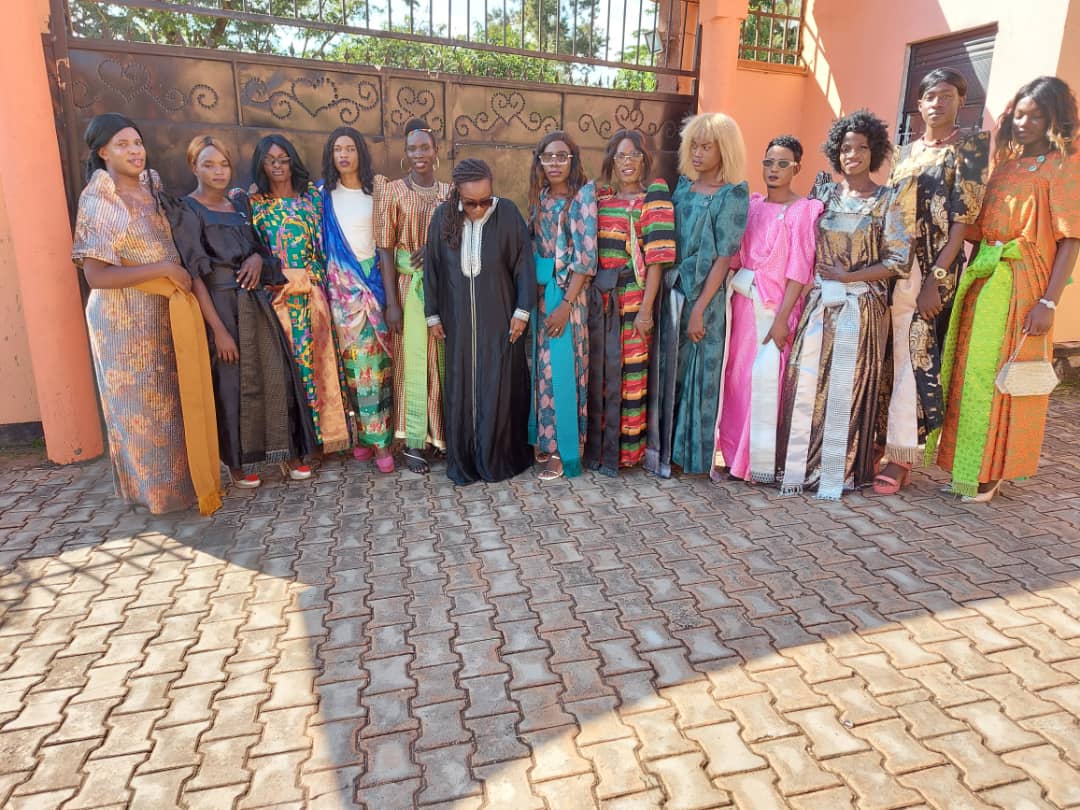
Founded in 2021 in Uganda, Talented Youth Community Fellowship (TAYCOF), is a faith-based, trans women-led organisation that was started by Maama Annet, Aggie Dennett Harmon, Isaac Bafaki and Deron Sheri to serve and uplift trans and gender diverse communities in Uganda. TAYCOF combines faith and activism to respond to the urgent needs of marginalised individuals. The organisation provides safe spaces, psychosocial support, economic empowerment, and community-centred advocacy and working to ensure that every person regardless of gender identity can live with dignity, purpose, and hope. The organisation was registered in June 2022.
Vision
A just, inclusive, and empowered society where trans and gender diverse people live freely, safely, and with dignity.
Mission
To improve the lives of trans and gender diverse people in Uganda by fostering resilience, empowerment, and leadership through access to resources, rights advocacy, and community-led solutions.
Objectives
To advocate for the protection and recognition of trans rights.
To provide safe spaces for trans women and gender diverse persons.
To advance access to healthcare, mental wellness, and justice.
To raise awareness about the lived realities and strengths of our community.
Areas of Work
Leadership and capacity building.
Shelter and safety.
Emergency housing and relocation support for trans women at risk.
Health and well-being.
Access to affirming healthcare and mental health services.
Advocacy programmes amplifying trans voices.
Legal aid and protection.
Supporting victims of violence and navigating legal systems.
2021 — Talented Youth Community Fellowship Uganda (TAYCOF) Founded, Uganda Founded in 2021 in Uganda, Talented Youth Community Fellowship (TAYCOF), is a faith-based, trans women-led organisation that was started by Maama Annet, Aggie Dennett Harmon, Isaac Bafaki and Deron Sheri to serve and uplift trans and gender diverse communities in Uganda. TAYCOF combines faith and […]
2021 — Founding of Living Free Initiative for Health Development and Rights Awareness, Nigeria
Founded in Nigeria in 2021 by Mx Cookie and Anthony Adole, Living Free Initiative for Health Development and Rights Awareness (Living Free Initiative) is a feminist, trans-led organisation that provides services for trans, intersex and non-binary people in the form of advocacy, legal awareness and digital campaigns. The organisation was registered in 2021.
Vision
A just and inclusive society where trans, queer, and gender-diverse people live freely, with full bodily autonomy, dignity, and equal access to rights, resources, and opportunities free from violence, discrimination, and systemic oppression.
Mission
To advance gender justice and human rights through feminist, trans-led, and community-driven approaches that provide protection, amplify voices, and build the leadership of marginalised communities. Living Free Initiative works to dismantle oppressive systems by strengthening access to justice, health, and safe spaces for trans and LGBTQ+ individuals.
Goals
Advance Gender Justice and Bodily Autonomy — Promote the rights of trans and gender-diverse people to make informed decisions about their bodies, health, and identities.
Strengthen Community Protection Systems — Improve access to legal, psychosocial, and safety support for individuals facing violence and discrimination.
Build Feminist Leadership and Collective Power — Support trans and queer individuals to lead advocacy, storytelling, and community initiatives.
Shift Harmful Norms and Narratives — Challenge patriarchy, stigma, and anti-gender movements through advocacy and public engagement.
Objectives
Increase access to paralegal and psychosocial support services for trans and LGBTQ+ individuals facing rights violations.
Deliver capacity-building programmes on GBV, SRHR, and safety strategies using feminist and rights-based approaches.
Create and sustain safe spaces and learning hubs that centre healing, leadership, and peer support.
Strengthen community-led advocacy to influence policies and improve protection mechanisms.
Build partnerships with human rights institutions and service providers to expand inclusive support systems.
Document and amplify lived experiences and stories ethically to influence change and visibility.
2021 — Founding of Living Free Initiative for Health Development and Rights Awareness, Nigeria Founded in Nigeria in 2021 by Mx Cookie and Anthony Adole, Living Free Initiative for Health Development and Rights Awareness (Living Free Initiative) is a feminist, trans-led organisation that provides services for trans, intersex and non-binary people in the form of […]
2 February 2021 — Voice of Togetherness (VOT) Founded, Uganda
Founded on 2 February 2021 by Kanyesigye Gloria, Voice of Togetherness (VOT) is a grassroots non-profit organisation located in Mbarara City in western Uganda, and focuses on human rights awareness for intersex people. The organisation was registered on 12 December 2023. VOT’s primary focus is to raise awareness and educate Ugandans about Differences in Sex Development (DSD). Through a combination of media initiatives and community outreach programmes, the organisation strives to bring about positive change and engagement with intersex human rights issues within Ugandan society.
Vision
A Uganda where intersex persons are respected, supported, and empowered to live fulfilling lives, free from stigma and discrimination.
Mission
To empower intersex persons in the western region through advocating for their health, well-being, and rights by creating awareness about intersex needs through impactful media campaigns and community engagement, conducting research and documentation while fostering social support and economic employment.
Goal
To establish a network of comprehensive health services accessible to rural intersex individuals, including case identification, referrals, and psychosocial support, while concurrently conducting impactful media campaigns and community outreaches to raise awareness of intersex issues and rights in Uganda.
Objectives
To promote access to comprehensive health services for intersex persons in the Ankole region, tailored to the specific needs.
To empower intersex individuals.
Capacity building and organisational development.
Contribution to knowledge base, research initiatives, and knowledge sharing.
To advocate for the rights of intersex persons through conducting initiatives, strategic partnerships, and networking.
2 February 2021 — Voice of Togetherness (VOT) Founded, Uganda Founded on 2 February 2021 by Kanyesigye Gloria, Voice of Togetherness (VOT) is a grassroots non-profit organisation located in Mbarara City in western Uganda, and focuses on human rights awareness for intersex people. The organisation was registered on 12 December 2023. VOT’s primary focus is […]
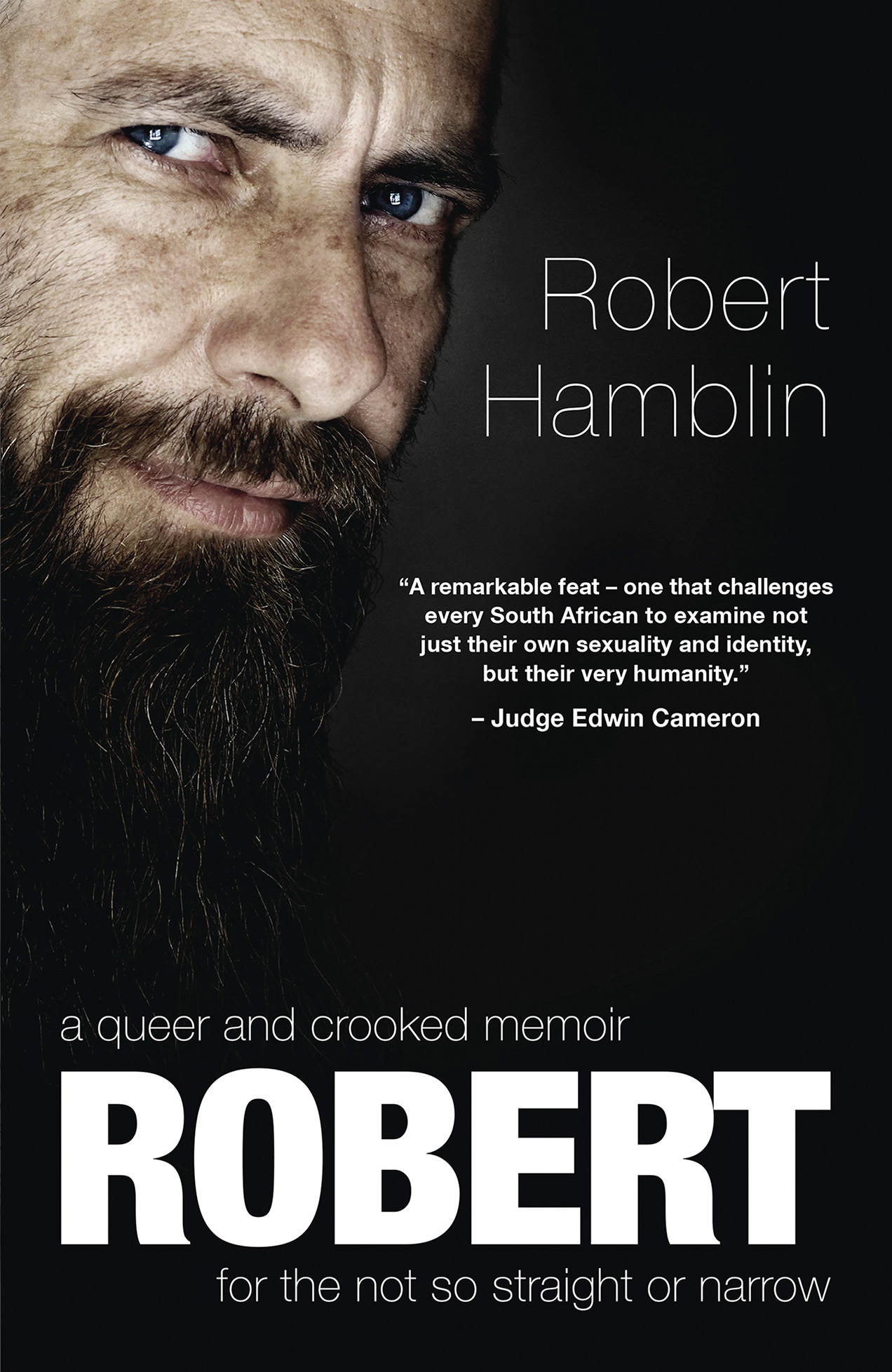
“traverses a childhood peppered with a cast of unique and marginalised characters. At the centre is Billy, his flamboyantly queer conman father and the mysterious, seductive Alexis. Robert’s childhood self is twisted in a confusing gender identity crisis. Being a girl does just not sit well for him. Alexis seduces his teenage self in an attempt to teach him how to be a woman. As he grows more obsessed, he loses her to the underbelly of Joburg’s strip clubs. Although Robert transitions from female to male, this is not a predictable trans-story of someone trapped in the wrong body. Rather, a tale of a human who refuses to live in a box and who questions the straight trajectory. Through excavating his past, Robert confronts and begins healing from racism and the confines of gender.” (Source: https://www.roberthamblin.net/robert-a-queer-crooked-memoir)
Robert A. Hamblin is an artist, published author, afab-feminist and parent. His art flounces around gender and bodily things. He seeks a reconnection with nature for queer people. His fine art work is concerned with masculinity, power, whiteness and the performance of these constructs. Hamblin’s conceptually driven, painterly photographic works have been exhibited locally and internationally. He has received critical acclaim for his compelling works that contribute to debates around body politics in a post-apartheid era. South African Supreme Court Justice Edwin Cameron described Robert’s memoir as “A remarkable feat that challenges people to examine not just their own sexuality and identity but their very humanity.” Robert was a founding board member of Gender Dynamix, and later years the Advocacy Manager.
21 February 2021 — Publication of Trans Memoir, “Robert: A Queer & Crooked Memoir for the not so Straight & Narrow” by Robert Hamblin, South Africa Published in February 2021 by Jacana Media, Robert Hamblin’s “Robert: A Queer & Crooked Memoir for the not so Straight & Narrow” became the fourth South African trans memoir […]
March 2021 — Founding of Botswana Trans Initiative (BTI), Botswana
Founded in March 2021 by co-founder Mogomotsi Nelly Thobega and Sputla Mogorosi, Botswana Trans Initiative (BTI) began its journey in as a small, grassroots support group for transgender and gender-diverse persons in Botswana. With a deep commitment to human rights and social justice, sought to create a safe and inclusive space for people navigating the challenges of being trans in a largely conservative society. Recognising the urgent need for a more unified and structured approach to addressing the systemic barriers faced by the trans and gender-diverse community, the founders quickly began building a collective movement.
Over time, the support group grew, with more individuals joining in search of solidarity, understanding, and advocacy. This growth underscored the profound need for an organised platform that could not only support trans and gender-diverse persons but also challenge the societal and legal frameworks that perpetuate discrimination and exclusion. In February 2024, this vision came to life when the organisation was officially registered, marking a significant milestone in the journey toward building a safer and more inclusive Botswana for transgender and gender-diverse persons.
Vision
By 2036, a Botswana where trans and gender diverse persons live in dignity and self-determination, with full access to their human rights, services and protected livelihoods.
Mission
To advance equity dignity, recognition and acceptance of trans and gender diverse people in Botswana through social justice advocacy and with an intersectional human rights approach.
Goals
To advance the human rights of transgender and gender-diverse individuals in Botswana by advocating for their protection and inclusion in all areas of society, raising public awareness, and influencing public policy to eliminate discrimination and fostering dignified livelihoods and ensure equity.
To achieve comprehensive legal reforms in Botswana that protect and promote the rights of transgender and gender-diverse individuals, including the drafting, passage, and implementation of anti-discrimination laws and policies that ensure equal treatment under the law.
To build a strong, cohesive, and resilient movement for transgender and gender-diverse rights in Botswana by empowering individuals, fostering leadership, and creating networks that can effectively advocate for change at both the local and national levels.
To enhance the understanding of transgender and gender-diverse issues in Botswana by conducting and disseminating research, collecting data, and producing knowledge that informs advocacy, policy-making, and public awareness efforts.
March 2021 — Founding of Botswana Trans Initiative (BTI), Botswana Founded in March 2021 by co-founder Mogomotsi Nelly Thobega and Sputla Mogorosi, Botswana Trans Initiative (BTI) began its journey in as a small, grassroots support group for transgender and gender-diverse persons in Botswana. With a deep commitment to human rights and social justice, sought to […]
March 2021 — Founding of Trans Guardians Alliance (TGA), South Africa
Founded in March 2021 by a trans man, Donwell Mpofu, Trans Guardians Alliance (TGA) is a South African organisation working with LGBTQIA+ migrants and asylum seekers, with a particular focus on trans individuals and LGBTQIA+ parents and their children. The organisation provides holistic support services for displaced LGBTQIA+ migrants, including emergency shelter, access to healthcare and documentation, psychosocial support, early childhood education, and advocacy for inclusive migration and protection frameworks. TGA was registered in October 2021 as a non-profit organisation.
Vision
A South Africa where displaced LGBTQIA+ people can live freely, safely, and with dignity, enjoying equal access to rights, services, and opportunities.
Mission
To protect, support, and empower displaced LGBTQIA+ communities through direct services, advocacy, and the creation of safe, affirming spaces for healing, growth, and leadership.
Founder and Executive Director, Donwell Mpofu
Goals/Objectives
Provide life-saving shelter and basic support to displaced LGBTQIA+ individuals.
Advocate for inclusive migration policies and practices.
Strengthen the capacity and visibility of trans and queer refugees.
Support LGBTQIA+ parents and children through inclusive early childhood education and family-centred services.
Focus Areas
Emergency shelter and support services.
Early childhood education (Talent Smufferttes Day Care Center).
March 2021 — Founding of Trans Guardians Alliance (TGA), South Africa Founded in March 2021 by a trans man, Donwell Mpofu, Trans Guardians Alliance (TGA) is a South African organisation working with LGBTQIA+ migrants and asylum seekers, with a particular focus on trans individuals and LGBTQIA+ parents and their children. The organisation provides holistic support […]
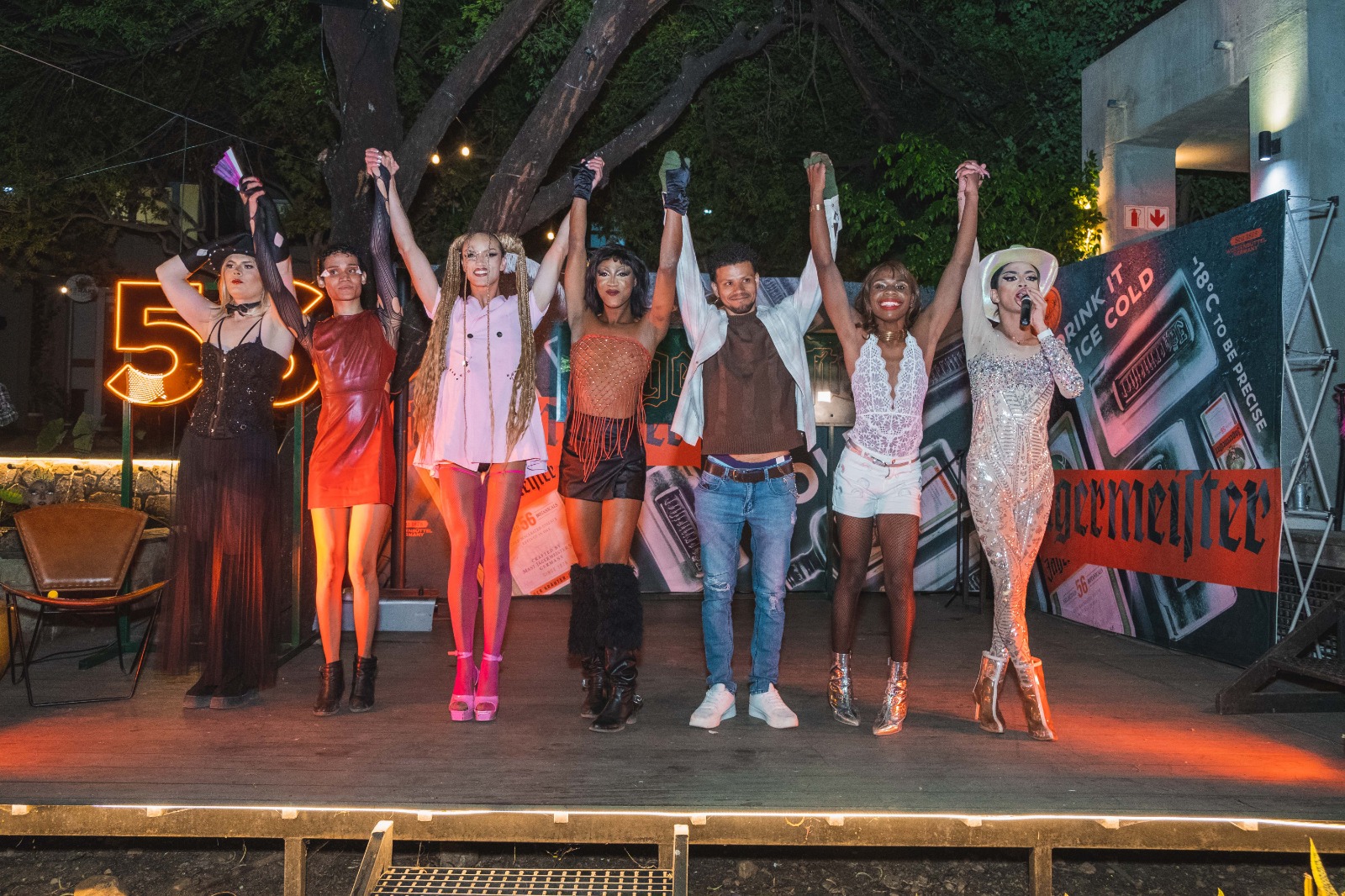
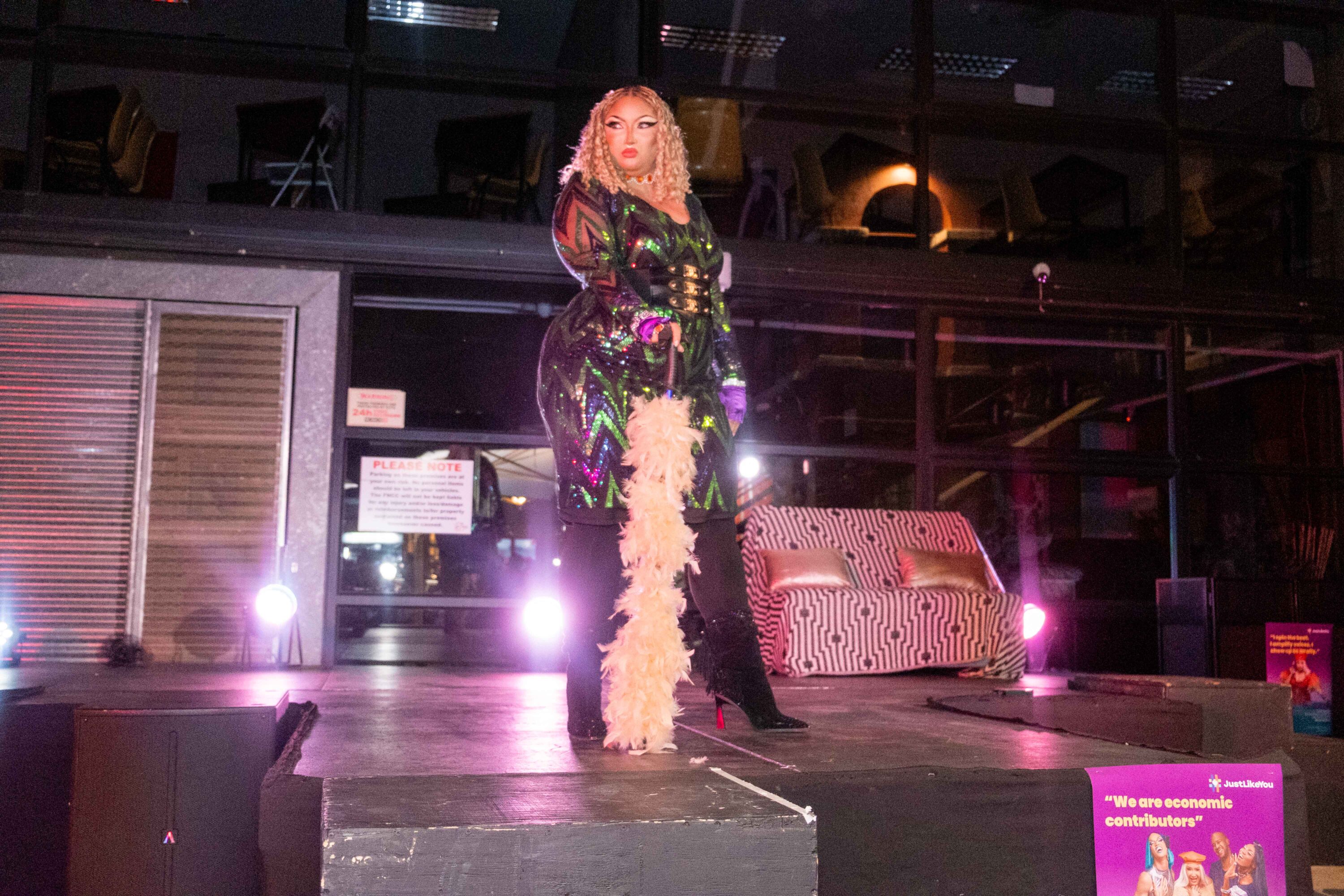
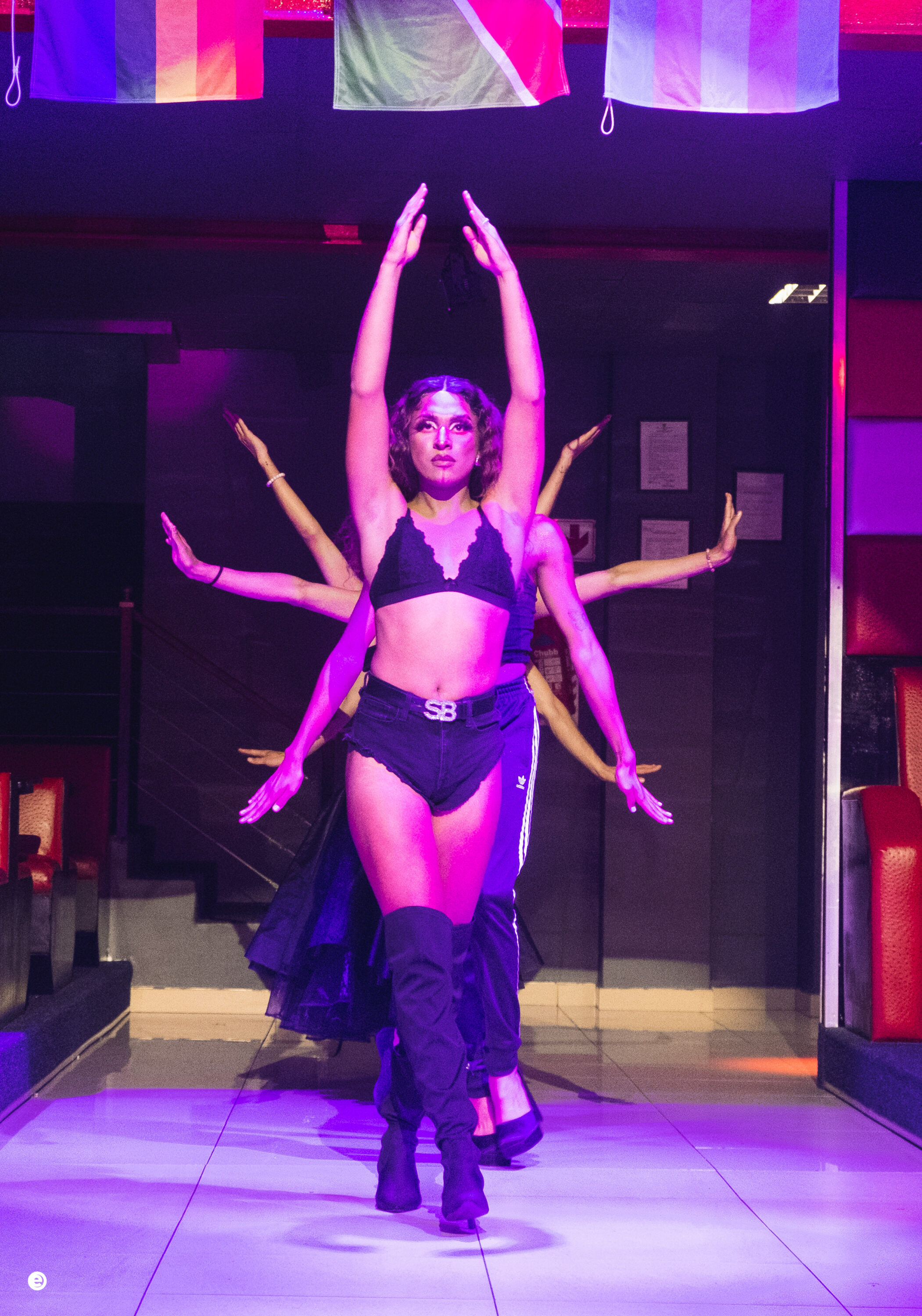
Founded in Namibia in March 2021 by Miss Mavis Dash, Gigi Has Arrived and Mo’Nick Critique, Drag Night Namibia is an LGBTQI+ arts and community organisation that uses drag, performance, music, fashion, and ballroom culture as tools for visibility, empowerment, advocacy, and social inclusion. The organisation creates safer and affirming spaces for queer creatives and community members through live events, workshops, artistic development programmes, and regional collaborations. The organisation works with queers, allies and cisgender heterosexual Namibians and World Citizens, and the movable middle.
Its core work includes:
Producing drag shows, ballroom/vogue events, and queer-centred cultural programming;
Supporting emerging LGBTQI+ performers, artists, DJs, designers, and entertainers through mentorship and performance opportunities;
Using artistic activism to challenge discrimination and increase LGBTQI+ visibility in Namibia and across Southern Africa;
Facilitating workshops and skills-development initiatives in areas such as performance, makeup artistry, fashion, MCing, and creative production;
Building regional and international partnerships that strengthen queer artistic exchange and transnational solidarity;
Creating community-driven platforms that promote dignity, inclusion, mental wellbeing, and creative expression for LGBTQI+ individuals.
Through projects such as Drag & Vogue Beyond Borders, Drag Night Namibia has also expanded its work into regional advocacy, international cultural exchange, and cross-border collaboration, positioning drag and ballroom culture as important tools for storytelling, resistance, and community-building in Africa.
The organisation is registered in Namibia and is currently led by Rodelio Lewis aka Miss Mavis Dash, Founder and Co-CEO, and Lize Ehlers aka DJ Rise Elders Co-CEO & Technical Director Drag Night Namibia.
Vision
The vision of Drag Night Namibia is to build a vibrant, inclusive, and empowered society where LGBTQI+ individuals, especially queer artists and performers, are free to express themselves safely, authentically, and creatively without fear of discrimination or exclusion. The organisation envisions a Namibia, and broader African creative landscape where drag, ballroom, and queer artistic expression are recognised as powerful forms of culture, storytelling, activism, and community healing. Through artistic excellence, visibility, and regional collaboration, Drag Night Namibia aims to create sustainable platforms that uplift LGBTQI+ voices, celebrate diversity, and inspire social change across communities and borders.
Mission
The mission of Drag Night Namibia is to create safe, inclusive, and empowering platforms for LGBTQI+ individuals through drag, ballroom, music, fashion, and performance arts, while advancing visibility, dignity, community wellbeing, and artistic freedom in Namibia and beyond. A central part of the organisation’s mission is to expand economic access and inclusion for queer performers and creatives who have historically faced discrimination, unemployment, exclusion, and limited professional opportunities. Drag Night Namibia works to ensure that artists are not only celebrated culturally, but are also able to access paid performance opportunities, professional development, mentorship, regional collaborations, and sustainable creative income streams.
Through events, workshops, partnerships, productions, and advocacy initiatives, the organisation seeks to:
Develop and promote LGBTQI+ talent;
Create pathways toward financial empowerment within the creative industry;
Support entrepreneurship and artistic careers for queer creatives;
Build sustainable platforms where performers are compensated fairly and professionally;
Strengthen representation and ownership of queer African narratives within arts and culture spaces.
By combining artistic activism with economic empowerment, Drag Night Namibia aims to contribute toward a more inclusive creative economy where LGBTQI+ performers can thrive both socially and financially.
Main objectives
The goals and objectives of Drag Night Namibia are centred around artistic empowerment, LGBTQI+ visibility, community development, and economic inclusion through creative expression and performance culture.
Key goals and objectives include:
To create safe and inclusive spaces Establish affirming environments where LGBTQI+ individuals can freely express themselves through drag, ballroom, music, fashion, and performance arts without fear of discrimination or exclusion.
To increase LGBTQI+ visibility and representation Promote positive and authentic representation of queer identities in Namibia and across Africa through public performances, cultural programming, media engagement, and artistic activism.
To support artistic and professional development Provide mentorship, training, workshops, and performance opportunities that strengthen the creative, technical, and leadership skills of emerging and established queer artists.
To advance economic empowerment for performers Create pathways for LGBTQI+ creatives to access paid opportunities, sustainable income streams, entrepreneurship, and professional growth within the arts and entertainment industries.
To strengthen drag and ballroom culture in Namibia Preserve, develop, and celebrate drag and ballroom as important forms of African queer cultural expression, storytelling, and community-building.
To build regional and international partnerships Foster collaborations with organisations, festivals, activists, artists, and cultural institutions that support cross-border solidarity, exchange, and advocacy.
To use art as a tool for advocacy and social change Challenge stigma, discrimination, gender-based exclusion, and harmful social narratives through creative expression, dialogue, and community engagement.
To empower LGBTQI+ youth and marginalised communities Support young queer people and vulnerable creatives by creating opportunities for participation, leadership, confidence-building, and belonging within creative spaces.
To contribute toward a more inclusive creative industry Advocate for greater access, recognition, and fair treatment of LGBTQI+ artists within Namibia’s cultural, entertainment, and creative sectors.
To create sustainable community-driven programming Develop long-term artistic and community initiatives that continue to uplift queer voices, strengthen networks, and promote collective wellbeing across Namibia and the region.
Focus areas
The focus and thematic areas of Drag Night Namibia centre on LGBTQI+ visibility, artistic activism, creative empowerment, community wellbeing, and economic inclusion through drag, ballroom, music, fashion, and performance culture.
1. Drag and Performance Arts Development
Drag Night Namibia creates platforms for drag artists, performers, DJs, vocalists, and entertainers to showcase and develop their talents through live productions, competitions, showcases, and mentorship initiatives. These programmes strengthen professional opportunities for LGBTQI+ creatives while increasing queer representation within Namibia’s arts sector.
2. Ballroom and Vogue Culture
The organisation actively supports the growth of ballroom and vogue culture in Namibia by creating learning spaces, performance opportunities, workshops, and regional exchange programmes connected to the African ballroom community. This work promotes self-expression, confidence-building, identity affirmation, and community solidarity among queer youth and performers.
3. LGBTQI+ Visibility and Advocacy
Through artistic activism, public engagement, storytelling, and cultural programming, Drag Night Namibia challenges discrimination and promotes greater social inclusion for LGBTQI+ individuals. Performances and public events are used as tools for dialogue, awareness-building, and human rights advocacy.
4. Economic Empowerment and Creative Inclusion
A major focus area is creating economic access for LGBTQI+ performers and creatives who often face barriers to employment and financial stability. The organisation provides paid performance opportunities, skills development, mentorship, production experience, and access to regional and international artistic networks.
5. Youth Development and Skills Training
Drag Night Namibia facilitates workshops and educational programmes focused on MCing, makeup artistry, lip-sync performance, fashion design, stagecraft, music, branding, and creative entrepreneurship. These initiatives help emerging artists develop both artistic and professional skills.
6. Regional and International Cultural Exchange
Through projects such as Drag & Vogue Beyond Borders, the organisation builds partnerships with regional and international LGBTQI+ organisations, festivals, artists, and advocacy spaces. These collaborations strengthen transnational solidarity and increase visibility for Namibian queer creatives globally.
Trans and gender-diverse inclusion
Drag Night Namibia is deeply committed to creating affirming and empowering spaces for trans and gender-diverse performers within Namibia’s LGBTQI+ community. Trans artists continue to play a central role in the organisation’s programming, leadership, and visibility efforts.
Notable trans and gender-diverse performers within the Drag Night Namibia community include Coco, Miss Diamond and Queen Cleopatra. These artists have contributed significantly to the growth of drag and ballroom culture in Namibia through performance, mentorship, representation, and community engagement. Their participation within Drag Night Namibia initiatives has helped increase visibility for trans performers while challenging stigma and exclusion faced by gender-diverse individuals in both artistic and public spaces.
The organisation continues to prioritise inclusive participation, safer creative spaces, leadership opportunities, and professional development pathways for trans performers as part of its broader commitment to dignity, representation, and equality within the arts and entertainment industry.
Watch our interview with Drag Night Namibia founders, Rodelio Lewis aka Miss Mavis Dash, Founder and Co-CEO, and Lize Ehlers aka DJ Rise Elders, 12 June
March 2021 — Drag Night Namibia Founded, Namibia Founded in Namibia in March 2021 by Miss Mavis Dash, Gigi Has Arrived and Mo’Nick Critique, Drag Night Namibia is an LGBTQI+ arts and community organisation that uses drag, performance, music, fashion, and ballroom culture as tools for visibility, empowerment, advocacy, and social inclusion. The organisation creates safer […]
31 March 2021 — Trans-Arc-En-Ciel Guinée Founded, Guinea (Guinea-Conakry)
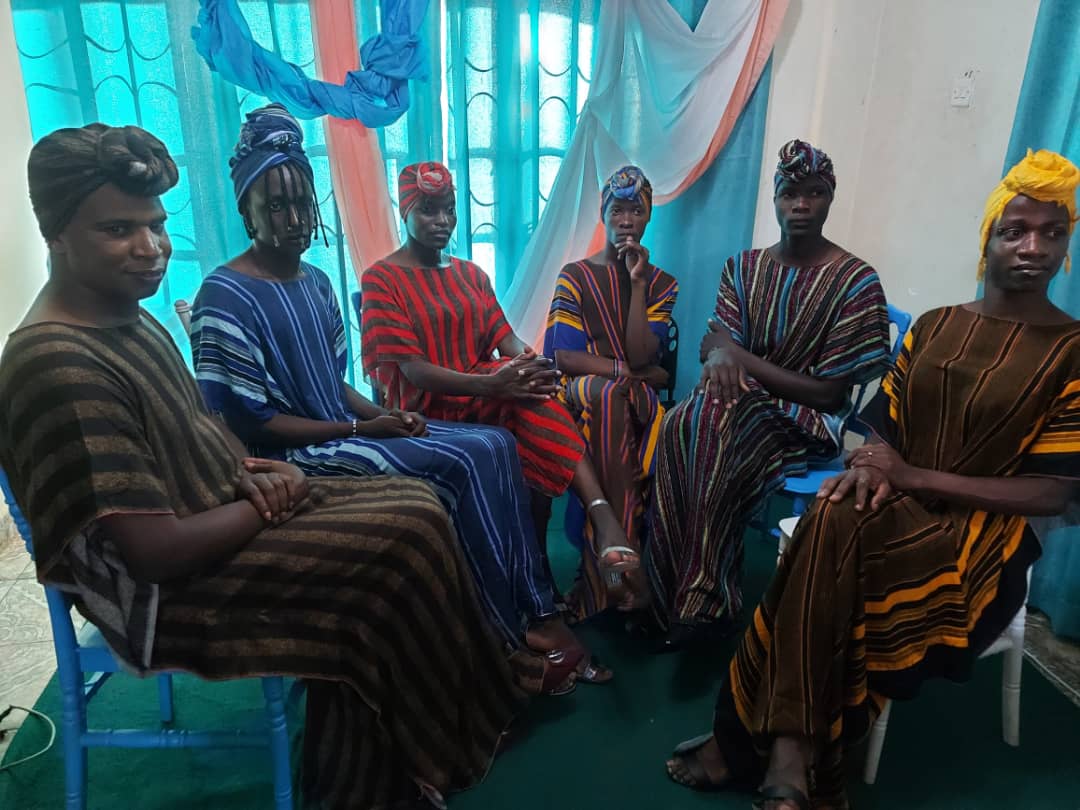
Based in Guinea (Guinea-Conakry), Trans-Arc-En-Ciel Guinée was founded on 31 March 2021 by Binette, Mimi, Christine and Rubi. It is a non-governmental, non-profit association of transgender women which campaigns for the recognition and respect of their rights, access to equitable care and economic empowerment of trans women in the Republic of Guinea. Translated from the French, “Arc-En-Ciel” means ‘rainbow’.
Background
Trans-Arc-En-Ciel Guinée was born from the need to fight against the exclusion of transgender people who have a particular lifestyle and whose needs in terms of health, employment and rights differ from those of other key populations. The organisation is led by trans women, based on the strong belief that trans women are best placed to work with:
issues related to their health and education,
sharing of experiences linked to stigma and discrimination,
identification of priorities in terms of capacity building,
the study of human rights mechanisms to better defend themselves within United Nations organisations,
and the setting up of projects and creation of income-generating activities for their financial independence in order to provide trans women with alternatives to sex work and the dangers that they face as sex workers.
The organisation is yet to be registered as they are unable to obtain registration from organisations that register NGOs in Guinea due to the severe penalisation of LGBT people and organisations in the country by the State.
Vision
To see the transgender community united, autonomous, and living in a Guinean society where gender identity is fully respected in all aspects of life. To see trans women benefit from STI/HIV/AIDS prevention services, and have access to equitable care for other diseases and healthcare needs.
Mission
To protect trans women from contracting HIV/AIDS and other sexually-transmitted infections by engaging in community mobilisation, developing economic empowerment and capacity building programmes, and by promoting and monitoring the respect of their human rights.
Objectives
The objectives of Trans-Arc-En-Ciel Guinée are, among others, to
Address the physical and psychological health of transgender people, improve access to equitable healthcare, participate in the fight against -HIV/AIDS, stigma, discrimination, rejection and violence towards them.
Respect human rights, particularly those concerning transgender people.
Contribute to improving the quality of life of transgender people towards economic empowerment through income-generating activities.
Provide capacity building to members of the association in terms of knowledge and skills at different levels in order to support the actions and objectives to be achieved.
Social reintegration and social protection of transgender people.
Support the review of laws that include discriminatory measures against key populations, particularly transgender people.
31 March 2021 — Trans-Arc-En-Ciel Guinée Founded, Guinea (Guinea-Conakry) Based in Guinea (Guinea-Conakry), Trans-Arc-En-Ciel Guinée was founded on 31 March 2021 by Binette, Mimi, Christine and Rubi. It is a non-governmental, non-profit association of transgender women which campaigns for the recognition and respect of their rights, access to equitable care and economic empowerment of trans […]
April 2021 — Founding of Dreams Liberation, Nigeria
Founded in Nasarawa State, Nigeria in April 2021 by Lashawn Samuel, Dreams Liberation provides services to trans and gender diverse people, and specifically trans women as they suffer most from violence, stigma and discrimination in Nigeria. Dreams Liberation’s work entails, among other projects, advocacy with stakeholders regarding policy change, and public sensitisation to create an inclusive society for trans people in Nigeria.
Vision
For trans and gender diverse people in Nasarawa State Nigeria to live with dignity, safety, voice, and stronger collective power.
Mission
To promote the safety, dignity, rights, and inclusion of trans and gender-diverse people through community support, advocacy, and leadership development.
Founder and Executive Director, Lashawn Samuel
Goals
To strengthen the protection, inclusion, visibility, and well-being of trans and gender diverse communities through
community organising,
peer support,
advocacy,
issuing documentation,
partnership-building, and
leadership development.
This includes identifying risks early, responding to misinformation and stigma, supporting individuals facing exclusion or violence, and creating safer pathways to services, protection, and solidarity.
Focus areas
The organisation’s current activities focus on community organising, peer support, advocacy, issue documentation, and relationship-building with trusted partners. These efforts help identify risks early, respond to misinformation and stigma, support people facing exclusion or violence, and create safer pathways to services and solidarity. In the next phase, the organisation aims to deepen this work through more structured community engagement, protection-minded advocacy, stronger documentation of anti-gender trends, and leadership development for trans organisers.
April 2021 — Founding of Dreams Liberation, Nigeria Founded in Nasarawa State, Nigeria in April 2021 by Lashawn Samuel, Dreams Liberation provides services to trans and gender diverse people, and specifically trans women as they suffer most from violence, stigma and discrimination in Nigeria. Dreams Liberation’s work entails, among other projects, advocacy with stakeholders regarding […]
30 April 2021 — 3 femmes trans agressées à Cotonou / 3 Trans Women Attacked in Cotonou, Benin
En avril 2021, trois femmes transgenres, Kani, Fati et Jennifer, ont été agressées par un groupe d’hommes dans un bar de Cotonou, au Bénin. Elles ont été forcées de se déshabiller, puis battues et volées. L’agression a été filmée par les agresseurs et partagée sur les réseaux sociaux. Les femmes ont déclaré à Amnesty International que l’agression avait été planifiée par une personne qu’elles pensaient être leur amie. Le tribunal de première instance de Cotonou a condamné l’un des auteurs à 12 mois de prison.
In April 2021, three trans women, Kani, Fati and Jennifer, were attacked by a group of men in a bar in Cotonou, Benin. The women were forced to strip naked and then beaten and robbed. The attack was filmed by the attackers and shared on social media. The women told Amnesty International that the attack was planned by someone they thought was their friend. The Cotonou Court of First Instance sentenced one of the perpetrators to 12 months in prison.
Fabien Offner, chercheur sur l’Afrique de l’Ouest à Amnesty International, a déclaré
« Cette dernière attaque constitue une violation flagrante des droits consacrés par la Charte africaine des droits de l’homme et des peuples et par la Constitution du Bénin, auxquels tout individu a droit. »
Amnesty International’s West Africa Researcher, Fabien Offner, said
“This latest attack is a clear violation of the rights enshrined in the African Charter on Human and Peoples’ Rights and the Constitution of Benin, to which all individuals are entitled.”
Ce n’est pas la seule agression contre des femmes transgenres au Bénin recensée par Amnesty International. Selon l’article de l’organisation sur cette agression et les suivantes :
Dans son rapport 2020-2021 sur la situation des droits humains au Bénin, la Commission béninoise des droits humains a qualifié la situation des personnes LGBTI dans le pays de « préoccupante » et a déclaré que des « agressions physiques et sexuelles, des détentions arbitraires, des actes de torture et des traitements inhumains et dégradants » avaient été infligés aux personnes LGBTIQ+ ces dernières années.
« Les personnes LGBTI sont souvent victimes de violences et de menaces au Bénin, et ce malgré des avancées significatives ces dernières années, comme la dépénalisation des relations entre personnes de même sexe dans le code pénal du pays en 2018.
Au Bénin, les personnes LGBTI sont souvent victimes de violences et de menaces. Et ce, malgré d’importantes avancées ces dernières années, comme la dépénalisation des relations entre personnes de même sexe dans le Code pénal du pays en 2018.»
“In its 2020-2021 report on the state of human rights in Benin, the Beninese Human Rights Commission described the situation for LGBTI people in the country as “worrying” and said “physical and sexual assaults, arbitrary detention, torture and inhuman and degrading treatment” had all been inflicted on LGBTIQ+ people in recent years.
LGBTI people are often victims of violence and threats in Benin. This is despite significant progressive developments in Benin in recent years, such as the decriminalization of same-sex relationships in the country’s penal code in 2018.”
30 April 2021 — 3 femmes trans agressées à Cotonou / 3 Trans Women Attacked in Cotonou, Benin En avril 2021, trois femmes transgenres, Kani, Fati et Jennifer, ont été agressées par un groupe d’hommes dans un bar de Cotonou, au Bénin. Elles ont été forcées de se déshabiller, puis battues et volées. L’agression a […]
June 2021 — Publication of ‘COVID-19: A Report on the Situation of Intersex People in Africa’
A report, ‘COVID-19: A Report on the Situation of Intersex People in Africa‘, authored by Obioma Chukwuike from Intersex Nigeria, was conducted between 12 October 2020, and 16 December 2020, and published in June 2021. The COVID-19 Report was part of a global study initiated by the global intersex committee, aiming to understand how the pandemic affected intersex individuals across different regions.
The findings from the Report paint a clear picture of the challenges intersex individuals faced during the crisis, including financial struggles, employment instability, lack of access to healthcare, increased mental health issues, and threats to personal safety. Many respondents reported losing jobs, struggling to afford basic needs, dropping out of school and facing discrimination in healthcare settings. Activism and community support also took a hit, with lockdowns limiting in-person organising.
The Report shows a community harshly affected by COVID-19, experiencing frustration about how to create a better future not only for themselves, but for the future generations as well. It highlights the need for targeted support, better healthcare access, and financial aid for intersex communities, especially during global crises.
The conclusion to the Report is as follows:
“The survey shows that intersex persons in Africa are experiencing a strong negative impact of the Covid-19 pandemic in regard to their financial situation, employment, access to health care facilities and continuous access to medication as well as their mental health and well-being, and safety seriously undermined.
The worsening of their financial situation caused by the pandemic strongly impacted the livelihoods of intersex persons in Africa. The responses show that most have lost sources of income either by loss of employment or closure of their businesses, leaving them in hand to mouth situations. Lockdowns and physical distancing enforced a drastic meltdown in income generation for intersex persons in Africa, exposing them to more hardship and added vulnerability besides the already existing hardships, the stigma and prejudices they faced before the pandemic. Personal safety is not guaranteed as many intersex people became victims of abuse, discrimination, and violent attacks, staying in hostile places with the person who hosted them during the pandemic or family members who are abusive towards them. Relocation would have been helpful, but it is only possible for those who have the means and resources to do so. In times of crisis, people who are part of a vulnerable minority are more likely to be victims of human rights violations. The response to ill-treatments from security personnel is also a reminder of inadequate security measures for intersex people in Africa. Unfortunately, intersex people cannot rely on protection by law enforcement agents, who also play a role in the victimization of minority populations. Trauma from insecurity and unsafe situations often trigger past negative memories as many intersex people have suffered stigma due to non-consensual treatments that pathologize their body or cultural beliefs that harm their bodies.
Public access to health services is difficult as many cannot access health care facilities. Some do not have the finance to seek good health care practitioners and medications they require to manage their health issues. Many have worsening health conditions that need urgent medical attention. With little or no access to health care facilities, the fate of these intersex persons becomes uncertain. In most hospitals in Africa, intersex persons have always had difficulties with medical practitioners. They are often subjected to medical trials, leaving them confused or traumatized by these experiences.
The pandemic is limiting the in-person interactions of activists and intersex people and the intersex movement. As a result, it has put severe barriers and obstacles to the recent and fast growth of the African intersex movement, platform building, awareness-raising, community building, and advocacy. The Covid-19 pandemic is a significant threat to the efforts of many activists and intersex-led organizations which operate with little human capacity and limited funding. It is highly worrying that efforts made over the past years, which put intersex work in Africa in the limelight, might fade away. Many activists have moved to the new reality of internet access to connect with stakeholders or intersex people. However, this is also challenging, as many intersex persons have indicated limited internet access or cannot afford it. In-person interactions are more effective in terms of positive engagements in events and creating a sense of belonging.
In all these uncertainties, intersex persons in Africa have shown strength in their hopes for a better tomorrow. Many have not lost hope that the pandemic will slow down and its negative impact would become less severe in the future. However, many stressed their situation would continue to worsen in terms of financial stability, safety, and health access if the society and government do not recognize their existence and rights by ensuring integration of intersex into the strategies and programs that will protect their human rights. They also marked the importance of championing more intersex activists and bringing sustainable advocacy and change in the society to dismantle the stigma, prejudice, and discrimination of intersex persons, while calling for increased funding for the intersex movement in Africa.”
June 2021 — Publication of ‘COVID-19: A Report on the Situation of Intersex People in Africa’ A report, ‘COVID-19: A Report on the Situation of Intersex People in Africa‘, authored by Obioma Chukwuike from Intersex Nigeria, was conducted between 12 October 2020, and 16 December 2020, and published in June 2021. The COVID-19 Report was […]
27 August 2021 — Report on the Intersex Pre-Conference from the Pan Africa ILGA 5th Regional Conference, South Africa
From 27–31 August 2021, Pan Africa ILGA hosted its 5th Regional LGBTQIA+ Conference. Titled ‘Reclaiming Our Past, Defining Our Future’, the Conference hosted more than 500 delegates and over 100 speakers from across the continent.
The Conference held a variety of Pre-Conferences, including an Intersex Pre-Conference. Our content contributor, Delphine Barigye, who was also the moderator for the Pre-Conference, wrote a report about the summaries from the Intersex Pre-Conference.
Report: The Intersex Pre-Conference at the Virtual Pan Africa ILGA (PAI) Regional Conference, 2021
“Our past is painful to reclaim, but as intersex persons we will definitely define our future.”
These words from a keynote speaker at the Intersex Pre-Conference echoed through the hearts of the attendees, setting the tone for a powerful discussion on intersex resilience in Africa.
The 2021 Pan Africa ILGA (PAI) 5th Regional Conference, under the theme of “Reclaiming Our Past: Defining Our Future”, held virtually from August 27 to 31, housed the Intersex Pre-Conference on the 27th. Initially, the Conference was planned to take place in Ghana in 2020, but was rescheduled and held virtually in 2021 due to the COVID 19 pandemic. The Intersex Pre-Conference, organised by the Support Initiative for People with Atypical Sex Development (SIPD), brought together over 20 intersex activists. The panel included renowned intersex advocates Mphatso Sakala, Ronnie Zuze, Sammie MacJessie and Obioma Chukwuike. Their contributions to the discussion revealed not only challenges but also remarkable resilience and innovation in the face of a global crisis.
The vision beyond the African Intersex Movement (AIM)’s inception
Mphatso Sakala from the Intersex Society of Zimbabwe (ISSZ), shared insights of the future of the African Intersex Movement (AIM). AIM was initiated to increase individual and organisational capacity of African intersex activists and organisations, not only to develop regional strategies and address human rights violations of intersex persons in Africa, but to also increase representation of African intersex persons in international forums. Mphatso noted that,
“AIM was started to put in place a strategic framework for organisational response to health and human rights violations faced by intersex people in Africa, develop capacity and structures to support and sustain positive change for intersex people and mobilise support for the movement.
The aim is to achieve contextual change in relation to African intersex movement building. It is ultimately hoped that AIM will provide a working approach for African intersex leaders pursuing similar goals, while addressing negative cultural norms, the livelihood needs of intersex persons and the need to legally recognise the existence of intersex persons across all African countries.”
AIM strategically laid out 5 goals and action points to achieve these aims with a clearly defined vision of:
“An African society that recognises, respects and protects the rights, autonomy and agency of intersex persons.”
Mental health and the intersex journey
Ronnie Zuze, the founder of Intersex Community of Zimbabwe (ICoZ) spoke about intersex people and their mental health. Many intersex persons face mental health challenges due to the unique challenges posed not only by the pressure from society to conform to the binary gender norms, but by identity struggles, non-consensual surgeries, stigma and discrimination in major aspects of life like health, education, employment and sports. Often, these issues are overlooked and yet take a toll on a person’s mental health, eventually leading to anxiety, depression or even trauma. The need to focus on the intersex individuals’ mental health is greater than ever before. The Pre-Conference concluded that efforts should be directed to promoting healing, resilience, and empowerment of individuals to reclaim their past.
Ripple effects of COVID 19 on intersex funding
Sammie MacJessie from the Ivy Foundation in Malawi, the Coordinator of AIM, and Obioma Chukwuike from Intersex Nigeria, the Board Chairperson of AIM, shared insights about the effects of inadequate funding and COVID 19 on intersex organising in Africa, especially in their home countries, Malawi and Nigeria respectively. They shared that the impact of COVID 19 on the intersex community was profound. The panelists spoke about how the pandemic changed their lives and how it put strain on their work with community members, especially in relation to access to healthcare and support services. One panelist highlighted that,
“It is already difficult enough to try and get inclusive and non-discriminatory healthcare as it is in a free world. COVID greatly increased this and many of us were left in a world without essential care.”
The other challenges discussed ranged from disrupted advocacy and awareness campaigns, where vital in-person interactions were no longer possible due social distancing, financial challenges and the difficulty of keeping up with digital transformation. While the shift to digital communication posed challenges, especially in local spaces where intersex individuals hardly even own a smart phone, it opened up a new era where intersex organising would go worldwide.
Learnings from the Pre-Conference
The intersex community is still mainly funded by the same donors who are stretched and not focused on the distinct needs of the intersex community.
The still prevailing lack of awareness about intersex people and their lives has only worsened the effects of the pandemic on intersex persons, including their mental health.
The focus on intersectionality in LGBTIQ+ rights advocacy work has also contributed to the invisibility of intersex people.
The next step for AIM would be to establish a secretariat for better coordination, visibility and representation.
Call to action
Funders need to engage with intersex organisations and support them in the struggle for visibility, increase their capacity and seriously consider mental health as a funding criteria.
National governments have to address the concerns raised by the intersex movement and create adequate solutions in direct collaboration with intersex representatives and organisations.
Human rights organisations need to contribute to building bridges with intersex organisations and build a basis for mutual support and meaningful engagement.
Community leaders should engage in intersex education to dispel misconceptions and stigma surrounding intersex people and their families.
Traditional and religious leaders need to stop harmful cultural practices, such as tradition-led mutilations and killings of intersex people.
National, regional and international human rights institutions have to take intersex issues on board and provide visibility to intersex people and the violations they face.
27 August 2021 — Report on the Intersex Pre-Conference from the Pan Africa ILGA 5th Regional Conference, South Africa From 27–31 August 2021, Pan Africa ILGA hosted its 5th Regional LGBTQIA+ Conference. Titled ‘Reclaiming Our Past, Defining Our Future’, the Conference hosted more than 500 delegates and over 100 speakers from across the continent. The […]
28 August 2021 — 26-Year-Old Trans Man Dies As a Result of Complications from Illegal Gender Reassignment Surgery Due to Years-Long Government Process, Egypt
28 August 2021 — 26-Year-Old Trans Man Dies As a Result of Complications from Illegal Gender Reassignment Surgery Due to Years-Long Government Process, Egypt
A 26-year-old man died on the 28th of August 2021 due to complications from an illegal gender reassignment surgery. Ezz Eddin underwent a hysterectomy at a private hospital in Dokki, Giza, where he had chosen to have the surgery, even though the hospital was unauthorised to perform gender reassignment surgery. As the hospital performed the surgery illegally, they discharged Ezz the same day instead of keeping him for observation. After discharge, Ezz fell ill, returned to the hospital for a follow-up, fell into a coma and died.
Lawyer Nesma al-Khatib, who was in contact with Ezz Eddin before his death, told Mada Masr that his family has not pressed any legal charges in relation to his death because they did not support Ezz Eddin’s transition. Doctors Syndicate council member Ibrahim al-Zayat also said that it would be impossible to file a lawsuit to seek justice for Ezz Eddin’s death since there is no proof that the doctor performed the procedure to begin with.
People wishing to have sex reassignment surgery in Egypt have to go through long, complex procedures. They must first apply to the Sex Reassignment Committee at the national Doctors Syndicate, which subjects applicants of the procedure to a series of physical tests. Each case is then reviewed by urologists and gynecologists, and is finally referred to a psychotherapist. The mental assessment process generally takes no less than two years during which time psychologists assess the case and have a say in whether it is “necessary” or not to refer the applicant for surgery. A seven-member committee made up of doctors and one representative from the religious institution of Al-Azhar will make a final decision about whether or not to approve the candidate’s application for surgery.
If approved, the applicant can have surgery at the state’s expense at a public hospital such as Al-Hussein University Hospital, Demerdash or Qasr al-Aini, or at a private hospital, and will be able to acquire the documentation needed to alter the sex recorded in their official documents.
Zayat told Mada Masr that, in practice, the Doctors Syndicate’s committee has not met for years because the Al-Azhar representative refuses to attend, putting thousands of applicants in limbo on a waiting list.
“Ezz Eddin and others [like him] are victims of the lack of safe options to exercise their right to transition. There are people who don’t die, but may suffer permanent disabilities as a result of undergoing the procedures in untrustworthy places,” Khatib said.
28 August 2021 — 26-Year-Old Trans Man Dies As a Result of Complications from Illegal Gender Reassignment Surgery Due to Years-Long Government Process, Egypt A 26-year-old man died on the 28th of August 2021 due to complications from an illegal gender reassignment surgery. Ezz Eddin underwent a hysterectomy at a private hospital in Dokki, Giza, […]
12 November 2021 — Trans Woman Wins Case Against Police, Namibia
On Friday 12 November 2021, Mercedez von Cloete won her case in the Namibian High Court against the Minister of Safety and Security after being unlawfully arrested and assaulted by a police officer on 6 July 2017. She accused the plain-clothes officer, Constable Kavari, of throwing her into a police vehicle outside a fast-food restaurant in Windhoek. She further claimed that he punched and kicked her, and called her a ‘moffie’ (Afrikaans for homosexual). The incident was caught on CCTV cameras. According to a Mambaonline article about the case, Von Cloete further alleged that officers witnessing the assault did nothing to aid her.
Mercedez von Cloete, after her court victory. Source: Mambaonline.
Von Cloete was never charged with a crime. Von Cloete’s lawyer argued that she was the victim of a hate crime and that she was targeted because she is transgender.
“[The judgement] has made me a little more optimistic and hopeful that justice does, in fact, exist in Namibia. And whoever it is that has been subjected to cruel treatment or unfair treatment should not be afraid to also go and take the necessary steps possible to also get their day in court.”
In this video, Von Cloete speaks about her experiences and advocates for trans rights in Namibia.
In 2024, Von Cloete became the first trans woman to act as master of ceremonies at the annual Miss Namibia preliminary pageant:
12 November 2021 — Trans Woman Wins Case Against Police, Namibia On Friday 12 November 2021, Mercedez von Cloete won her case in the Namibian High Court against the Minister of Safety and Security after being unlawfully arrested and assaulted by a police officer on 6 July 2017. She accused the plain-clothes officer, Constable Kavari, […]
Janvier 2022 —Création de Féministes Dynamiques Trans-Actions+, Bénin / January 2022 — Founding of Dynamic Feminists Trans-Actions+, Benin
Fondée en janvier 2022, Féministes Dynamiques Trans-Actions+, anciennement connu sous le nom de Féministes Dynamiques Trans-Actions LBQ+ (FDTA-LBQ+) avant 2026, est une organisation à but non lucratif au Bénin travaillant principalement avec les filles et femmes lesbiennes, les femmes bisexuelles, les femmes trans, les femmes queer, les travailleuses du sexe, les filles et femmes en situation de vulnérabilité, les hommes trans, et les jeunes minorités de sexe, de genre et d’orientation sexuelle. L’enregistrement de l’organisation est en cours.
L’organisation travaille principalement à promouvoir les droits, la visibilité et le pouvoir des femmes et personnes LBTQ+ à travers :
la formation et le renforcement de capacités,
le plaidoyer féministe et communautaire,
l’accompagnement juridique,
la recherche-action,
la création d’espaces sûrs,
la mobilisation de ressources,
l’éducation aux droits humains,
l’accompagnement des femmes analphabètes dans l’informatique et la connaissance de leurs droits,
le soutien aux femmes en situation d’urgence, notamment pour leur relocalisation, et
le travail sur l’accès à l’avortement sécurisé au Bénin.
Founded in January 2022, Dynamic Feminists Trans-Actions+, formerly known as Dynamic Feminists Trans-Actions LBQ+ (FDTA-LBQ+) before 2026, is a non-profit organisation in Benin working primarily with lesbian, bisexual, trans and queer (LBQ) women and girls, sex workers, girls and women in vulnerable situations, trans men, and youth from sex, gender and sexual orientation minorities. The registration of the organisation is in progress.
The organisation works to promote the rights, visibility, and empowerment of women and LGBTQ+ people through:
training and capacity building,
feminist and community advocacy,
legal support,
action research,
the creation of safe spaces,
resource mobilisation,
human rights education,
support for illiterate women in computer skills and knowledge of their rights,
support for women in emergency situations, particularly for their relocation, and
work on access to safe abortion in Benin.
La vision / Vision
Féministes Dynamiques Trans-Actions+ souhaite aspire à une société équitable, inclusive, décoloniale et libératrice où les jeunes, dans toute leur diversité — en particulier les jeunes filles et femmes lesbiennes, bisexuelles, transgenres et queer (LBTQ) — vivent sans peur, jouissent pleinement de leurs droits fondamentaux et participent. Féministes Dynamiques souhaite émerger comme une force motrice du féminisme inclusif au Bénin et en Afrique francophone.
The organisation aspires to a fair, inclusive, decolonial, and liberating society where young people, in all their diversity—especially lesbian, bisexual, transgender, and queer (LBTQ) girls and women—live without fear, fully enjoy their fundamental rights, and actively participate in the decision-making processes that affect them. Dynamic Feminists Trans-Actions+ wants to emerge as a driving force for inclusive feminism in Benin and Francophone Africa.
Présidente et l’une membre fondatrice de l’organisation, Barbara Hounmenou (Kim) Barbara Hounmenou, also known as Kim; founding member and President of FDTA
Directrice exécutive et membre fondatrice de l’organisation, Tossou Gbèté Amour (Dame Carina) Founding member and Executive Director of FDTA, Tossou Gbèté Amour (Dame Carina)
Chargée de projet du programme féministe. Elle est également membre fondatrice de l’organisation et féministe intersectionnelle, Boris Amezinou (Dame Merveille) Project Officer for the feminist programme, and founding member, and an intersectional feminist, Boris Amezinou (Dame Merveille)
Mission
Leur mission est d’être un creuset national inclusif, féministe et transaffirmatif, qui agit comme un pont entre les communautés marginalisées et les institutions locales, nationales et internationales. L’organisation travaillons à promouvoir les droits, la visibilité et le pouvoir des jeunes minorités de sexe, de genre et d’orientation sexuelle, à renforcer les capacités, à créer des espaces sûrs, à mener des actions de plaidoyer, de formation, de recherche-action et d’accompagnement juridique.
Their mission is to be an inclusive, feminist, and trans-affirmative national hub that acts as a bridge between marginalised communities and local, national, and international institutions. The organisation works to promote the rights, visibility, and empowerment of young people of a minority sex, gender, and sexual orientation; to build capacity; to create safe spaces; and to conduct advocacy, training, action research, and legal support.
Objectif général / General objectives
Former une nouvelle génération de jeunes leaders féministes issu·e·s des minorités de sexe et de genre, capables de porter un changement social et politique profond, transformateur et durable au Bénin et à l’échelle internationale. L’organisation souhaite réaliser un monde où le féminisme reste résolument intersectionnel.
To train a new generation of young feminist leaders from sex and gender minorities, capable of bringing about profound, transformative, and lasting social and political change in Benin and internationally. The organisation wants to bring about a world where feminism remains resolutely intersectional.
Domaines d’intervention / Areas of work
Féminisme intersectionnel
Droits humains et lutte contre les discriminations
Janvier 2022 —Création de Féministes Dynamiques Trans-Actions+, Bénin / January 2022 — Founding of Dynamic Feminists Trans-Actions+, Benin Fondée en janvier 2022, Féministes Dynamiques Trans-Actions+, anciennement connu sous le nom de Féministes Dynamiques Trans-Actions LBQ+ (FDTA-LBQ+) avant 2026, est une organisation à but non lucratif au Bénin travaillant principalement avec les filles et femmes lesbiennes, […]
2022 — Création de Queer Place, Madagascar / Founding of Queer Place, Madagascar
Fondée à Madagascar en 2022 par AL, Lalaina et Haga, Queer Place œuvre pour et avec la communauté LGBTQIA+. Il s’agit d’une organisation communautaire qui s’emploie à créer des espaces sûrs, inclusifs et favorisant l’autonomisation des personnes queer à Madagascar. L’organisation concentre ses efforts sur le renforcement de la communauté, le soutien à la santé mentale, le renforcement des capacités, le plaidoyer et la sensibilisation afin de réduire la stigmatisation, la discrimination et la violence à l’encontre des personnes LGBTQIA+. À travers des activités animées par des pairs, des discussions, des ateliers, des événements culturels et des initiatives de plaidoyer, Queer Place aide les personnes LGBTQIA+ à renforcer leur résilience et leur solidarité, ainsi qu’à accroître leur visibilité. L’organisation a été officiellement enregistrée en 2023.
Founded in Madagascar in 2022 by AL, Lalaina and Haga, Queer Place works for and with the LGBTQIA+ community. Queer Place is a community-based organisation working to create safe, inclusive, and empowering spaces for queer people in Madagascar. The organisation focuses on community building, mental health support, capacity strengthening, advocacy, and awareness-raising to reduce stigma, discrimination, and violence against LGBTQIA+ people. Through peer-led activities, discussions, workshops, cultural events, and advocacy initiatives, Queer Place supports LGBTQIA+ individuals in building resilience, solidarity, and visibility. The organisation was registered in 2023.
La vision / Vision
Un Madagascar où les personnes LGBTQIA+ peuvent vivre dans la dignité, la sécurité, l’égalité et la liberté.
A Madagascar where LGBTQIA+ people can live with dignity, safety, equality, and freedom.
Mission
Autonomiser les communautés LGBTQIA+ à Madagascar en créant des espaces sûrs, en renforçant la solidarité communautaire, en fournissant des ressources de soutien, en défendant les droits humains et en promouvant l’acceptation sociale et l’inclusion.
To empower LGBTQIA+ communities in Madagascar by creating safe spaces, strengthening community solidarity, providing support resources, advocating for human rights, and promoting social acceptance and inclusion.
Buts/Objectifs / Goals/Objectives
Créer des espaces sûrs et inclusifs où les personnes LGBTQIA+ peuvent tisser des liens, partager leurs expériences et accéder à du soutien.
Renforcer les capacités et la résilience des communautés queer grâce à des ateliers, des discussions et des activités d’apprentissage entre pairs.
Promouvoir la santé mentale et le bien-être des personnes LGBTQIA+.
Sensibiliser aux droits des personnes LGBTQIA+ et lutter contre la stigmatisation et la discrimination.
Plaider pour une meilleure reconnaissance, protection et inclusion des personnes LGBTQIA+ à Madagascar.
Soutenir la créativité et la culture queer ainsi que les initiatives portées par la communauté.
Create safe and inclusive spaces where LGBTQIA+ people can connect, share experiences, and access support.
Strengthen the capacity and resilience of queer communities through workshops, discussions, and peer-learning activities.
Promote mental health and wellbeing among LGBTQIA+ people.
Raise awareness about LGBTQIA+ rights and challenge stigma and discrimination.
Advocate for greater recognition, protection, and inclusion of LGBTQIA+ people in Madagascar.
Support queer creativity, culture, and community-led initiatives.
Domaines prioritaires / Focus areas
Renforcement de la communauté et espaces sûrs : Queer Place organise régulièrement des activités communautaires, notamment des groupes de discussion, des rencontres conviviales et des espaces permettant aux personnes LGBTQIA+ de tisser des liens et de trouver un soutien par les pairs.
Santé mentale et bien-être : Queer Place favorise les échanges et les activités autour des défis de santé mentale rencontrés par les personnes LGBTQIA+ (isolement, stigmatisation, discrimination, absence de réseaux de soutien sécurisants).
Renforcement des capacités : Queer Place organise des ateliers visant à renforcer les compétences, la confiance en soi, le leadership et la capacité des membres de la communauté à défendre leurs droits.
Plaidoyer et sensibilisation : Queer Place œuvre pour une meilleure compréhension des enjeux LGBTQIA+ auprès des acteurs de la société civile, des communautés et, à terme, des institutions, tout en luttant contre la discrimination et en promouvant les droits humains.
Community Building and Safe Spaces: Queer Place organises regular community activities, including discussion groups, social gatherings, and spaces where LGBTQIA+ people can build connections and find peer support.
Mental Health and Wellbeing: Queer Place facilitates conversations and activities addressing mental health challenges experienced by LGBTQIA+ people, including isolation, stigma, discrimination, and lack of safe support systems.
Capacity Strengthening: Queer Place organises workshops aimed at strengthening community members’ skills, confidence, leadership, and ability to advocate for their rights.
Advocacy and Awareness Raising: Queer Place works to increase understanding of LGBTQIA+ issues among civil society actors, communities, and eventually institutions, while challenging discrimination and promoting human rights.
Projets trans et intersexes / Trans and intersex projects
Queer Place a pour objectif d’assurer l’inclusion des personnes transgenres et intersexes au sein de ses espaces communautaires et de ses actions de plaidoyer. L’organisation reconnaît les vulnérabilités spécifiques auxquelles ces personnes sont confrontées — notamment la discrimination, l’exclusion sociale et les obstacles à l’accès aux services de soutien — et cherche à renforcer la visibilité, la solidarité et la protection de ces communautés à Madagascar.
Queer Place aims to ensure that transgender and intersex people are included in its community spaces and advocacy efforts. The organisation recognises the specific vulnerabilities faced by trans and intersex people, including discrimination, social exclusion, and barriers to accessing support services, and seeks to strengthen visibility, solidarity, and protection for these communities within Madagascar.
Queer Place dans les médias / Queer Place in the media
Feon Queer — Un podcast queer malgache qui partage des discussions, des expériences, des récits et des points de vue de personnes LGBTQIA+ à Madagascar. A Malagasy queer podcast sharing discussions, experiences, stories, and perspectives of LGBTQIA+ people in Madagascar.
AVANA Program — Un projet par, pour et avec la communauté LGBTQIA+ lancé en septembre 2025. A project by, for and with the LGBTQIA+ community started in September 2025
76 Crimes en Français — Madagascar : un revers pour les droits LGBT+ dans l’Océan Indien Madagascar: a setback for LGBT+ rights in the Indian Ocean
2022 — Création de Queer Place, Madagascar / Founding of Queer Place, Madagascar Fondée à Madagascar en 2022 par AL, Lalaina et Haga, Queer Place œuvre pour et avec la communauté LGBTQIA+. Il s’agit d’une organisation communautaire qui s’emploie à créer des espaces sûrs, inclusifs et favorisant l’autonomisation des personnes queer à Madagascar. L’organisation concentre […]
2022 — Founding of the TransHuman Organization, Kenya
The TransHuman Organization was founded in Kenya in 2022 by Nekesa Mukamba. It is a gender non-conforming-led organisation committed to advancing social and economic justice for rural-urban transgender, intersex, and gender non-conforming persons within Eldoret and Uasin Gishu in Kenya. Rooted in lived experience and community power, TransHuman Organization works to dismantle systemic barriers, challenge discrimination, and create pathways to equity through advocacy, education, and direct support. At the heart of their work is a deep commitment to centering the voices and leadership of those most impacted by injustice. The organisation believes that true liberation is only possible when transgender, intersex, and gender non-conforming persons are empowered to lead, shape policy, and access the resources they need to live full, autonomous lives. Through community organising, coalition building, and strategic advocacy, the organisation strives to create lasting change that uplifts our communities and reimagines a more just and inclusive future for all. They have applied for registration and are still awaiting the outcome.
Vision
A just, inclusive, and equitable society where transgender, intersex, and gender non-conforming persons live with dignity, safety, opportunity, and full participation in all aspects of social, economic, and political life.
Mission
To advance the rights, well-being, and empowerment of rural and urban transgender, intersex, and gender non-conforming persons in Eldoret and across Kenya by challenging discrimination, strengthening community leadership, promoting social and economic justice, and providing advocacy, education, and direct support that enables individuals and communities to thrive.
2022 — Founding of the TransHuman Organization, Kenya The TransHuman Organization was founded in Kenya in 2022 by Nekesa Mukamba. It is a gender non-conforming-led organisation committed to advancing social and economic justice for rural-urban transgender, intersex, and gender non-conforming persons within Eldoret and Uasin Gishu in Kenya. Rooted in lived experience and community power, […]
22 October 2020November 20202021202120212 February 202121 February 2021March 2021March 2021March 202131 March 2021April 202130 April 2021June 202127 August 202128 August 202112 November 2021January 202220222022
You can include information about your African Organisation/Group
There are many African organisations and individuals who over the years have contributed in invaluable ways to the story of the trans, gender diverse and intersex movements who are not yet included on our Timeline.
We want to acknowledge and include all verifiable contributions.
The Timeline is about your stories and voices. You can find out more about how to contribute by visiting our Contact Us page here.