

22 November 2022 — Founding of Southern African Intersex Forum (SAIF), Southern Africa
Founded in Gaborone, Botswana on 22 November 2022, by Crystal Hendricks and intersex activists from Botswana, Malawi,
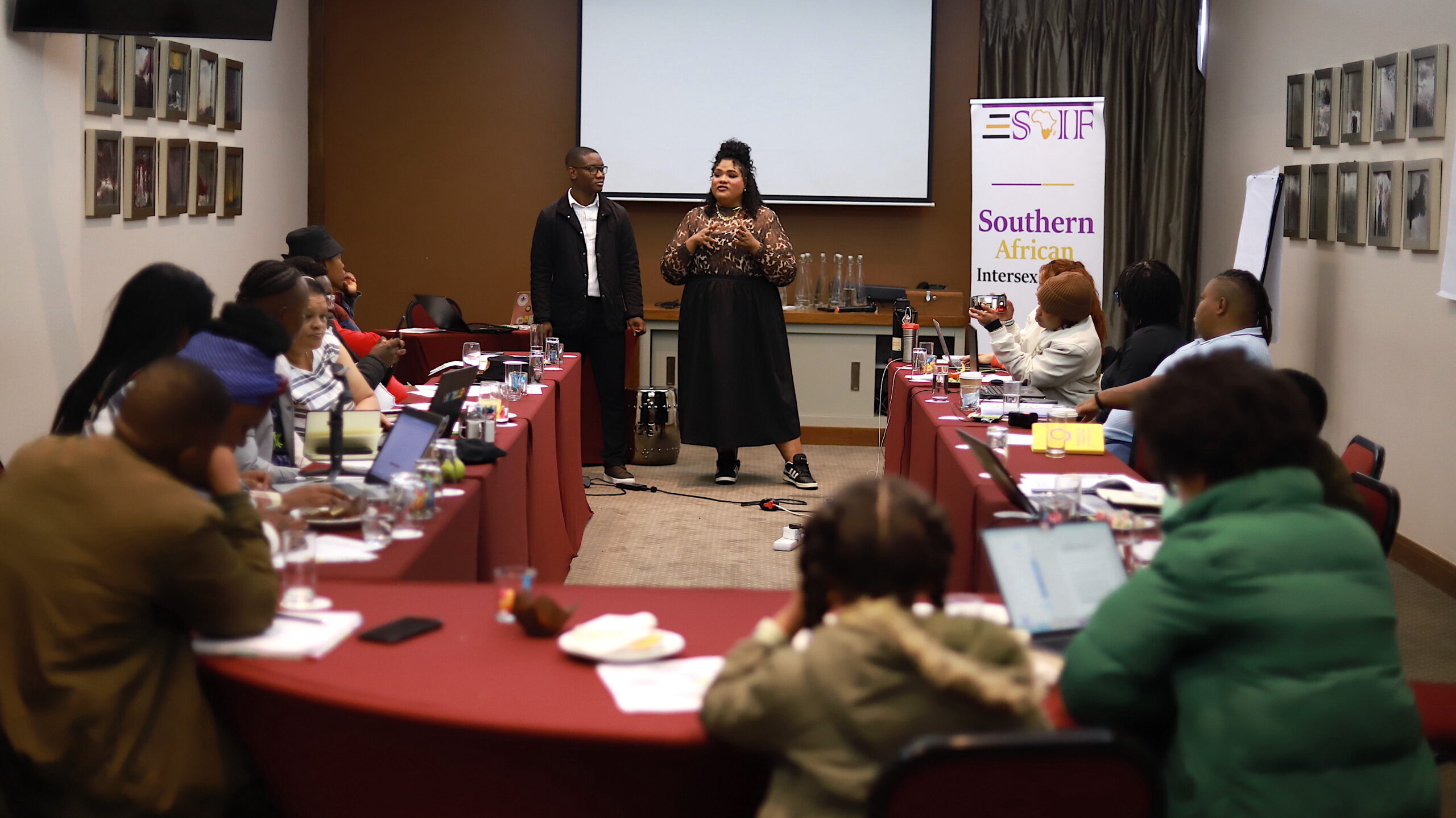
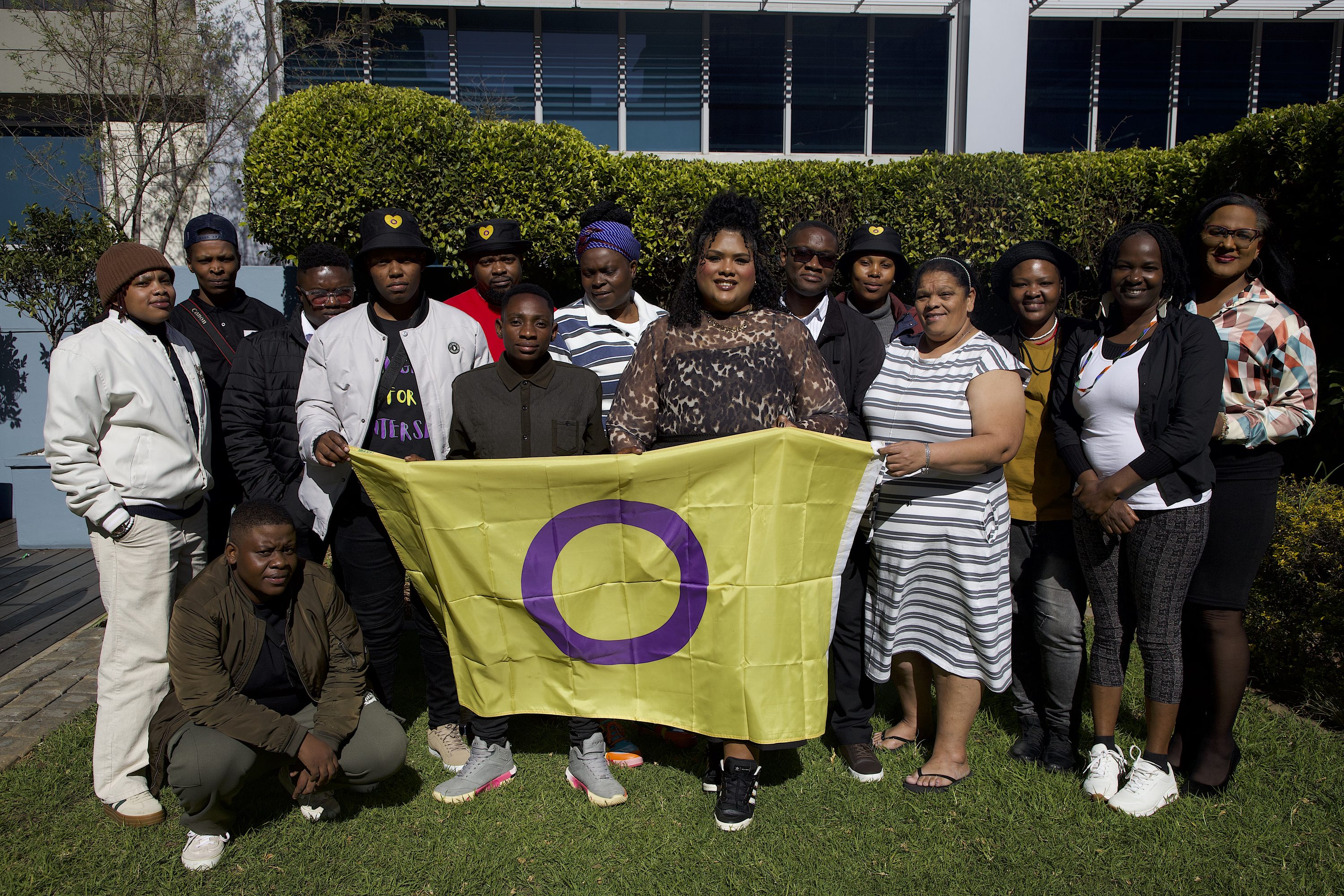
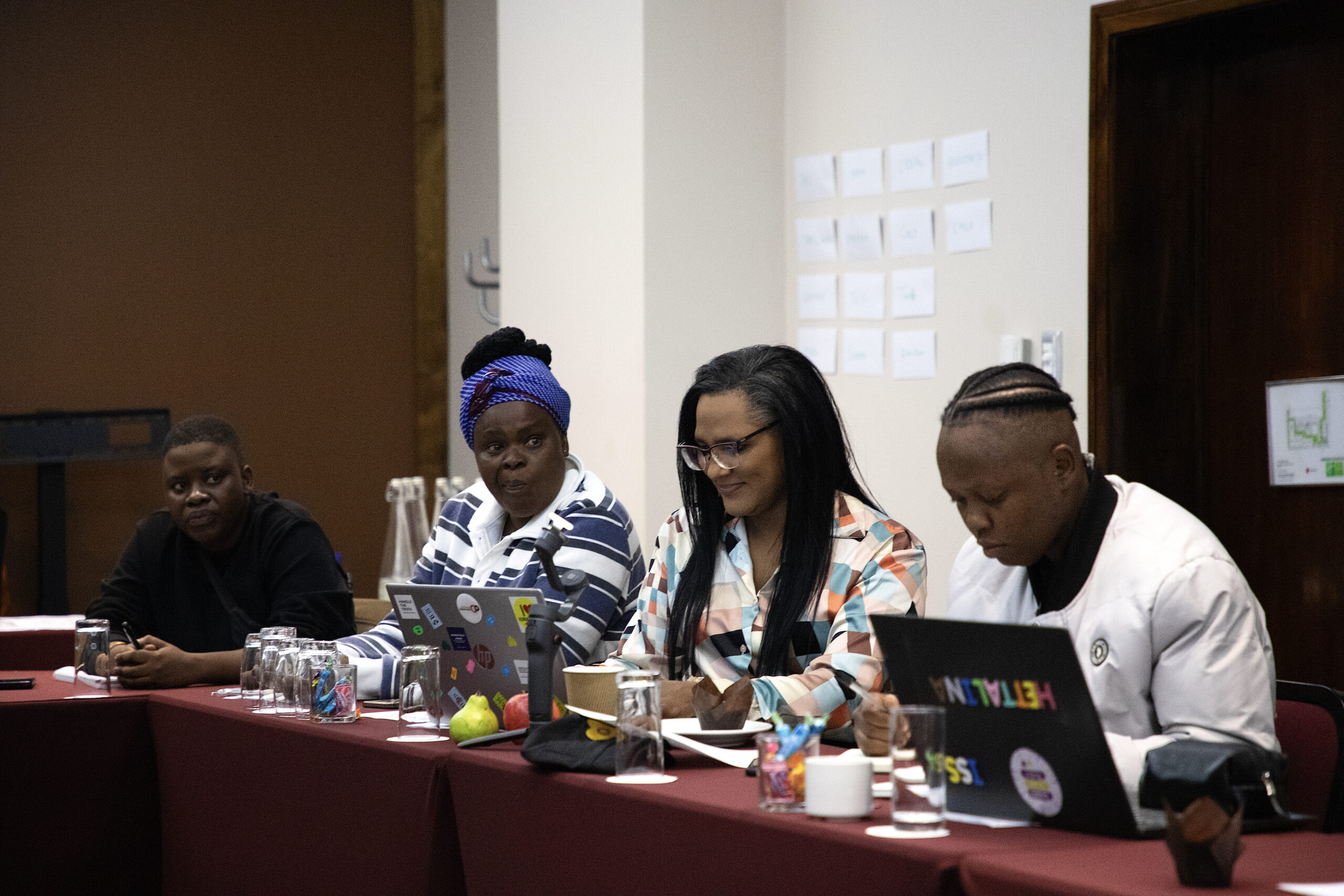
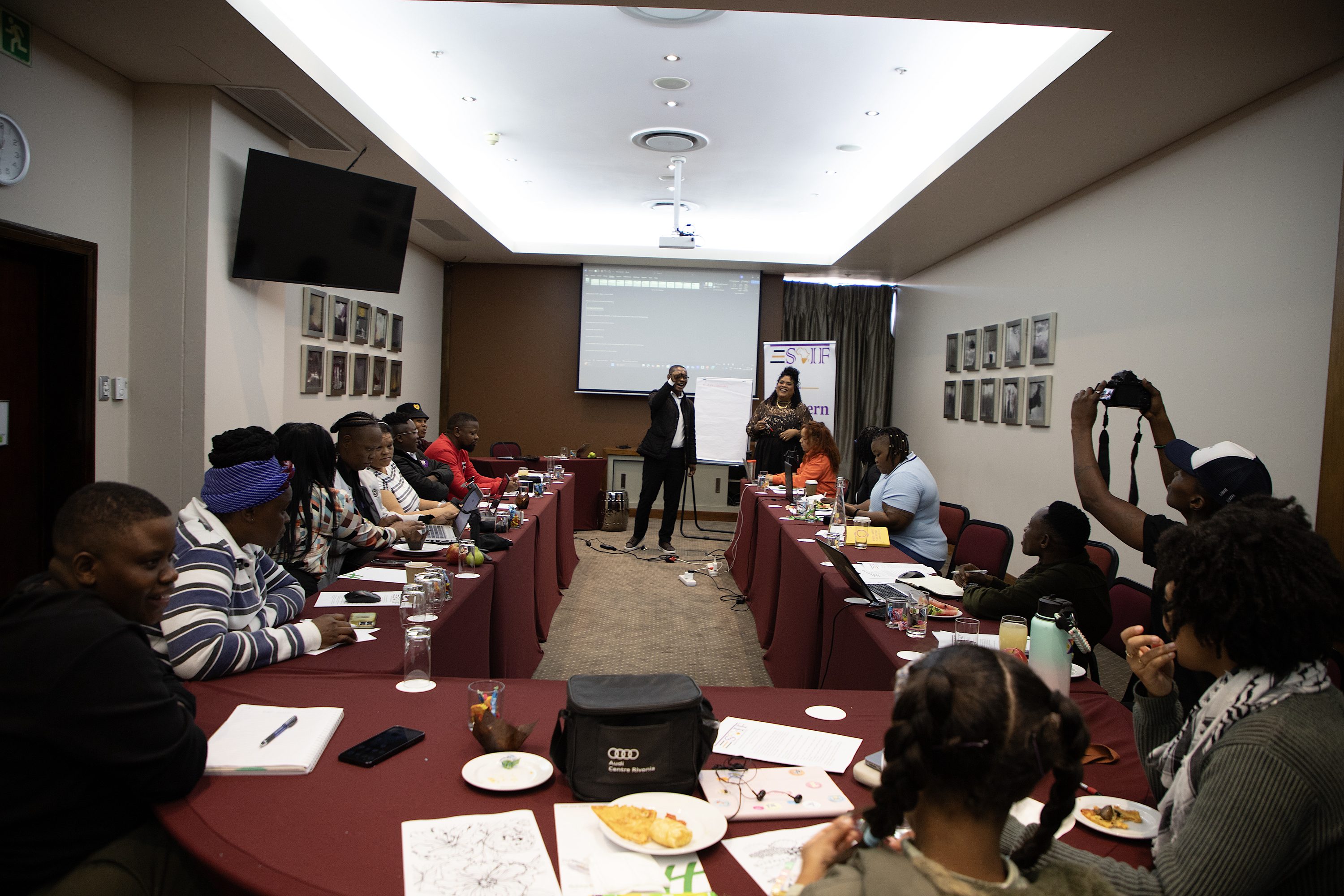
South Africa, Tanzania, Zambia and Zimbabwe, the Southern African Intersex Forum (SAIF), primarily works with intersex people, intersex human rights defenders, intersex-led organisations and emerging intersex leaders across Southern Africa. The Forums also engages families, healthcare providers, policymakers, governments, civil society organisations, media practitioners, funders and other allies whose actions affect the rights and wellbeing of intersex people. SAIF is an intersex-led regional forum that strengthens intersex organisations and leaders, coordinates regional advocacy, builds solidarity across countries and advances the human rights, bodily autonomy, dignity and safety of intersex people. The Forum supports member organisations through capacity strengthening, leadership development, movement building, resource mobilisation, strategic advocacy, public education and regional campaigns. SAIF came together during a Southern African Intersex Capacity Strengthening meeting convened by Iranti. Intersex activists from Botswana, Malawi, South Africa, Tanzania, Zambia and Zimbabwe came together to establish the regional collective. The Forum was registered in 2025.

Vision
A Southern Africa where intersex people thrive in full recognition, dignity and freedom.

Mission
To empower and support intersex organisations and leaders through advocacy, movement building and capacity strengthening.
Objectives
SAIF’s objectives are to strengthen the governance, leadership and sustainability of intersex-led organisations; build a connected and resilient Southern African intersex movement; develop intersex leaders through mentorship, learning and wellbeing support; advance legal and policy recognition of intersex people’s rights; promote bodily autonomy and end non-consensual and medically unnecessary interventions on intersex people; increase public understanding and positive visibility of intersex lived realities; strengthen regional advocacy through SADC, African Union and United Nations mechanisms; and mobilise resources for intersex-led work across the region.
Focus areas
SAIF’s thematic areas include:
- movement building and leadership development;
- organisational capacity strengthening and governance;
- strategic advocacy and policy reform;
- bodily autonomy and action to end intersex genital mutilation and other non-consensual medical interventions;
- access to affirming healthcare, justice and legal recognition;
- safety, security and wellbeing of intersex human rights defenders;
- resource mobilisation and donor education;
- communications, media engagement and digital storytelling;
- regional campaigns for Intersex Awareness Day and Intersex Day of Solidarity;
- Umngani programme;
- member-organisation capacity support;
- regional safety;
- and security work, media training, public sensitisation, policy tracking and engagement with SADC, African Union and United Nations human rights mechanisms.
More about the Umngani Programme
The Umngani Programme is SAIF’s regional movement-building and organisational strengthening initiative. It supports intersex-led organisations across Southern Africa through tailored technical assistance, mentorship, leadership development, advocacy support and small grants. During Phase One, SAIF conducted one-on-one organisational support consultations with partner organisations to assess their governance, financial management, strategic and operational planning, monitoring and evaluation systems, leadership capacity and sustainability needs. These consultations identified common priorities, including board training, policy development, stronger financial controls, strategic plans and annual workplans, data-collection tools, M&E frameworks, leadership coaching, safety and security support, and sustainability planning. The findings are guiding a phased technical-support programme that responds to each organisation’s specific needs while strengthening the long-term resilience, accountability and effectiveness of the regional intersex movement.
Contact
Website (under construction)
Email: programmes@saifafrica.com
Facebook
Instagram
SAIF in the media
- New Southern African Intersex Forum launched: https://grocotts.ru.ac.za/2023/03/01/new-southern-african-intersex-forum-launched/
- New collective to campaign for intersex rights in Southern Africa: https://www.thesouthafrican.com/culture/lgbtqia/new-collective-to-campaign-for-intersex-rights-in-southern-africa-breaking-28-february-2023/
- Iranti post on SAIF’s capacity-strengthening workshop:
https://www.linkedin.com/posts/iranti_the-southern-african-intersex-forum-saif-activity-7272252382615400448-pXDc
25—27 November 2022 Meeting
Between the 25th and 27th of November 2022, intersex activists from Botswana, Malawi, South Africa, Tanzania, Zambia and Zimbabwe met for a Southern African Intersex Capacity Strengthening meeting, convened by Iranti. During this meeting they founded a new collective; the Southern African Intersex Forum (SAIF), with the aim of strengthening the capacities of intersex organisations in the SADC region.
As Southern African intersex activists, we wish to announce the formation of the Southern African Intersex Forum (SAIF). SAIF is an autonomous collective consisting of intersex-led organisations and intersex activists from Southern African countries that work to raise awareness on intersex issues and advocate for the protection of the rights of intersex people.
We aim to:
- Set the regional advocacy agenda on intersex issues;
- Strengthen the capacities of Southern African intersex organisations;
- Share skills, resources and information;
- Collectively mobilise resources for regional intersex organising;
- Co-create regional intersex advocacy campaigns to raise awareness and visibility of intersex issues in the region;
- Engage with regional human rights and policy makers in order to advocate for the promotion and protection of the rights of intersex people in the region;
- Engage in research to contribute to legal and policy review and reform with evidence-based data centered around the lived realities of intersex people; and
- Support the forum’s members to implement advocacy priorities at national level.
We recognise that stigma, discrimination, medical violence, and exclusion of intersex people is prevalent in the region. The legal and policy environment is not enabling for the promotion and protection of the rights of intersex people.Intersex people have limited access to justice and redress when faced with human rights violations both nationally and regionally. Discrimination results in limited access to education, employment, affirming healthcare and other essential services.
We also recognise that intersex organisations in the region have limited access to resources, which hinders their ability to effectively organise, advocate and raise awareness on the various issues and violations that impact intersex people. We also recognise the inherent expertise, experience, and capabilities of intersex activists to bring about social, legal and political change for their communities as well as the on-going work and achievements of intersex activists despite these challenges.
We affirm both the 2017 and 2019 statements by the African Intersex Movement (AIM) and remain committed to supporting the efforts of AIM.
With this background in mind, we call upon SADC member states to:
- Prohibit any non-consensual medical interventions, including surgical, hormonal and sterilisation interventions that alter the sex characteristics of intersex people.
- Ensure that legislation, policy and medical guidelines clearly define “medical emergency” as relating to physical health and not to perceived psychological or social factors.
- Ensure that sanctions exist for healthcare providers who violate the rights of intersex people and who conduct medical interventions (that are not a medical emergency) without informed consent from the patient.
- Ensure that antenatal care includes providing parents with affirming and evidence-based information on intersex traits.
- Avail free and easily accessible gender-affirming health care for intersex adults, based on principles of informed consent and self-determination.
- Provide healthcare providers with training on the health needs and human rights of intersex persons.
- Prohibit discrimination on the basis of intersex traits, characteristics or status including in education, health care, employment, and access to public services.
- Enact enabling laws and policies allowing intersex persons to amend sex markers on birth certificates, identity documents and other official documents.
- Ensure that intersex people have the right to information and are able access to their medical records.
We call on SADC and national human rights bodies to address the structural and institutional barriers that prevent intersex people from the full enjoyment and realisation of their human rights in a systematic way. We call on funders to address the under-resourcing of intersex organising on all levels; locally, nationally, and regionally by providing flexible long-term unrestricted funding without burdensome administrative requirements.
We call on human rights organisations to take leadership from intersex organisations, and engage in meaningful collaboration and partnership with us when working on intersex issues through the principle of “nothing about us without us”.
Source: Iranti — https://youtu.be/LWUof8bQ8P8?si=JF73s-lcC7FpRvF_
