An archive of histories/herstories/theirstories affecting and influencing the trans, gender diverse and intersex movements in Africa
This Timeline of our archive of histories/herstories/theirstories of the trans, gender diverse and intersex movements in Africa and in the Diaspora emerged through the grassroots experiences and memories of the contributing African activists and organisations.
It is often updated with new stories and the Timeline is continually growing.
How to navigate the Timeline
Categories are displayed alphabetically at the top of the Timeline and can be used to filter the results to focus on the research theme chosen. For example, ‘All’ will show you all topics, while ‘Intersex’ will display all entries related to intersex movements and moments.
Alternatively, use the search bar in the menu at the top and bottom of screen to find more specific information.
Categories relating to gender, sex characteristics and sexual orientation have flag icons and colour groups to visually distinguish them from one another:
All
Activistas
Todos
Arte
Requerentes de asilo/Migrantes/Refugiados
Áudio e vídeo
Ballroom
Comunidade
Conferências
Travesti
Depathologisation
Diáspora
Drag
Films
Diversidade de género
Não-conformidade de género
Gender-Affirming Healthcare
Healthcare
HIV/AIDS
Homeless people
In Memoriam
Intersexo
Entrevistas
LBQ
LBTI
LBTQ
Legislação
LGBTQIA+
Media
Não binário
Organizações
People living with HIV
Persons with Disabilities
Publicações
Trabalho sexual
Desporto
SRHR
TIHA Articles
Trans
Trans e intersexo
Transfeminista
Transmasculine
Transsexual
Transvestite
Youth
20 December 2013 — The Passing of the Anti-Homosexuality Bill 2014 into Law, Uganda
The Ugandan parliament passed the Projeto de Lei Anti-Homossexualidade into law on as the Anti-Homosexuality Act of 2014 (previously called the “Kill the Gays bill” on 20 December 2013. The Ugandan President signed his assent to the Anti-Homosexuality Act on 24 February 2014. The Act criminalised any sexual acts and relations between people of the same sex. The maximum sentence for such offences would be the death penalty or life imprisonment. In the few years leading to the signing of the Bill into law, although the language used in the Bill refers to “gays” and “homosexuals”, the prospect and the eventual implementation of the Bill also impacted trans and intersex people. The Bill was first introduced to Parliament in 2009.
The Ugandan parliament passed the Anti-Homosexuality Bill into law on as the Anti-Homosexuality Act of 2014 (previously called the “Kill the Gays bill” on 20 December 2013. The Ugandan President signed his assent to the Anti-Homosexuality Act on 24 February 2014. The Act criminalised any sexual acts and relations between people of the same sex. The maximum […]
The Transgender Network of Liberia (TNOL) was founded by Karishma Richards-Kwofie in 2014. The organisation was initially under the umbrella of the NGO Stop AIDS in Liberia (SAIL). When TNOL sought registration status as a legal entity in order to rent office space, open a bank account, and apply for funding at the Liberia Business Registry, their application was rejected for the reason that the organisation’s activities are illegal in the country. Furthermore, when delivering the application in person, the activists met with transphobic discrimination and were detained for 3 hours. While in detention, people who entered the detention area took photos of the activists and also made discriminatory remarks, such as “They should be placed in a cell to die”, and “They should be killed for not accepting the body God gave them”.
There are currently no contact details for TNOL. If you have contact details you can email them to research@transintersexhistory.africa.
The Transgender Network of Liberia (TNOL) was founded by Karishma Richards-Kwofie in 2014. The organisation was initially under the umbrella of the NGO Stop AIDS in Liberia (SAIL). When TNOL sought registration status as a legal entity in order to rent office space, open a bank account, and apply for funding at the Liberia Business […]
In January 2014, Rikki Nathanson, a Zimbabwean trans woman and modelling agency director was detained by police* after Farai Mteliso, a Zanu-PF Youth League leader, performed a citizen’s arrest on her. She was arrested for being a ‘criminal nuisance’ because she visited a bar in Bulawayo, dressed as a woman, and allegedly used the bathroom reserved for female patrons.
Following her arrest she was humiliated by being forced to undress in front of five police officers to ‘prove her gender’ to them. She was also forced to undergo a physical examination to assert her gender. Rikki transitioned in 2005, 9 years prior to her arrest. After her arrest, she was detained for two days in appalling conditions and released after a Magistrate ruled that prosecutors failed to prove the charges of ‘Criminal Nuisance’. After her release, she filed a lawsuit against the police, other government officials and the man who called the police.
Rikki Nathanson, recipient of the AHEA (Appreciation for Activists and HRDs in East Africa) Award in 2024. The award is an initiative established by a trans-led organisation in Tanzania under its founder Ms Clara Devis, the Executive Director of Tanzania Community Empowerment Foundation (TACEF).
* Some articles in the media will refer to Ricky. As of 2022 she formally changed her name to Rikki, and the TIHA website respects the name Rikki chose.
In January 2014, Rikki Nathanson, a Zimbabwean trans woman and modelling agency director was detained by police* after Farai Mteliso, a Zanu-PF Youth League leader, performed a citizen’s arrest on her. She was arrested for being a ‘criminal nuisance’ because she visited a bar in Bulawayo, dressed as a woman, and allegedly used the bathroom […]
1er février 2014 — Fondation de Young Queer Alliance, Maurice / 1 February 2014 — Founding of Young Queer Alliance, Mauritius
Fondée le 1er février 2015 par Fokeerbux Najeeb Ahmad, Young Queer Alliance travaille avec des personnes lesbiennes, gays, bisexuelles, trans, queer, intersexuées et asexuelles (LGBTQIA+) — principalement des jeunes, mais pas exclusivement — à travers l’île Maurice. L’organisation s’engage dans le plaidoyer et l’activisme, et dirige des interventions sur le terrain, abordant les questions juridiques, sociales, sanitaires et politiques qui affectent les communautés LGBTQIA+. Elle construit et entretient des réseaux solides tant au sein de la communauté LGBTQIA+ qu’avec des parties prenantes externes. L’organisation a été enregistrée le 1er septembre 2014.
Founded on the 1st of February 2015 by Fokeerbux Najeeb Ahmad, Young Queer Alliance works with lesbian, gay, bisexual, trans, queer, intersex, and asexual (LGBTQIA+) individuals — primarily youth, though not exclusively — across Mauritius. The organisation engages in advocacy and activism, and direct field interventions, addressing legal, social, health and policy issues affecting LGBTQIA+ communities. They build and maintain strong networks both within the LGBTQIA+ community and with external stakeholders. The organisation was registered on the 1st of September 2014.
La Vision / Visão
Une société inclusive et tolérante où le fait d’être humain est la seule condition pour jouir de l’égalité des droits humains, et où les LGBTQIA+ sont en sécurité et libres.
An inclusive and accepting society where being human is the only requirement for enjoying equal human rights, and where LGBTQIA+ are safe and free.
Missão
Faire progresser l’égalité des droits humains pour les personnes LGBTQIA+ à Maurice en favorisant une culture de bénévolat et d’activisme. L’organisation s’efforce de donner aux individus les moyens de promouvoir l’égalité et de mener le changement.
To advance equal human rights for LGBTQIA+ people in Mauritius by fostering a culture of volunteering and activism. The organisation strives to empower individuals to promote equality and lead change.
Atelier sur les terminologies trans et intersexes mauriciennes / Workshop on Mauritian Trans and Intersex Terminologies
Objectifs stratégiques / Strategic Objectives
Mobiliser et responsabiliser la communauté : donner aux personnes LGBTQIA+ les moyens de devenir des leaders et des modèles confiants.
Promouvoir l’acceptation et célébrer la diversité : encourager un dialogue ouvert pour favoriser la compréhension de l’orientation sexuelle, de l’identité de genre et de l’expression.
Réclamer et changer les lois : plaider en faveur de réformes juridiques et demander des comptes aux institutions en cas de discrimination et de violation des droits.
Établir des partenariats stratégiques : collaborer avec la société civile, les secteurs public et privé pour faire progresser les droits LGBTQIA+.
Améliorer la stabilité organisationnelle : Renforcer nos systèmes internes, y compris la mobilisation des ressources et la gestion des RH.
Mobilising and empowering the community: Equipping LGBTQIA+ individuals to become confident leaders and role models.
Promoting acceptance and celebrating diversity: Encouraging open dialogue to foster understanding of sexual orientation, gender identity, and expression.
Reclaiming and changing laws: Advocating for legal reforms and holding institutions accountable for discrimination and rights violations.
Building strategic partnerships: Collaborating with civil society, public, and private sectors to advance LGBTQIA+ rights.
Improving organisational stability: Strengthening our internal systems, including resource mobilisation and HR management.
D’un tournage vidéo de la communauté trans pour délivrer des messages à la communauté mauricienne sur la réalité trans / From a video shoot of the trans community to deliver messages to the Mauritian community on trans reality
Áreas de intervenção / Áreas de incidência
Défense juridique : Contester les lois discriminatoires et promouvoir l’égalité juridique.
Santé et bien-être : Offrir une prévention contre le VIH/SIDA et les IST, un soutien en matière de santé mentale et un accès à des soins de santé inclusifs.
Mobilisation communautaire : Offrir des espaces sécuritaires, des formations et des activités de sensibilisation du public.
Recherche et élaboration de politiques : réalisation d’études pour soutenir l’élaboration de politiques inclusives.
Autonomisation des jeunes : autonomiser les jeunes LGBTQIA+ par la formation, le réseautage et l’accès aux ressources pour devenir des agents de changement.
Services de soutien: Fournir un soutien psychosocial et orienter les personnes LGBTQIA+ vers des services appropriés par le biais de références.
Legal advocacy: Challenging discriminatory laws and promoting legal equality.
Health and well-being: Providing HIV/AIDS and STI prevention, mental health support, and access to inclusive healthcare.
Community mobilisation: Offering safe spaces, training, and public awareness activities.
Research and policy development: Conducting studies to support inclusive policymaking.
Youth empowerment: Empowering young LGBTQIA+ persons through training, networking, and access to resources to become agents of change.
Support services: Providing psycho-social support and referral to LGBTQIA+ persons.
Regardez notre interview avec Abby Domun, chargée de projet et Vraj Dumur, vice-secrétaire à YQA / Watch our interview with Abby Domun, Project Officer and Vraj Dumur, Vice Secretary at YQA
Regardez notre interview enregistrée avec Abby Domun (chargée de projet) et Vraj Dumur (vice-secrétaire) du Collectif Arc-en-Ciel le 8 août 2025.
Watch our interview recorded with Abby Domun (Project Officer) and Vraj Dumur (Vice Secretary) of Collectif Arc-en-Ciel on the 8th of August 2025.
Regardez notre interview d’Abby Domun du 13 mars / Watch our interview with Abby Domun from 13 March
Young Queer Alliance dans les médias / Young Queer Alliance in the Media
1er février 2014 — Fondation de Young Queer Alliance, Maurice / 1 February 2014 — Founding of Young Queer Alliance, Mauritius Fondée le 1er février 2015 par Fokeerbux Najeeb Ahmad, Young Queer Alliance travaille avec des personnes lesbiennes, gays, bisexuelles, trans, queer, intersexuées et asexuelles (LGBTQIA+) — principalement des jeunes, mais pas exclusivement — à […]
In 2000, Sally secured the first known mention of intersex in national law, with the inclusion of “intersex” within the definition of “sex” in the anti-discrimination law of the Republic of South Africa. Since then, she helped to draft legislation on the Alteration of Sex Descriptors, and the Promotion of Equality. In an interview with InterAction, Sally spoke about her influence on intersex law:
“Since 2000, I’ve drafted amendments bearing on intersex for the Alteration of Sex Descriptions Bill and the Promotion of Equality and Prevention of Unfair Discrimination Act, 2000, and these have been lobbied into law. Getting intersex into the Promotion of Equality Act is the weightier of the two. Lobbying persuaded the South African Human Rights Commission that intersex is a serious human rights issue. This yielded an SAHRC workshop three years back that looked at the imposition of genital surgery on intersex infants and children, and the possible need for legislation.”
Painting of Sally by her brother Ray Smidt-Gross
Sally’s last communication had been with prominent New Zealand-based intersex activist, Mani Bruce Mitchell, a friend who had posted a GoFundMe appeal for help on Gross’s behalf in January of the same year.
Sally’s founding of and work as part of Intersex South Africa (ISSA)had severely depleted her own limited resources and she fell into poor health. The tragedy of her death as a result of this poor health affected communities all over the world. Many obituaries* followed her death. Sally continues to be greatly missed, but her powerful legacy lives on.
Prominent anti-Apartheid and intersex activist, Sally Gross, who founded the first intersex rights organisation in Africa (Intersex Society of South Africa), passed away on 14 February 2014. In 2000, Sally secured the first known mention of intersex in national law, with the inclusion of “intersex” within the definition of “sex” in the anti-discrimination law of the Republic of South Africa. […]
Nikilas (Nikki) Mawanda, an intersex activist from Uganda and founder of an NGO in the country*, was granted LGBTIQ+ asylum status in the U.S. on 20 March 2014. Asylum was granted months after fleeing his home in Uganda due to the state-sanctioned violence of the Anti-Homosexuality Bill, which was passed by the Ugandan parliament earlier […]
24 April 2014 — Founding of Rights for All (RIFA), Rwanda
Founded on 24 April 2014 by Madine Mukandayisenga, RIFA (Rights for All) is a Rwandan organisation based in Kigali, focusing on youth, working to promote the rights and well-being of lesbian, bisexual, trans and intersex (LBTI) persons, female sex workers and LBTI persons with disabilities. Their main work includes human rights advocacy, mental health and psychosocial support, community awareness on SOGIE (sexual orientation, gender identity and expression) issues, and connecting LBTI individuals with inclusive health services and empowering them economically. The organisation’s registration is pending.
Visão
A healthy and prosperous young generation free from all forms of injustice.
Madine Mukandayisenga, Founder and Executive Director
Missão
To improve the livelihoods, health, and equality of vulnerable and marginalised sections of youth in Rwanda through legal and policy advocacy as well as provision of direct essential services.
Objectivos
To advocate for and/or create opportunities for income-generating opportunities among youth, especially female youth.
To sensitise youth on fighting against the HIV/AIDS scourge, drug abuse, delinquency and other forms of irresponsible behaviour.
Advocate for access to comprehensive healthcare services especially for vulnerable and most at risk youth groups, namely LBTI people and female sex workers, and LBTI people with disabilities.
To sensitise youth on positive values and ethics and transform them into responsible citizens with an inherent culture of hard working.
To fight against all forms of discrimination and marginalisation based on, inter-alia, socio-economic status, sexual orientation and gender identity.
Áreas de incidência
Human rights advocacy for LBTI persons and female sex workers.
Gender and sexual diversity awareness.
Access to inclusive health services.
Mental health and psychosocial support.
Capacity building and community empowerment for LBTI people and female sex workers.
24 April 2014 — Founding of Rights for All (RIFA), Rwanda Founded on 24 April 2014 by Madine Mukandayisenga, RIFA (Rights for All) is a Rwandan organisation based in Kigali, focusing on youth, working to promote the rights and well-being of lesbian, bisexual, trans and intersex (LBTI) persons, female sex workers and LBTI persons with […]
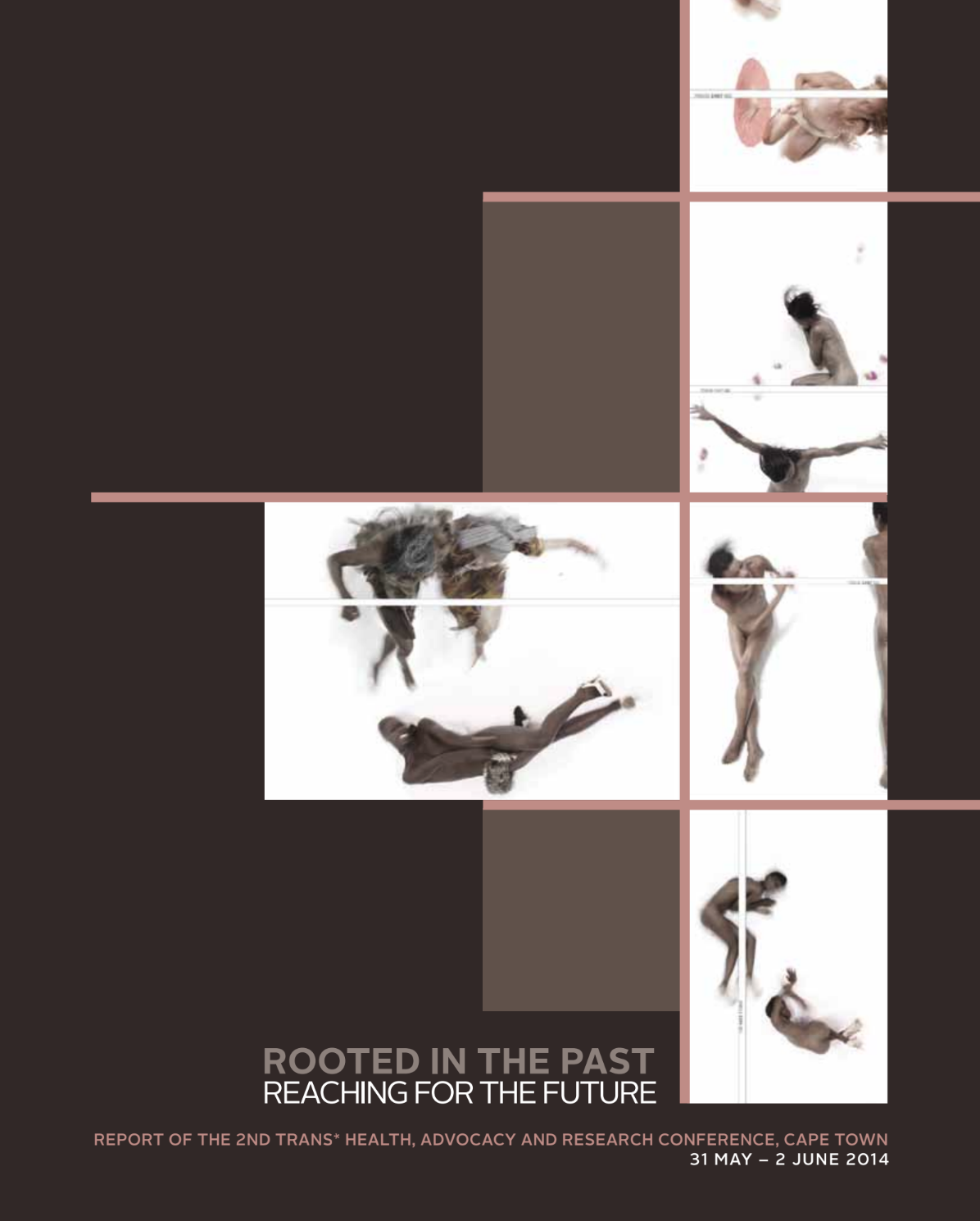
This was the largest conference in the series to date and had a total of 198 participants, of which 25 were from the African region, which included Botswana, Egypt, Lesotho, Zambia, and Zimbabwe. Other participating African countries included Namibia, Lesotho, Swaziland, Madagascar, Uganda, Tanzania, and Kenya.
Dr Kevin Adams from the Groote Schuur Multidisciplinary Transgender Clinic in Cape Town, South Africa collaborated with Dr Kojovid from Serbia in an operating theatre in the Groote Schuur hospital to provide surgical training, which included filming to reach a wider training audience. Dr Asa Radix, Kristian Randjelovic, Mauro Cabral Grinspan, Arlene Lev, and Cecilia Chung made presentations on various topics and participated throughout the conference. Besides an overview of the complete programme and speakers, the conference report includes an audit that compares the 2011 conference recommendations to the progress made between the first and second conferences.
The conference had phenomenal and dynamic presentations, dialogues and interactions and one of the highlights, presented as a “satellite” session was two live surgery training sessions at the Grootte Schuur Hospital. Drs Kevin Adams (Groote Schuur Hospital, University of Cape Town) and Vladimir Kojovic (Belgrade Centre for Genital Reconstructive Surgery, Belgrade, Serbia) presented two surgery workshops accompanied by film screenings of surgical methods. The first was aimed at trans women and focused on vaginoplasty procedures. The second workshop was aimed at trans men and covered methods for metoidioplasty and phalloplasty; it included a short metoidioplasty film that had been made a few days earlier at Groote Schuur Hospital in Cape Town.
The conference report compared the 2011 Conference’s Recommendations tabulated to see action points completed by the time of the 2014 conference. This was a method to ensure accountability and that that GDX led by example that NGO conferences go beyond conferencing, and should have outputs implemented to the benefit of the community.
31 May 2014 — 2nd Trans Health, Research and Advocacy Conference, South Africa Trans and Intersex Africa (TIA), Social, Health and Empowerment Feminist Collective of Transgender and Intersex Women of Africa (S.H.E), and Gender DynamiX (GDX) hosted the 2nd Trans Health, Research and Advocacy Conference in Cape Town, South Africa between 31 May and 2 […]
In June 2014, Somalian-born Canadian photographer, Abdi Osman, held an exhibition named ‘Labeeb’ at the University of Saskatchewan in Canada. The project features large photographs and a short double-projection video of Sumaya Dalmar, a trans woman originally from Somalia.
Sumaya Delmar – One of the photographs in the exhibition by Abdi Osman
The double projection, which shows two videos playing simultaneously, underscores the artist’s attempt to engage with taboo topics of gender, culture and religion.
The videos show movement and how bodies can transform in movement or ‘trans-ing’, crossing over from tradition to modern body awareness and motion and in doing so, challenges the claims of some African leaders that there are no queer persons in their countries. This is a theme usually explored in Abdi Osman’s work. According to his biography, his work focuses on questions of black masculinity as it intersects with Muslim and queer identities.
A screengrab of the double projection showing two videos sumiltaneously.
As a Muslim-majority country, Somalia is not tolerant of LGBTIQ people who, when outed, often have to endure public humiliation like lashings. In many cases not being heterosexual is a ‘crime’ punishable by death. This exhibition was, therefore, an essential and powerful part of bringing the existence of trans persons in Somalia into the public eye.
The model of the project, Sumaya Dalmar, also known as Sumaya Ysl, was an activist, model and speech therapist well-known in the LGBTIQ scene in Toronto. She was born in Somalia but fled the country during the Somali Civil War with her family at 3. She started her transition in 2011 at which point her parents disowned her. The exhibition of the multimedia project in 2014 was also a declaration of ‘coming out’ as a trans woman publicly. In doing so, Sumaya became the first known Somalian trans person, but it also put her in the spotlight as a short-lived trans activist in Canada. 6 months later, on 22 February 2015, Sumaya died under mysterious circumstances. She was 26 years old. She was the 9th trans woman of colour who died in a space of 40 days.
The first reports of her death came as a tweet with the heading “Somali trans women murdered in Toronto”. The report received tens of thousands of shares on different social media platforms and the hashtag #SumayaYsl went viral.
Even though there was no direct evidence of a homicide, the public outcry forced the Toronto police to issue a public statement.
They admitted that it was not usual practice to issue a statement or make public appeals unless they were sure of a homicide. They responded to the public outrage because of the ongoing violence experienced by the trans community in Canada.
Toronto police also used #SumayaYsl in their posts and updates about her death
“We certainly are sensitive to the relationship between the Toronto Police Service and the trans communities,” Toronto Police Services spokeswoman Meaghan Gray explained to Canada’s National Post. “We’ve worked very hard over the last little while to improve that relationship. Certainly, our efforts today in putting out this information is part and parcel of that outreach.”
Public response to the police statements about Sumaya’s death
The family and friends of Sumaya Dalmar never received full closure about how she died. The police concluded that there was no crime but withheld full information about the post due to ‘respect for the victim’s privacy’.
Her friends remember Sumaya as vibrant and fearless. She was a proud Somali women who believed in expressing her authenticity and inspiring others to do the same. She was popular and beautiful and a strong force within the tight-knit community of Somalian queers. According to her friend Lali Mohamed, Somaya “lived her life in a very public way and anybody who encountered her was immediately moved by her insistence to be exactly who she wanted to be,”.
“She was one of the brightest lights that ever existed in this world.”
Sumaya Dalmar holds one of the photo’s in the Labeeb series in a friend’s apartment
Her death came during a period in time when a lot of trans women was murdered or died under mysterious circumstances. A friend, Asam Ahmat, explained:
“Death is only tragic if we insist on pretending that violence and suicide isn’t the norm when it comes to the lives of trans women, especially trans women of color. If anything can be called tragic, it is a society that has normalized such disproportionate levels of violence against trans women that self-harm is the only answer many can find. This normalized violence impacts every single aspect of trans women’s lives—from using public bathrooms to accessing healthcare to interacting with law enforcement.”
In one of Sumaya’s last Facebook posts, she expressed disbelief at the violence her community was subject to. She said she was emotionally fatigued that so many of her trans sisters were dying in front of her eyes. Little did she know that her fate would be to join them soon. When she died, Sumaya was about to start working in the educational department at The 519, Canada’s largest LGBTIQ community centre. Trans rights and education were something she strongly believed in and she dedicated her life to the cause. To honour her life and memory, her friends started a scholarship fund which they hoped would immortalise her fearlessness. The scholarship fund, the Sumaya Dalmar Award, provides aid to trans students of colour to pursue their educational goals.
The first recipient of the award, Patrice B*, used the grant to pay for his final year of tuition in his fourth year of Arts and Contemporary Studies. He applied for the $1,000 award after his application for the Ontario Student Assistance Program (OSAP) funding was denied.
“I felt very honoured to receive the award,” said Patrice in his interview for TorontoMet Today. “Especially because Sumaya’s friends pushed for the scholarship to be created, so it felt very personal. I really want to give back now, because this award is a product of her work.”
*Patrice B. asked to be identified only by his first name and initial for this story.
In June 2014, Somalian-born Canadian photographer, Abdi Osman, held an exhibition named ‘Labeeb’ at the University of Saskatchewan in Canada. The project features large photographs and a short double-projection video of Sumaya Dalmar, a trans woman originally from Somalia. The double projection, which shows two videos playing simultaneously, underscores the artist’s attempt to engage with […]
Founded in Kenya in 2014, the Malindi Desire Initiative (MDI) began as a support group for transgender people living with HIV. The organisation was officially registered as an ITGNC organisation in 2016.
The Malindi Desire Initiative was born from the question, “How far are you willing to go for a community you love?” In answering that question, MDI supports trans and gender non-conforming (TGNC) individuals who often face threats, violence and health issues. MDI is committed to providing services to these communities and promoting equality through educating the wider community about the issues that trans and gender non-conforming people in Kenya face in order to create a positive change within the community.
Visão
To see lives of most TGNC people improve to a high level of economic, social and psychological aspects of life standards.
Missão
To promote economic, social and psychological aspects of lives to the highest level of standard possible considering all promotion prototypes while initialising all available resources to improve lives of most at risk persons.
Goals
Providing a safe and welcoming space for LGBTQ individuals to connect and support each other.
Advocating for LGBTQ rights and visibility in our community and beyond.
Offering resources and support to those in need, including counselling, healthcare referrals, and emergency assistance.
Providing educational programming and events to raise awareness about LGBTQ issues and promote acceptance and understanding.
Services
STI and HIV/AIDS Screening.
Peer Education: Research, group therapy and social science surveys to address the community’s response to TGNC individuals and help members cope with these issues.
Relief Programme, including medical education, STI and HIV care, psychotherapy and disease prevention resources like condoms and HIV self-tests.
Further, or more in-depth services include:
Health awareness and prevention (HIV/AIDS).
Mental and emotional support through the HIV/AIDS testing process.
Community engagement and trust to reduce stigma and create a supportive network for those seeking HIV/AIDS testing and counselling.
Community resilience: By addressing immediate needs and providing support during challenging times, this programme fosters a sense of unity and shared responsibility, contributing to the community’s ability to overcome obstacles together.
Knowledge dissemination: Training peers to disseminate information about HIV/AIDS testing and counselling.
Skills development: Peer education programmes to equip individuals within the transgender community with valuable skills, such as communication and advocacy.
Founded in Kenya in 2014, the Malindi Desire Initiative (MDI) began as a support group for transgender people living with HIV. The organisation was officially registered as an ITGNC organisation in 2016. The Malindi Desire Initiative was born from the question, “How far are you willing to go for a community you love?” In answering […]
In June 2014, Ugandan LGBTQIA+ activist, Victor Mukasa, created a Youtube channel, Kuchu TV, which aired between 2014 and 2015. The TV station was used as a platform to give daily updates from within the Kakuma Refugee Camp in Kenya, and provided information to activists and advocates working with LGBTQIA asylum seekers in the Camp.
“Kuchu” is a Swahili word roughly translated to mean “queer”. It was adopted by the LGBTQIA+ community who fled Uganda after the signing of the Projeto de Lei Anti-Homossexualidade into law on 20 December 2013.
At the time, Victor founded the Kuchu Diaspora Alliance (KDA-USA) in the United States, which works to address the needs of LGBTI refugees and asylum seekers. Victor created Kuchu TV as part of the work of the Kuchu Diaspora Alliance.
On 29 June 2014, Kuchu TV aired a 5-part series contextualising the violence perpetrated against LGBTQIA+ residents of the Camp.
About the Kakuma Refugee Camp
The Kakuma Refugee Camp is based in rural Kenya in Turkana County. “Kakumu” means “nowhere” in Swahili. The Camp was established in 1992 to house “The Lost Boys of Sudan”, who were children who escaped the war in Sudan, Somalia and some camps in Ethiopia. The original size of the Camp was estimated to be 12,000. Currently the population is over 200,000 refugees from more than 20 countries. The Camp is often the site of violence as there are ongoing tensions between the impoverished refugees and the local community. This violence is fuelled by the fact that, compared to the wider region, the Kakuma Camp has better health facilities and a higher percentage of children in full-time education, due to the humanitarian aid that the Camp receives from organisations such as the International Rescue Committee.
Following the passing of the Ugandan Projeto de Lei Anti-Homossexualidade, a large community of Kuchus fled to the camp. This community is often most affected by the violence as the UNHRC (UN Refugee Agency) and the Kenyan Police Services and Government do not protect the LGBTQIA+ community.
Abeny Ajok (in purple) and Achai Bol (second right) during a web design training at Morneau Shepell Girls School Refugee girls work on designing a website during the INS Bootcamp for girls in Kakuma refugee camp UNHCR / S. Otieno
In June 2014, Ugandan LGBTQIA+ activist, Victor Mukasa, created a Youtube channel, Kuchu TV, which aired between 2014 and 2015. The TV station was used as a platform to give daily updates from within the Kakuma Refugee Camp in Kenya, and provided information to activists and advocates working with LGBTQIA asylum seekers in the Camp. […]
In an important series of 5 episodes aired on 29 June 2014, LGBTQIA+ rights activist, Victor Mukasa, provided context to the violence in the Kakuma Refugee Camp, using his TV platform, Kuchu TV. The episodes highlighted that the central issue for LGBTQIA+ refugees in the Camp was the violence perpetrated against them because they were not protected by the UNHRC (United Nations High Commission for Refugees) or the Kenyan Government or Police Services.
The violence the Kuchu TV series focused on was the incidents of stonings, beatings, poisonings and verbal abuse perpetrated against the more than 45 Ugandan LGBTQIA+ residents in the Kakuma Camp. Victor speaks about the violence that occurred on Friday the 27th of June, where one of the Ugandan refugees was attacked by a group of refugees. He was beaten up badly because, according to the other refugees, he committed the crime of being gay. Statements by other refugees included the argument that
“This camp is for refugees. It is not for wild animals.”
The group of attacking refugees followed the victim back to his group of fellow LGBTQI+ Ugandan refugees and began beating them too. The victims ran to the security of the Camp. The security, instead of protecting them, asked them why they showed that they were gay, thus blaming the victims for their own beatings. Not receiving help from security, the victims marched out of the Camp for two hours to the offices of the UNHRC in search of protection. This protection was not provided to them by the UNHRC. Victor goes into more detail about the situation in the videos below.
“Lesbian, gay, bisexual, transgender and intersex (LGBTI) asylum seekers and refugees living in one of Kenya’s biggest refugee camps routinely suffer hate crimes, violence, including rape, and other serious human rights abuses, the National Gay and Lesbian Human Rights Commission (NGLHRC) and Amnesty International said in a joint report. ‘LGBTI individuals in Kakuma camp have suffered physical and sexual violence and other serious human rights abuses, including violations of their right to be free from torture and ill-treatment, because of their sexual orientation, gender identity and/or expression, or sexual characteristics,’ said Victor Nyamori, Amnesty International’s Researcher and Advisor on Refugee and Migrants Rights. Such hate crimes are a criminal manifestation of the discrimination LGBTI refugees and asylum seekers face.
The testimonies collected in theReport point to systematic and pervasive inaction by police in Kakuma refugee camp to effectively, promptly, independently, and thoroughly investigate allegations of hate crimes reported by LGBTI asylum seekers and refugees.
Esther, a 41-year-old lesbian woman, reported being raped twice in Kakuma camp. In early 2018, she was attacked by two men carrying knives while she was showering in a plot near the camp gate. One raped her while the other held her down. Later that year, she was raped a second time by four men during a burglary at her house, in the presence of her seven-year-old son with whom she was sharing a bed.
Winnie, a lesbian woman, had a business in the market, where LGBTI friends used to buy. She told the researchers that one day in 2019 she was away from work and left one of her children to take care of the business. A group of people destroyed the stall and injured the child, saying that the LGBTI customers were affecting other businesses. When she went to report the crime, the police told her to look for the attackers and bring them to the police station to be arrested.”
Victor worked with the refugees in July 2014 again due to more violence against the Kuchu refugees. Read more about the Kakuma Refugee Camp here.
In an important series of 5 episodes aired on 29 June 2014, LGBTQIA+ rights activist, Victor Mukasa, provided context to the violence in the Kakuma Refugee Camp, using his TV platform, Kuchu TV. The episodes highlighted that the central issue for LGBTQIA+ refugees in the Camp was the violence perpetrated against them because they were […]
The Declaration was issued by a working group of 40 delegates from 11 countries who met on 2 June 2014 at the 2nd Trans Health, Research and Advocacy Conference in Cape Town, and was submitted to the World Professional Association for Trans Health. The Declaration was also included in the submission to the United Nations (UN) 3rd cycle Universal Periodic Review.
The Cape Town Declaration on Gender Incongruence of Childhood (GIC) was publicly released in June 2014, requesting the removal of the World Health Organization’s (WHO) International Classification of Diseases (ICD) diagnoses that pathologise gender diversity in children and youth. The Declaration was issued by a working group of 40 delegates from 11 countries who met […]
26 February 2014 — Founding of Tranz Network Uganda (TNU), Uganda
Tranz Network Uganda (TNU) is an indigenous not for profit umbrella organisation for trans and gender diverse persons organisations in Uganda and was established by Williams Apako and Jay Mulucha on 26 February 2014 with the aim of supporting coordination and collaboration among trans and gender diverse persons’ organisations. TNU was registered on 30 March 2016
Country Context
From TNU’s website:
“Trans and gender diverse persons in Uganda are often socially, economically, politically and legally marginalized. Discrimination against trans and gender diverse persons largely stems from multiple forms of stigma relating to gender identity, gender expression and perceived sexual orientation. Stigma, discrimination and lack of legally authorized or gender-appropriate identity documents exclude many trans and gender diverse persons from civic participation, limit economic opportunities and results into poverty and marginalization which increase vulnerability. Discrimination against transgender people exposes them to violence yet in reporting these violations to the police; transgender survivors sometimes experience further physical violence at the hands of the police who are meant to protect them. Criminalization of sexual relations between people of the same sex under the Penal Code Act of Uganda, coupled with lack of legal recognition of their gender means that transgender people are legally considered to have engaged in same-sex relations and are, therefore, subject to persecution.
Ideally, trans led organizations should be at the forefront advocating for policy and legal reforms and the implementation of programs that address the gaps in an archaic system that doesn’t respond to the unique needs of the trans population but inadequate capacity to implement edge cutting changing projects for community transformation has hindered progress as well. Although, health data, including HIV prevalence data in Uganda for trans and gender diverse people is limited, it is clear transgender people remain severely under served in the health care system including in the national HIV response. Additionally, access to gender-affirming therapy which is integral part of primary care for many transgender people is non-existent even in the private sector leaving many trans persons to self-medicate with products which is not safe.”
Healthcare context
“Transgender and gender diverse persons in Uganda experience significant health and health care inequality perpetuated by a social political and legal environment that instigates a lot of stigma and discrimination against them. The barriers that impede optimal access to health care for transgender and gender diverse parsons include: fear of discrimination, inconvenient operating hours of public health facilities, issues of name and gender identification of trans persons among others. 62% of the respondents, from the TNU 2018 Trans Needs Assessment, expressed needs for health care. The key expressed health needs were: HIV care and treatment (28.1%), treatment for sexually transmitted infections/diseases (21.0%), gender affirming health care-surgery (22.3%), the need for hormones expressed (17.0%) and 11% for mental health services. The assessment found major barriers to accessing health care to be; lack of money to buy medicine (22%) and for transportation to a health facility (43%) of the respondents. While the public health system in Uganda could and should meet these expressed health needs for transgender persons, transgender persons encounter serous barriers to effectively demand, access and utilize existing public health services to meet their health care needs. Key the barriers that transgender persons face is stigma and discrimination in health care settings which curtails the participation in the planning, organization and monitoring of health service delivery.”
Justice context
“Although the 1995 constitution of the republic of Uganda, provides for equality and non-discrimination of persons regardless of their race, tribe, gender, religion, extra. The prevailing social norms and legal system in Uganda remains very hostile towards trans and gender non-confirming persons. A transgender needs assessment study conducted by TNU in 2018 found that a significant proportion of transgender persons face a range of discrimination, stigma and violence in all places. Over 41% of the transgender persons who participated in the study have experienced violence in public places including health facilities, restaurants and even schools. Over the years, trans and gender diverse people have been the face of the LGBTIQ+ community in Uganda majorly because of their gender expressions. Uganda as a society is littered with biases that continue to perpetuate stigma, discrimination, and violence against the trans community. Civil Society Organizations (CSOs) in Uganda, particularly LGBTIQ+ rights organizations, continuously face challenges that include intimidation from government, media restrictions and interference of work by government agencies.”
Economic, social and political context
“The prevailing social norms and legal system in Uganda remains very hostile towards transgender persons. A transgender needs assessment study conducted by TNU in 2018 found that a significant proportion of transgender persons face a range of discrimination, stigma and violence in all places. Over 41% of the transgender persons who participated in the study have experienced violence in public places including health facilities, restaurants and even schools. The above has also been a stumbling block in access to employment and education among trans persons in Uganda. The assessment found that although a significant number of the respondents had attained secondary and tertiary education, the need for improved education access was expressed by 56% and with employment highlighted as the greatest need, reported by 67% of respondents. The needs assessment also revealed that over 59% of respondents (trans persons) live in households in the lower income quintile that is under two hundred thousand shillings (200,000ugx) monthly. There are a host of barriers to employment among the trans population in Uganda from self-stigma, unfriendly work environments to the general lack of jobs. It is important for these barriers to be broken as it is widely acknowledged that conditions of poverty and ill-health exacerbate each other in that poor health increases expenditure on medical care and reduces productivity and hence income. The constraints of low income in turn affect health negatively, through financial barriers to accessing good quality medical care, dietary deprivation and exposure to environmental risk factors such as poor sanitation and overcrowding.”
Visão
A society where trans and gender diverse persons fully enjoy their rights and have unhindered access to basic services.
Missão
To facilitate coordination and collaboration among trans and gender diverse organisations and enhance their capacity to collectively advocate for human rights and access to basic services.
Programmes
Health: TNU’s health programme focuses on the trans healthcare centre, regional drop-in centres of excellence, and trans health outreach. Services provided include general medical services, wellness services, HIV prevention, sexual reproductive health rights (SRHR) and mental health services.
Justice: The organisation has worked with stakeholders to advocate for the promotion and protection of the rights of trans and gender diverse persons in Uganda. Priority services include trans health rights advocacy, access to justice, strategic litigation and emergency response.
Resilience and empowerment: Services include building social capital networks through formation of groups, increasing financial literacy of the groups, entrepreneurship skills development and linkage to seed capital and financial services.
Network strengthening and coordination: Priority services include establishing a trans innovations and a learning hub, regional focal point organisations, systems strengthening for member organisations, and regional coordination fora.
26 February 2014 — Founding of Tranz Network Uganda (TNU), Uganda Tranz Network Uganda (TNU) is an indigenous not for profit umbrella organisation for trans and gender diverse persons organisations in Uganda and was established by Williams Apako and Jay Mulucha on 26 February 2014 with the aim of supporting coordination and collaboration among trans […]
In July 2014, Liesl Theron stepped down as the Director of Gender Dynamix (GDX). Liesl co-founded GDX and served as Director for 9 years. She was succeeded by GDX’s first black* leader, S’bu (full name excluded for safety reasons, but available by request), who served from August 2015 — February 2016.
After S’bu’s short term, Tshepo Ricki Kgositau from Botswana took over the reins as Director from March 2016 until January 2018. The current Director of GDX is South African, Liberty Matthyse (2018 —).
In South Africa, people of colour are referred to by their race, i.e. black, coloured, Indian or Asian, so ‘black’ is not considered offensive by black people.
Gender DynamiX’s Directors over the years. From left to right: Liberty Matthyse, Liesl Theron, Tshepo Ricki Kgositau, and S’buTshepo Ricki KgositauLiberty Matthyse
Liesl Theron announces the end of her directorship of Gender DynamiX
In July 2014, Liesl Theron stepped down as the Director of Gender Dynamix (GDX). Liesl co-founded GDX and served as Director for 9 years. She was succeeded by GDX’s first black* leader, S’bu (full name excluded for safety reasons, but available by request), who served from August 2015 — February 2016. After S’bu’s short term, […]
On 3 July 2014, a 4-part series about further violence in the Kakuma Refugee Camp aired on Kuchu TV, a platform created by Ugandan LGBTQIA+ activist, Victor Mukasa. Victor’s work at the Kakuma Refugee Camp started in 2014 after the first attack on the Ugandan LGBTQIA+ refugees in the Camp. You can read more about the attacks and Victor’s work here. You can read more about the founding of Kuchu TV and the history of the Camp here.
Image: FilmAid
In 2014 a group of Ugandan trans refugees played netball in the camp, and other homophobic refugees attacked them and stoned them because according to them they “played sport like girls”, and they “played a girls’ game – netball”. Building up to this attack, they had already been previously attacked many times, but didn’t always report it, because the security at the Camp did nothing when previous reports were made. After this stoning, the victims reported it to the United Nations High Commission for Refugees (UNHCR) for protection. Later homophobic and transphobic attacks resulted in death from the attacks and one victim committed suicide. Victor said
“this is where I came in, I already defended them in Uganda, it is people that I knew that ended up in this situation. So, I came in, as somebody who can amplify what happened in Kakuma Refugee Camp.”
It was a very personal struggle for Victor, both because the majority of the refugees are Ugandans (whom he knows) and also because as an activist in the Diaspora who was granted asylum in the US, he understands what they are going through.
One of the platforms Victor used to amplify these homophobic and transphobic attacks was Kuchu TV. Here is the first of four episodes about these attacks:
The Kuchu Diaspora Alliance in the US (KDA-USA) was founded by Victor to highlight issues faced by Kuchus (a Swahili word adopted by the Ugandan LGBTQIA+ community in the Camp. The word loosely translates to “queer”.) from the Diaspora and back home. The Kuchu Alliance fundraised for the LGBTQIA+ refugees in the Camp and partnered in fund raising efforts with the Global Rights Institute, which is the human rights arm of the Global Metropolitan Community Churches (MCC). Together they raised enough funds to rent more that 80 small houses for these refugees and paid their rent for months.
In this video clip from The Victor Mukasa Show, Victor speaks to Liesl Theron about how his early work and involvement with the Kuchus at the Kakuma Refugee Camp started, and how after these funds were raised, other global activists became involved. This involvement would not prove enough, as Victor was again approached by the Kuchus in June 2020.
On 3 July 2014, a 4-part series about further violence in the Kakuma Refugee Camp aired on Kuchu TV, a platform created by Ugandan LGBTQIA+ activist, Victor Mukasa. Victor’s work at the Kakuma Refugee Camp started in 2014 after the first attack on the Ugandan LGBTQIA+ refugees in the Camp. You can read more about […]
Transgender Education & Advocacy (TEA) filed a judicial review application to the Kenyan High Court on 10 July 2014 seeking an order to compel the Kenya Medical Practitioners and Dentist Board, and the Ministry of Health to develop medical guidelines for the treatment of trans persons. This case was dismissed on 4 February 2015.
Transgender Education & Advocacy (TEA) filed a judicial review application to the Kenyan High Court on 10 July 2014 seeking an order to compel the Kenya Medical Practitioners and Dentist Board, and the Ministry of Health to develop medical guidelines for the treatment of trans persons. This case was dismissed on 4 February 2015.
In a historic court battle initiated in 2013, Transgender Education and Advocacy (TEA)won a landmark case in Kenya’s High Court on 23 July 2014. After being denied the right to register as an NGO, the organisation sued the Kenyan NGO Coordination Board for discrimination and violation of their fundamental human rights.
In his ruling, Justice George Odunga stated that in failing to register TEA, the Kenyan NGO Coordination Board had acted in a manner that was “unfair, unreasonable, unjustified and in breach of rules of natural justice.” The Kenyan NGO Coordination Board was ordered to register TEA with immediate effect.
In a historic court battle initiated in 2013, Transgender Education and Advocacy (TEA) won a landmark case in Kenya’s High Court on 23 July 2014. After being denied the right to register as an NGO, the organisation sued the Kenyan NGO Coordination Board for discrimination and violation of their fundamental human rights. In his ruling, […]
In August 2014, trans women from 14 African countries including Botswana, Kenya, Lesotho, Namibia, South Africa, Tanzania, Uganda, Zambia, and Zimbabwe came together at a meeting in Johannesburg, South Africa to discuss a shared envisioning of the feminist movement and its politics. An outcome of this meeting was the African Trans Feminist Charter.
In August 2014, trans women from 14 African countries including Botswana, Kenya, Lesotho, Namibia, South Africa, Tanzania, Uganda, Zambia, and Zimbabwe came together at a meeting in Johannesburg, South Africa to discuss a shared envisioning of the feminist movement and its politics. An outcome of this meeting was the African Trans Feminist Charter.
On 1 August 2014, the Ugandan constitutional court dismissed the Projeto de Lei Anti-Homossexualidade, which had caused controversy both in Uganda and across the world.
The court ruled that the Projeto de Lei Anti-Homossexualidade was null and void, citing procedural irregularities during its passage and asserting the vote cast on the Bill in Parliament technically lacked the necessary quorum to have been passed into law, meaning that the Bill was invalid. The court also found that the bill violated several provisions of the Ugandan constitution, including the right to privacy, the right to freedom from discrimination, and the right to freedom of expression.
The Projeto de Lei Anti-Homossexualidade had been proposed by Ugandan parliamentarians in 2009 and subsequently passed into law in January 2014. The Bill aimed to criminalise same-sex sexual activity, including life imprisonment for those convicted of homosexuality, as well as the promotion of homosexuality and failure to report homosexual activity.
The Bill had been widely criticised by human rights groups, as well as governments and organisations around the world. Many saw it as an attack on the human rights of LGBT individuals and a violation of international law.
The ruling was seen as a victory for human rights in Uganda and around the world. However, some remained concerned that the Ugandan government would attempt to reintroduce the Bill in the future or pass other discriminatory laws targeting LGBTIQ+ individuals.
On 1 August 2014, the Ugandan constitutional court dismissed the Anti-Homosexuality Bill, which had caused controversy both in Uganda and across the world. The court ruled that the Anti-Homosexuality Bill was null and void, citing procedural irregularities during its passage and asserting the vote cast on the Bill in Parliament technically lacked the necessary quorum to have been […]
20 December 20132014January 20141 February 201414 February 201420 March 201424 April 201431 May 2014June 20142014June 201429 June 20142 June 201426 February 2014July 20143 July 201410 July 201423 July 2014August 20141 August 2014
You can include information about your African Organisation/Group
There are many African organisations and individuals who over the years have contributed in invaluable ways to the story of the trans, gender diverse and intersex movements who are not yet included on our Timeline.
Queremos reconhecer e incluir todas as contribuições verificáveis.
The Timeline is about your stories and voices. You can find out more about how to contribute by visiting our Contact Us page here.