Une archive d'histoires/d'h(i)stories/de leurstories affectant et influençant les personnes trans, diverses de genre et intersexe Mouvements en Afrique
Cette chronologie de nos archives d'histoires trans, genre diverses et intersexes en Afrique et dans la diaspora est née des expériences et des souvenirs de militants et d'organisations africains.
Elle est souvent mise à jour avec de nouvelles histoires et la chronologie ne cesse de s'agrandir.
Comment naviguer dans la ligne de temps
Les catégories sont affichées par ordre alphabétique en haut de la chronologie et peuvent être utilisées pour filtrer les résultats afin de se concentrer sur le thème de recherche choisi. Par exemple, « Toutes » affichera tous les sujets, tandis que « Intersexe » affichera toutes les entrées relatives aux mouvements et moments intersexe.
Alternativement, utilisez la barre de recherche dans le menu en haut et en bas de l'écran pour trouver des informations plus spécifiques.
Les catégories relatives au genre, aux caractéristiques sexuelles et à l'orientation sexuelle sont assorties d'icônes et de groupes de couleurs pour les distinguer visuellement les unes des autres :
Tous
Militants
Tous
L'art
Demandeurs d'asile/migrants/réfugiés
Audio et vidéo
Ballroom
Communauté
Conférences
Travestissement
Dépéthalogisation
Diaspora
Drag
Films
Diversité des genres
Non-conformité au genre
Soins de santé intégrant la dimension de genre
Santé
HIV/AIDS
Homeless people
In Memoriam
Intersexe
Interviews
LBQ
LBTI
LGBTQ
Législation
LGBTQIA+
Media
Non-binaire
Organisations
People living with HIV
Personnes handicapées
Publications
Travail sexuel
Le sport
DSRF
TIHA Articles
Trans
Trans et Intersexe
Transféministe
Transmasculin
Transsexuel
Transsexuel
Jeunesse
June 2010 — First Lusophone Trans Workshop, Mozambique
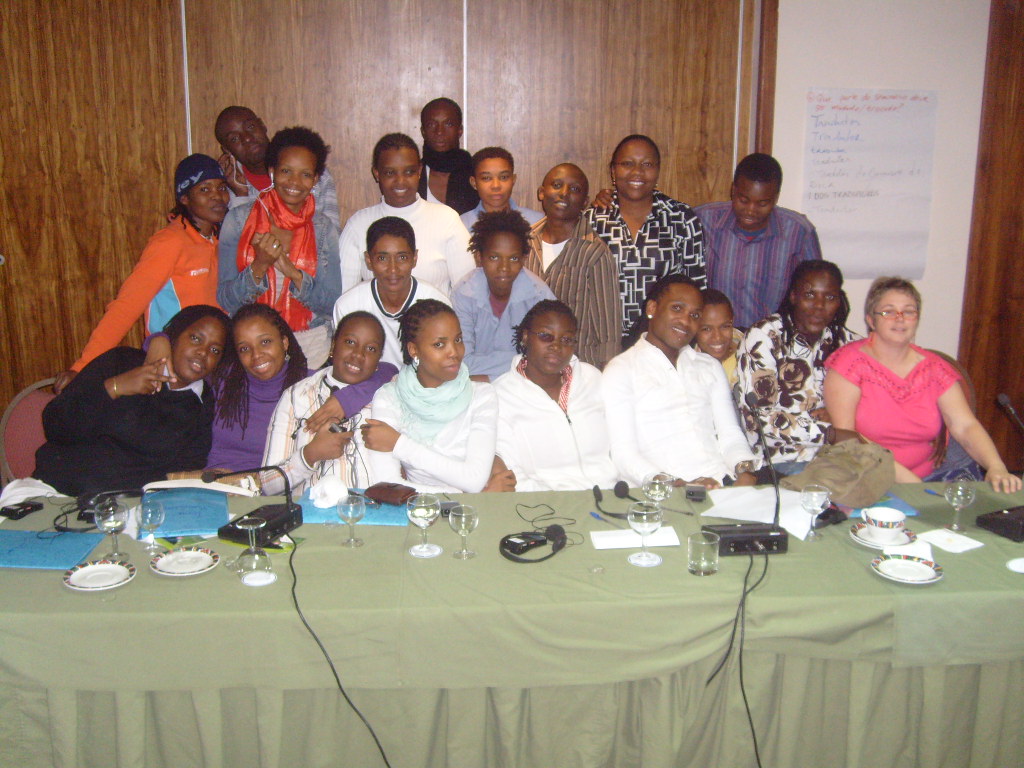
For the first time on the African continent, a Lusophone (Portuguese-speaking) trans workshop was presented in June 2010 by IGLHRC (the Commission internationale des droits de l'homme des gays et lesbiennes,today known as OutRight International) and Gender DynamiX (GDX) in Maputo, Mozambique. Due to language barriers, it is extremely difficult to establish networks in Mozambique and Angola where the main spoken language is Portuguese, so this workshop was groundbreaking.
For the first time on the African continent, a Lusophone (Portuguese-speaking) trans workshop was presented in June 2010 by IGLHRC (the International Gay and Lesbian Human Rights Commission, today known as OutRight International) and Gender DynamiX (GDX) in Maputo, Mozambique. Due to language barriers, it is extremely difficult to establish networks in Mozambique and Angola […]
On 13 August 2010 the South African Labour Court ruled in favour of reinstating Christine Elhers after she took her employer, Bohler Uddeholm, to court for unfair discrimination and for dismissing her based on her gender identity. Judge Francis not only ruled for reinstatement but ordered the company to backpay Christine the salary she had lost between her dismissal and reinstatement.
During the trial, the company argued that at the time of her employment, Christine was a man and that their clients and the nature of their product (in the metal industry) required her to be a man. In his article titled Christine, give them hell, Professor Pierre de Vos wrote about the reasons why such arguments don’t stand up in court from a constitutional point of view.
The outcome of this case set a precedent and a great example for fair and equal employment for South African trans persons.
On 13 August 2010 the South African Labour Court ruled in favour of reinstating Christine Elhers after she took her employer, Bohler Uddeholm, to court for unfair discrimination and for dismissing her based on her gender identity. Judge Francis not only ruled for reinstatement but ordered the company to backpay Christine the salary she had […]
”, and it was released internationally on 1 December 2010, World AIDS Day.
Secondly, the highly successful Digital Storytelling DVD, Exquisite Gender, was produced by the activists and each participant received copies after the launch to use as training/presentation and sensitisation material. This material has since travelled all over the continent and continues to be an educational tool in trans advocacy today. After robust discussions, the activists collectively decided to not make the Digital Storytelling DVDs public by means of online uploads, as there would be no control over who could access them, thereby compromising the identities and safety of the activities.
*The Organisation’s name is omitted to protect its members due to the passing of the Anti–Homosexuality Act in March 2023 in Uganda.
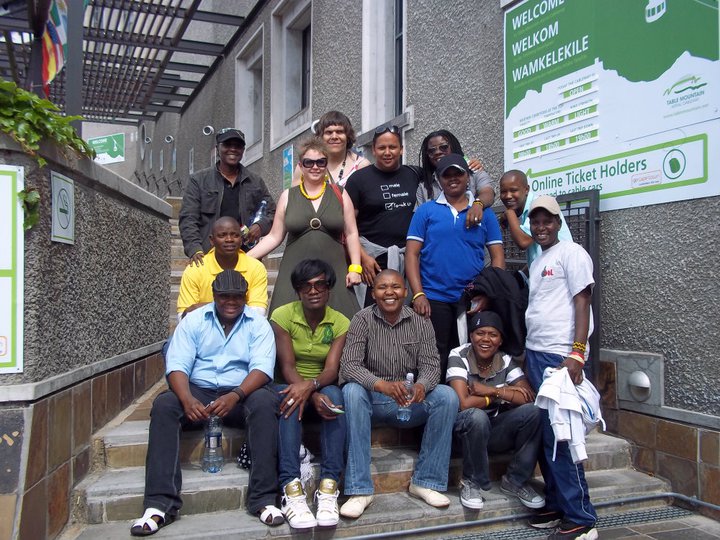
Participants outside the entrance to the Table Mountain cable cars, Cape Town, South Africa
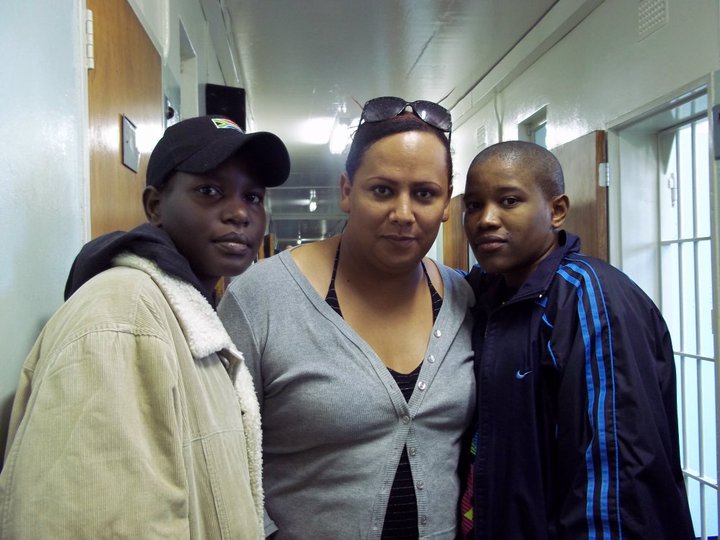
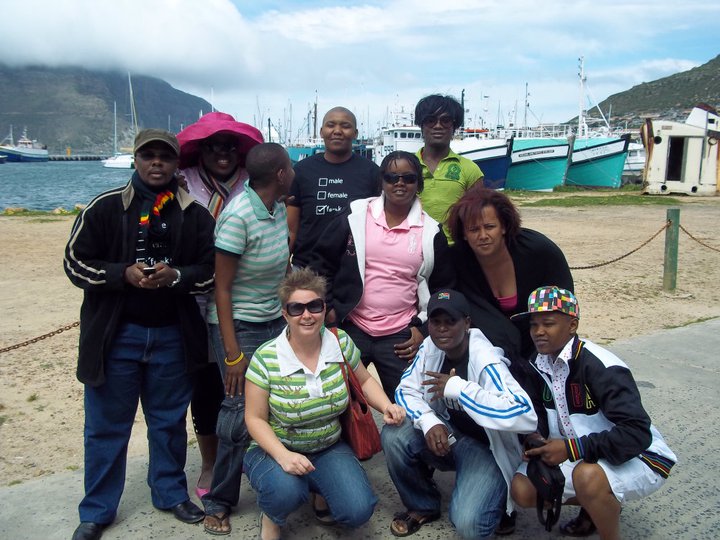
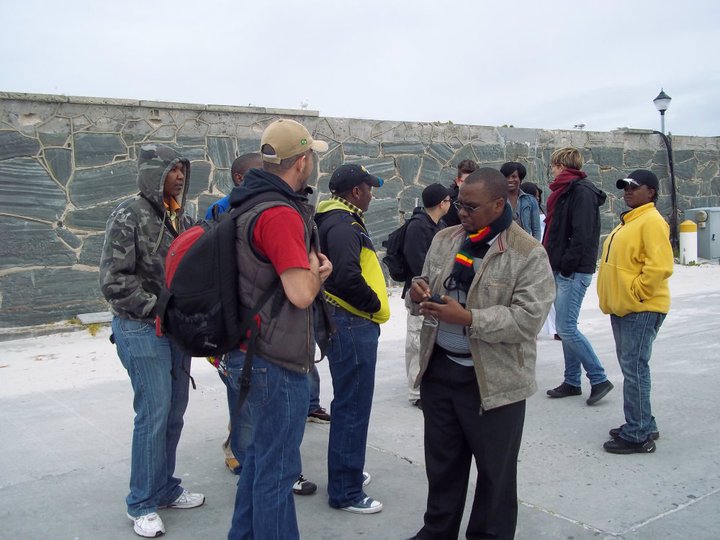
In September 2010, the second part of the Eastern and Southern African Trans and Intersex Regional Exchange Programme hosted by Gender DynamiX (GDX) and a partner organisation in East Africa* was held in Cape Town, South Africa. The Programme achieved two tangible and practical results. The first was that the 16 activists finalised the details […]
October 2010 — Eastern and Southern African Trans and Intersex Regional Exchange Programme Joins the Stop Trans Pathologization (STP2012) Campaign, Eastern and Southern Africa
October 2010 — Eastern and Southern African Trans and Intersex Regional Exchange Programme Joins the Stop Trans Pathologization (STP2012) Campaign, Eastern and Southern Africa
The Exchange Programme’s submission to the Campaign consisted of a video clip produced by Robert Hamblin with quotes from Eastern and Southern African activists.
October 2010 — Eastern and Southern African Trans and Intersex Regional Exchange Programme Joins the Stop Trans Pathologization (STP2012) Campaign, Eastern and Southern Africa In October 2010, the Eastern and Southern African Trans and Intersex Regional Exchange Programme, launched in May 2010 by South Africa’s Gender DynamiX (GDX) and Uganda’s Support Initiative for People with Atypical Sex […]
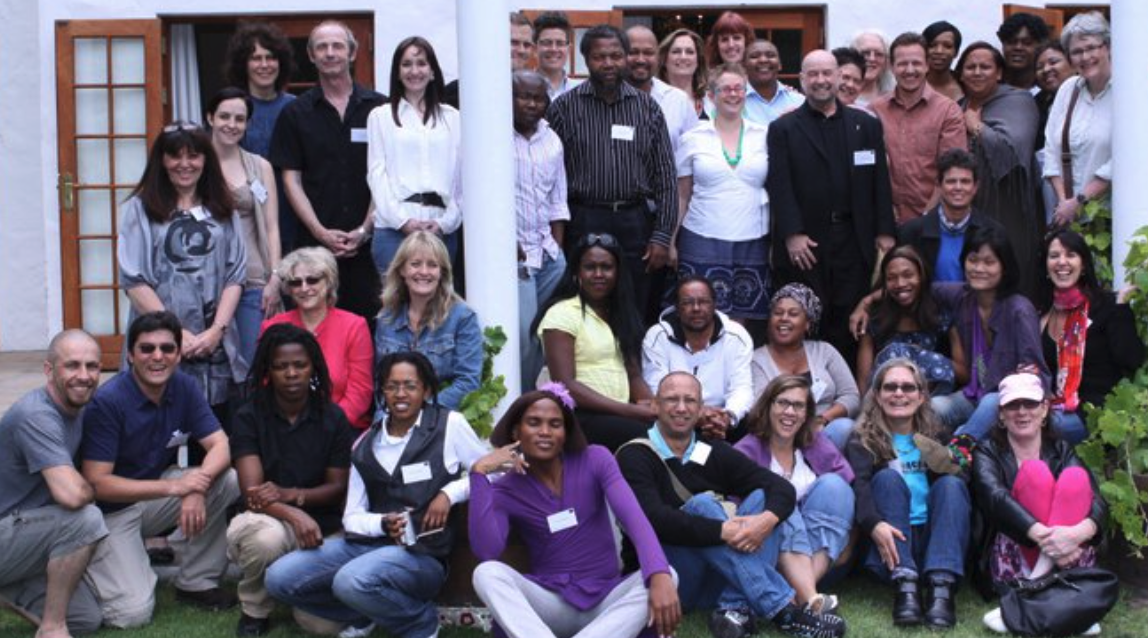
Dans November 2010,DynamiX Genre hosted the pre-Trans Health, Research and Advocacy Conference in Hout Bay, Western Cape, South Africa. The purpose of the pre-conference was to create awareness around the baseline situation experienced by trans people throughout South Africa – both in rural spaces and cities where there is, at minimum, a basic level of access to service.
This pre-conference was considered the first step towards planning the Trans Health, Research and Advocacy conference scheduled for 26 – 28 November 2011, an event which would be the first of its kind on the continent. Gender DynamiX selected a number of individuals to attend the pre-conference. They were invited to attend because they were selected to ensure a broad as possible variety of experiences from within the trans community as well as multi-disciplinary professionals. Forty people attended the pre-conference.
Photo by Zanele Muholi
The list of professionals that attended included one or more psychologists, a surgeon, a general practitioner, an endocrinologist, a nurse, a traditional healer, a sexologist, a social worker, a family physician, a journalist and a trans lawyer from the US who serve on the board of WPATH. Gender DynamiX was represented by staff and board members. Community members were represented by trans masculine and trans feminine people from rural areas and cities, a refugee, parents of trans children and a trans woman in her senior years. The pre-conference was a great success and a milestone for the trans and intersex movements.
The 1st Trans Health, Research and Advocacy Conference was held in November 2011.
Read about the 2nd Trans Health, Research and Advocacy Conference, May 2014
The impact of Eusebius McKaiser
One of the outcomes of the pre-conference in 2010 was that a journalist who attended, Eusebius McKaiser, published an article in the Mail and Guardian in December 2010 in which he not only acknowledged his own previous ignorance of trans and intersex issues but it would mark the start of his ongoing support for the movement. Eusebius’ first real introduction to nuanced issues that are important for trans people came as a result of attending. Following his introduction to trans people during the conference he wrote a touching story, describing how his experience of attending the conference shaped his thoughts, acknowledging that LGBT people in general do not know half as well as what they even imagine about the lives of trans people. This personal account was published as a full-page contribution in the Mail & Guardian.
In the article, he writes:
“This (lack of a full understanding of the nature of transgender bodies) is exaggerated by well-meaning organisations and funding bodies, which have a “catch all” approach. They imagine that in targeting the wider, mainstream gay or LGBTI (lesbian, gay, bisexual, transgender and intersex) communities, all sexual minorities are thereby accessed. In reality, the ‘T’ and the ‘I’ in LGBTI are invisible.”
He ended the article by stating:
“Prejudice against sexual minorities is not restricted to acts of overt violence against black lesbians. We need to be more vigilant about other manifestations of prejudice. Such vigilance must start with checking our own attitudes. Even victims of prejudice, including gay men and women, need to guard against trans-phobia.”
McKaiser passed away on 30 May 2023.
A tribute to Eusebius McKaiser (28 March 1978 — 30 May 2023)
In the years since the pre-conference in 2010 he established himself as a brilliant journalist, philosopher and political analyst He also remained an ally to the trans and intersex movement, he was a brilliant journalist, philosopher and political analyst.
It is with shock and disbelief that South Africans and the world learned of the sudden and untimely passing of Eusebius McKaiser. Countless political, LGBTIQ+, Human Rights and anti-racism activists, journalists, academics and critical analysts, posted memories and tributes in comments on Eusebius’ own Facebook wall, Instagram and other social media platforms. He was a brilliant voice and thinker with a public opinion who did not shy away from controversial topics and was not scared to call issues by its name. He challenged journalists and other public figures to seek truth and honest, ethical reporting.
He was also a voice of reason and a critical ally to the queer community, from being out of the closet and publicly so, speaking up for LGBTIQ+ people, highlighting issues about bisexuality, about being gay and the challenges trans people live with, on a daily basis. He was a supporter of sex workers’ campaigns in decriminalization.
After Eusebius’ first introduction to trans and issues, he also spoke on his timeslot on Radio 702, in his talk show about how the “rest of the LGBT acronym” tries to silence the identity of T. He mentioned it again as a moderator in the Other Foundation’s Kopano in the video clips above.
Eusebius McKaiser speaks out against The Anti-Homosexuality Act of Uganda, 2023
Eusebius’ last tweet on the day of his passing further underscores how strongly he felt about the Anti-Homosexuality Act:
The QueerSona series of Iranti, 9 February 2023
Earlier in 2023, during the time of South Africa’s President, Cyril Ramaphosa’s State of the Nation, the organisation Iranti had a series on their social media campaign titled “QueerSona”
Iranti was very appreciative of this and publicly thanked Eusebius for his contribution:
“We are grateful to you Eusebius Mckaiser for sharing your #QueerSona Eusebius McKaiser – Author, Broadcaster & Political Analyst. The President’s State of the Nation Address is upon us. We demand that President @CyrilRamaphosa acknowledge our demands and commit state officials and state resources to ensure an end to discrimination and acts of violence against LGBTQIA+ people. Join us, and hold the president accountable. #QueerSona#Sona2023#Sona23“
Tributes to Eusebius McKaizer
Liesl Theron on Facebook (Liesl is the co-founder of Gender DynamiX)
Whenever I saw there is some hectic nonsense going on in Mzanzi I always said “It is time to listen to Eusebius, to understand what is happening” because he analyzed political happenings so well, I liked to listen to his podcasts when I was cooking in the kitchen. I remembered how he graciously sat silently and took all the “new” information in when we invited him to attend the first Trans Health Conference’s pre-conference in Hout Bay. He asked me why we invited him, as he doesn’t know much about the subject, and I replied, “That is why we want you here”. After attending the conference, he wrote a full page for M&G about the struggles trans people face daily in their lives. He was brilliant! After that, we were once co-panellists for the launch of a Queer book about Malawi LGBTQI community members, Muholi was the photographer and Eusebius, and I was invited by GALA to the launch as panellists. But beyond that, he was my guide about South African news, especially now that I live in Mexico.
Marion Stevens on Facebook (Marion was on the planning committee for the pre-Trans Health, Research and Advocacy Conference)
Life is so fragile. I remember our first meeting in Hout Bay in 2010 at the pre–Transgender Health conference. You sat in the back listening and then wrote a piece for the Mail and Guardian, putting transgender health struggles in the public domain for thought and consideration. I had a toddler with me, Xanny was about 4 years old and you kindly put up with their questions and requests for more orange juice. Since then the thoughts you put in the public domain have been an enormous contribution to our democracy. At times of course you were irritating and arrogant. I am so shocked at your passing, life is so fragile, so soon this. Condolences to your loved ones – your partner, your Dad, aunts and cousins – and many friends. Eusebius Mckaiser rest easy.
Sally-Jean Shackleton on Facebook (Sally-Jean was the inaugural chairperson of Gender DynamiX)
Eusebius, Mckaiser was a giant – in intellect and in bravery. What a devastating loss. I am grateful for his generosity in supporting and speaking up for sex workers, for being visibly queer, and outspoken…. for being a loyal and steadfast defender of what is right and good. How bizarre to be speaking about him in the past tense. Joining others today in mourning and sending comfort to his family and partner. Rest in power #eusibiusmckaiser
In November 2010, Gender DynamiX hosted the pre-Trans Health, Research and Advocacy Conference in Hout Bay, Western Cape, South Africa. The purpose of the pre-conference was to create awareness around the baseline situation experienced by trans people throughout South Africa – both in rural spaces and cities where there is, at minimum, a basic level of access to […]
Richard was born with ambiguous genitalia and could therefore not obtain a birth certificate, identity card or passport. He was arrested on 16 March 2005 for aggravated robbery.
“During a routine physical search the prison officers discovered his ambiguous genitalia and consequently could not decide whether to house him in a male or female cell. The Kiuti Magistrates Court ordered that the petitioner be medically examined and the medical report confirmed that he was intersexual. The Magistrates Court then ordered that the petitioner was to be remanded in isolation in the Kiuti Police Station pending trial.
The petitioner was convicted, sentenced to death and sent to a male-only prison for convicts on death row. There the petitioner was made to share cells and facilities with male inmates but was later placed in isolation. It was alleged that while he was in the prison he was subjected to invasive body searches, mockery and abuse because of his condition.”
Despite the Court recognising that Muasya’s condition fitted its definition of intersex, the Court found that because there was no verifiable data about intersex people as a group or class in Kenyan society, the treatment of intersex people was not a matter of public interest. They also found that he did not have a right to legal recognition or protection against discrimination. They also found that he had not been discriminated against in his schooling, employment and that his inability to attain identity documents was his fault and that his inability to vote was therefore his failing. The Court thus ruled that his freedom of movement had not been violated as it was his responsibility to attain the relevant identity documents. The Court also held that the social stigma Muasya suffered was not a legal issue.
The Court found in favour of Muasya’s claim that he had been subjected to inhuman and degrading treatment in prison and he was awarded damages of 500,000 Kenyan Shillings.
During the period leading up to the trial and after, Muasya was sexually abused and his rights violated for 8 years as an intersex person confined with male prisoners in Kamiti Maximum prison.
2 December 2010 — High Court Ruling Against Intersex Prisoner, Kenya In the case, Richard Muasya v. the Hon. Attorney General, High Court of Kenya on 2 December 2010, Muasya lost his case of claiming violations of his constitutional rights, in which he asked for the legalisation of a third gender. Richard was born with […]
2011 — Trans Woman Tshepo Ricki Kgositau Sues the State for the Right to Gender Marker Change, Botswana
Batswana trans woman, Tshepo Ricki Kgositau, (former Executive Director of DynamiX Genre) applied to the Civil and National Registration office in Gaborone, Botswana to change her documentation in the national register from male to female in 2011. She argued that the State has a duty to realise the constitutional protection of rights and amend her Omang (identity document), as
“her birth-assigned gender does not correspond with her internal and individual experience of gender”.
Ricki’s application was denied and she sued the State for this right to change her gender marker. She won this case in 2017.
2011 — Trans Woman Tshepo Ricki Kgositau Sues the State for the Right to Gender Marker Change, Botswana Batswana trans woman, Tshepo Ricki Kgositau, (former Executive Director of Gender DynamiX) applied to the Civil and National Registration office in Gaborone, Botswana to change her documentation in the national register from male to female in 2011. […]
In April 2011 the events of Caster Semenya’s gender verification spiralled into an international debate about intersex* conditions and gender, resulting in the IAAF passing a new policy on gender verification, making the tests more specific to suspected cases of ‘hyperandrogenism’ in elite female athletes. The IAAF (International Amateur Athletic Federation and International Association of Athletics Federations, now known as World Athletics) and the International Olympics Committee (IOC) reviewed its regulations and policies, particularly the sections on routine gender verifications for all female athletes.
The media spectacle created by Caster Semenya’s gender verification sparked more discussion and led to greater awareness and visibility of intersex and gender non-conformity issues all over the world. This debate and the increasing global awareness of gender and sex variance is still ongoing.
In April 2011 the events of Caster Semenya’s gender verification spiralled into an international debate about intersex* conditions and gender, resulting in the IAAF passing a new policy on gender verification, making the tests more specific to suspected cases of ‘hyperandrogenism’ in elite female athletes. The IAAF (International Amateur Athletic Federation and International Association of […]
May 2011 — Trans Women and Transfeminine Activists Demand Recognition Within the African Trans Advocacy Movement (Eastern and Southern African Trans and Intersex Regional Exchange Programme), Uganda
May 2011 — Trans Women and Transfeminine Activists Demand Recognition Within the African Trans Advocacy Movement (Eastern and Southern African Trans and Intersex Regional Exchange Programme), Uganda
The first part of the second year of the Eastern and Southern African Trans and Intersex Regional Exchange Programme, hosted by Gender DynamiX (GDX)and a partner organisation from East Africa,took place in Uganda in May 2011.
This was a watershed workshop as the number of activists, who numbered 16 the year before, grew beyond the capacity of the Exchange Programme. It was during this workshop that Themba Nkosi shared that he had started a youth support group, aGender, in Soweto, Johannesburg.
This group was the result of the capacity-building work that was part of the Exchange Programme in 2010. During this exchange workshop, the transfeminine and trans women participants stepped out of the shadows and demanded recognition by claiming a space separate from that dominated by trans masculine and trans men activists, not just in previous workshops, but within the trans and intersex movement in Africa as a whole. This sparked debate between the two groups, and it was within this dialogue that LeighAnn van der Merwe announced the founding of S.H.Ela Social, Health and Empowerment Feminist Collective of Transgender and Intersex Women of Africa.
May 2011 — Trans Women and Transfeminine Activists Demand Recognition Within the African Trans Advocacy Movement (Eastern and Southern African Trans and Intersex Regional Exchange Programme), Uganda The first part of the second year of the Eastern and Southern African Trans and Intersex Regional Exchange Programme, hosted by Gender DynamiX (GDX) and a partner organisation […]
Mai 2011 - Création du Collectif féministe de femmes transgenres et intersexuées d'Afrique (S.H.E) pour la santé, le social et l'autonomisation, Afrique du Sud
Mai 2011 - Création du Collectif féministe de femmes transgenres et intersexuées d'Afrique (S.H.E) pour la santé, le social et l'autonomisation, Afrique du Sud
Part of the founding reasons derived from the Trans and Intersex Regional Exchange Programme, hosted by Gender DynamiX in May 2011 in Uganda, where trans feminine and trans women activists and trans masculine and trans men activists had intense discussions about the power imbalance within the trans movement in Africa, which was overwhelmingly led by trans men and trans masculine people.
S.H.E strives to build the leadership of trans women, and work for greater inclusion of trans women and their issues in African women’s and feminist movements at the local, national and regional levels. At the local level, S.H.E works with trans women in peri-urban informal settlements and township communities, predominantly in the Eastern Cape Province, where they run support groups and ‘co-powerment’ programs. At the national level, they collaborate with women’s movements to raise issues of violence against trans women, and with trans and intersex organisations to advance campaigns for access to health care. At the continental level, they build the capacity of trans and women’s rights organisations. They held the first African Transformative Feminist Leadership Institute, which brought together 14 transgender women activists from 8 countries working to advance a feminist agenda for trans women on the African continent, starting with the release of the “African Trans Feminist Charter.”
May 2011 — Social, Health and Empowerment Feminist Collective of Transgender and Intersex Women of Africa (S.H.E) Established, South Africa In May 2011, Social, Health and Empowerment Feminist Collective of Transgender and Intersex Women of Africa (S.H.E) was formally established by LeighAnn van der Merwe, following the announcement of the organisation’s formation during the Eastern […]
Initially envisioned as a space that would provide a platform where participants could learn from the workshops and from each other, the dynamic changed sooner than anticipated by the organisers as it became evident that the greatest value of the Programme was the way in which learning had become completely interactive, with attending activists being fully participatory, bringing knowledge to the table that was as essential as the knowledge brought by the hosts.
Due to the way in which participants had progressed and excelled beyond the current format of the workshops, in 2011 the hosts Gender DynamiX (GDX) and their partner organisation in East Africa, decided to reassess the format of the Eastern and Southern African Trans and Intersex Regional Exchange Programme for 2012 and onwards. Initially envisioned […]
In 2011, co-hosts of the Eastern and Southern African Trans and Intersex Regional Exchange Programme, Gender DynamiX (GDX) and their partner in East Africa (name withheld for security reasons), approached Transgender and Intersex Africa (TIA) to form a 3-organisation coalition together with Support Initiative for People with Atypical Sex Development (SIPD) in Uganda, which would […]
The first International Intersex Forum, organised by ILGA and ILGA-Europe, took place in Belgium in September 2011. 24 Activists representing 17 intersex organisations from all continents were present, includingIntersex Society South Africa (ISSA)’s Sally Gross, who was also the correspondent for Africa. The Forum concluded with 3 main goals:
“To put an end to mutilating and ‘normalising’ practices such as genital surgeries, psychological and other medical treatments, including infanticide and selective abortion on the grounds of an intersex condition in some parts of the world.
To ensure that the personal, free, prior, and fully informed consent of the intersex individual is a compulsory requirement in all medical practices and protocols.
Creating and facilitating supportive, safe and celebratory environments for intersex people, their families, and communities.”
The first International Intersex Forum, organised by ILGA and ILGA-Europe, took place in Belgium in September 2011. 24 Activists representing 17 intersex organisations from all continents were present, including Intersex Society South Africa (ISSA)’s Sally Gross, who was also the correspondent for Africa. The Forum concluded with 3 main goals:
November 2011 — 1st Regional Trans Health, Research and Advocacy Conference, South Africa: First Trans Conference in Africa
In November 2011, Gender DynamiX (GDX) hosted the first Regional Trans Health, Advocacy & Research Conference, bringing together activists, researchers and providers. This event was an African first, as it was the first trans conference to be held in Africa. The Conference was held in South Africa.
Two documentaries resulted from the conference:
“Parent of Trans”
Botswana activist Ricki Tshepo Kgositau (before she worked at Gender DynamiX, first as Advocacy Manager and later as ED), was the interviewer in this documentary. Here she interviewed the mom of a trans masculine person, Diana Motsitsi. The video was produced on a voluntary basis by Zanele Muholi and Inkanyiso Productions.
“Service Delivery & TG Primary Health Care in SA”
The second video produced during this conference “Service Delivery & TG Primary Health Care in SA”, came about as the conference had a substantial number of panel sessions on the topics of service delivery [health], education, and various forms of access. Input was given by Leoni Spalding (Gay and Lesbian Network), Daphney Conco, (Democratic Nursing Organisation of South Africa, the largest nurses’ trade union in South Africa, representing and advocating for the rights of nurses and midwives), Dr Asa Radix (Callen Health Community Center NYC), Jamison Green (WPATH), Amitrajit Saha (UNDP) and community member Revelation Xakoshe (Transgenres et Intersexes Afrique). The video was produced on a voluntary basis by Zanele Muholi and Inkanyiso Productions.
November 2011 — 1st Regional Trans Health, Research and Advocacy Conference, South Africa: First Trans Conference in Africa In November 2011, Gender DynamiX (GDX) hosted the first Regional Trans Health, Advocacy & Research Conference, bringing together activists, researchers and providers. This event was an African first, as it was the first trans conference to be held […]
In December 2011, Ushirikiano Panda was established in Kenya, making it the second Kenyan trans organisation after TEA (Transgender Education & Advocacy). The organisation was founded by Gullitt Amakobe, a trans man, Sidney, an intersex person, and Barbra Wangare, a trans woman who is the current Executive Director of EATHAN, the East Africa Trans Health […]
December 2011 — Founding of Ushirikiano Panda (now Jinsiangu), Kenya
Ushirikiano Panda, formed in December 2011, officially changed its name to Jinsiangu on 27 May 2012. The name Jinsiangu, comes from the two Swahili words, ‘jinsia’ and ‘yangu’, meaning ‘my gender’, a name proposed by co-founder Barbra Wangare, who is the current Executive Director of the East Africa Trans Health and Advocacy Network (EATHAN). Jinsiangu was established with the hopes of turning into a fully-fledged community-based organisation. Jinsiangu is committed to ITGNC-led, pro-humanity and pro-equality organising.
Vision
Diversity, Autonomy & Freedom: A Kenya that celebrates and respects diversity, and where all persons have bodily autonomy, freedom, justice and access to fundamental needs.
La mission
Jinsiangu seeks to ensure that the lives and wellbeing of intersex, trans and gender non-conforming persons are enhanced through the establishment of safe spaces, through advocacy and research, through the provision of information, health services, and psycho-social support, and by fostering opportunities for holistic empowerment.
Objectifs
Provision of fundamental needs
Jinsiangu advocates for the provision of fundamental needs of ITGNC persons through engagement with various professionals, state officials and service providers in order to change discriminatory policies and prejudice against them.
Creating awareness and understanding
Jinsiangu aims to increase awareness and understanding of ITGNC people, both within the LGBTI community and in the larger society.
Developing knowledge
Jinsiangu is committed to developing and disseminating knowledge on the socio-economic and political situation of ITGNC people in Kenya, including information on their health and medical needs.
Effective and reliable care and support
Jinsiangu is establishing itself as a go-to provider for effective and reliable care and support for ITGNC Kenyans. Including safe spaces, psycho-social support, and ITGNC-friendly counselling services.
Values
Equality, Autonomy, Confidentiality, Accountability, Love, Diversity, Perseverance, Integrity and Openness.
Watch our interview with Barbra Wangare from 15 October 2024
TIHA’s Victor J. Mukasa and Barbra discussed her personal journey as a trans woman and the early history of trans awareness in Kenya, her role in the founding of Jinsiangu and the work that she and EATHAN do in Kenya, East Africa and globally.
Watch our interview with co-founder, Po Kimani
We interviewed Po Kimani on the 27th of June, 2025. Po is an intersex, non-binary, neurodivergent black feminist healer and abolitionist, whose life’s work embodies radical care as resistance. An LGBTQIA+ and sex worker advocate, they co-founded Jinsiangu, Galck+, Minority Women in Action, the Defenders Coalitionet le Trans Empowerment Initiative – T.E.I. Po was Kenya’s first openly queer sex worker activist and helped organise the iconic Queer Tent (‘Q Spot’) at the 2007 World Social Forum.
December 2011 — Founding of Ushirikiano Panda (now Jinsiangu), Kenya Ushirikiano Panda, formed in December 2011, officially changed its name to Jinsiangu on 27 May 2012. The name Jinsiangu, comes from the two Swahili words, ‘jinsia’ and ‘yangu’, meaning ‘my gender’, a name proposed by co-founder Barbra Wangare, who is the current Executive Director of the East […]
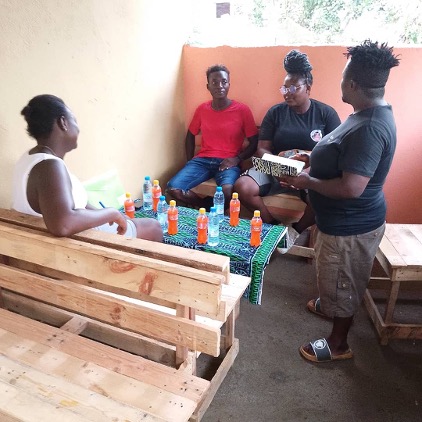
Founded in 2012 by Jay Mulucha and another activist*, Fem Alliance Uganda (FEMA) works primarily with lesbian, bisexual, transgender and queer (LBTQ) persons and advocates for the rights, visibility, and inclusion of LBTQ persons through community empowerment, advocacy, and capacity building. The organisation was registered in 2012.
* Name withheld for safety reasons.
Vision
A stigma-free Uganda where LBTQ people can enjoy equal rights, human dignity, respect and social justice.
La mission
To promote human rights and restore the human dignity of LBTQ persons through education, personal development, advocacy and strategic partnerships.
FEMA Founder, Jay Mulucha, speaking at the AIDS 2022 Conference
Objectifs
To increase knowledge, information and advocate for human rights of LBTQ persons within the community.
To promote a well-coordinated, inter-dependent and strong network of LBTQ membership.
To develop the institutional capacity of FEMA to be able to fulfill its mandate.
To establish and maintain strategic partnerships with key allies and partners.
Areas of Work
Human rights advocacy.
Sexual and reproductive health rights (SRHR)promotion and advocacy.
2012 — Fem Alliance Uganda (FEMA) Founded, Uganda Founded in 2012 by Jay Mulucha and another activist*, Fem Alliance Uganda (FEMA) works primarily with lesbian, bisexual, transgender and queer (LBTQ) persons and advocates for the rights, visibility, and inclusion of LBTQ persons through community empowerment, advocacy, and capacity building. The organisation was registered in 2012. […]
2012 — Fondation de Shin Together Cameroun / Founding of Shin Together Cameroon
Fondée en 2012 par Claude Batele, Shin Together Cameroon est une organisation axée sur la défense et la sensibilisation de la communauté intersexuée au Cameroun. Elle fournit des services directs aux personnes intersexuées du pays. L’organisation a été enregistrée en 2024.
Founded in 2012 by Claude Batele, Shin Together Cameroon is an organisation focused on advocacy and awareness raising for the intersex community in Cameroon, and provides direct services to intersex people in the country. The organisation was registered in 2024.
La Vision / Vision
Shin Together Cameroon envisage un Cameroun où les personnes discriminées en raison de leur apparence physique sont en sécurité, épanouies, indépendantes, libres et en bonne santé.
Shin Together Cameroon envisions a Cameroon where people discriminated against on the basis of their physical appearance are safe, fulfilled, independent, free, and healthy.
La mission
L’association a pour objectif de promouvoir l’inclusion, l’harmonie et la solidarité des personnes discriminées en raison de leur apparence physique au Cameroun.
The association aims to promote inclusion, harmony and solidarity of people discriminated against on the basis of their physical appearance in Cameroon.
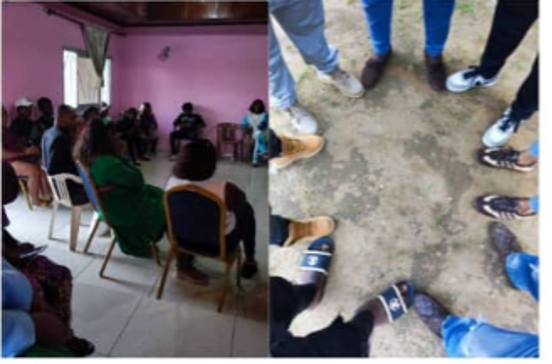
Séance de sensibilisation / Awareness raising session
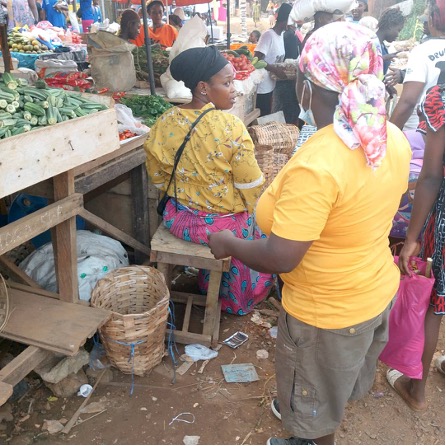
Causerie éducative au marché / Educational talk at the market
Domaines de travail / Areas of Work
L’organisation se concentre sur la sensibilisation à la condition intersexuée, la lutte contre la discrimination, la défense des droits et la prise en charge globale des personnes intersexes, ainsi que la promotion des bonnes pratiques à leur égard. Elle agit à travers :
Mener des actions de plaidoyer sur le plan national pour la prise en compte des besoins spécifiques des personnes cibles ;
Mobiliser les ressources propres aux personnes cibles ;
Sensibiliser et éduquer nos cibles scolarisées pour réduire le décrochage scolaire ;
Mener des études et recherches pour soutenir les plaidoyers en leurs direction au Cameroun ;
Lutter contre les mutilations génitales au Cameroun ;
Sensibiliser la population sur l’inclusion des cibles ;
Travailler avec les alliés dans le processus d’inclusion sociale ;
Mener des actions de sensibilisation auprès des formation sanitaire (FOSA) pour une meilleure prise en charge des cibles.
The organisation focuses on raising awareness of the intersex condition, fighting discrimination, advocacy, and comprehensive care for intersex people, and promoting good practices towards them. It does so through:
Conducting national advocacy efforts to address the specific needs of target populations.
Mobilising resources specific to target populations.
Raising awareness and educate our target populations to reduce school dropout rates.
Conducting studies and research to support advocacy efforts directed at them in Cameroon.
Combatting female genital mutilation in Cameroon.
Raising public awareness about the inclusion of target populations.
Working with allies in the social inclusion process.
Conducting awareness-raising efforts among health facilities (FOSA) to improve the care provided to target populations.
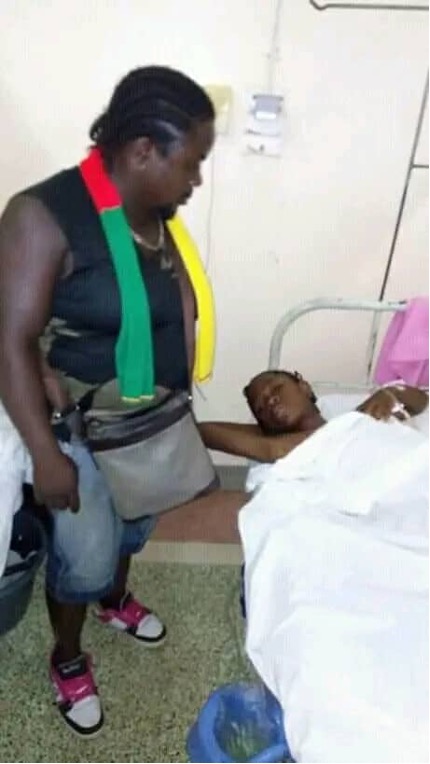
Assistance aux personnes opérées / Assistance to people undergoing surgery
2012 — Fondation de Shin Together Cameroun / Founding of Shin Together Cameroon Fondée en 2012 par Claude Batele, Shin Together Cameroon est une organisation axée sur la défense et la sensibilisation de la communauté intersexuée au Cameroun. Elle fournit des services directs aux personnes intersexuées du pays. L’organisation a été enregistrée en 2024. Founded […]
Trans Smart Trust was founded in January 2012 and registered on 16 July 2016. Situated in Zimbabwe, the organisation focuses on trans and intersex rights. Gumisayi Bonzo is the Executive Director and one of the founders of the organisation. The other founders are Alesandrabree Chacha and Delfina Sundarreman.
The organisation manages a portfolio of projects and programmes targeting communities who include persons living with HIV, people with disabilities, sex workers, drug users and other marginalised communities. Since its inception, the organisation’s interventions have been classified into advocacy, education, life skills and livelihoods, healthcare, legal support and emergency response.
Vision
Sustainable well-being for trans and intersex persons.
La mission
To champion the human rights, capacity and agency of trans and intersex people in realising their well-being.
Objectifs
Inclusivity
Empowerment
Collaboration
Intersectionality
Country Context
More about the context of trans and intersex individuals in Zimbabwe and the reason for the founding of Trans Smart Trust, from their website:
“At the heart of our story lies the plight of transgender individuals in Zimbabwe and across the African continent. In a region where societal attitudes and legal frameworks often fail to recognize and protect the rights of transgender people, they face immense challenges and discrimination on a daily basis. Transgender individuals in Zimbabwe contend with a lack of legal recognition, limited access to healthcare services, and widespread social stigma. They often experience rejection from their families, communities, and even face violence and harassment. The struggle for transgender rights in Africa is a multifaceted battle, as it encompasses the fight for legal recognition, access to gender-affirming healthcare, protection from discrimination, and the promotion of inclusive education and employment opportunities. Despite the adversities they face, Trans Smart Trust champions transgender and intersex people’s well-being in Zimbabwe.”
Trans Smart Trust was founded in January 2012 and registered on 16 July 2016. Situated in Zimbabwe, the organisation focuses on trans and intersex rights. Gumisayi Bonzo is the Executive Director and one of the founders of the organisation. The other founders are Alesandrabree Chacha and Delfina Sundarreman. The organisation manages a portfolio of projects […]
2012 — Founding of Iranti, South Africa Iranti was founded by Jabulani Chen Pereira in 2012. Jabu, the organisation’s leadership, and the entire team is composed of trans, lesbian, and intersex persons. Iranti is an African regional organisation that involves media and documentation in its advocacy. Jabu stepped down as Founding Director in 2022. Intersex […]
Juin 201013 August 2010Septembre 2010October 2010November 20102 December 20102011April 2011May 2011May 201120112011September 2011November 2011December 201127 May 201220122012January 20122012
Vous pouvez inclure des informations sur votre organisation/groupe africain.
Il existe de nombreuses organisations et individus africains qui, au fil des années, ont apporté des contributions inestimables à l'histoire des mouvements trans, intersexes et gender diverse qui ne figurent pas encore sur notre Chronologie.
Nous voulons reconnaître et inclure toutes les contributions vérifiables.
La ligne du temps concerne votre des histoires et des voix. Vous pouvez en savoir plus sur la façon de contribuer en visitant notre page Contactez-nous ici.